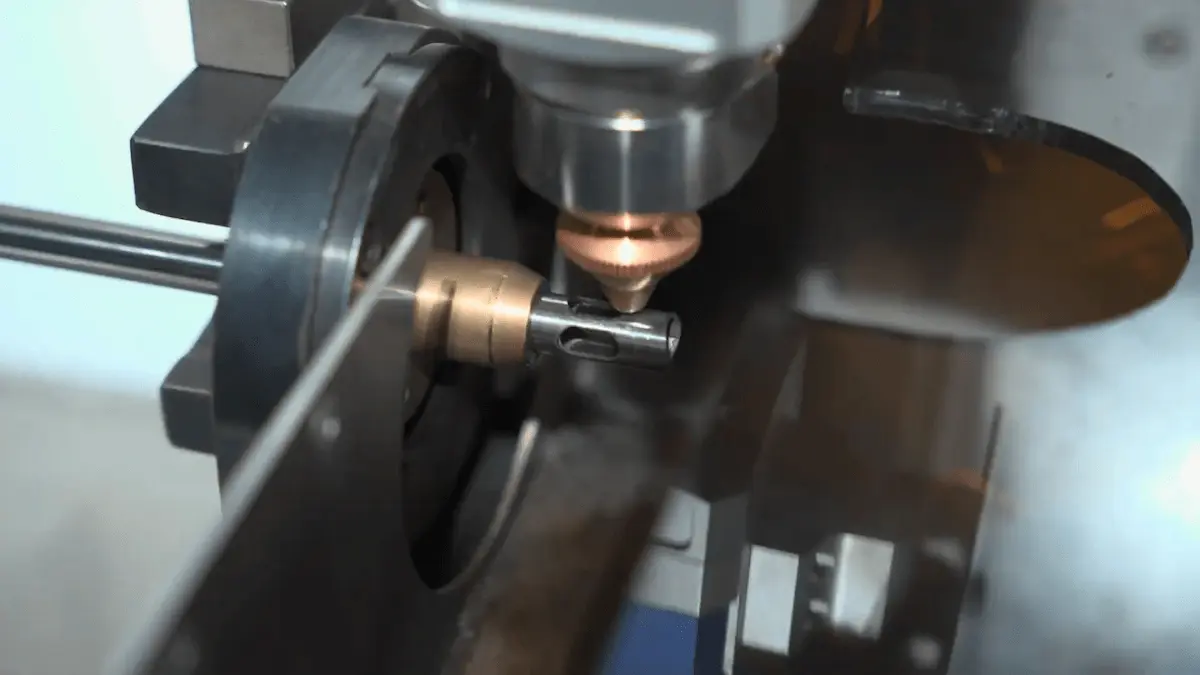
La pregunta de cuál es “mejor” no tiene una respuesta única para todos—depende de tus materiales, objetivos del proyecto y presupuesto. Generalmente, los cortadores de plasma son rentables y destacan al cortar metales gruesos rápidamente, mientras que las máquinas de corte por láser ofrecen precisión y versatilidad inigualables en una variedad de materiales. Desglosemos las diferencias con pros, contras y ejemplos del mundo real claros para ayudarte a decidir.
Entendiendo los Conceptos Básicos
¿Qué es una Máquina de Corte por Plasma CNC?
Un cortador de plasma CNC utiliza gas ionizado (plasma) canalizado a través de una antorcha para crear un arco eléctrico de alta temperatura que funde metales conductores. Controlado por software de control numérico por computadora (CNC), es un caballo de batalla para la fabricación de metales de alta resistencia.
- Fortalezas Clave: Asequible, rápido para metales gruesos, robusto para entornos difíciles.
- Limitaciones Clave: Solo funciona en metales conductores, cortes menos precisos.
¿Qué es una Máquina de Corte por Láser?
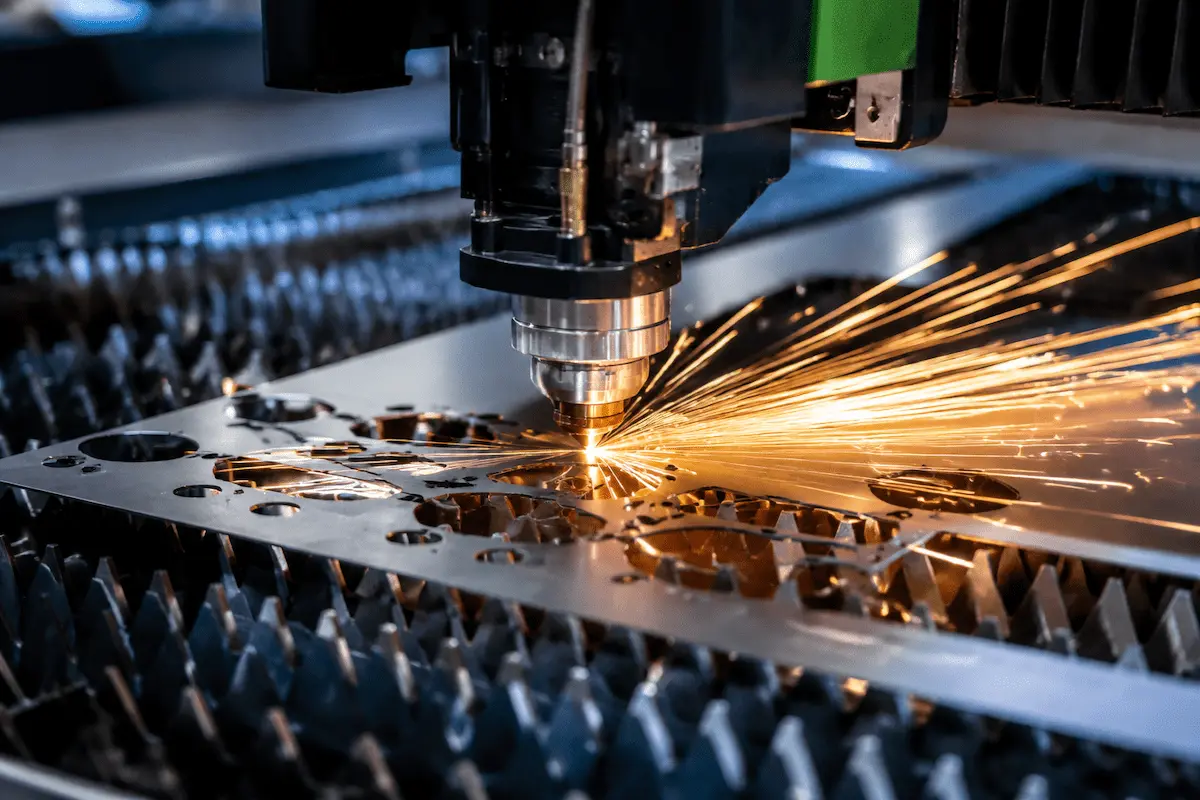
A cortadora láser enfoca un haz de alta potencia—típicamente de fibra o CO2—para fundir, quemar o vaporizar materiales. Es un proceso sin contacto, ideal para trabajos intrincados y una variedad de materiales.
- Fortalezas Clave: Alta precisión, versátil para metales y no metales, acabados limpios.
- Limitaciones Clave: Costos más altos, más lenta en materiales muy gruesos.
Pros y Contras: Una Comparación Lado a Lado
Máquina de Corte por Plasma CNC: Pros y Contras
Los cortadores de plasma son un pilar en industrias como la construcción y la construcción naval, pero no son perfectos para cada trabajo. Esto es lo que aportan:
Ventajas:
- Rentable: Los costos iniciales comienzan alrededor de $10,000, 2-5 veces más baratos que los láseres. Los costos operativos son de aproximadamente $15/hora debido a consumibles simples como boquillas.
- Velocidad en Materiales Gruesos: Corta metales de más de 16mm (5/8 pulgada) más rápido que la mayoría de los láseres, ideal para placas pesadas.
- Bajo Mantenimiento: Fácil de dar servicio, incluso en talleres polvorientos o al aire libre, con tiempo de inactividad mínimo.
Contras:
- Limitado a Metales Conductores: No puede cortar madera, plásticos o materiales no conductores como el vidrio.
- Menor Precisión: Corte más ancho y zonas afectadas por el calor (HAZ) generan bordes más ásperos, que a menudo requieren limpieza.
- Más Desperdicio: Produce escoria (rezumado), añadiendo tiempo para el post-procesamiento.
Máquina de Corte por Láser: Pros y Contras
Los láseres brillan en industrias orientadas a la precisión como la automotriz y la aeroespacial, pero su costo y complejidad pueden ser un obstáculo.
Ventajas:
- Precisión Superior: Tolerancias de hasta 0.1mm, con bordes suaves y casi sin rebabas—ideal para diseños intrincados.
- Materiales Versátiles: Corta metales, madera, acrílico, cuero y más, perfecto para proyectos de materiales mixtos.
- Bajo Desperdicio: El corte sin contacto minimiza la pérdida de material y reduce el impacto ambiental.
Contras:
- Costos Más Altos: Comenzando en $50,000+, con costos operativos alrededor de $20/hora debido a las necesidades de electricidad y gas.
- Más Lenta en Material Grueso: Menos eficiente en materiales de más de 25mm en comparación con el plasma.
- Mantenimiento Complejo: Requiere ópticas limpias y técnicos capacitados, aumentando las demandas de mantenimiento.
Ejemplos del Mundo Real: Plasma y Láser en Acción
Corte por Plasma CNC en la Industria
Los cortadores de plasma son la opción preferida para trabajos de metalurgia pesada y de alto volumen donde la velocidad supera a la precisión.
- Construcción Naval: Empresas como Huntington Ingalls Industries usan plasma para cortar placas gruesas de acero para cascos (50mm+). En un proyecto de buque naval que consulté a través de un proveedor, el plasma redujo el tiempo de corte en un 30%, ahorrando millones en mano de obra para componentes a gran escala.
- Construcción: Firmas como Bechtel dependen del plasma para vigas estructurales en proyectos de puentes. Su capacidad para manejar acero de 100-150mm de grosor en sitios de trabajo difíciles lo hace indispensable.
Corte por Láser en Trabajos de Precisión
Los láseres dominan donde importan el detalle y la variedad de materiales, ofreciendo resultados limpios y eficientes.
- Automotriz: Tesla utiliza láseres de fibra para paneles de carrocería y prototipos. Un proveedor con el que trabajé redujo las tasas de desperdicio en un 40% en láminas de aluminio, permitiendo formas complejas sin costosos cambios de herramientas.
- Aeroespacial: Boeing emplea láseres para aleaciones ligeras y compuestos, como álabes de turbina. En un proyecto de subcontratista, ajusté un láser para cortar estructuras de panal intrincadas, preservando la resistencia del material donde el plasma habría causado problemas.
Elegir la Máquina Adecuada para Ti
Entonces, ¿cuál es mejor? Si tu trabajo involucra metales gruesos y presupuestos ajustados, una máquina de corte por plasma CNC es difícil de superar por su velocidad y asequibilidad. Para precisión, versatilidad o proyectos de múltiples materiales, una máquina de corte por láser es la elección más inteligente. Evalúa tus materiales típicos, la escala del proyecto y el retorno de inversión a largo plazo. Si los láseres parecen encajar contigo, consulta opciones confiables en Longxin Laser para explorar configuraciones adaptadas a profesionales. ¿Tienes un proyecto específico en mente? Compártelo abajo, y discutamos qué máquina se adapta mejor a tu taller.