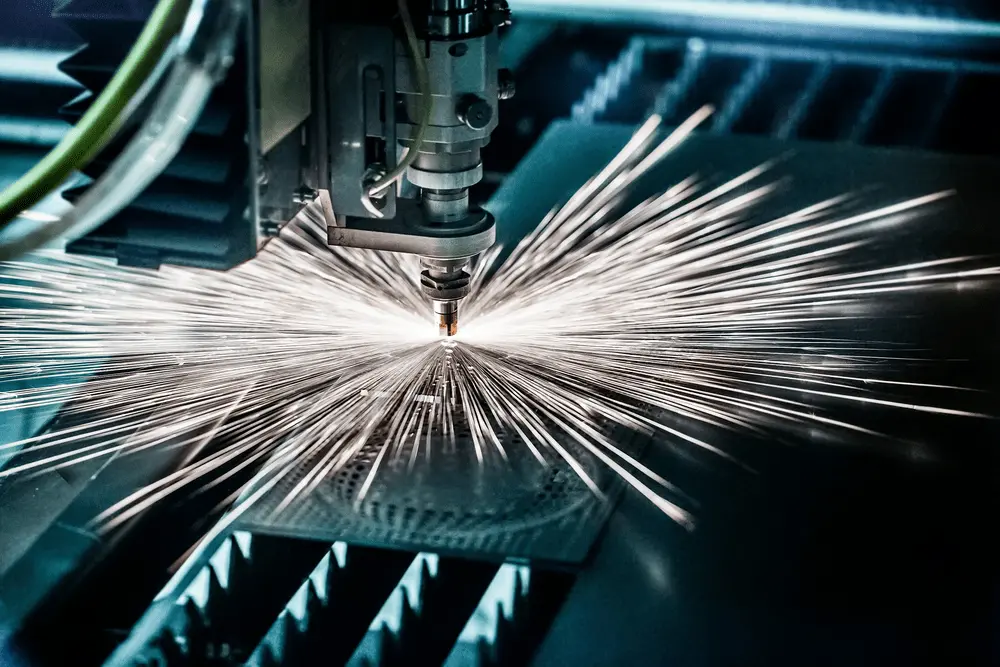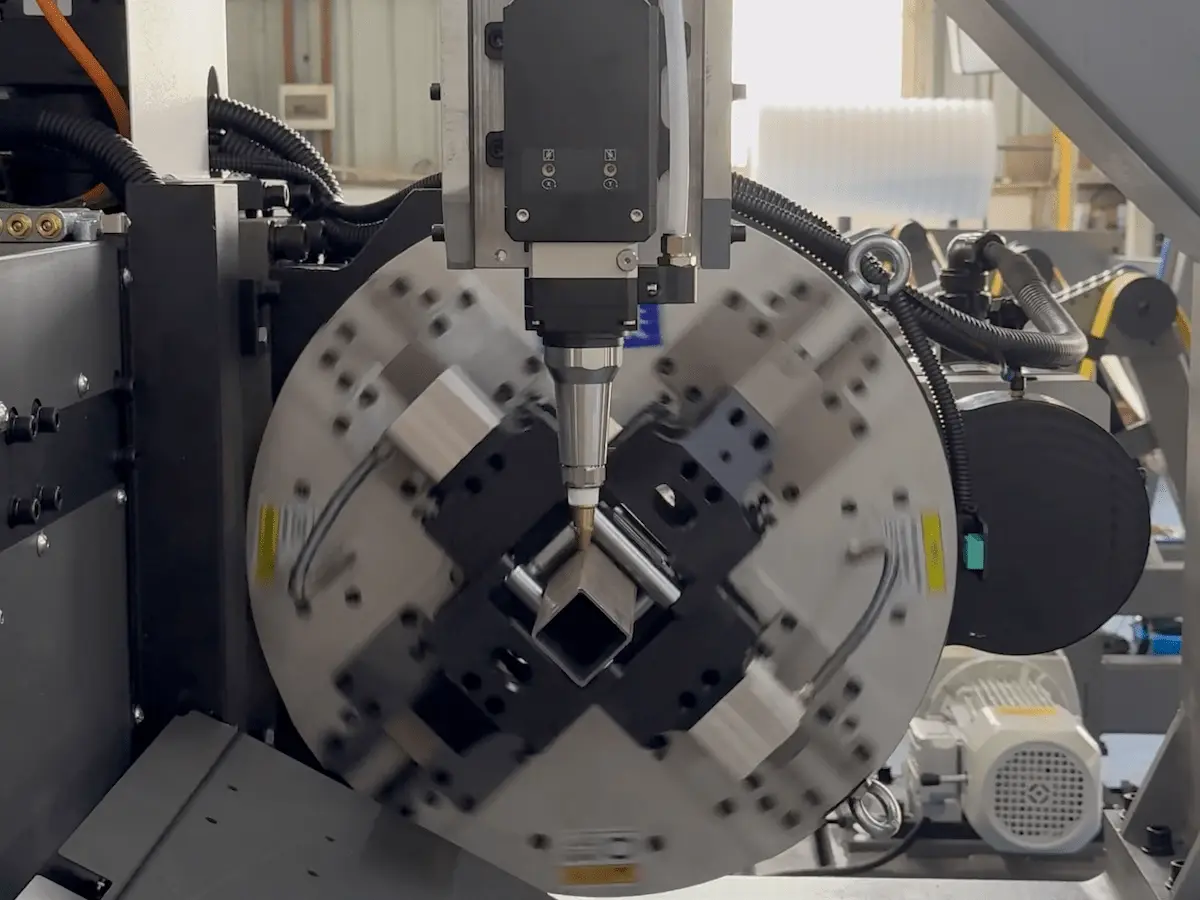












The automotive industry is constantly seeking technologies that enhance production efficiency, reduce costs, and improve vehicle performance. Among the many advanced manufacturing techniques available, laser welding in the automotive industry has become one of the most essential. Its precision, high speed, and ability to create strong and reliable joints make it invaluable in modern vehicle production. From lightweight body structures to safety-critical components, laser welding is shaping the future of automotive engineering.
Body-in-White (BIW) Assembly
One of the most significant applications of laser welding in the automotive industry is in the body-in-white (BIW) stage, where a vehicle’s structural frame is assembled. Laser welding allows manufacturers to join thin sheets of steel or aluminum with minimal distortion, enabling lighter and stronger vehicle bodies. This contributes directly to improved fuel efficiency and better crash performance.
Powertrain Components
Laser welding is also widely used in the production of engines, transmissions, and driveline systems. For example, it is used to weld gears, shafts, and camshaft assemblies where precision and durability are critical. The low heat input and narrow Heat-Affected Zone (HAZ) help maintain the mechanical integrity of the components, ensuring long service life under high stress conditions.
Battery and Electric Vehicle (EV) Manufacturing
As the automotive industry shifts toward electrification, laser welding plays a pivotal role in battery pack assembly and electric motor production. High-precision welding is required for joining battery tabs, busbars, and connectors, ensuring reliable electrical conductivity and safety. For electric motors, laser welding is used to join copper and aluminum components, where speed and accuracy are essential for mass production.
Exhaust Systems and Fuel Injection
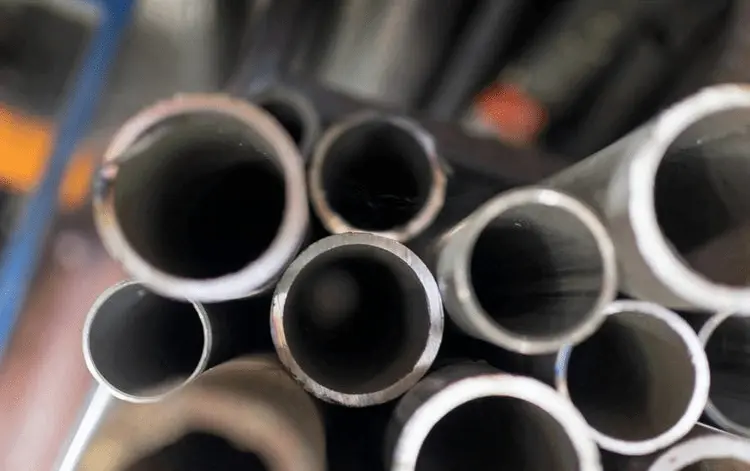
Another key application is in exhaust system manufacturing, where stainless steel pipes and catalytic converters are welded. Laser welding provides leak-tight joints with excellent corrosion resistance. Similarly, in fuel injection systems, laser welding ensures precision sealing of small components, which is critical for maintaining engine efficiency and reducing emissions.
Safety-Critical Parts
In modern vehicles, safety is paramount. Laser welding is extensively applied in airbag inflators, seatbelt components, and sensor housings. These parts require joints with high mechanical strength and reliability, as even the smallest defect can compromise passenger safety. The non-contact nature of laser welding ensures consistent quality without introducing contaminants into the weld area.
Advantages Driving Adoption
The reasons why laser welding is becoming standard in the automotive industry include:
- High Speed:Ideal for mass production on automotive assembly lines.
- Precision and Flexibility:Suitable for complex geometries and thin materials.
- Minimal Distortion:Allows for the use of lightweight metals without compromising strength.
- Automation Compatibility:Seamlessly integrates with robotic systems, enabling consistent, high-volume manufacturing.
Looking Ahead
With the rise of electric vehicles and lightweight materials, the role of laser welding in the automotive industry will only continue to expand. Advances in hybrid welding techniques, fiber lasers, and real-time monitoring systems promise even greater efficiency and reliability. As automakers push toward higher sustainability and performance standards, laser welding will remain a cornerstone of automotive manufacturing innovation.