パイプベンダー機械とは何ですか?
パイプベンダー機械は、パイプやチューブを所望の形状や角度に曲げるために使用される専門的な工具です。これらの機械は、障害物を回避したり複雑な配管システムを作成したりするために正確な曲げが必要とされる、配管、自動車、建設などのさまざまな業界で不可欠です。.
パイプベンダー機械はどのように機能しますか?
パイプベンダー機械は、金属パイプやチューブに力を加えて、特定の形状や角度に曲げることによって動作します。このプロセスには通常、いくつかの主要なステップが含まれます:
準備: オペレーターは、所望の角度と半径に基づいて適切な曲げダイを選択し、機械を作動させます。.
クランプ: パイプは、曲げプロセス中の動きを防ぐためにしっかりとクランプされます。.
平坦化: 初期圧力が加えられてパイプをわずかに平坦化し、曲げやすくする変形ゾーンを作成します。.
曲げ: 機械はパイプに力を加え、曲げダイの周りに湾曲させます。これは、機械の種類に応じて油圧システムまたは電動モーターを通じて制御されます。.
解放: 所望の曲げが達成されたら、圧力が解放され、クランプが開かれ、曲げられたパイプを取り外すことができます。.
パイプ曲げ機械の主な種類は何ですか?
パイプ曲げ機械の主な種類は、その操作と用途に基づいて分類できます。主な種類は次のとおりです:
手動パイプベンダー:
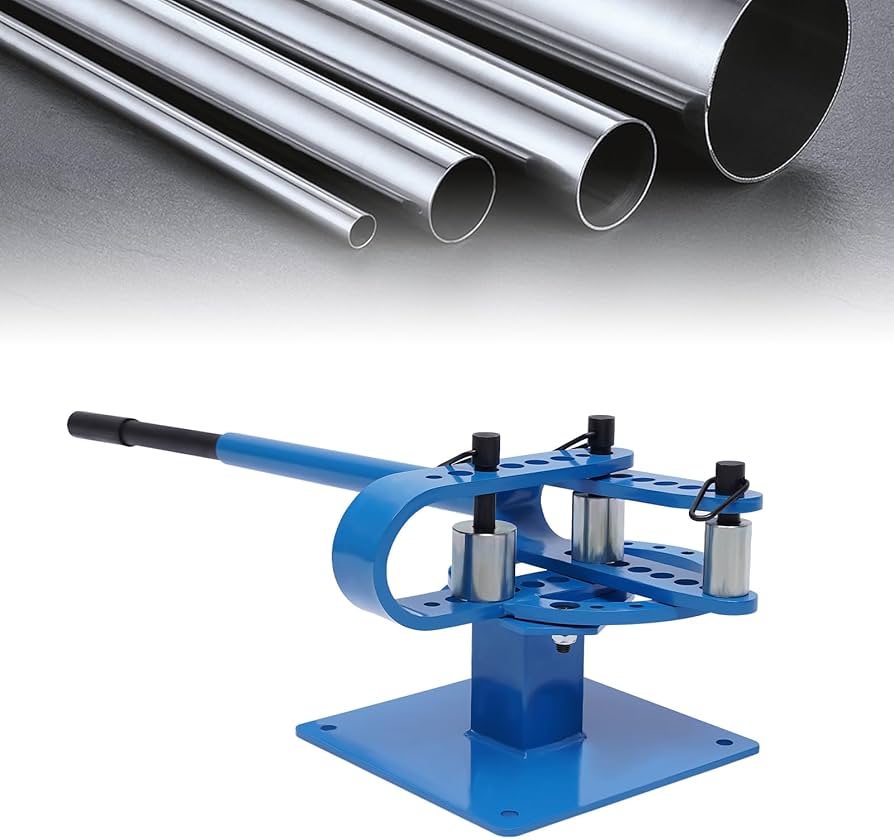
これらは最もシンプルで経済的な機械であり、手で操作されます。基本的な曲げを必要とする小規模なプロジェクトに適しています。.
油圧パイプベンダー:
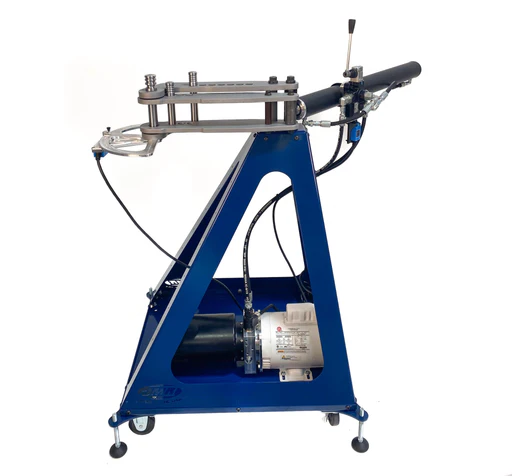
油圧を利用して、これらの機械はより大きく厚いパイプに正確な曲げを作成できます。効率性と複雑な形状を処理する能力で好まれています。.
電動パイプベンダー:
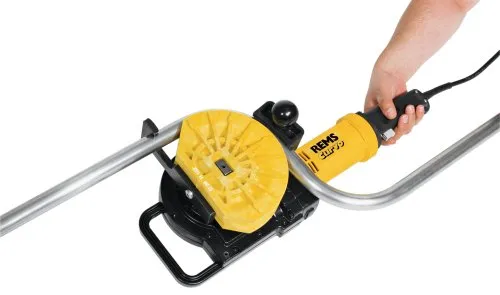
これらの機械は操作に電力を使用し、半自動の曲げプロセスを提供します。中径パイプやより複雑な曲げに理想的です。.
CNCパイプベンダー:
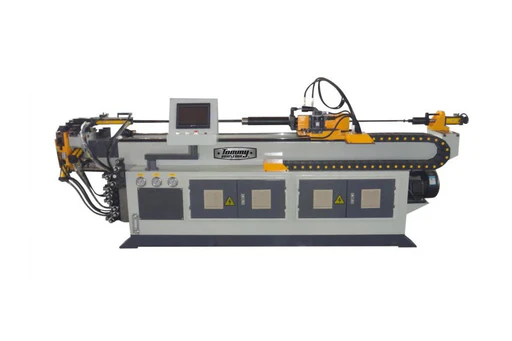
CNCチューブベンダー機械は、サーボモーターを使用して油圧駆動を置き換え、キャリッジの前後移動、傾斜角度の回転、エルボの曲げ、補助送りと後退、および機械ヘッドの昇降を個別に制御できます。クランプ、焼きなまし、コア送り、押し出しは依然として油圧駆動で行われますが、CNCチューブベンダー機械はより高い精度と効率を提供します。.
空気圧パイプベンダー:
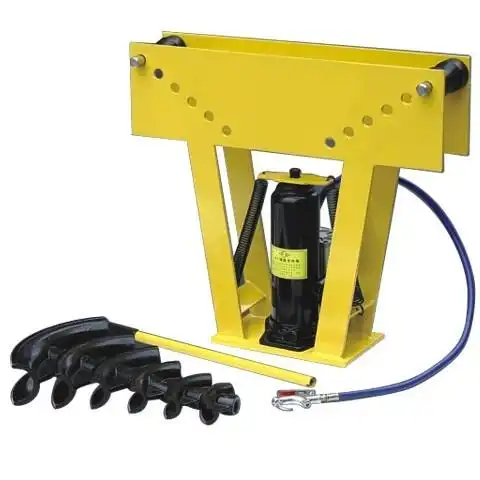
これらは圧縮空気を使用して動作し、油圧ベンダーと同様の利点を提供しますが、多くの場合より低コストです。.
ロール曲げ機械:
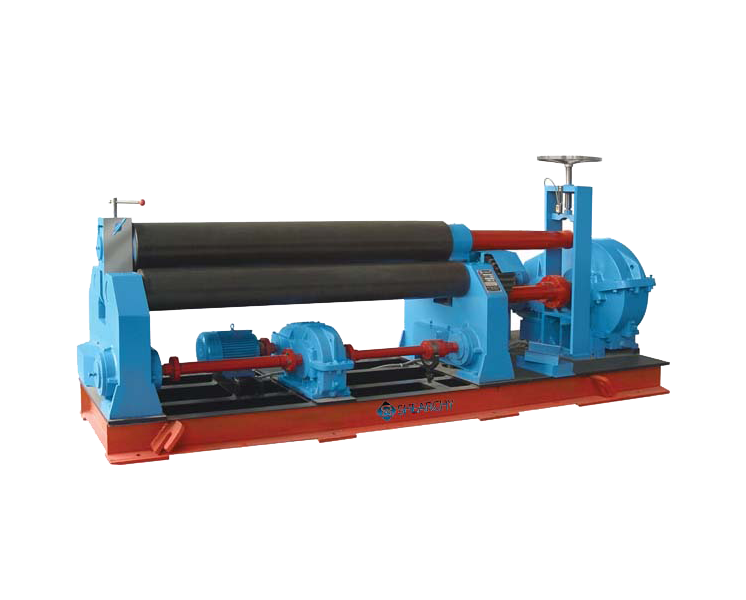
大半径の曲げ用に設計されており、これらの機械はさまざまなプロファイルを処理でき、建設やエンジニアリング用途で一般的に使用されます。.
各タイプのパイプ曲げ機械には利点があり、パイプの材質、直径、必要な曲げの複雑さなどの要因に応じて、さまざまな用途に適しています。
パイプ曲げ機械の用途は何ですか?
自動車産業: パイプ曲げ機械は、排気管、燃料ライン、冷却システムのダクトなどの部品を製造するために広く使用されています。これらは、車両の性能と安全性に必要な精度を保証します。
航空宇宙産業: 航空宇宙分野では、これらの機械は航空機や衛星の燃料パイプや構造要素などの重要な部品を製造します。ここでは安全基準を維持するために精度が不可欠です。
建設: パイプ曲げは、空調ダクト、給水ライン、構造支持体を作成するために重要です。これらの機械は、現代建築で必要とされる複雑な形状の効率的な生産を可能にします。
石油およびガス: この業界は、石油、ガス、その他の流体を輸送するパイプラインのチューブ曲げに依存しています。曲げ機械は、これらのシステムに必要な複雑なレイアウトの作成を容易にします。
HVACシステム: ベンダーは、建物の設計に適合する特定の曲げを必要とするダクトワークや配管システムを製作するために使用され、暖房および冷房システムの効率を向上させます。
家庭用電化製品: 冷蔵庫などの家電製品の製造では、チューブ曲げ機械が機能に不可欠な冷却パイプを作成します。
パイプベンダー機械はどのような種類のパイプを曲げることができますか?
鋼管: 建設や製造で一般的に使用される鋼管は、油圧または機械式ベンダーを使用して曲げることができ、構造用途に適しています。.
ステンレス鋼管: 耐久性と耐腐食性で知られるステンレス鋼管は、特に高い材料性能を必要とする業界で、冷間または熱間曲げ技術を使用して曲げられることがよくあります。.
アルミニウムパイプ: 軽量で加工が容易なアルミニウムパイプは、自動車や航空宇宙用途で一般的に曲げられます。さまざまな曲げ機械を使用して処理できます。.
銅パイプ: Frequently used in plumbing and refrigeration, copper pipes can be bent easily with manual or hydraulic benders, allowing for efficient installation around obstacles.
PVC Pipes: While typically not as common for traditional bending, specialized PVC pipe benders can create curves in plastic piping used in irrigation and drainage systems.
Carbon Steel Pipes: These are often used in oil and gas applications and can be bent with hydraulic machines to create complex shapes needed for piping systems.
Conduit Pipes: Used primarily for electrical wiring, conduit pipes can be bent using manual or electric pipe benders to navigate around structures without creating joints.
How to Choose the Right Pipe Bender Machine?
Evaluate Production Requirements
Determine the range of pipe diameters you need to work with
Consider that each pipe bender machine has its parameter limitations
Assess your production volume and frequency of use
Define Key Technical Parameters
a) Material Types to be Bent:
Steel pipes
Stainless steel pipes
Aluminum pipes
Copper pipes
PVC pipes
Carbon steel pipes
Conduit pipes
b) Pipe Specifications:
Cross-section type (round, square, angle iron)
Outer diameter
Wall thickness
Bending radius (measured at pipe center)
Consult with Manufacturers
Provide all specified parameters to the supplier
Get professional recommendations on suitable models
Compare different machine capabilities
Consider Machine Capabilities
Check maximum and minimum pipe sizes
Verify compatibility with your required materials
Ensure the bending radius meets your specifications
Confirm the machine can handle your pipe cross-sections
Additional Considerations
Machine type (manual, hydraulic, or CNC)
Space requirements
Operating requirements
Maintenance needs
How to use the pipe bender machine?
1. Preparation
Choose the appropriate tube bending machine model and mold based on the tube’s material, diameter, and bending requirements. Verify that the bending machine is in proper working condition. Clean the tube’s surface to remove any oil, rust, or other contaminants.
2. Tube Clamping
Accurately position the tube in the bending machine’s clamp, ensuring it is securely fastened and precisely aligned.
3. Parameter Settings
Configure the bending speed, force, and other parameters according to the tube specifications and required bending angle.
4. Bending Operation
Start the bending machine and proceed with the bending slowly, while closely monitoring the tube’s deformation. Adjust the feed speed during the process to prevent issues such as wrinkling or cracking.
5. Quality Inspection
Upon completion of the bending, inspect the angle, roundness, and surface quality to ensure they meet the specified standards. If any discrepancies are found, identify the cause and make necessary adjustments before re-bending.
6. Post-Processing
Clean and finish the tubes that meet the bending criteria as needed.
Common Tube Bending Machine Faults and Repair Methods
Fault 1: Inaccurate Bending Angle
Repair Methods:
– Verify the CNC program settings and correct the parameters if necessary.
– Check if the sensors are functioning properly; replace any damaged sensors.
– Inspect the mechanical transmission components for looseness or wear and tighten or replace parts as needed.
Fault 2: Abnormal Noise During Operation
Repair Methods:
– Check if any components are loose and tighten the relevant screws.
– Inspect the lubrication of transmission components and add or replace lubricant if needed.
– Ensure no foreign objects are obstructing the machine structure; clear any obstructions.
Fault 3: Hydraulic System Malfunction
Repair Methods:
– Check the hydraulic oil level and refill or replace it as necessary.
– Inspect the oil pipes for leaks and repair or replace them if found.
– Verify the operation of hydraulic valves and other components; repair or replace them if needed.
Fault 4: Display Screen or Control System Issues
Repair Methods:
– Ensure the electrical connections are secure; reseat any cables if necessary.
– Reset or restart the control system.
– If the issue persists, professional inspection or control board replacement may be required.
Fault 5: Wrinkles or Deformation in Bent Tubes
Repair Methods:
– Adjust the bending parameters, such as speed and pressure.
– Check the molds for wear or damage and repair or replace them as needed.
Safety Issues During Tube Bending Machine Operation
1. Operator Training
Ensure operators receive professional training and are familiar with the machine’s operation procedures and safety regulations.
2. Protective Devices
Inspect and ensure protective guards and covers are intact to prevent contact with moving parts.
3. Workpiece Securing
Ensure tubes or other workpieces are securely fastened to the bending machine to prevent them from coming loose during processing.
4. Operating Space
Keep the operating area clean and free of obstructions to avoid tripping or collisions during operation.
5. Emergency Stop Button
Make the location of the emergency stop button known for quick access in case of an abnormal situation.
6. Electrical Safety
Regularly inspect electrical wiring to prevent issues such as leakage or short circuits.
7. Mold Inspection
Regularly check and maintain molds to ensure they are free from damage or looseness, preventing accidents during use.
8. Noise Protection
When working in a high-noise environment for extended periods, use earplugs or other ear protection.
9. Prohibit Unauthorized Operations
Strictly follow operating procedures and avoid risky or non-compliant actions.
10. Equipment Maintenance
Regularly maintain and service the bending machine to promptly identify and address potential safety hazards.