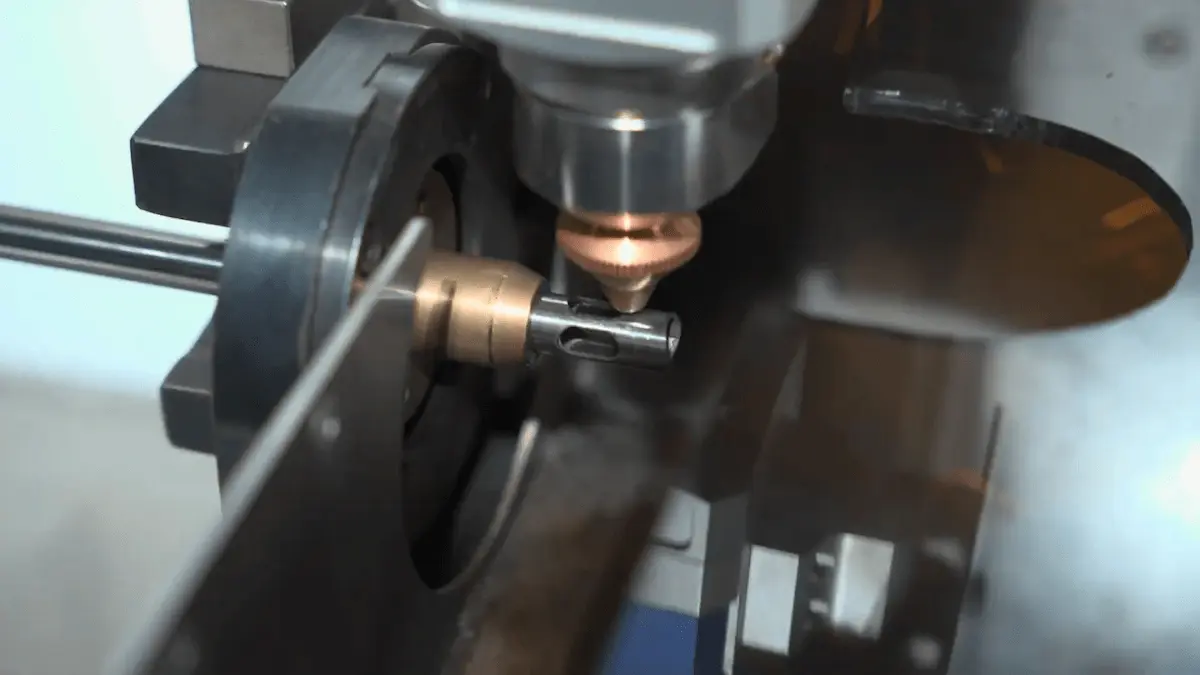
과도한 지출 없이 완벽한 레이저 절단기 찾기
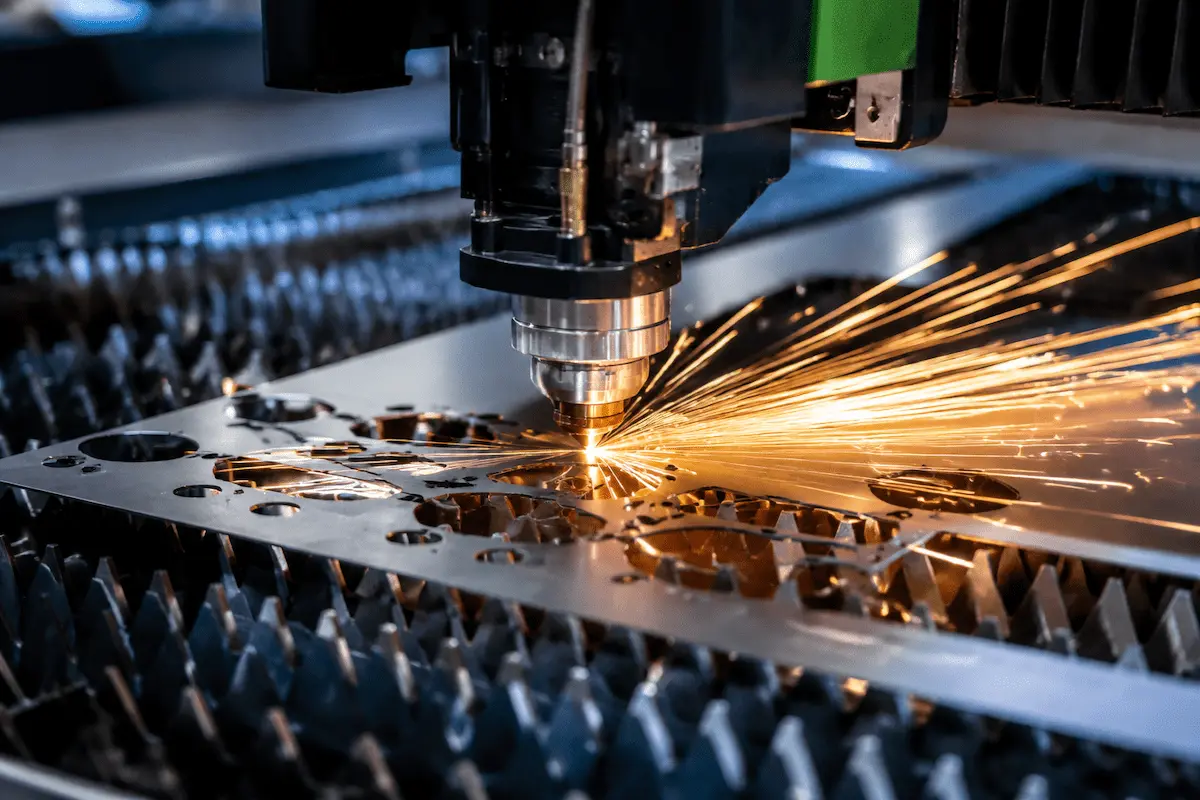
레이저 절단기 가격은 레이저 유형, 출력, 기능에 따라 크게 달라집니다. 취미용 다이오드 레이저나 데스크톱형 CO₂ 레이저 커터는 수백 달러에서 수천 달러 수준인 반면, 산업용 금속 절단 시스템(특히 고출력 파이버 레이저)은 수만 달러에서 많게는 수십만 달러에 이르기도 합니다.
예를 들어, 소형 다이오드 또는 CO₂ 기반 데스크톱 절단기는 약 $300~$2,000에서 시작하는 반면, 두꺼운 판금 작업용 파이버 레이저 절단기는 일반적으로 $20,000 이상에서 시작합니다.
일반적으로 파이버 레이저는 와트당 가격이 가장 높고, CO₂ 레이저는 중간 수준이며, 다이오드 레이저가 가장 저렴한 유형입니다.

그림: 세계 레이저 절단기 시장은 빠르게 성장하고 있습니다(2033년까지 $132.3B로 예상)scoop.market.us), 이는 광범위한 산업 수요를 반영합니다. 이 확장되는 시장에서 구매자에게 가격은 여전히 핵심 고려 사항입니다.
레이저 유형 및 가격대(USD)
| 유형 | 출력 범위 | 주요 응용 분야 | 가격대 | 최적의 |
|---|---|---|---|---|
| 섬유 | 500W – 12kW+ | 금속(강철, 알루미늄, 구리) | 20,000원 – 500,000원 | 자동차, 항공우주 |
| 이산화탄소 | 40W – 6kW | 목재, 아크릴, 직물, 얇은 금속 | 500원 – 100,000원 | 간판, 공예, 교육 |
| 다이오드 | 5W – 100W | 종이, 가죽, 얇은 플라스틱 | 300원 – 4,000원 | 취미용, 프로토타입 |
*(출처: Alibaba, Thomasnet 및 업계 보고서를 포함한 120개 이상의 B2B 플랫폼에서 집계)*
주요 비용 결정 요인
(1) 레이저 출력
- 파이버 레이저: kW당 +$8,000 – $12,000
- CO₂ 레이저: 100W당 +$1,500 (1kW 이상)
(2) 자동화 및 통합
- 기본 수동 로딩: $0 추가 비용
- 다음과 같은 기능들 자동 로딩/언로딩, 네스팅 소프트웨어, 원격 모니터링, 및 타워 내 부품 관리 기능은 비용을 크게 증가시킵니다. 일반적으로 $20k~$100k+, 시스템 복잡성에 따라 달라집니다.
(3) 작업 영역 크기
- 표준 1.5×3m 기계 비용은 약 $20,000~$50,000.
- 3×6m로 업그레이드하면 가격이 추가되어 40–70% 에 도달합니다. $35,000~$85,000.
(4) 절단 유형: 평판 대 튜브
- 튜브 절단기는 일반적으로 평판 절단기보다 더 비쌉니다. 그 이유는 회전축, 특수 척및 다축 제어.
- 이러한 추가 기능은 기계적 복잡성과 정밀도 요구 사항을 증가시켜 일반적으로 추가 비용이 발생합니다. 20–50% to the base price compared to equivalent plate cutters.
(5) Laser Source Brand & Quality
- Premium fiber sources (e.g., IPG, nLIGHT) offer better efficiency, lifespan, and stability—but cost more than common budget options like Raycus or Max Photonics
(6) Brand Reputation & Support
- stablished brands with extended warranties, global support, and reliable spare parts come at a premium—but pay off over time
Regional Price Benchmarks
| 지역 | Fiber 3kW (Avg.) | CO₂ 200W (Avg.) | Key Influences |
|---|---|---|---|
| North America | $68,000 – $90,000 | $12,000 – $18,000 | Strict certifications |
| Western Europe | €62,000 – €84,000 | €10,500 – €16,000 | Energy efficiency reqs |
| Southeast Asia | $42,000 – $58,000 | $8,000 – $12,000 | Shipping/tariff costs |
Hidden Costs Checklist
⚠️ Evaluate these before purchasing:
-
Energy Consumption: Fiber lasers cost $0.8/hr (3kW), CO₂ cost $2.5+/hr
-
Maintenance: Annual upkeep = 3-8% of machine price
-
Cutting Gas: Oxygen/Nitrogen systems add $5,000-$20,000
-
Training: Operator courses $800-$2,500
Buyer’s Decision Map

Procurement Tips
- Test Before Buy: 92% suppliers offer free sample cutting
- Warranty Matters: Opt for 24+ month coverage on laser source
- Shipping Savvy: Sea freight: $3k-$8k (40ft container) Air freight: 3x sea cost (emergency only)
- Proven ROI Formula: Break-Even Months = Machine Price ÷ [(Monthly Output Value) – (Labor+Energy+Gas)]
Common types of lasers used in laser cutting machines
(1). CO₂ Laser Cutting Machines
적용 분야: General-purpose cutting for signage, advertising, packaging, woodworking, and prototyping. Cuts wood, acrylic, glass, leather, paper, rubber, textiles, and plastics. Can handle non-ferrous metals and coated steel with oxygen assist.
Power Range: 40-150W for desktop units, 0.5-6kW for industrial systems. Hobbyist models: 40-150W. Large industrial systems: 2-3kW for metal sheets up to 12mm thick.
자료: Wood, plywood, MDF, acrylic, fabrics, leather, paper, cardboard, rubber, glass. Limited metal cutting capability with thin aluminum and mild steel using oxygen assist.
Price Range:
- Desktop/entry units: $1,000-$5,000
- Mid-range shop cutters: $10,000-$25,000
- Heavy-duty industrial: $50,000-$100,000+
Key Features: Lower upfront cost per watt, 5-10% power efficiency. Requires gas tube replacement and regular mirror alignment. Cuts steel up to 100mm with oxygen assist.

(2). Diode Laser Cutting Machines
적용 분야: Hobbyist and light-industrial engraving. Wood, leather, rubber, and thin plastic cutting. Portable laser marking, PCB marking, shallow metal engraving, and craft applications.
Power Range: 5-40W for desktop units. Industrial systems up to 100W (rare above 50W). Most common range: 30-40W for wood and acrylic cutting.
자료: Thin organics only: wood veneer, cardboard, leather, fabric, paper, thin plastics. Cannot effectively cut metal, glass, or thick acrylic. Limited to materials under 5mm thickness.
Price Range:
- Simple engravers: $300-$1,000 (2-5W)
- Mid-range benchtop: $1,500-$4,000 (20-40W)
- Largest systems: $5,000-$10,000
Key Features: Lowest cost and maintenance. No gas requirements, compact design, simple fan cooling. Requires multiple passes for cutting, sensitive to material color and focus. Unsuitable for thick materials or serious metal work.

(3). Fiber Laser Cutting Machines
적용 분야: Metal cutting for automotive, shipbuilding, machinery manufacturing, and aerospace industries. Cuts steel, stainless steel, aluminum, copper, brass, and titanium up to several centimeters thick. Also used for metal engraving and precision component manufacturing.
Power Range: 0.5 kW to 12 kW for industrial models. Small shop units: 500-2000W. Large-format systems: 6-12 kW for thick plate cutting.
자료: Optimized for metals, particularly reflective and high-strength alloys. Limited effectiveness on non-metals like plastics or wood.
Price Range:
- Entry-level: $20,000-$50,000
- Mid-range industrial: $80,000-$200,000
- High-end systems: $500,000+
Key Features: 90%+ electrical efficiency, 25,000+ hour laser lifetime, low operating costs. Higher upfront investment than CO₂ systems but superior performance on reflective metals.
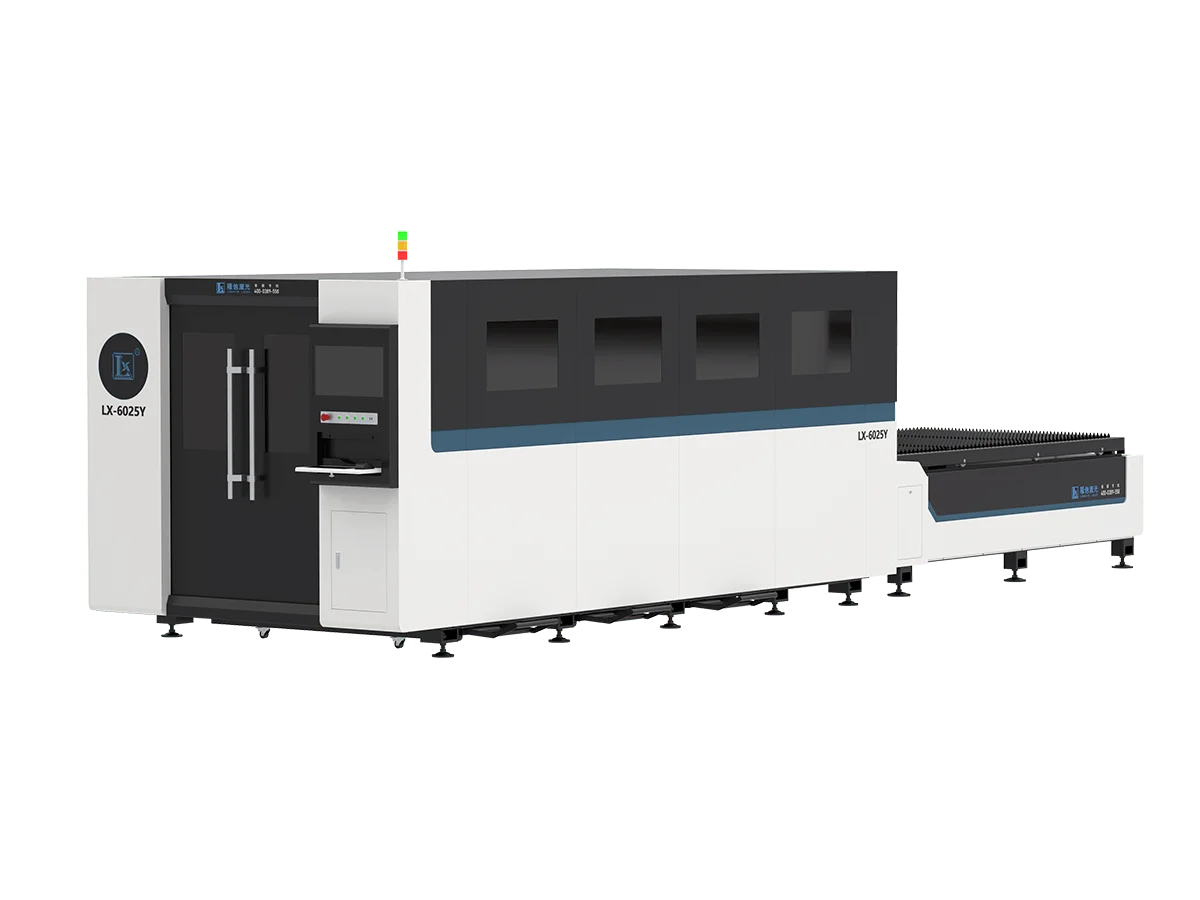
Fiber Laser Cutting Machines Types:
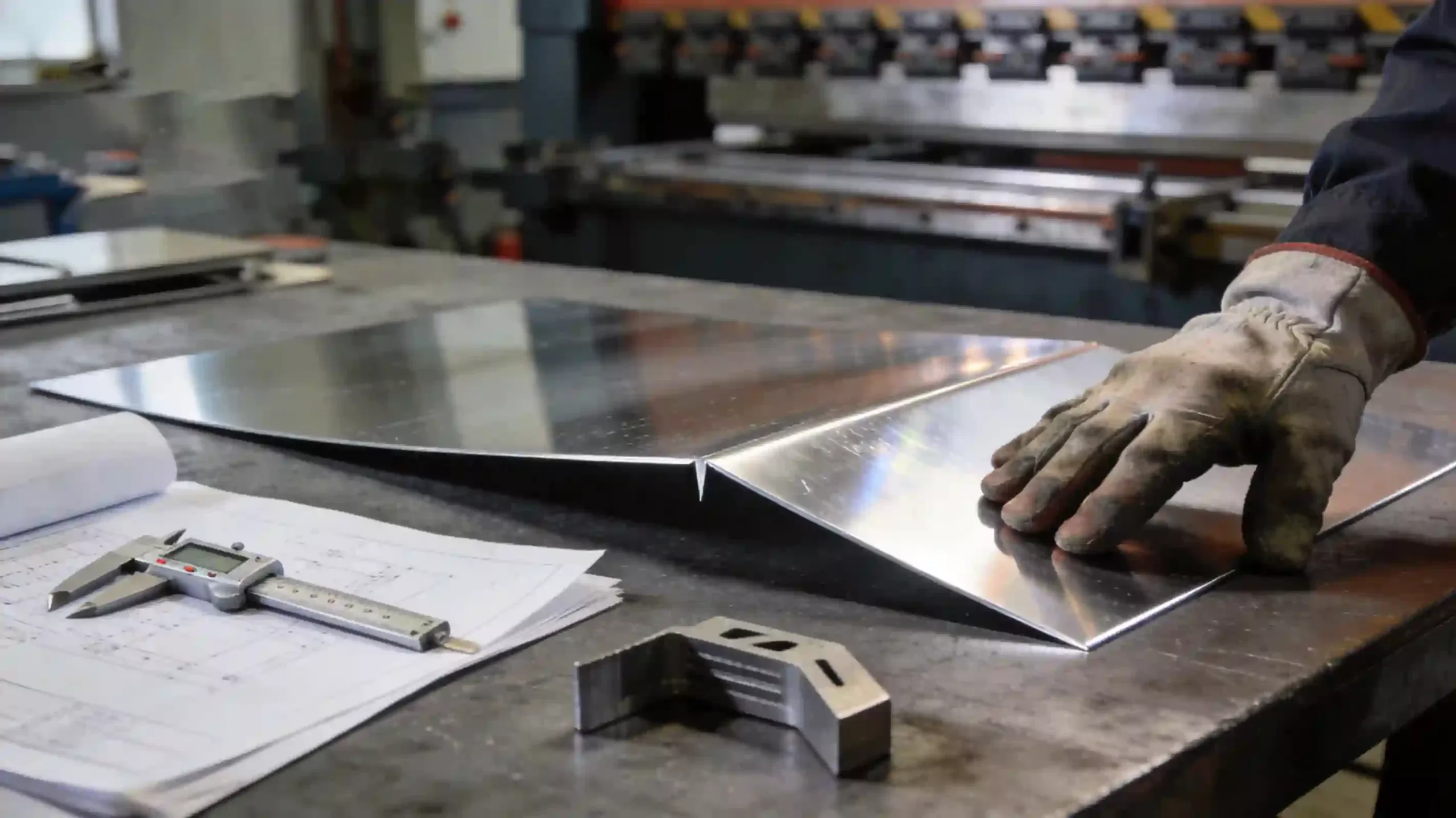
Fiber laser cutting machines fall into two main categories: sheet laser cutters 그리고 tube laser cutters. Each serves distinct applications with different power requirements and pricing structures.
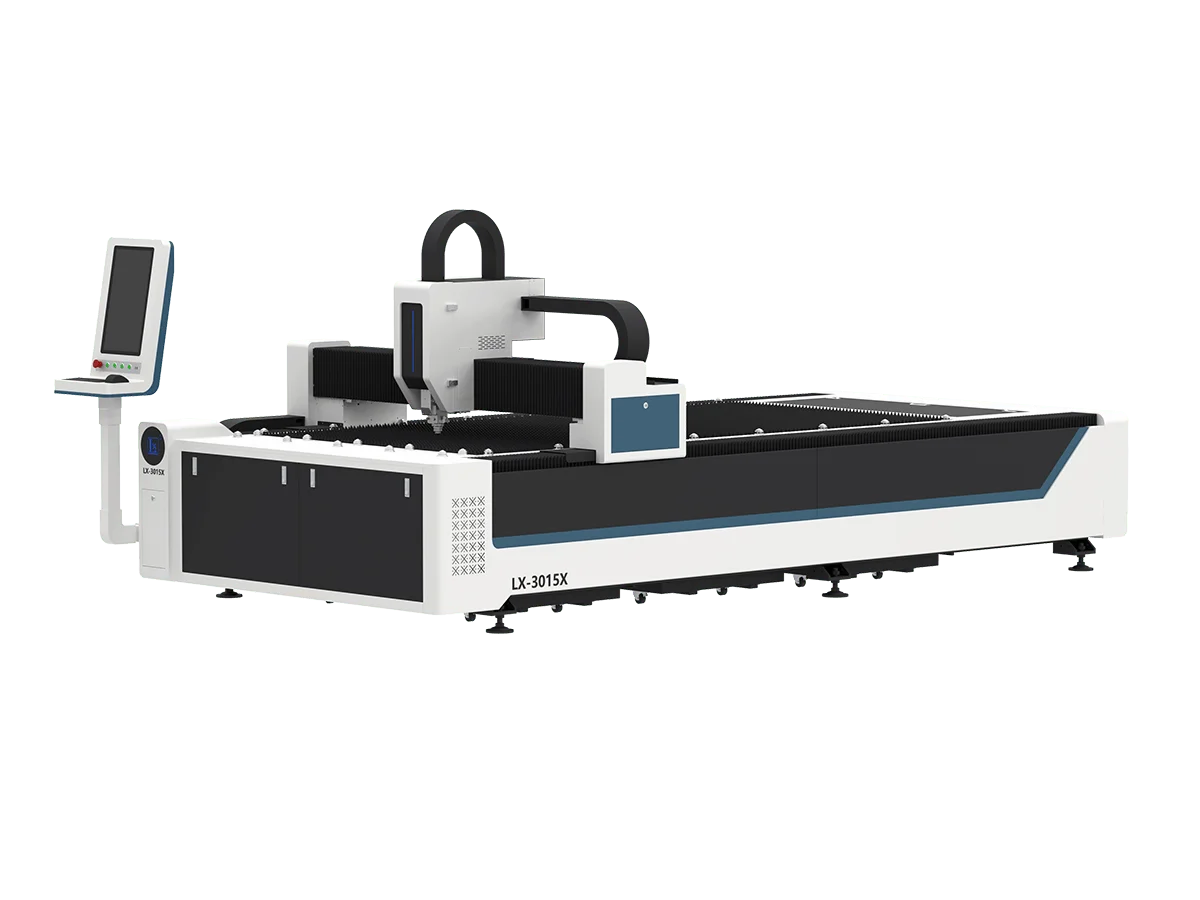
(1). Sheet Laser Cutting Machines
- 적용 분야: Cut flat metal sheets including steel, stainless steel, and aluminum. Used in manufacturing, metal fabrication, automotive panels, and electronic enclosures
- Power Range: 1-6kW standard, up to 12kW for heavy plate cutting
- 가격대:
- Entry-level: $15,000-$50,000
- Mid-range: $50,000-$150,000
- Industrial: $150,000-$300,000+
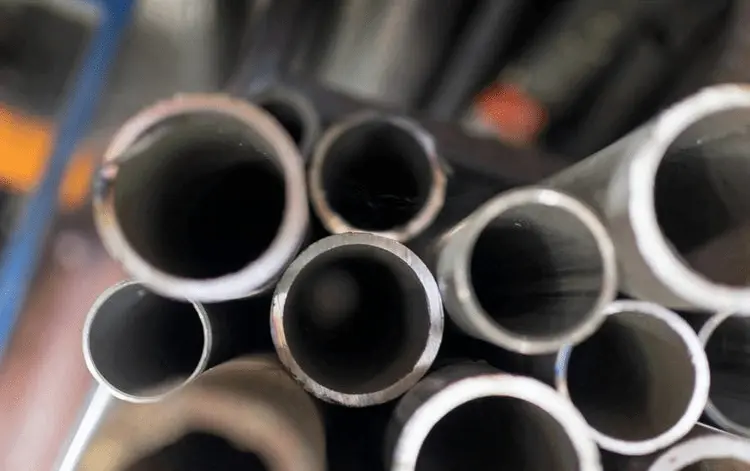
(2). Tube Laser Cutting Machines
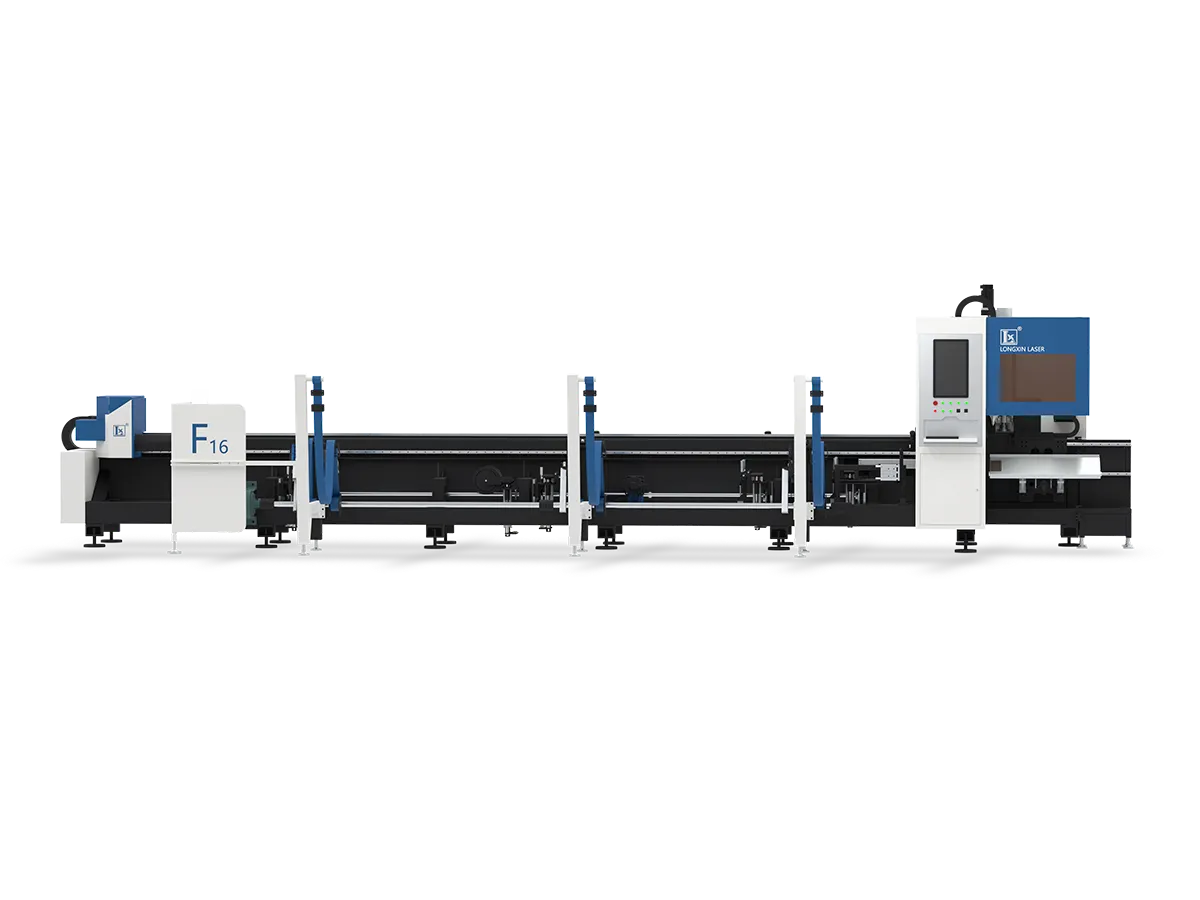
- 적용 분야: Cut round, square, and rectangular tubes plus various profiles. Common in furniture frames, exhaust systems, and structural components
- Power Range: 1-4kW mainstream, premium systems exceed 6kW
- 가격대:
- Entry-level: $30,000-$45,000
- Mainstream: $45,000-$100,000
- Premium: $100,000-$400,000+
Selection Guide
Sheet cutters work best for businesses processing flat metal plates. Power requirements typically range 1-6kW with investments from $15,000 to $300,000+. Tube cutters target pipe and profile work, using 1-4kW power with pricing starting at $30,000 and reaching $400,000+ for advanced automation.
Tube cutters cost more at entry level due to complex fixtures and rotation systems needed for cylindrical cutting. Price variations depend on cutting diameter capacity, axis complexity, and automation features.
요약
Laser cutter costs span from a few hundred dollars up to hundreds of thousands, depending on type and power.
Diode lasers are cheapest (hundreds to low thousands USD) and suit hobby/entry-level cutting of thin non-metals.
CO₂ lasers cover a broad mid-range: small CO₂ cutters (~40–150 W) cost a few thousand USD, while industrial CO₂ systems (1–6 kW) cost tens of thousands.
Fiber lasers command the highest prices: even compact units start tens of thousands, and full-scale metal-cutting systems (several kW) can run $100k or more.
Buyers should match the machine type and power to their materials (fibers for thick metals, CO₂ for non-metals and some metals, diode for light-duty) and weigh features like worktable size and automation.