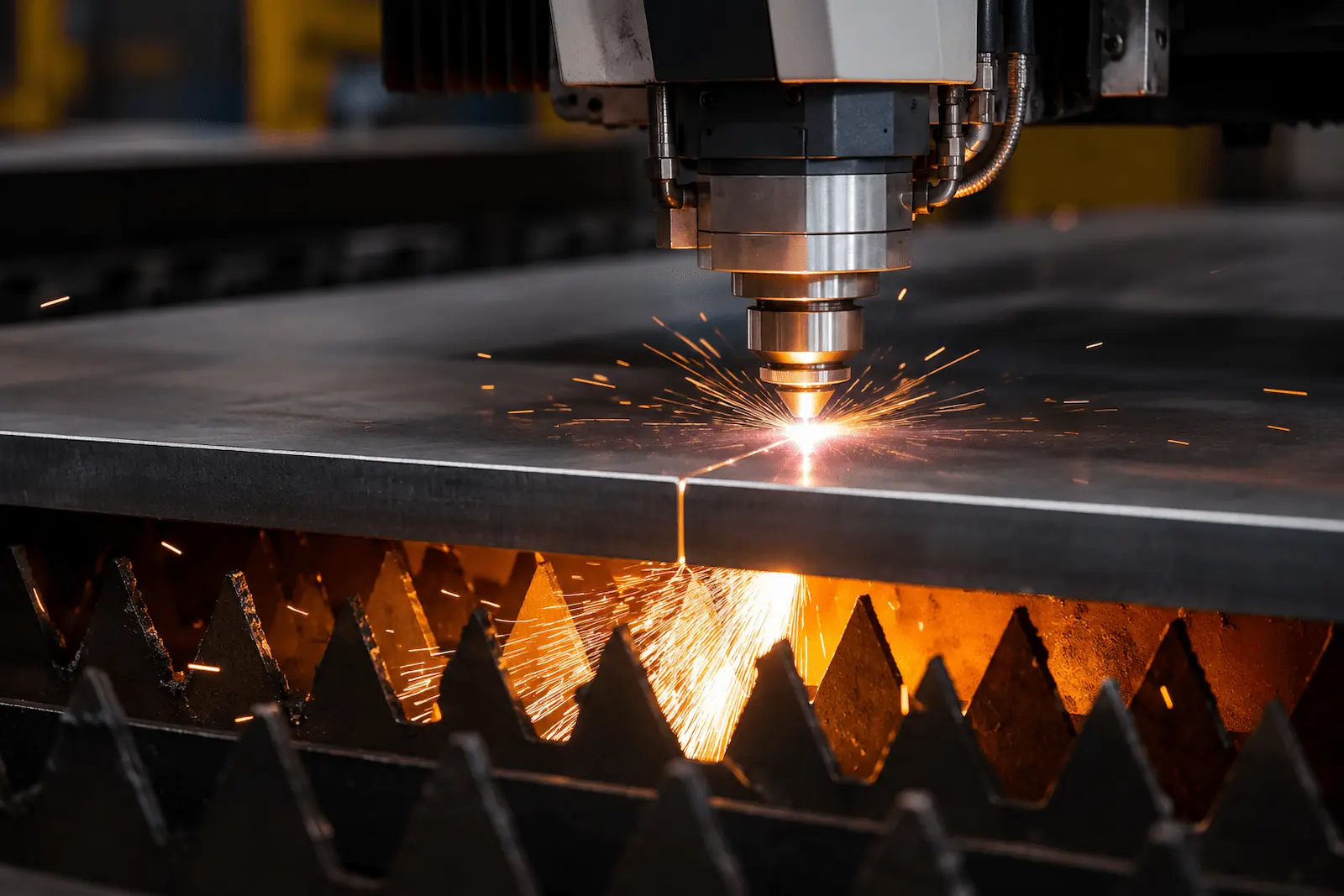
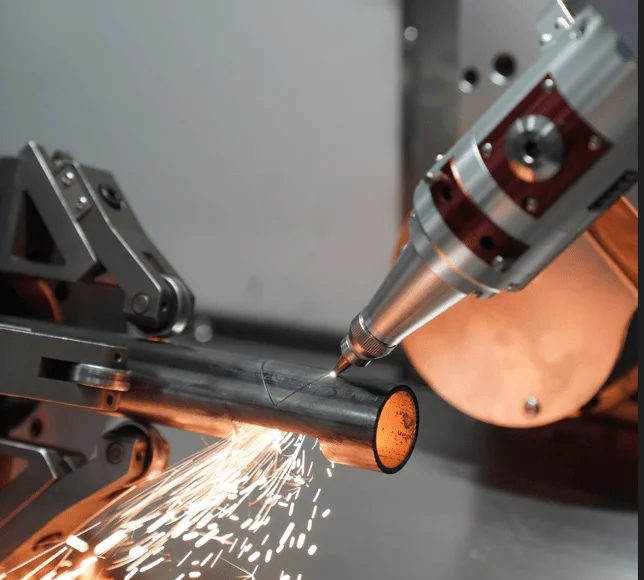
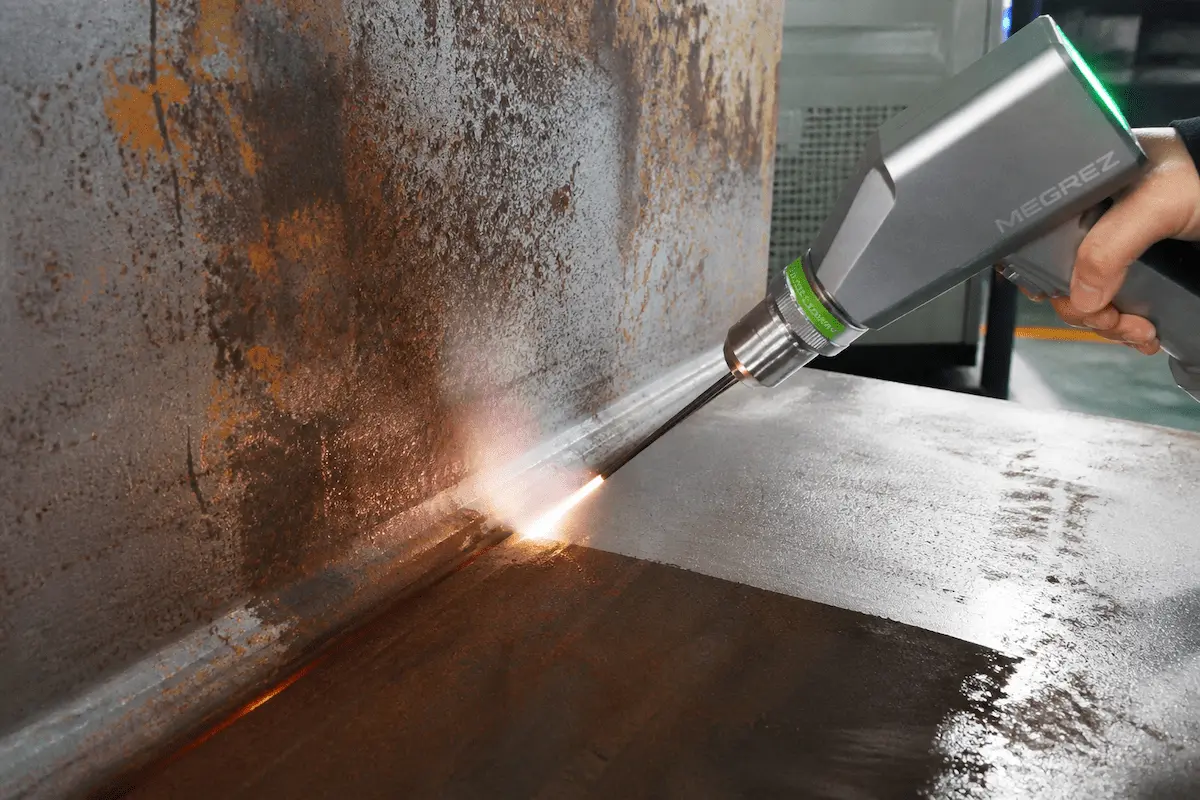
Dnešní projekty řezání trubek, od kutilských instalací po průmyslovou výrobu, vyžadují specifické nástroje podle materiálu trubky, průměru, tloušťky stěny a pracovního prostředí. Od tradičních ručních nástrojů po pokročilé laserové systémy tento průvodce porovnává osm účinných nástrojů pro řezání trubek, aby vám pomohl učinit informované rozhodnutí pro vaše konkrétní potřeby.
8 nejlepších nástrojů pro řezání ocelových trubek
I. Laserový stroj na řezání ocelových trubek
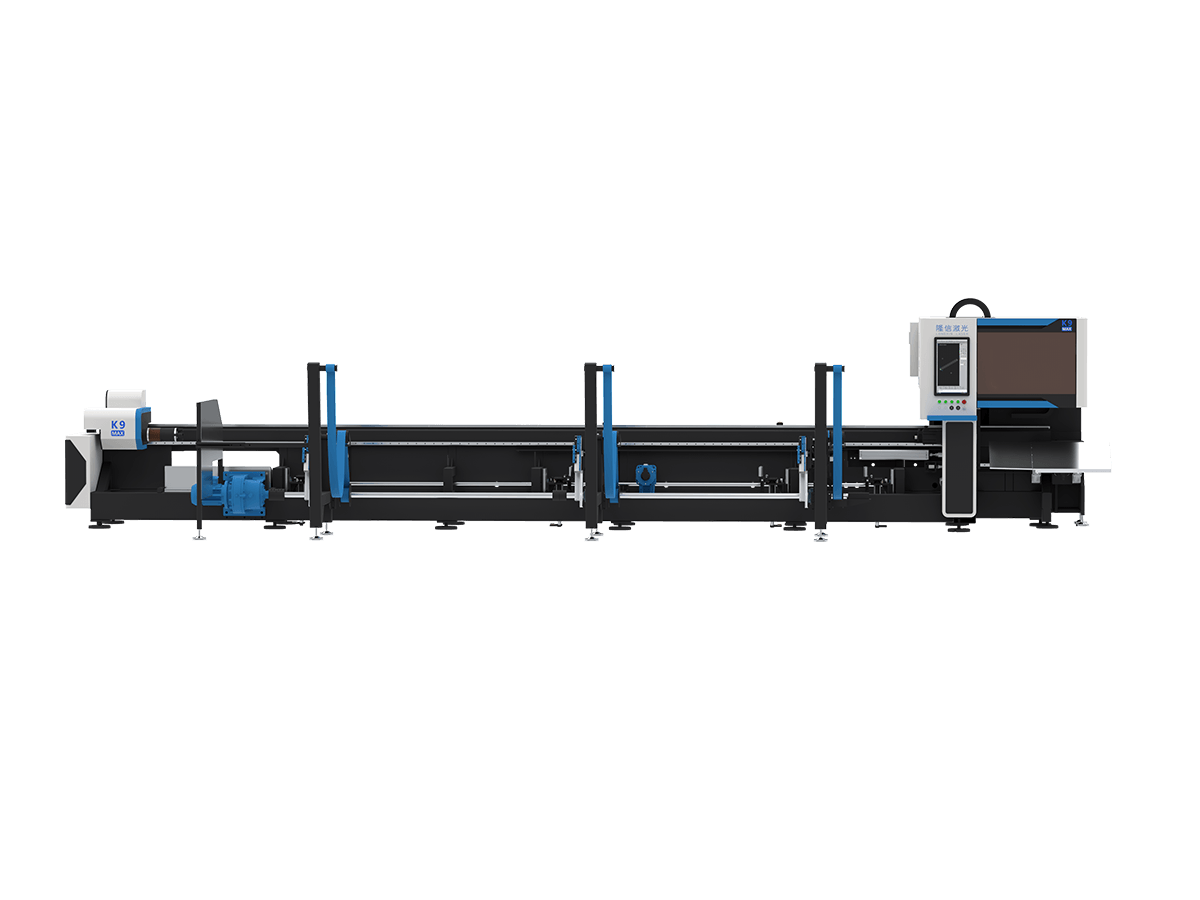
Moderní laserová technologie řezání představuje vrchol přesných řešení pro řezání trubek. Tyto sofistikované stroje využívají vysoce výkonné laserové paprsky řízené počítačovými numerickými systémy (CNC) k dosažení bezkonkurenční přesnosti a účinnosti při operacích řezání trubek.
Výhody:
- Ultra-přesné řezání s minimálním odpadem materiálu
- Výjimečná rychlost řezání pro velkoobjemovou výrobu
- Schopnost provádět složité řezy a složité návrhy
- Čisté hrany bez otřepů vyžadující minimální následné zpracování
- Automatizovaný provoz snižující náklady na práci
- Ekologicky šetrné s minimální tvorbou odpadu
- Konzistentní kvalita napříč velkými výrobními sériemi
Nevýhody:
- Vyžaduje značnou počáteční investici
- Vyžaduje specializované technické znalosti
- Nutná pravidelná údržba a kalibrace
- Velké prostorové nároky pro instalaci
Nejlepší aplikace:
- Velkoplošná průmyslová výroba
- Zařízení pro hromadnou výrobu
- Složité projekty výroby trubek
- Výroba vysoce přesných součástí
II. Kovová pásová pila
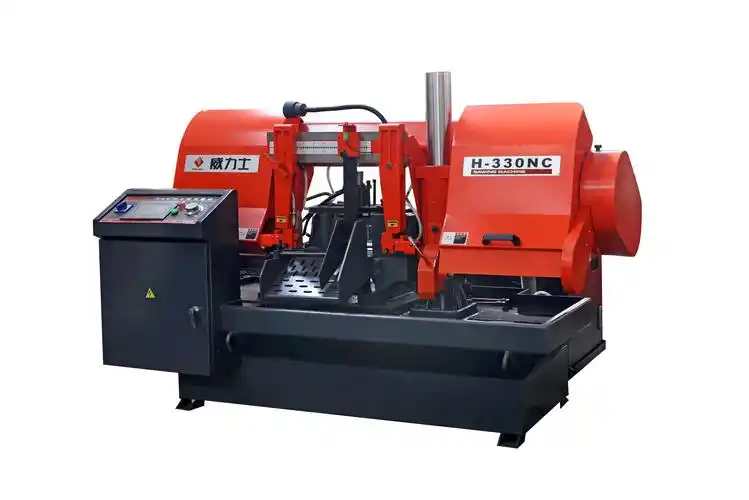
Kovová pásová pila představuje základní průmyslové řešení, nabízející rovnováhu mezi přesností a účinností. Tyto stroje používají souvislý kovový pásový kotouč k řezání ocelových trubek.
Výhody:
- Dokáže řezat až šest trubek současně
- Poskytuje čisté, rovné řezy s minimálními otřepy
- Vhodné pro projekty všech velikostí
- Relativně tichý provoz
- Není vyžadováno mazivo pro kotouč
- Vynikající pro velkoobjemovou výrobu
Nevýhody:
- Vyžaduje vyhrazený prostor pro stacionární modely
- Nelze provádět řezy na již postavených konstrukcích
- Počáteční náklady vyšší než u ručních nástrojů
- Omezeno pouze na rovné řezy
Nejlepší aplikace:
- Výrobní zařízení
- Dílny na zpracování kovů
- Příprava stavebních materiálů
- Průmyslová výroba
III. Studená pila
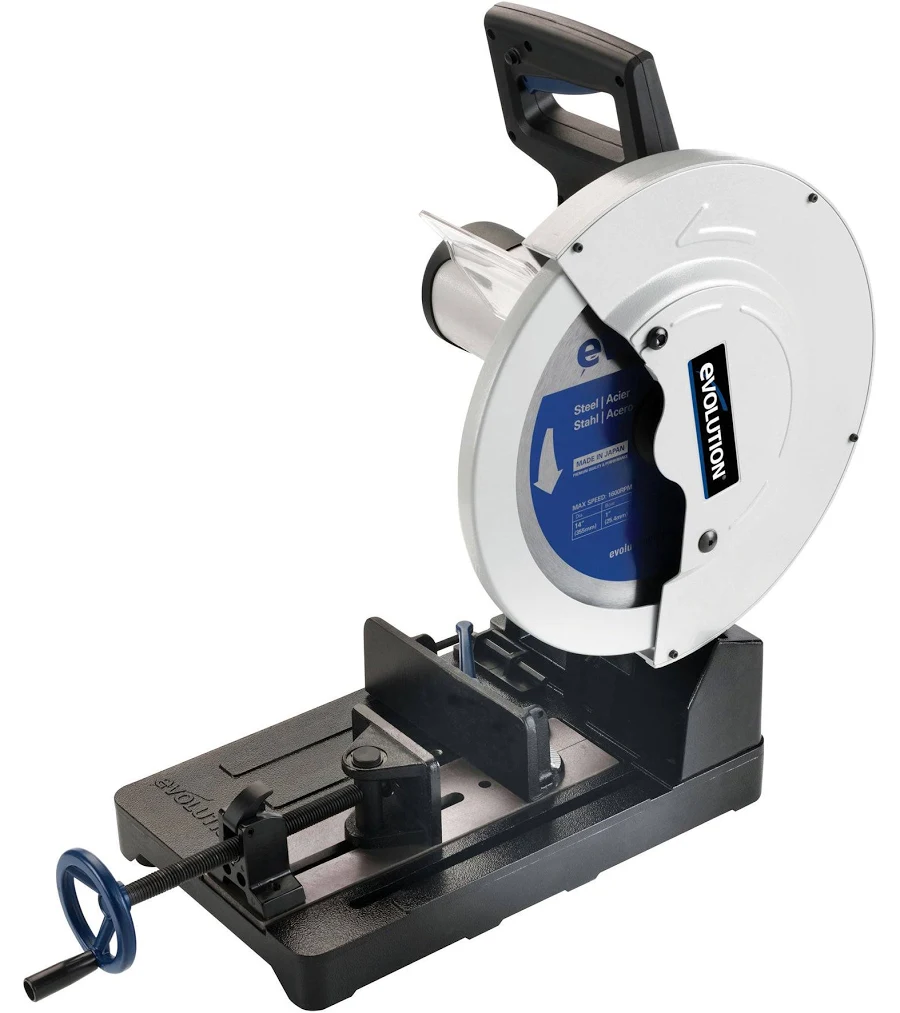
Studená pila se specializuje na přesné řezání při zachování chladu kotouče i materiálu během provozu, což vede k vynikající kvalitě řezu.
Výhody:
- Produkuje čisté řezy bez otřepů
- Minimální tvorba tepla během řezání
- Prodloužená životnost kotouče díky chladicímu účinku
- Dokáže řezat více trubek současně
- Zanechává hladký povrch vyžadující malé následné zpracování
Nevýhody:
- Vyšší počáteční náklady než u běžných pil
- Vyžaduje pevnou instalaci
- Pomalejší rychlost řezání ve srovnání s alternativami
- Omezená mobilita
Nejlepší aplikace:
- Precision metal fabrication
- High-end manufacturing
- Projects requiring exact measurements
- Professional metalworking shops
IV. Portable Bandsaw
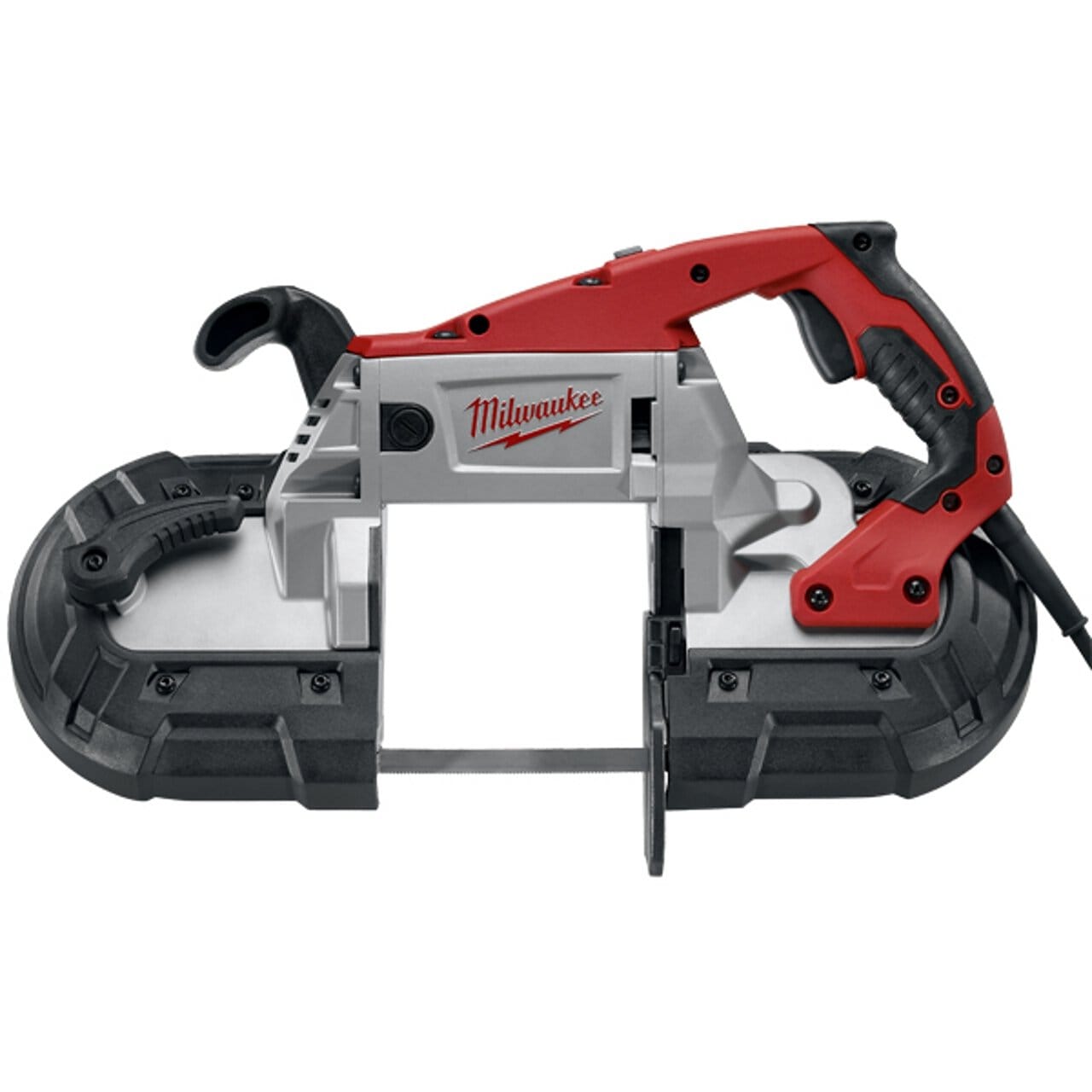
A compact, handheld version of its larger counterpart, the portable bandsaw combines mobility with precision for on-site cutting needs.
Výhody:
- Excellent mobility and versatility
- Suitable for existing structures
- Moderate noise level
- Ergonomic design
- Effective in hard-to-reach areas
- Lightweight and easy to handle
Nevýhody:
- Can only cut one tube at a time
- May result in crooked cuts without proper support
- Limited cutting capacity
- Battery life constraints for cordless models
Nejlepší aplikace:
- On-site construction work
- Maintenance and repair
- Tight space operations
- Field work
V. Reciprocating Saw
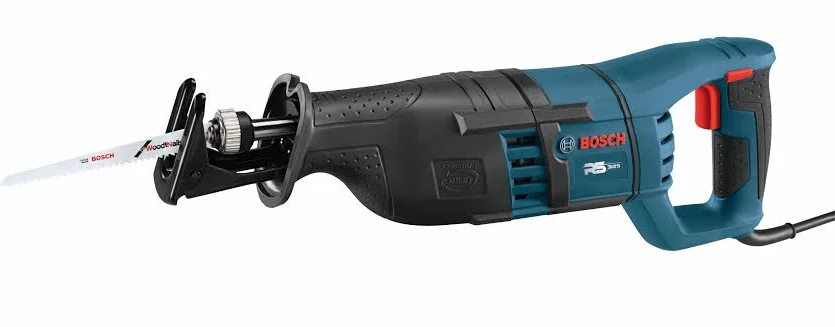
The reciprocating saw offers a powerful solution for quick cutting needs, especially in demolition or renovation scenarios.
Výhody:
- Highly portable
- Versatile cutting capabilities
- Good for tight spaces
- Quick cutting speed
- Cordless options available
- Cost-effective
Nevýhody:
- Less precise than other methods
- High vibration and noise
- Difficult to maintain straight cuts
- Frequent blade changes needed
- Not suitable for finish work
Nejlepší aplikace:
- Demolition work
- Quick rough cuts
- Emergency repairs
- Renovation projects
VI. Angle Grinder
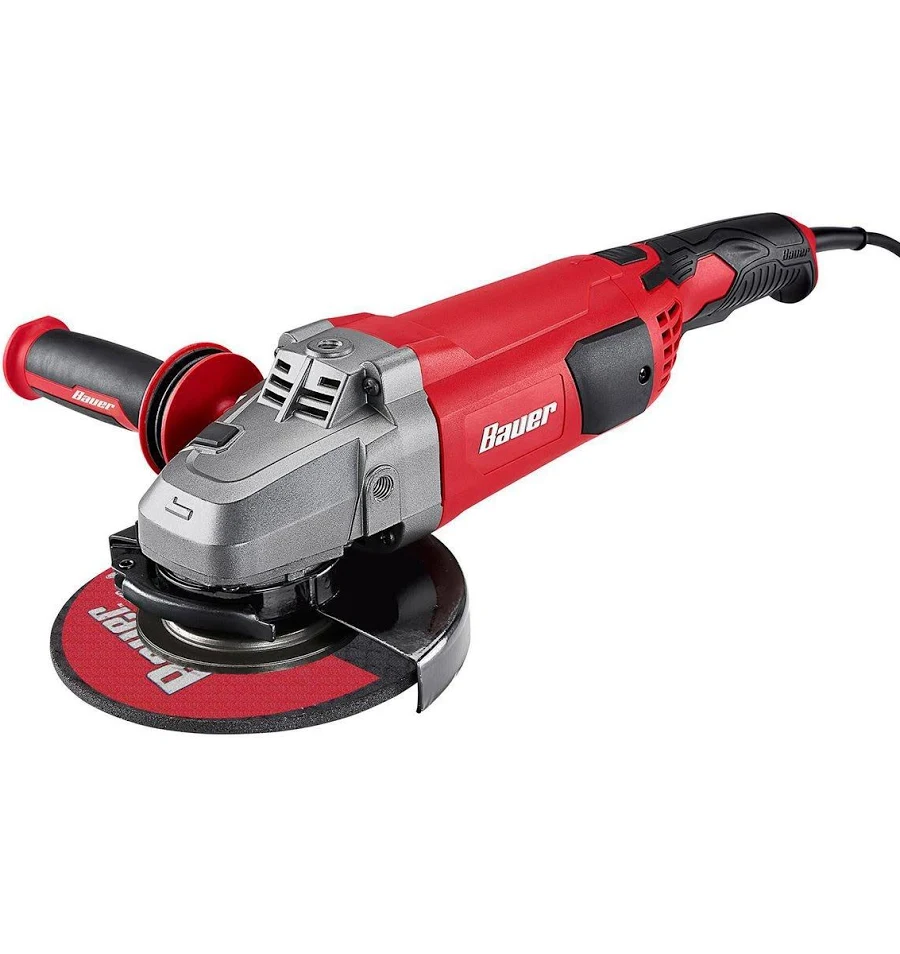
An angle grinder equipped with cutting discs provides a versatile solution for pipe cutting, particularly effective for smaller diameter pipes.
Výhody:
- Highly versatile tool
- Quick cutting speed
- Portable and easy to use
- Affordable
- Can make flush cuts
- Works in tight spaces
Nevýhody:
- Generates sparks and debris
- Less precise than dedicated pipe cutters
- Frequent disc replacement needed
- Safety concerns
- Noisy operation
Nejlepší aplikace:
- Small diameter pipes
- Quick cuts
- General construction
- Home DIY projects
VII. Manual Tube Cutter
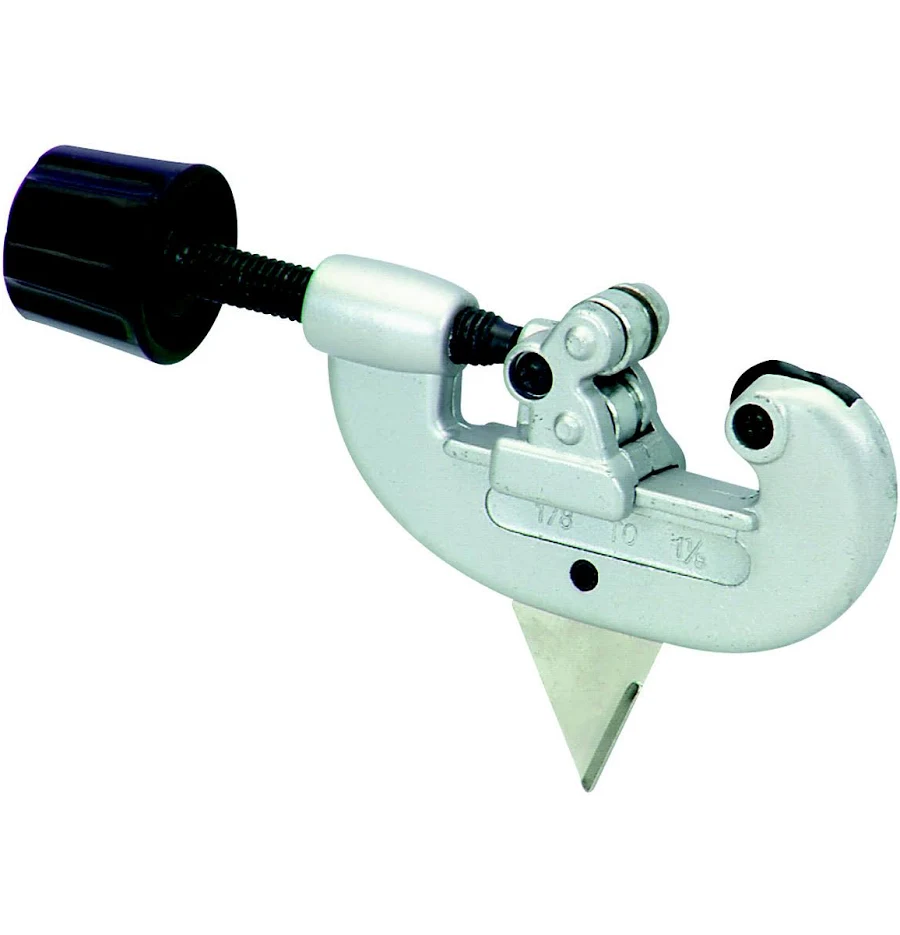
Traditional manual tube cutters offer a simple yet effective solution for precise cuts on smaller pipes, making them ideal for plumbing work.
Výhody:
- Clean, precise cuts
- No power required
- Highly portable
- Silent operation
- Minimal maintenance needed
- Very safe to use
- Cost-effective
Nevýhody:
- Labor intensive
- Limited to smaller pipe diameters
- Time-consuming for multiple cuts
- Not suitable for heavy-duty work
- Requires physical effort
Nejlepší aplikace:
- Small plumbing projects
- DIY work
- Precision cutting needs
- Light commercial use
- Maintenance tasks
VIII. Hacksaw
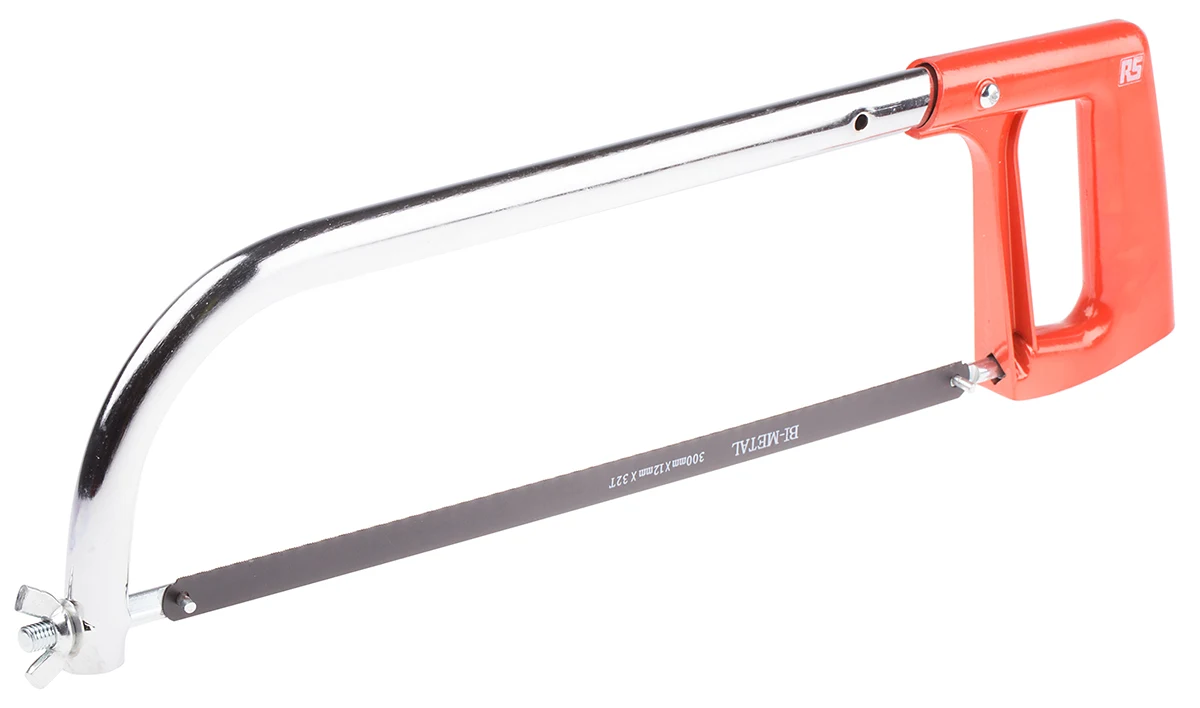
The traditional hacksaw remains a reliable and accessible tool for basic pipe cutting needs.
Výhody:
- Very affordable
- Simple to use
- No power needed
- Highly portable
- Minimal maintenance
- Works anywhere
- No special training required
Nevýhody:
- Very labor intensive
- Slow cutting speed
- Can produce uneven cuts
- Limited to smaller pipes
- Physically demanding
Nejlepší aplikace:
- Basic DIY projects
- Emergency repairs
- Small-scale work
- Budget-conscious users
- Simple cutting tasks
Comprehensive Tool Comparison
| Tool Type | Rychlost řezání | Kompatibilita materiálů | Přesnost | Cost Range* | Ease of Use | Mobility | Noise Level | Maintenance Needs |
|---|---|---|---|---|---|---|---|---|
| Laser Cutting Machine | Very High (5/5) | All metals, thick & thin (5/5) | Excellent (5/5) | $$$$ | Complex (2/5) | Fixed (1/5) | Low (4/5) | High (1/5) |
| Kovová pásová pila | High (4/5) | Most metals (4/5) | Very Good (4/5) | $$$ | Moderate (3/5) | Limited (2/5) | Moderate (3/5) | Moderate (3/5) |
| Studená pila | Moderate (3/5) | All metals (5/5) | Very Good (4/5) | $$$ | Moderate (3/5) | Fixed (1/5) | Moderate (3/5) | Moderate (3/5) |
| Portable Bandsaw | Moderate (3/5) | Most metals (4/5) | Good (3/5) | $$ | Good (4/5) | Excellent (5/5) | High (2/5) | Moderate (3/5) |
| Reciprocating Saw | High (4/5) | Most metals (3/5) | Fair (2/5) | $$ | Very Good (4/5) | Excellent (5/5) | Very High (1/5) | Low (4/5) |
| Angle Grinder | High (4/5) | Most metals (3/5) | Fair (2/5) | $ | Good (4/5) | Very Good (4/5) | Very High (1/5) | Moderate (3/5) |
| Manual Tube Cutter | Low (1/5) | Thin-walled only (2/5) | Very Good (4/5) | $ | Very Good (4/5) | Excellent (5/5) | Silent (5/5) | Low (4/5) |
| Hacksaw | Very Low (1/5) | Most metals (3/5) | Good (3/5) | $ | Very Good (4/5) | Excellent (5/5) | Silent (5/5) | Very Low (5/5) |
*Cost Range Legend:
- $ = Under $100
- $$ = $100-$500
- $$$ = $500-$5,000
- $$$$ = Over $5,000
Additional Comparison Factors:
Power Source Requirements:
- Electric (High Power): Laser Cutter, Metal Cutting Bandsaw, Cold Saw
- Electric (Standard): Portable Bandsaw, Reciprocating Saw, Angle Grinder
- Manual: Tube Cutter, Hacksaw
Best Use Case Scenarios:
- Industrial Production: Laser Cutter, Metal Cutting Bandsaw, Cold Saw
- Construction Sites: Portable Bandsaw, Reciprocating Saw, Angle Grinder
- Small Projects/DIY: Manual Tube Cutter, Hacksaw
Cut Quality Characteristics:
- Laser Cutter: Perfect edges, no burrs, heat-affected zone
- Bandsaws: Clean cuts, minimal burrs
- Cold Saw: Very clean cuts, minimal deformation
- Power Tools: Rougher cuts, may need finishing
- Manual Tools: Clean cuts but requires skill
Production Volume Capacity:
- High Volume: Laser Cutter, Metal Cutting Bandsaw
- Medium Volume: Cold Saw, Portable Bandsaw
- Low Volume: Reciprocating Saw, Angle Grinder
- Very Low Volume: Manual Tube Cutter, Hacksaw
Making the Right Choice: Key Considerations
Project Scale
- Large Industrial: Consider laser cutting machines or metal cutting bandsaws
- Medium Commercial: Cold saws or portable bandsaws are ideal
- Small Projects/DIY: Manual tube cutters or hacksaws will suffice
Budget Considerations
- High Budget: Laser cutters, cold saws
- Medium Budget: Bandsaws, power tools
- Limited Budget: Manual tools, basic power tools
Usage Frequency
- Daily Use: Invest in professional-grade power tools or industrial machines
- Occasional Use: Mid-range power tools
- Rare Use: Manual tools or basic power tools
Precision Requirements
- High Precision: Laser cutters, cold saws
- Medium Precision: Bandsaws, manual tube cutters
- Basic Precision: Reciprocating saws, angle grinders
Conclusion: Choosing the Right Steel Pipe Cutter
The ideal choice for cutting steel pipes ultimately depends on your specific needs, working environment, and budget constraints. Here’s a simplified guide for different scenarios:
For Industrial Applications:
- If precision and high volume are priorities, and budget allows, the laser cutting machine is unmatched
- For regular production needs, a metal cutting bandsaw or cold saw offers the best balance of efficiency and cost
- When working on-site, a portable bandsaw provides the necessary mobility without sacrificing too much precision
For Professional Contractors:
- Portable bandsaws and reciprocating saws offer the mobility needed for field work
- Angle grinders work well for quick cuts and tight spaces
- Manual tube cutters are excellent for precise, clean cuts in plumbing applications
For DIY and Small Projects:
- Manual tube cutters provide the best value for occasional use
- Hacksaws are perfectly adequate for basic cutting needs
- An angle grinder can be a versatile addition to your toolbox
Remember that investing in quality tools appropriate for your specific needs will save time, reduce waste, and produce better results in the long run. Consider factors such as frequency of use, required precision, mobility needs, and available budget when making your final decision.
To get the most out of your chosen tool, always follow manufacturer guidelines, maintain your equipment properly, and prioritize safety in your working environment. With the right tool and proper technique, you can achieve professional-quality cuts regardless of your chosen method.