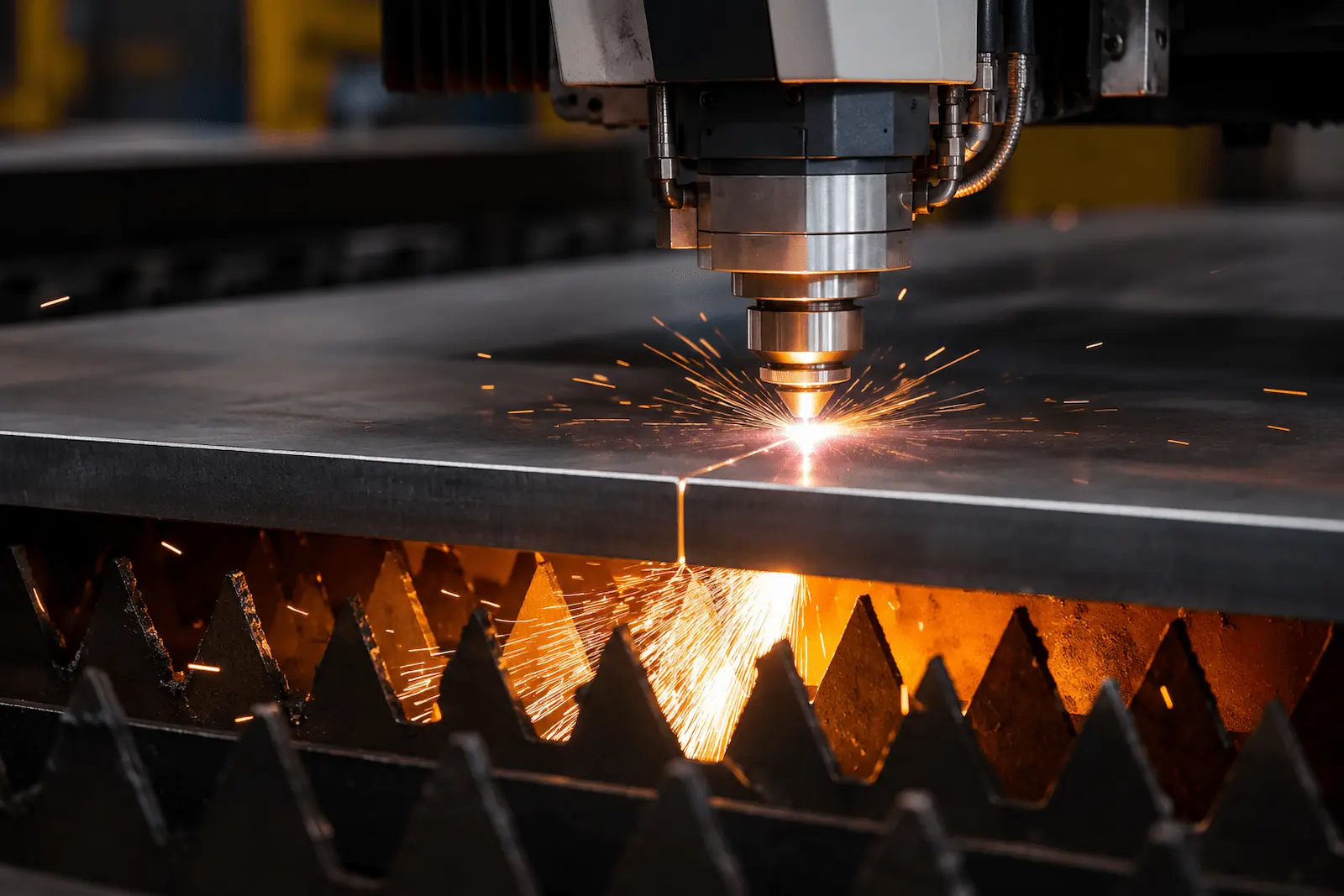
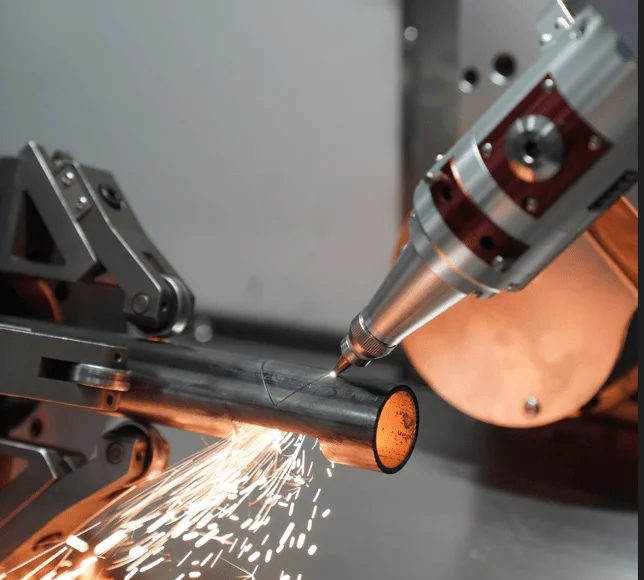
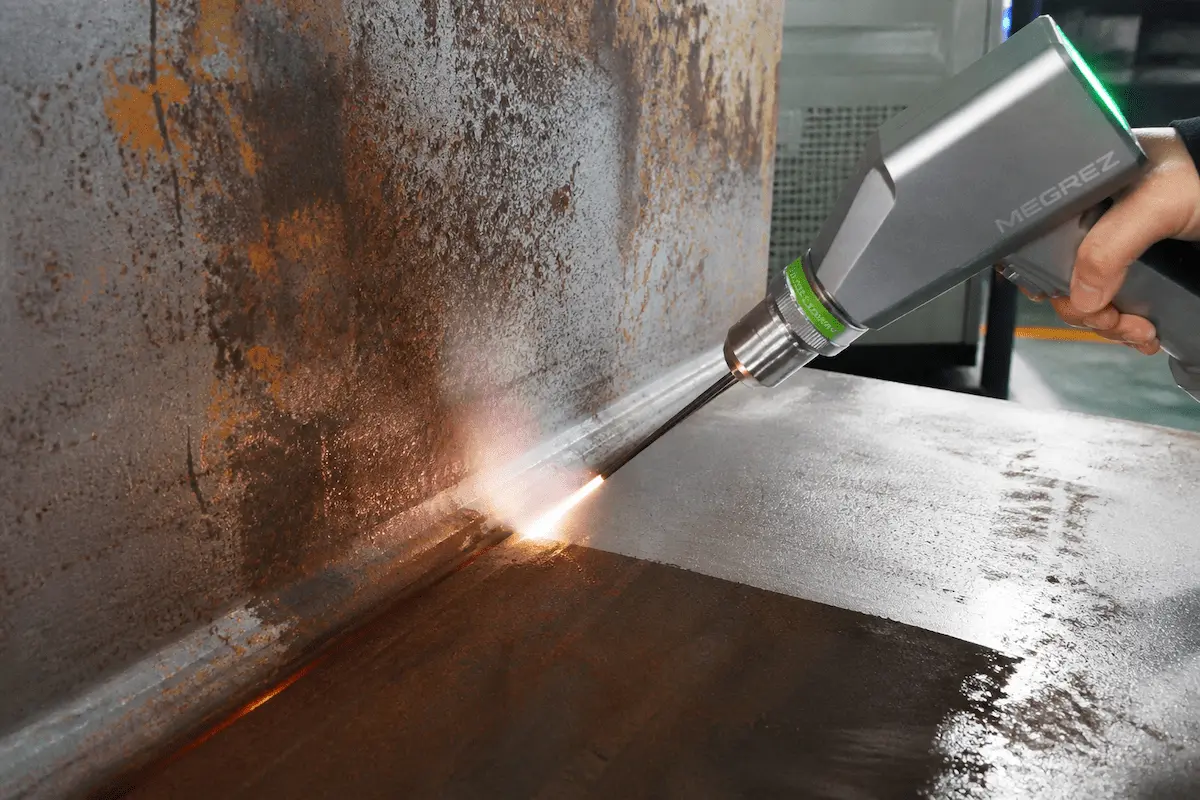
今日的管材切割專案,從DIY水管工程到工業製造,皆需依據管材材質、直徑、壁厚及工作環境選擇特定工具。從傳統手動工具到先進雷射系統,本指南比較八種有效的管材切割工具,協助您依自身需求做出明智選擇。.
鋼管切割的8種最佳工具
I. 鋼管雷射切割機
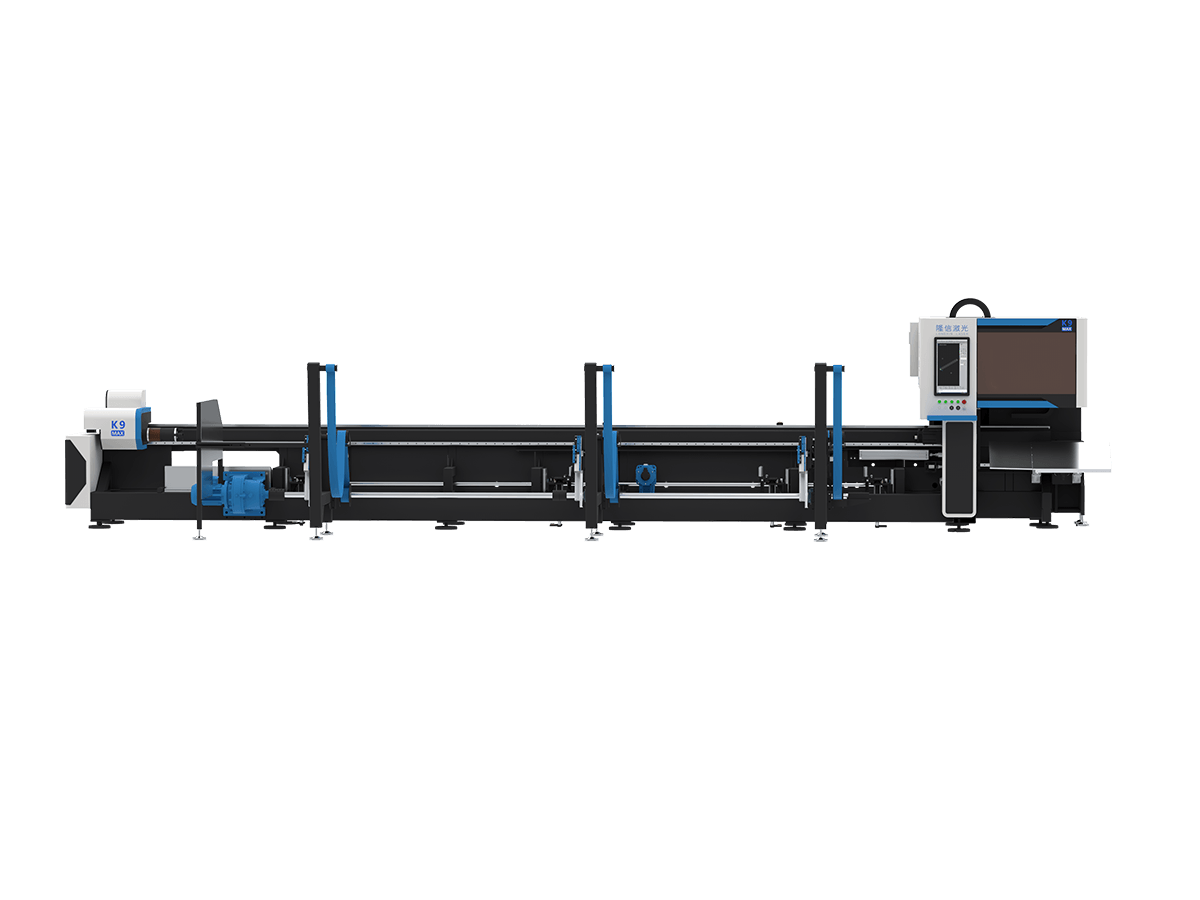
現代雷射切割技術代表了精密管材切割解決方案的頂峰。這些精密機器利用由電腦數控系統(CNC)控制的高功率雷射光束,在管材切割作業中提供無與倫比的精度與效率。.
優點:
- 超高精度切割,材料浪費極少
- 卓越切割速度,適合大量生產
- 能執行複雜切割與精細設計
- 切口乾淨無毛邊,後續處理需求極低
- 自動化作業降低人力成本
- 環保且廢料產生極少
- 大量生產中品質一致穩定
缺點:
- 需投入高額初期成本
- 需具備專業技術知識
- 需定期維護與校準
- 安裝需較大空間
最佳應用:
- 大型工業製造
- 大量生產設施
- 複雜管材製造專案
- 高精度零件製造
II. 金屬切割帶鋸機
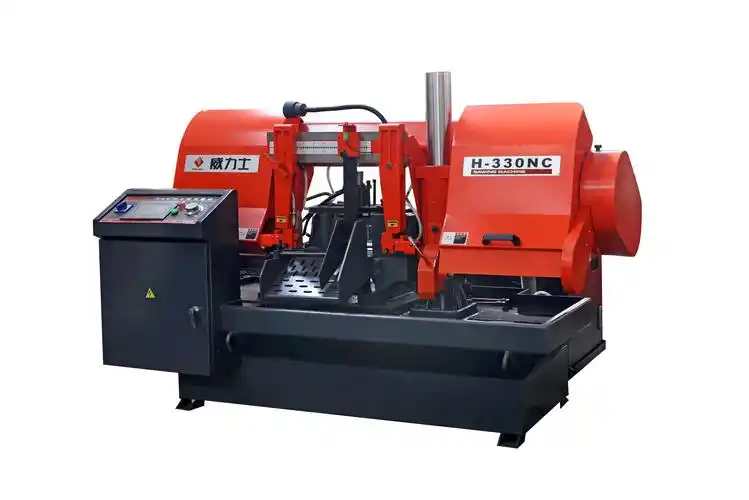
金屬切割帶鋸機是重要的工業解決方案,在精度與效率間取得平衡。這些機器使用連續的金屬帶鋸條切割鋼管。.
優點:
- 可同時切割多達六根管材
- 提供乾淨、筆直的切口,毛邊極少
- 適合各種規模的專案
- 運作時相對安靜
- 無需鋸條潤滑劑
- 非常適合大量生產
缺點:
- 固定式機型需專用空間
- 無法對已建構結構進行切割
- 初期成本高於手動工具
- 僅限直線切割
最佳應用:
- 生產設施
- 金屬加工廠
- 建築材料準備
- 工業製造
III. 冷鋸機
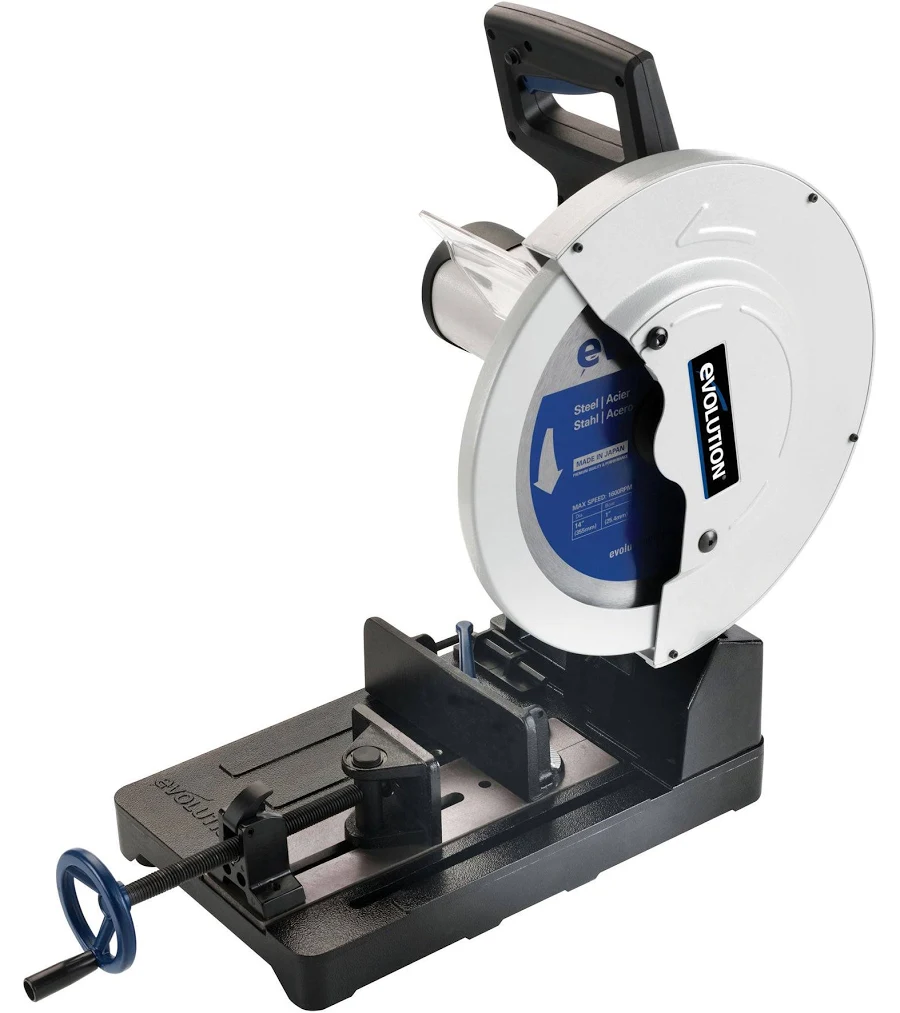
冷鋸機專精於精密切割,同時在作業中保持鋸條與材料冷卻,進而達到優異的切割品質。.
優點:
- 產生乾淨、無毛邊的切口
- 切割時產熱極少
- 冷卻作用延長鋸條壽命
- 可同時切割多根管材
- 留下光滑表面,後續處理需求少
缺點:
- 初期成本高於傳統鋸機
- 需固定安裝
- 切割速度較其他選項慢
- 機動性有限
最佳應用:
- 精密金屬製造
- 高端製造
- 需要精確測量的專案
- 專業金屬加工車間
IV. 手提式帶鋸
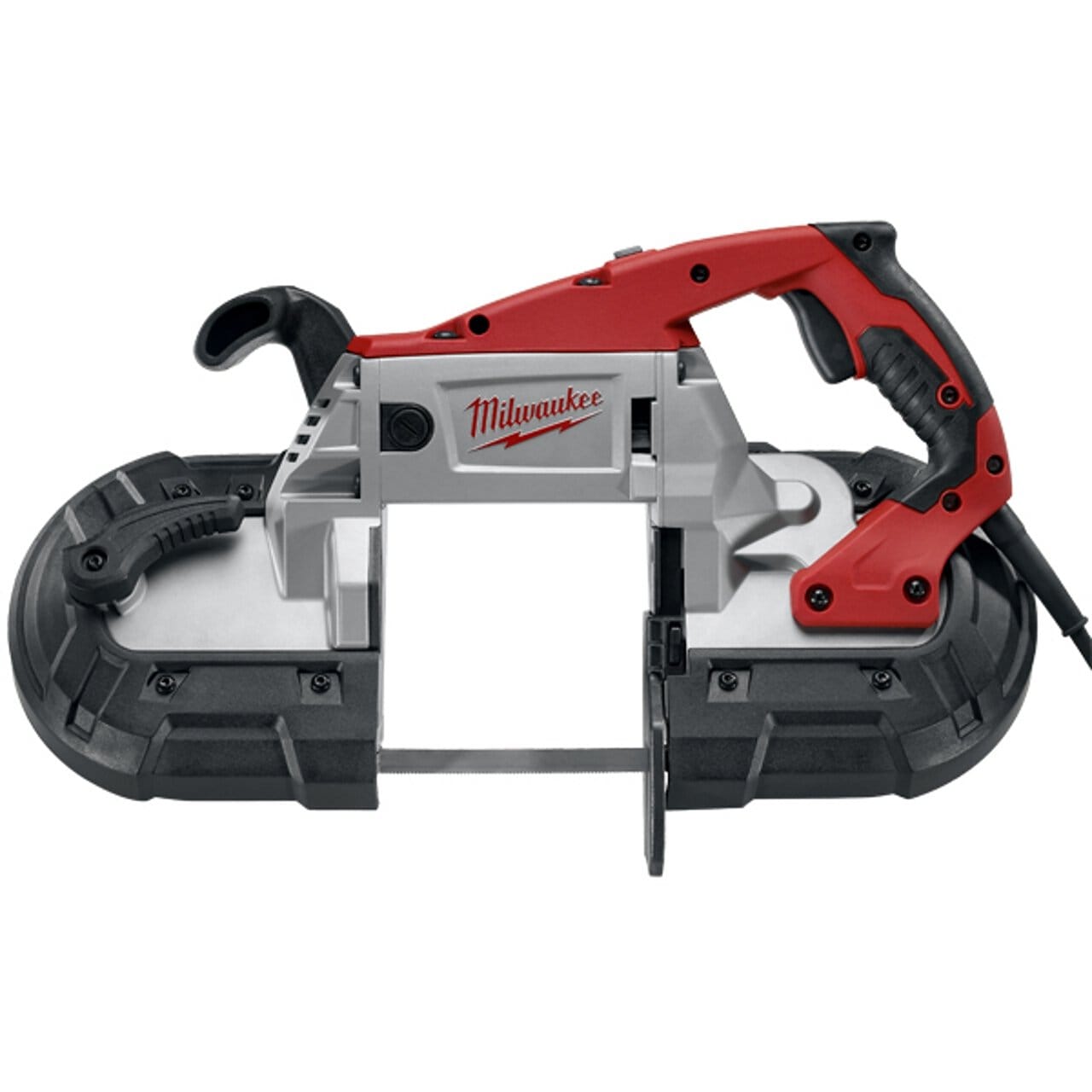
作為大型帶鋸的緊湊手持版本,手提式帶鋸結合了機動性與精確度,適用於現場切割需求。.
優點:
- 出色的機動性和多功能性
- 適用於現有結構
- 中等噪音水平
- 人體工學設計
- 在難以觸及的區域有效
- 輕巧且易於操作
缺點:
- 一次只能切割一根管子
- 若無適當支撐可能導致切割歪斜
- 切割能力有限
- 無線型號的電池續航限制
最佳應用:
- 現場施工工作
- 維護和修理
- 狹小空間作業
- 現場作業
V. 往復鋸
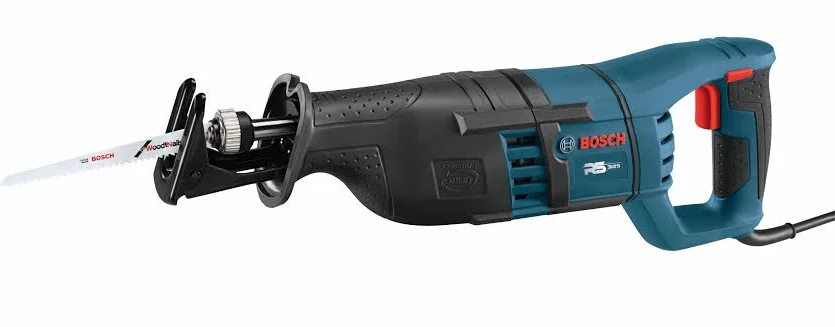
往復鋸為快速切割需求提供了強力解決方案,特別適用於拆除或翻新場景。.
優點:
- 高度便攜
- 多功能的切割能力
- 適合狹小空間
- 快速切割速度
- 提供無線選項
- 經濟實惠
缺點:
- 比其他方法精確度較低
- 高振動和噪音
- 難以保持直線切割
- 需要頻繁更換鋸片
- 不適合精修工作
最佳應用:
- 拆除工作
- 快速粗切割
- 緊急修理
- 翻新專案
VI. 角磨機
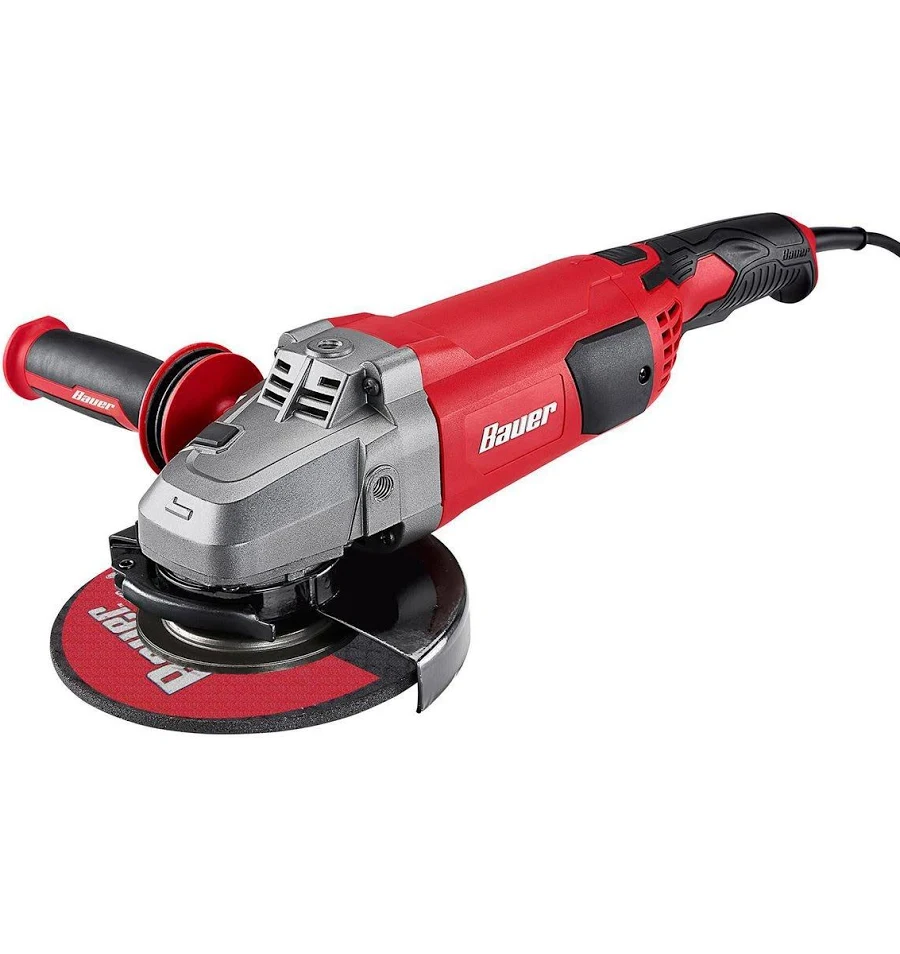
配備切割片的角磨機為管道切割提供了多功能解決方案,特別適用於較小直徑的管道。.
優點:
- 高度多功能的工具
- 快速切割速度
- 便攜且易於使用
- 價格實惠
- 可進行齊平切割
- 適用於狹小空間
缺點:
- 產生火花和碎屑
- 比專用管道切割器精確度較低
- 需要頻繁更換切割片
- Safety concerns
- Noisy operation
最佳應用:
- Small diameter pipes
- Quick cuts
- General construction
- Home DIY projects
VII. Manual Tube Cutter
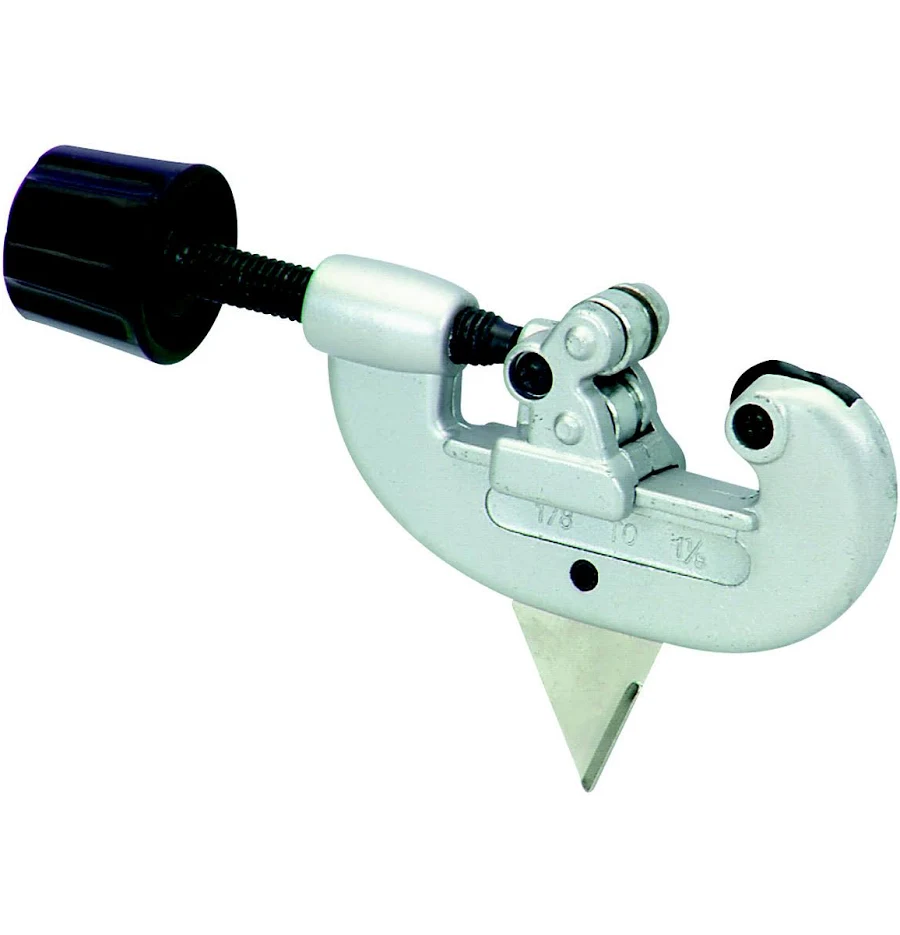
Traditional manual tube cutters offer a simple yet effective solution for precise cuts on smaller pipes, making them ideal for plumbing work.
優點:
- Clean, precise cuts
- No power required
- 高度便攜
- Silent operation
- Minimal maintenance needed
- Very safe to use
- 經濟實惠
缺點:
- Labor intensive
- Limited to smaller pipe diameters
- Time-consuming for multiple cuts
- Not suitable for heavy-duty work
- Requires physical effort
最佳應用:
- Small plumbing projects
- DIY work
- Precision cutting needs
- Light commercial use
- Maintenance tasks
VIII. Hacksaw
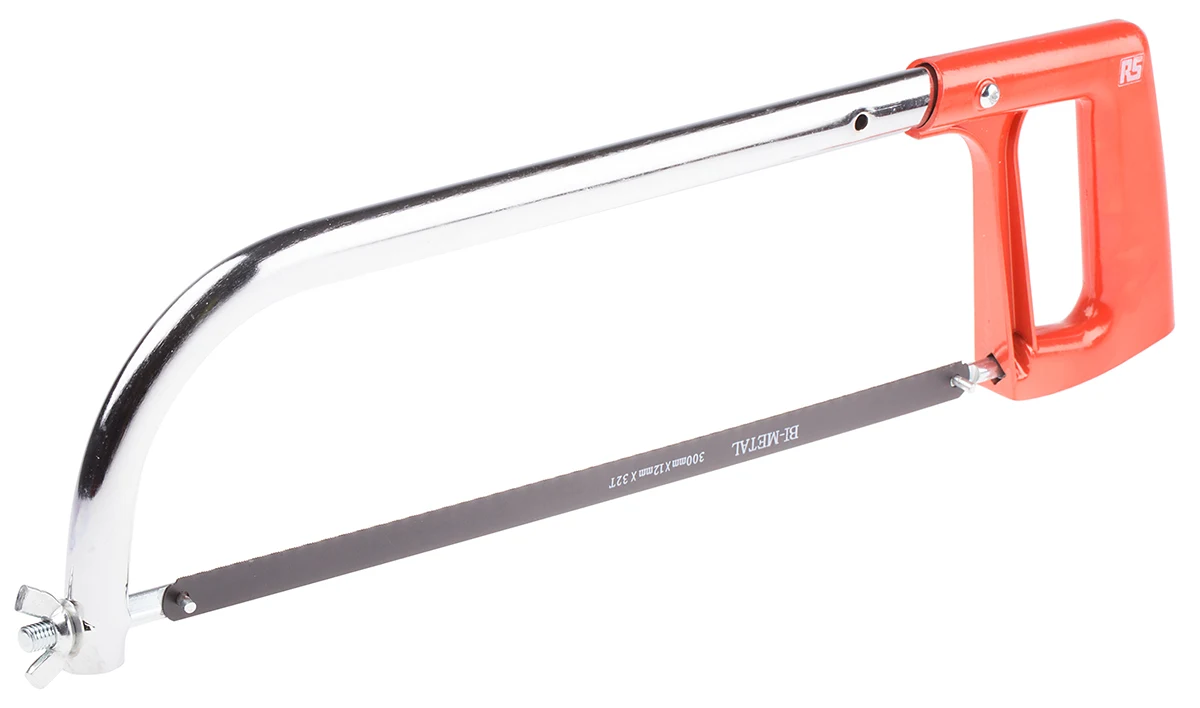
The traditional hacksaw remains a reliable and accessible tool for basic pipe cutting needs.
優點:
- Very affordable
- Simple to use
- No power needed
- 高度便攜
- Minimal maintenance
- Works anywhere
- No special training required
缺點:
- Very labor intensive
- Slow cutting speed
- Can produce uneven cuts
- Limited to smaller pipes
- Physically demanding
最佳應用:
- Basic DIY projects
- 緊急修理
- Small-scale work
- Budget-conscious users
- Simple cutting tasks
Comprehensive Tool Comparison
| Tool Type | 切削速度 | 材料相容性 | 精密度 | Cost Range* | Ease of Use | Mobility | Noise Level | Maintenance Needs |
|---|---|---|---|---|---|---|---|---|
| Laser Cutting Machine | Very High (5/5) | All metals, thick & thin (5/5) | Excellent (5/5) | $$$$ | Complex (2/5) | Fixed (1/5) | Low (4/5) | High (1/5) |
| 金屬切割帶鋸機 | High (4/5) | Most metals (4/5) | Very Good (4/5) | $$$ | Moderate (3/5) | Limited (2/5) | Moderate (3/5) | Moderate (3/5) |
| 冷鋸機 | Moderate (3/5) | All metals (5/5) | Very Good (4/5) | $$$ | Moderate (3/5) | Fixed (1/5) | Moderate (3/5) | Moderate (3/5) |
| 手提式帶鋸 | Moderate (3/5) | Most metals (4/5) | Good (3/5) | $$ | Good (4/5) | Excellent (5/5) | High (2/5) | Moderate (3/5) |
| 往復鋸 | High (4/5) | Most metals (3/5) | Fair (2/5) | $$ | Very Good (4/5) | Excellent (5/5) | Very High (1/5) | Low (4/5) |
| 角磨機 | High (4/5) | Most metals (3/5) | Fair (2/5) | $ | Good (4/5) | Very Good (4/5) | Very High (1/5) | Moderate (3/5) |
| Manual Tube Cutter | Low (1/5) | Thin-walled only (2/5) | Very Good (4/5) | $ | Very Good (4/5) | Excellent (5/5) | Silent (5/5) | Low (4/5) |
| Hacksaw | Very Low (1/5) | Most metals (3/5) | Good (3/5) | $ | Very Good (4/5) | Excellent (5/5) | Silent (5/5) | Very Low (5/5) |
*Cost Range Legend:
- $ = Under $100
- $$ = $100-$500
- $$$ = $500-$5,000
- $$$$ = Over $5,000
Additional Comparison Factors:
Power Source Requirements:
- Electric (High Power): Laser Cutter, Metal Cutting Bandsaw, Cold Saw
- Electric (Standard): Portable Bandsaw, Reciprocating Saw, Angle Grinder
- Manual: Tube Cutter, Hacksaw
Best Use Case Scenarios:
- Industrial Production: Laser Cutter, Metal Cutting Bandsaw, Cold Saw
- Construction Sites: Portable Bandsaw, Reciprocating Saw, Angle Grinder
- Small Projects/DIY: Manual Tube Cutter, Hacksaw
Cut Quality Characteristics:
- Laser Cutter: Perfect edges, no burrs, heat-affected zone
- Bandsaws: Clean cuts, minimal burrs
- Cold Saw: Very clean cuts, minimal deformation
- Power Tools: Rougher cuts, may need finishing
- Manual Tools: Clean cuts but requires skill
Production Volume Capacity:
- High Volume: Laser Cutter, Metal Cutting Bandsaw
- Medium Volume: Cold Saw, Portable Bandsaw
- Low Volume: Reciprocating Saw, Angle Grinder
- Very Low Volume: Manual Tube Cutter, Hacksaw
Making the Right Choice: Key Considerations
Project Scale
- Large Industrial: Consider laser cutting machines or metal cutting bandsaws
- Medium Commercial: Cold saws or portable bandsaws are ideal
- Small Projects/DIY: Manual tube cutters or hacksaws will suffice
Budget Considerations
- High Budget: Laser cutters, cold saws
- Medium Budget: Bandsaws, power tools
- Limited Budget: Manual tools, basic power tools
Usage Frequency
- Daily Use: Invest in professional-grade power tools or industrial machines
- Occasional Use: Mid-range power tools
- Rare Use: Manual tools or basic power tools
Precision Requirements
- High Precision: Laser cutters, cold saws
- Medium Precision: Bandsaws, manual tube cutters
- Basic Precision: Reciprocating saws, angle grinders
Conclusion: Choosing the Right Steel Pipe Cutter
The ideal choice for cutting steel pipes ultimately depends on your specific needs, working environment, and budget constraints. Here’s a simplified guide for different scenarios:
For Industrial Applications:
- If precision and high volume are priorities, and budget allows, the laser cutting machine is unmatched
- For regular production needs, a metal cutting bandsaw or cold saw offers the best balance of efficiency and cost
- When working on-site, a portable bandsaw provides the necessary mobility without sacrificing too much precision
For Professional Contractors:
- Portable bandsaws and reciprocating saws offer the mobility needed for field work
- Angle grinders work well for quick cuts and tight spaces
- Manual tube cutters are excellent for precise, clean cuts in plumbing applications
For DIY and Small Projects:
- Manual tube cutters provide the best value for occasional use
- Hacksaws are perfectly adequate for basic cutting needs
- An angle grinder can be a versatile addition to your toolbox
Remember that investing in quality tools appropriate for your specific needs will save time, reduce waste, and produce better results in the long run. Consider factors such as frequency of use, required precision, mobility needs, and available budget when making your final decision.
To get the most out of your chosen tool, always follow manufacturer guidelines, maintain your equipment properly, and prioritize safety in your working environment. With the right tool and proper technique, you can achieve professional-quality cuts regardless of your chosen method.