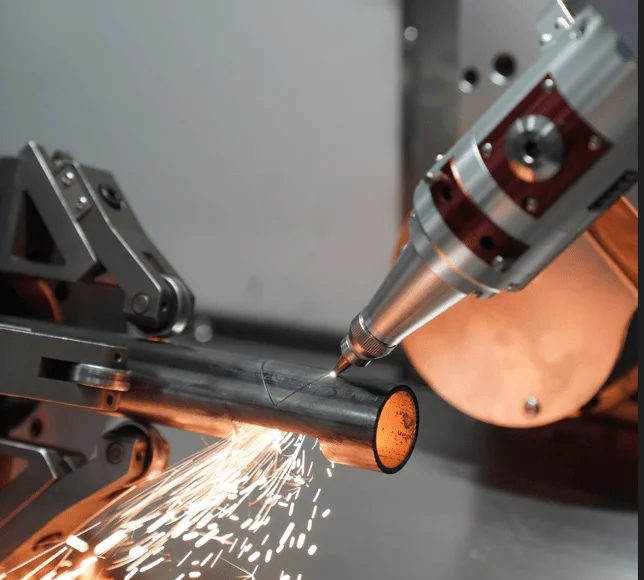
Nei miei 15 anni di carriera come ingegnere senior specializzato in apparecchiature laser, ho visitato centinaia di officine di lavorazione in cui il rumore delle smerigliatrici angolari e delle burattatrici sovrasta il ronzio della produzione. Sebbene un moderno macchina per il taglio a tubo con laser a fibra Sebbene prometta una produzione “net shape”, la realtà in officina comporta spesso la lotta contro difetti persistenti che intaccano i margini di profitto.
Ogni difetto di taglio non è solo un fastidio; è un“”impronta digitale" lasciata dal raggio laser. Se sai come leggere quell'impronta, puoi diagnosticare uno squilibrio di processo senza nemmeno guardare lo schermo di controllo. Questo articolo fornisce un quadro sistematico per identificare i problemi della macchina per il taglio laser di tubi, offrendo cause tecniche alla radice e strategie pratiche di risoluzione dei problemi di taglio dei tubi per aiutare proprietari di fabbriche e ingegneri a ottenere risultati ripetibili e di alta qualità.
Adesione di bava e scoria (La bava “a ghiacciolo”)
Descrizione del problema:
La bava, o scoria, è il metallo indesiderato e risolidificato che si attacca al bordo inferiore della parete del tubo. Appare come perline dure e arrotondate che sembrano cera di candela fusa.
Possibili cause:
Si tratta tipicamente di “bava a bassa velocità” causata da surriscaldamento. Quando la velocità di taglio è troppo lenta, il laser immette calore eccessivo nel materiale, creando un film di fusione spesso e viscoso che il gas di assistenza non riesce a espellere completamente.
Soluzioni pratiche:
- Aumentare la velocità di taglio: Incrementare la velocità di avanzamento con incrementi del 10% per ripristinare l'equilibrio termico.
- Controllare la pressione del gas: Se si taglia acciaio inossidabile con azoto, assicurarsi che la pressione sia sufficiente — tipicamente 20–25 Bar a seconda dello spessore della parete e della potenza del laser — per espellere con forza il bagno di fusione.
- Ispezione dell'ugello: Un ugello intaccato o sporco può causare un flusso di gas turbolento, impedendo un'espulsione pulita.
Bave affilate e angolate (Bava ad alta velocità)
Descrizione del problema:
A differenza della bava arrotondata, queste sono piccole scie affilate e frastagliate che si inclinano all'indietro rispetto alla direzione di taglio.
Possibili cause:
Questo è un segno di sotto-penetrazione. Il laser si muove troppo velocemente perché il raggio liquefi completamente il fondo della parete del tubo, costringendo il gas di assistenza a spingere materiale semi-solido che si aggrappa al bordo.
Soluzioni pratiche:
- Diminuire la velocità: Ridurre la velocità di taglio con incrementi del 5% fino a quando le bave scompaiono.
- Regolare la posizione focale: Abbassare il fuoco (più negativo) per aumentare la densità di energia all'uscita inferiore del taglio.
Instabilità di bloccaggio del tubo e spostamento posizionale
Descrizione del problema:
Il pezzo si sposta o vibra durante la rotazione, causando problemi di precisione di taglio, come fori quadrati che non si allineano sui lati opposti del tubo.
Possibili cause:
La causa principale è spesso un “comportamento di bloccaggio non ripetibile”. Ciò può essere dovuto a coppie di griffe pneumatiche sbilanciate, facce delle griffe usurate o un calo della pressione pneumatica al di sotto del range operativo specificato dal produttore, tipicamente 0,4–0,6 MPa.
Soluzioni pratiche:
- Verificare la concentricità dell'asse B: Utilizzare un comparatore a quadrante per controllare l'eccentricità. Un obiettivo di ≤0,05mm è standard per la fabbricazione di tubi di precisione.
- Lubrificazione e pulizia: Trucioli e limatura di ferro si accumulano nelle aste di guida del mandrino. Pulire e lubrificare con grasso a base di litio ad ogni turno.
- Supporto adattivo: Per tubi a parete sottile, utilizzare supporti anti-deformazione o ridurre la forza di bloccaggio per evitare di schiacciare il profilo.
Striature e linee di trascinamento (Il “ritardo all'indietro”)
Descrizione del problema:
La faccia di taglio mostra linee profonde e ruvide che si inclinano bruscamente all'indietro invece di essere verticali e poco profonde.
Possibili cause:
Il fondo del raggio laser è in ritardo rispetto alla parte superiore a causa di velocità eccessiva o pressione del gas insufficiente.
Soluzioni pratiche:
- Abbinare potenza e velocità: Se le striature sono gravi, rallentare fino a quando le linee diventano verticali.
- Controllare il gas di assistenza: Assicurarsi che il percorso del gas sia libero e privo di perdite. Per acciai spessi, evitare una pressione di ossigeno eccessivamente alta che può creare bordi turbolenti “masticati”.
Deriva termica del fuoco (Qualità in peggioramento)
Descrizione del problema:
La macchina inizia il turno con tagli perfetti, ma dopo 30 minuti i bordi diventano ruvidi, conici o il laser non riesce a tagliare completamente.
Possibili cause:
Questo è il classico segno della lente termica. Polvere o fumo sulla finestra protettiva assorbono l'energia laser, causando il riscaldamento e la deformazione della lente, che sposta il punto focale verso l'alto.
Soluzioni pratiche:
- Pulire le ottiche: Ispezionare quotidianamente la finestra protettiva. Utilizzare solo bastoncini di cotone privi di lanugine e alcol denaturato.
- Manutenzione del refrigeratore: Assicurarsi che il refrigeratore d'acqua mantenga una temperatura stabile di 22°C ±1°C. Una fluttuazione superiore a ±2°C può accelerare la lente termica e causare una deriva imprevedibile del fuoco.
Spruzzi interni e scorie all'interno del tubo
Descrizione del problema:
Gli spruzzi di metallo fuso cadono sulla parete interna opposta del tubo, creando depositi ruvidi che interferiscono con l'assemblaggio o il trasporto di fluidi.
Possibili cause:
Il fattore principale è l'energia eccessiva durante la fase di foratura. Un punto di foratura ad alta energia genera un grande bagno di fusione iniziale che schizza sulla parete interna prima che inizi il ciclo di taglio.
Un flusso di gas di assistenza inadeguato durante la foratura aggrava il problema.
Soluzioni pratiche:
- Ottimizzare i parametri di foratura: Ridurre la potenza di picco e prolungare il tempo di foratura durante la fase di foratura per minimizzare l'esplosione iniziale del fuso. Questo è il primo passo più efficace.
- Aumentare la pressione del gas di assistenza durante la foratura: Aumentare temporaneamente la pressione del gas durante il ciclo di foratura aiuta a espellere il materiale fuso verso il basso anziché permettergli di schizzare sulla parete interna.
- Riposizionare il punto di foratura: Dove la geometria del pezzo lo consente, spostare il punto di foratura in una zona di scarto o in un'area di linguetta invece di forare direttamente sul bordo finito.
Nota: I fluidi antispruzzo applicati alla parete interna possono fornire una barriera in alcune applicazioni, ma usarli con cautela se il tubo verrà saldato successivamente, poiché i residui possono compromettere la qualità della saldatura.
Sovracombustione degli angoli (Scoppio d'angolo)
Descrizione del problema:
Quando la testa laser gira un angolo di 90 gradi, il materiale si fonde o “scoppia”, lasciando un difetto arrotondato o intaccato.
Possibili cause:
La testa di taglio rallenta all'angolo, ma se la potenza del laser rimane costante, il materiale assorbe troppa energia (fuga termica).
Soluzioni pratiche:
- Modulazione a impulsi: Utilizzare le funzioni CNC che riducono automaticamente la potenza e la frequenza del laser nei punti di flesso in base alla velocità.
- Anelli per angoli vivi: Implementare percorsi di “Taglio ad anello per angoli vivi” che muovono il laser in un piccolo anello all'esterno del pezzo per consentire il raffreddamento.
Bordi conici o smussati (La forma a V)
Descrizione del problema:
Il bordo tagliato non è squadrato; ad esempio, la parte superiore del taglio è più larga della parte inferiore, risultando in un pezzo da 100 mm che misura 100,5 mm alla base.
Possibili cause:
La posizione focale errata è la causa principale. Se il fuoco è troppo alto (troppo positivo), il raggio diverge mentre attraversa il materiale, producendo un taglio più largo nella parte superiore rispetto a quella inferiore.
Soluzioni pratiche:
- Calibrare il fuoco: Per l'acciaio inossidabile con azoto, un offset focale negativo è generalmente raccomandato come punto di partenza. Il valore ottimale dipende dallo spessore della parete — pareti più sottili (1–2 mm) richiedono tipicamente un offset minore intorno a -1 mm, mentre pareti più spesse (6–8 mm) possono necessitare di -3 mm o oltre. Verificare sempre con un taglio di prova prima della produzione.
- Centraggio del raggio: Eseguire un test del nastro di centraggio (chiamato anche test di allineamento dell'ugello) per assicurarsi che il raggio passi esattamente attraverso il centro dell'ugello.
Ossidazione e Scolorimento (Ingiallimento)
Descrizione del problema:
Il bordo tagliato di un tubo in acciaio inossidabile appare giallo, color paglia o nero nonostante l'uso di azoto.
Possibili cause:
Ciò indica una purezza del gas insufficiente o una perdita nella linea di alimentazione che consente all'ossigeno di mescolarsi con l'azoto.
Soluzioni pratiche:
- Verificare la Purezza del Gas: Utilizzare azoto con purezza del 99,995% o superiore per una finitura brillante e priva di ossidi.
- Aumentare il Ritardo del Gas: Aumentare il tempo di “anticipo gas” per garantire che la linea del gas venga spurgata dall'aria prima che il laser entri in funzione.
Solco di Taglio Discontinuo (Tagli Incompleti)
Descrizione del problema:
Il pezzo non è completamente separato, lasciando “punti” o interruzioni lungo il percorso di taglio che richiedono una rottura manuale.
Possibili cause:
Sebbene un'alimentazione elettrica instabile sia una possibile causa, i tagli incompleti derivano più comunemente da una di tre fonti: degrado della coerenza di emissione del laser dovuto all'invecchiamento dei diodi di pompaggio all'interno della sorgente laser; risposta anomala del sistema capacitivo di rilevamento dell'altezza che causa il momentaneo allontanamento della testa di taglio dalla posizione focale; oppure uno squilibrio nei quattro parametri fondamentali — potenza, velocità, fuoco e pressione del gas di assistenza — per lo specifico spessore di parete in lavorazione.
Soluzioni pratiche:
- Controllare Prima il Sensore di Altezza: Pulire il sensore capacitivo e verificare la sua curva di risposta. Un sensore di altezza instabile è una delle cause più comuni e più trascurate di tagli incompleti intermittenti.
- Ispezionare la Sorgente Laser: Se la macchina ha un numero significativo di ore di funzionamento, consultare il produttore della sorgente laser per valutare le prestazioni dei diodi di pompaggio. Il degrado dell'emissione è graduale e facile da non notare.
- Stabilizzatore di Tensione: Se viene confermata l'instabilità dell'alimentazione elettrica, installare uno stabilizzatore di tensione dedicato per garantire che l'alimentatore ad alta tensione riceva un segnale pulito.
- Ribilanciare i Parametri Fondamentali: Verificare che potenza, velocità, fuoco e pressione del gas di assistenza siano correttamente ottimizzati per lo spessore di parete in produzione.
Consigli di Manutenzione per Prevenire Problemi di Taglio Laser a Fibra
Giornaliera: Controllare l'ugello per eventuali schizzi e ispezionare visivamente la finestra protettiva per la polvere.
Settimanale: Pulire le griffe del mandrino e le guide lineari per evitare che l'accumulo di trucioli influenzi l'allineamento.
Mensile: Ispezionare il filtro del refrigeratore d'acqua ed esaminare i collegamenti elettrici per segni di surriscaldamento.
Trimestrale: Eseguire un controllo completo della concentricità dell'asse B e ri-tensionare le catene portacavi.
Conclusione
Un taglio di tubi stabile e di alta qualità non si ottiene inseguendo parametri perfetti in modo isolato. Richiede una profonda comprensione di come l'apporto energetico, il comportamento del materiale fuso e il movimento meccanico interagiscono come un sistema completo. Utilizzando un approccio sistematico e orientato al processo — anziché un reattivo tentativo per errore — i produttori possono ridurre significativamente le operazioni di molatura secondaria e aumentare l'affidabilità della produzione.
Se state costantemente combattendo con bordi brutti o problemi di risoluzione nel taglio di tubi, potrebbe essere il momento di una revisione applicativa professionale. Sentitevi liberi di esplorare la nostra Pagina Prodotto della Macchina per Taglio Laser di Tubi o contattate il nostro team di ingegneri per un supporto specializzato.