はじめに
レーザー切断アクリルは、1960年代に端を発する技術であり、デザインの世界に革命をもたらしました。アーティストや製造業者にかつてない精度と速度を提供し、複雑なデザインを可能にします。このガイドでは、この革新的な技術を深く掘り下げ、プロジェクトを向上させ、競争の激しい市場で際立つためのお手伝いをします。.
レーザー切断アクリルの理解
プロセスの概要
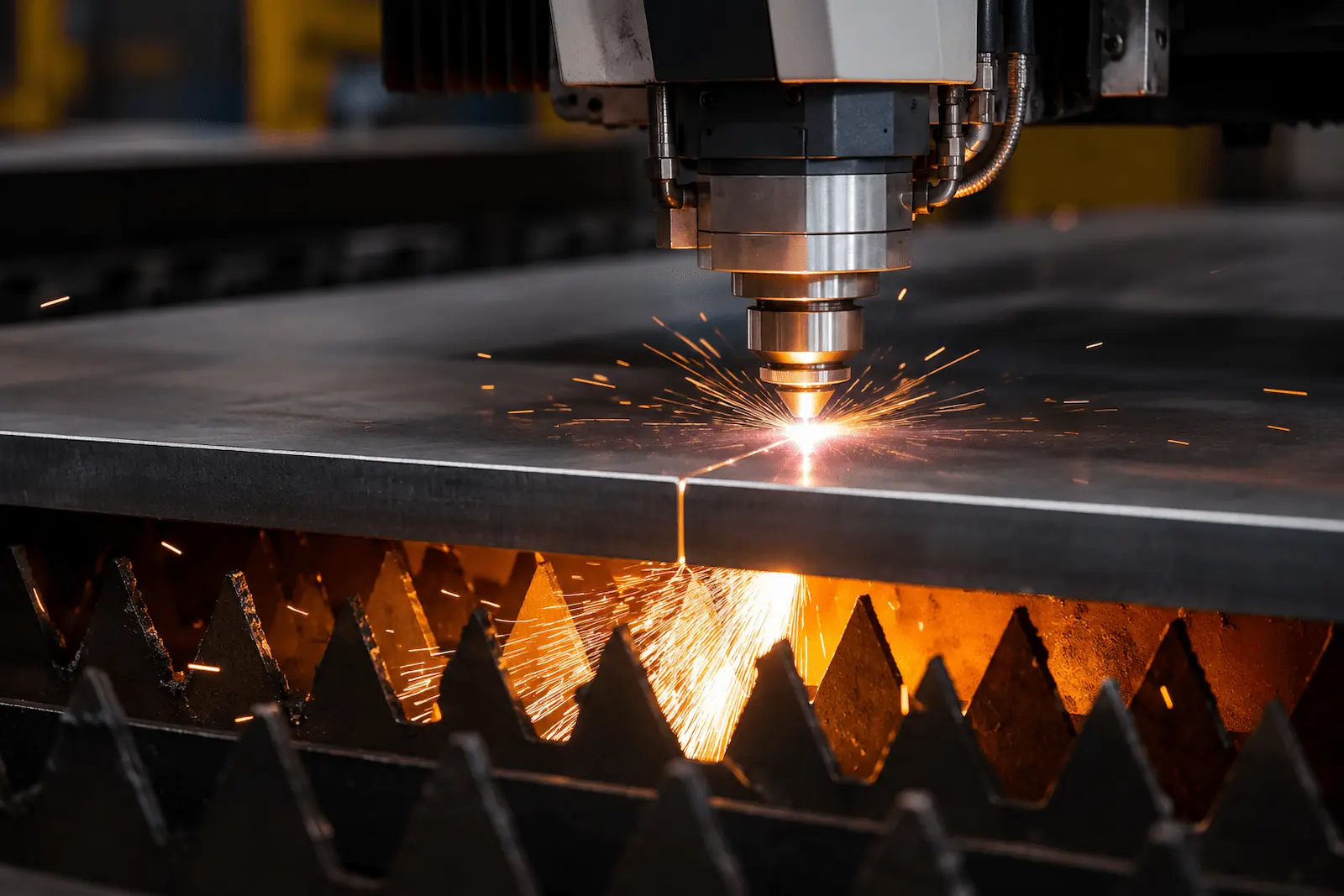
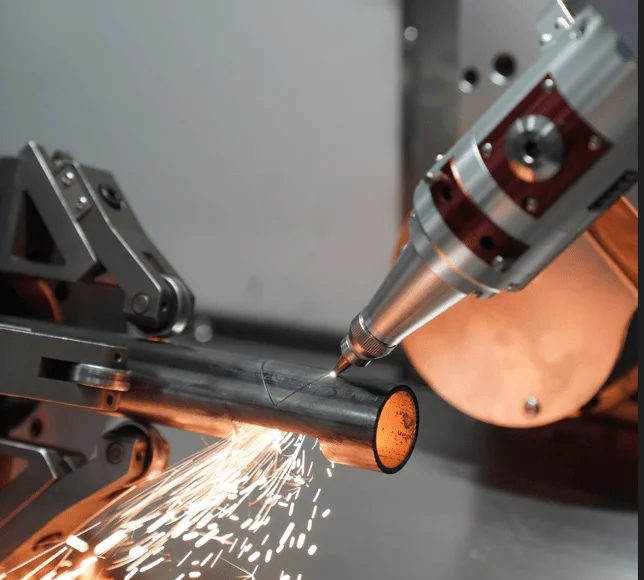
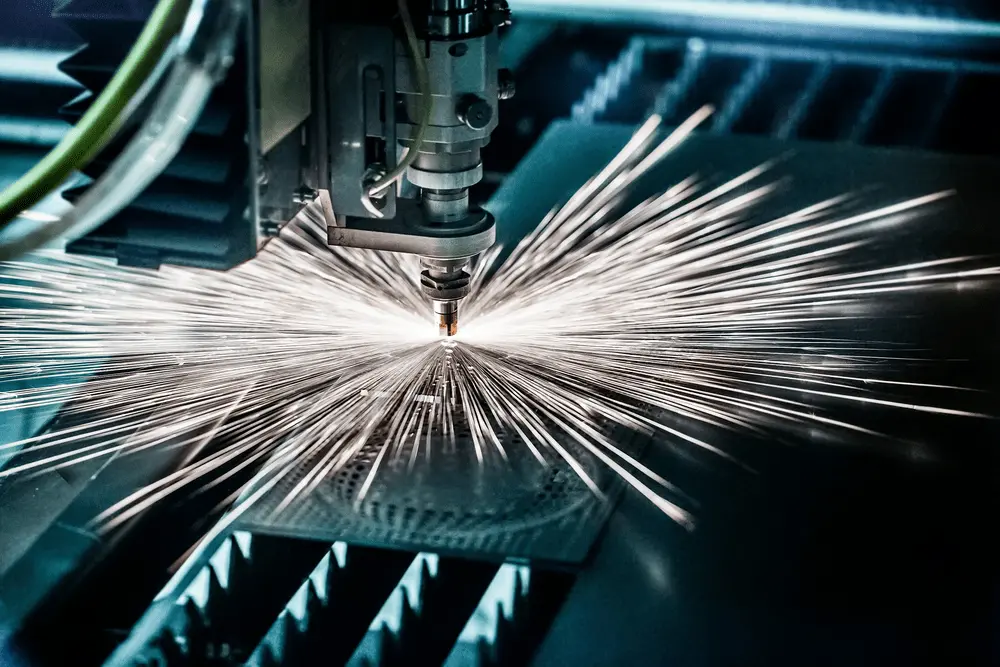
レーザー切断アクリルは、高出力のレーザービームを使用して材料を精密に切断します。レーザービームがアクリルを溶融または蒸発させ、きれいなエッジを作り出します。切断速度と品質はアクリルの厚さに影響され、一般的な厚さは1/8インチから1インチの範囲です。.
技術的な詳細
レーザー切断プロセスをよりよく理解するために、いくつかの主要な技術的パラメータを探ってみましょう。
- レーザー出力: 通常、切断の厚さと速度の要件に応じて、40Wから150Wの範囲です。.
- 40-60W: 薄いアクリル(1/8インチ未満)に適しています
- 80-100W: 中程度の厚さ(約1/4インチ)
- 120-150W: 厚いアクリル(1/2インチ以上)
- 切断速度: 出力と厚さに密接に関連しています。.
- 薄い材料(1/8インチ): 20-30 mm/秒
- 中程度の厚さ(1/4インチ): 10-15 mm/秒
- 厚い材料(1/2インチ): 5-8 mm/秒
- 周波数: 通常500〜5000Hzの間で、切断エッジの滑らかさに影響します。.
- 低周波数(500-1000Hz): 厚い材料に適していますが、エッジが粗くなる可能性があります
- 高周波数(3000-5000Hz): 薄い材料に最適で、より滑らかなエッジを生成します
- 焦点距離: 通常1.5〜2インチで、材料の厚さに基づいて正確な調整が必要です。.
これらのパラメータの組み合わせが切断品質を決定します。例えば、1/4インチ厚のアクリルの場合、次の設定を試すことができます。
- 出力: 100W
- 速度: 12 mm/秒
- 周波数: 2000Hz
- 焦点距離: 1.75インチ
これらは一般的なガイドラインであり、実際の設定は特定の機器や材料に基づいて微調整が必要な場合があることに注意してください。.
メリット
- 高精度: 複雑で入り組んだデザインを可能にします
- 廃棄物の削減: 精密な切断が材料のロスを最小限に抑えます
- カスタマイズ: さまざまなプロジェクトのニーズに柔軟に対応します
安全上の考慮事項
- 有害な煙を避けるために適切な換気を確保してください
- 保護眼鏡を着用してください
- 機器メーカーのガイドラインを厳守してください
レーザー切断アクリルの利点
精密な切断
レーザー切断はアクリル材料に 高い精度 を提供します。この技術は集束光を使用してきれいなエッジを作り出します。これにより、従来の方法では達成が難しい複雑なデザインが可能になります。例えば、レーザーアクリルカットデザインは、欠けや粗いエッジなしに複雑な形状や細かいディテールを特徴とすることができます。.
速度と効率
レーザー切断はまた高速です。アクリルの大きなシートを迅速に処理できます。この効率性は生産中の時間を節約します。この方法を使用すると、厳しい納期にもより簡単に対応できることに企業はしばしば気づきます。かつて数日かかっていたプロジェクトが、今では数時間で完了できます。.
汎用性
アクリルレーザー切断は多用途です。薄いシートから厚いパネルまで、さまざまな厚さのアクリルにうまく対応します。デザイナーは、看板、ディスプレイ、カスタムプロジェクトなど、さまざまな用途に使用できます。この適応性により、アーティストや製造業者の間で人気があります。.
費用対効果
レーザー切断を使用すると廃棄物を削減できます。精密な切断により、ミスが減り、スクラップ材料が少なくなります。この費用対効果は、品質を維持しながら経費を削減したい多くの企業にとって魅力的です。.
美観の向上
魅力的なアクリルレーザーデザインは、視覚的に際立つことがよくあります。滑らかなエッジと透明な仕上がりが、プロジェクトをプロフェッショナルに見せます。この美的魅力は顧客を引き付け、ブランドイメージを向上させます。.
適切なアクリルタイプの選択
不透明アクリル
不透明アクリルは、ソリッドカラーを提供します。光を遮り、プライバシーを確保します。このタイプは、作成に最適です アクリルサイン or decorative pieces. The lack of transparency allows for vibrant colors and unique designs.
Choosing opaque acrylic can enhance your project’s visual impact. It is often used in displays and partitions. This material is also durable, making it suitable for outdoor use.
Clear Acrylic
Clear acrylic is known for its glass-like appearance. It allows maximum light transmission. This makes it a popular choice for projects that require clarity, such as display cases or protective barriers.
Clear acrylic sheets are available in various thicknesses. They can be easily cut into different shapes. Many artists and designers prefer this option for their acrylic projects.
Cast Acrylic
Cast acrylic is a high-quality option for laser cutting. It has a consistent thickness and smooth edges after cutting. This type withstands weathering better than other acrylic materials.
Cast acrylic is less prone to scratching and yellowing over time. This durability makes it ideal for long-lasting acrylic parts and products.
Different Acrylic Sheets
Different acrylic sheets come in various colors, textures, and finishes. You can find transparent acrylics, frosted options, and even metallic finishes. Each sheet serves specific purposes based on the desired effect.
Understanding these differences helps in selecting the right acrylic cutting option for your needs. The right choice can elevate your final product’s quality and appearance.
Tips for Effective Laser Processing
Choose Thickness Wisely
Select the right thickness of acrylic for your project. Thinner acrylics cut faster but may not be as durable. A thickness of 1/8 inch is often ideal for many applications.
Thicker materials, like 1/4 inch, require more power and slower speeds. This can lead to better quality cuts, but it also increases processing time.
Optimize Settings
Adjusting the laser settings is crucial. Use a higher power setting for thicker parts. For thinner sheets, lower power works best.
Speed also plays an important role. Faster speeds reduce cutting time but may result in incomplete cuts. Balancing speed and power ensures clean edges.
Focus the Beam
The laser beam’s focus affects the quality of the cut. A well-focused beam produces cleaner edges and minimizes melting.
Regularly check and adjust the focus to maintain optimal performance. This step is essential for achieving high-quality results.
Test Cuts
Perform test cuts before starting on the final piece. This helps identify the best settings for your specific material and design.
Testing allows customers to see how different settings impact the final product. Adjust based on these observations to ensure satisfaction.
Safety First
Always prioritize safety when using laser cutters. Wear protective gear like goggles and gloves. Ensure proper ventilation to avoid inhaling harmful fumes.
Following these tips will improve your experience with laser cutting acrylic. Quality results depend on careful attention to detail and settings.
Safety Measures in Acrylic Laser Cutting
Personal Protective Equipment
Proper personal protective equipment (PPE) is essential during acrylic laser cutting. Users should wear safety goggles to protect their eyes from bright laser light. Gloves can prevent cuts from sharp acrylic edges. Masks are important as they filter out fumes produced during the cutting process.
Ventilation Systems
Effective ventilation systems help remove harmful fumes and particles. Acrylic releases toxic gases when heated. A well-ventilated workspace reduces the risk of inhaling these substances. Using fume extractors or exhaust fans ensures a safer environment for operators.
Fire Safety Precautions
Implementing fire safety precautions is crucial in any laser cutting operation. Acrylic is flammable, so it’s vital to keep flammable materials away from the cutting area. Operators should have fire extinguishers nearby and know how to use them. Regularly inspecting equipment can also prevent overheating and potential fires.
Machine Settings
Correct machine settings play a significant role in safety. Operators must adjust power levels and speed according to the thickness of the acrylic being cut. Overpowered lasers can cause excessive heat, leading to accidents or fires. Following manufacturer guidelines ensures safe operation.
Emergency Procedures
Establishing clear emergency procedures is necessary for quick responses to incidents. All personnel should be trained on what to do in case of an emergency, including how to shut down the machine safely. Regular drills can prepare everyone for real situations.
導入事例
To illustrate practical applications of laser cutting acrylic, let’s examine two case studies:
Case 1: Custom Lighting Design
An interior designer used laser cutting technology to create a unique pendant light design.
- Material Used: 1/4 inch thick clear acrylic
- Design: Complex geometric pattern allowing light to pass through, creating fascinating shadow effects
- Cutting Settings:
- Power: 90W
- Speed: 14 mm/second
- Frequency: 2500Hz
Result: Exquisite light fixtures with smooth edges requiring no post-processing. The designer was able to quickly prototype and adjust designs, with the final product receiving high praise from clients.
Case 2: Large Corporate Signage
An advertising company was tasked with producing a 5 feet x 3 feet company logo.
- Material Used: 1/2 inch thick colored acrylic
- Design: Large logo containing fine text and graphic elements
- Cutting Settings:
- Power: 130W
- Speed: 6 mm/second
- Frequency: 1000Hz
Challenge: The large size required precise material handling and multiple cutting passes.
Result: Through careful planning and execution, a clear and sharp large-scale logo was successfully produced, significantly enhancing the client’s brand image.
These cases demonstrate the versatility and precision of laser cutting in projects of different scales and complexities.
Latest Technological Developments
Laser cutting technology continues to evolve. Here are some recent developments:
- ファイバーレーザー: Offer higher energy efficiency and finer cutting capabilities compared to CO2 lasers. Particularly suitable for cutting thin acrylic sheets.
- Automated Systems: Integrate machine vision and AI for more precise cutting path planning and material utilization optimization.
- Multi-Axis Cutting: Allows cutting in 3D space, opening new possibilities for creating complex three-dimensional structures.
- Green Laser Technology: Uses more environmentally friendly laser sources, reducing energy consumption and harmful emissions.
These innovations are expanding the application range of laser cutting acrylic, making it capable of meeting a wider array of industrial and artistic needs.
Environmental Impact and Sustainability
While laser cutting offers many advantages, it’s important to consider its environmental impact:
- Energy Consumption: Laser cutting machines consume significant electricity. Consider using renewable energy sources or high-efficiency equipment to reduce carbon footprint.
- Waste Management: Optimize cutting layouts to minimize waste. Consider recycling acrylic scraps left after cutting.
- Fume Emissions: Install efficient filtration systems to reduce the release of harmful substances into the environment.
- Material Choice: Consider using recyclable or bio-based acrylic to reduce dependence on petroleum-based products.
By adopting these measures, the negative environmental impact of laser cutting acrylic can be significantly reduced.
Cost Analysis
Understanding the cost structure of laser cutting acrylic is crucial for project planning:
- Equipment Costs:
- Entry-level laser cutters: $5,000 – $15,000
- Professional-grade equipment: $20,000 – $50,000+
- Material Costs:
- Standard clear acrylic (1/4 inch thick): $2-$4/square foot
- Specialty or colored acrylic: $5-$10/square foot
- Operating Costs:
- Electricity: Approximately $0.5-$1/hour (depending on machine power and local electricity rates)
- Maintenance: 5-10% of equipment cost annually
- Labor Costs:
- Operator wages: $15-$25/hour (varies by region)
Compared to traditional cutting methods:
- Higher initial investment, but more cost-effective in the long run
- Greater precision means less waste and rework
- Ability to take on complex projects, increasing profit margins
ROI Example: A $30,000 laser cutter completing $10,000 worth of projects monthly, after deducting material and operating costs, could potentially achieve return on investment within 12-18 months.
With careful planning and effective utilization, laser cutting acrylic can be a profitable investment.
結論
Mastering laser cutting acrylic technology opens up endless possibilities for your projects. By understanding process details, choosing appropriate materials, applying effective techniques, and considering safety and environmental factors, you can fully leverage this innovative technology. As the technology continues to advance, the applications of laser cutting acrylic will expand, bringing new opportunities to creative and industrial fields.
Now, armed with this knowledge, you’re ready to begin your laser cutting journey. Experiment, innovate, and let your creativity shine! Don’t forget to share your experiences with other enthusiasts and continue learning and growing. Best of luck with your next project!