はじめに:完璧なパイプラインの課題
地下パイプラインの建設—特に重力流システム—は、基本的な工学上の課題を提示します:完全に一貫した勾配(一般に「グレード」と呼ばれる)を維持することです。下水管や雨水排水などの用途では、重力がシステム内で流体を移動させる唯一の力です。微妙な高所や低所などのわずかな偏差でも、流れを妨げ、堆積物の蓄積、閉塞、および早期のシステム故障につながる可能性があります。.
従来、作業員は杭、ひも、および手動レベルに頼って、位置合わせと勾配を制御していました。ある程度は効果的ですが、これらの方法は時間がかかり、累積的な人為的ミスが発生しやすいです。今日では、この重要な作業は、地下パイプ設置専用に設計された特殊な位置合わせツールであるパイプレーザーを使用して、はるかに正確かつ効率的に処理されています。.
このガイドでは、パイプレーザーとは何か、その仕組み、そして現代のパイプライン建設において不可欠なツールとなった理由を説明します。.
パイプレーザーとは何か?
パイプレーザーは、パイプの位置合わせと勾配の基準線として機能する高精度のレーザービームを投影する精密建設機器です。その主な目的は、パイプの各セクションがプロジェクト設計で指定された正確な勾配、方向、および高さで設置されることを保証することです。.
過酷な地下環境向けに設計されたパイプレーザーは、頑丈で防塵性のあるハウジングを備え、多くのプロフェッショナルモデルは、濡れたトレンチや狭いスペースでの使用のために高いレベルの防水・防塵保護を提供します。一定の可視基準を提供することにより、パイプレーザーは設置作業員が従来の方法よりもはるかに高い精度で一貫した結果を達成できるようにします。.

パイプレーザーが使用される場所
パイプレーザーは、精密な位置合わせが重要となる地下および視認性の低い建設環境で広く使用されています。一般的な用途には以下が含まれます:
- 下水道および廃水パイプラインの設置
- 雨水排水システム
- 地下ユーティリティパイプライン(水道、ガス、電気導管、および通信ダクト)
- 非開削工法およびパイプジャッキングプロジェクト
- パイプラインの更生および交換
- トンネルおよび鉱業関連の位置合わせ作業
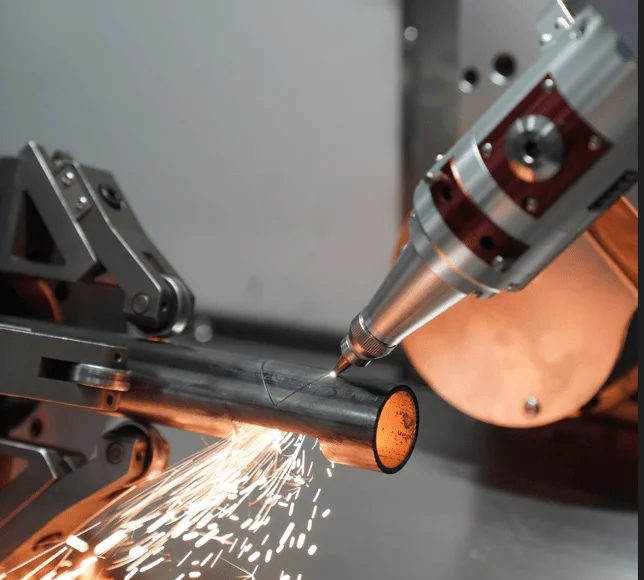
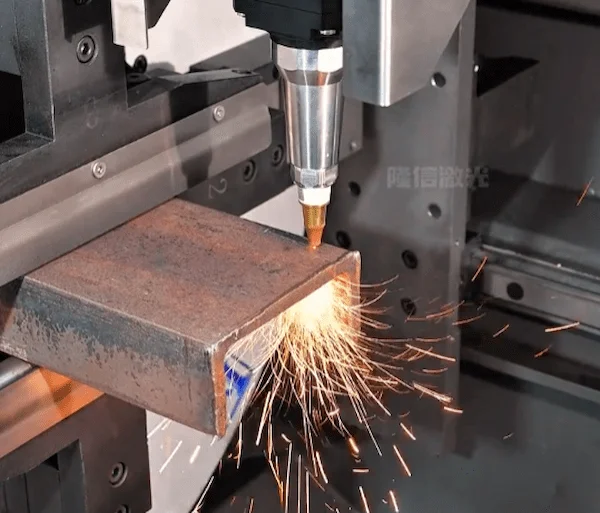
材料処理ではなく位置合わせにおける役割のため、パイプレーザーは産業用レーザー切断システムと混同されることがよくあります—これは明確にする価値のある違いです。.
パイプレーザー vs. パイプレーザー切断機
類似した用語を共有しているにもかかわらず、これらの2つのツールは完全に異なる目的を果たします。.
| パイプレーザー(建設用) | パイプレーザー切断機 (産業用加工) |
|---|---|
| 現場用のポータブル位置合わせツール | 工場で使用される大型CNC機械 |
| 基準線としてレーザービームを投影する | 高出力レーザーを使用して金属を切断する |
| パイプの正しい勾配と位置合わせを保証する | 金属管を切断、面取り、および成形する |
| 土木およびユーティリティ建設で使用される | 金属加工および製造で使用される |
この記事は専ら 建設用パイプレーザー, に焦点を当てており、これは設置中の位置合わせと勾配制御に使用されます。.
パイプレーザーはどのように機能するか?
パイプレーザーは、勾配計算を可視のレーザー基準線に変換します。内部では、電子センサー、精密モーター、およびレーザーダイオードを組み合わせて、正確に制御された角度でビームを投影します。.
パイプまたはトレンチに配置されると、レーザーは意図したパイプライン経路に沿ってビームを発し、設置者が作業の進行に合わせて各パイプセクションを正確に位置合わせできるようにします。.
レーザービームの色:赤 vs. 緑
パイプレーザーは一般的に赤または緑のレーザービームで利用可能です。両方とも同じレベルの測定精度を提供します;違いは視認性とエネルギー消費にあります。.
| 特集 | 赤色ビーム | 緑色ビーム |
|---|---|---|
| 視認性 | 通常の条件下で良好 | 人間の目には著しく明るく見える |
| 最適な用途 | 標準的な屋内または低照度環境 | 明るい屋外または高周辺光条件 |
| 電力効率 | 一般的にエネルギー効率が高い | 通常より多くの電力を消費する |
赤と緑の選択は、通常、現場の照明条件と予想される稼働時間に依存します。.
パイプ勾配の理解
The “grade” of a pipeline refers to its slope, calculated as the vertical drop divided by the horizontal distance and expressed as a percentage. For example, a pipe that drops 2 units vertically over 100 units horizontally has a grade of −2.0%.
Pipe lasers allow operators to enter the required grade directly through a digital interface. The system then automatically adjusts the beam angle to match the specified slope, ensuring consistent gravity flow throughout the pipeline.
8. Self-Leveling and Cross-Axis Compensation
Modern pipe lasers include automated features that improve accuracy and reduce setup time:
Self-leveling: The laser automatically levels itself within its operating range, ensuring the projected grade is accurate without manual adjustment.
Cross-axis compensation (on equipped models): This feature detects and corrects sideways tilt caused by uneven trench surfaces, keeping the beam correctly aligned even when the housing is not perfectly level.
These functions allow crews to place the laser quickly and begin work with confidence.
9. Why Precision Matters in Gravity-Flow Pipelines
Gravity-driven pipelines rely entirely on consistent slope to function correctly. Professional-grade pipe lasers are capable of very high alignment accuracy, often measured in millimeters over long distances. This level of precision helps prevent the formation of sags or high points that can trap debris and cause long-term maintenance problems.
Compared with traditional manual leveling methods, pipe lasers significantly reduce the risk of rework, saving time, labor, and excavation costs.
10. Pipe Lasers vs. Traditional Alignment Methods
| 特集 | Pipe Laser | 従来の方法 |
|---|---|---|
| 精度 | Very high and repeatable | Dependent on operator skill |
| Setup Time | Fast and efficient | Slow and labor-intensive |
| Labor Requirements | Often single-operator | Typically requires multiple workers |
| 信頼性 | Stable reference over long distances | Susceptible to movement and environmental factors |
11. Productivity-Enhancing Features
Many modern pipe lasers include intelligent monitoring and control functions designed to improve job site efficiency, such as:
- Line monitoring alerts to detect movement or disturbance
- Vertical beam or line-check functions for rapid setup and verification
- Remote control operation to adjust settings without entering the trench
- Optional targets or receivers that assist with long-distance alignment and grade verification
The availability of these features varies by model, but they all serve the same purpose: reducing setup time and minimizing costly errors.
12. Conclusion
Pipe lasers have become a foundational tool in modern pipeline construction. By replacing manual alignment methods with a precise, stable laser reference, they enable faster installation, higher accuracy, and long-term reliability. Whether installing sewer lines, stormwater systems, or underground utilities, pipe lasers help ensure that critical infrastructure is built to perform as designed—efficiently, safely, and with lasting quality.
よくある質問
What is a pipe laser used for?
A pipe laser is used to accurately align and set the slope of underground pipelines, especially gravity-flow systems such as sewer and stormwater pipes.
Is a pipe laser the same as a laser cutting machine?
No. A pipe laser is an alignment and measurement tool used in construction, while a pipe laser cutting machine is an industrial system used to cut metal tubes.
How accurate is a pipe laser?
Professional pipe lasers can achieve very high accuracy, typically within a few millimeters over long distances, depending on the model and setup conditions.
Can pipe lasers be used in wet trenches?
Yes. Many pipe lasers are designed for underground environments and offer high levels of water and dust protection for use in wet or muddy conditions.
What is the difference between red and green pipe lasers?
Both provide the same accuracy, but green lasers appear brighter to the human eye, making them easier to see in bright environments.