レーザー切断は、今日利用可能な金属加工技術の中で最も精密で効率的なものの一つとして広く認識されています。しかし、多くの購入者にとって、最初の見積もりは驚くべきもの、あるいは衝撃的でさえあるかもしれません。部品を外注する場合でも、自社工場用のレーザー切断機を評価する場合でも、ほぼ必ず次の疑問が浮かびます。
レーザー切断はなぜそんなに高価なのか?
端的に言えば、その価格は単なる「金属の切断」以上のものを反映しています。詳細には、資本設備、エネルギー消費、アシストガス、熟練労働、精度要件、そして長期的な運用経済性が関わってきます。この記事では、レーザー切断の背後にある実際のコストを分解し、実際に最もコスト効率の高いソリューションとなる場合について説明します。.
レーザー切断機の高い資本コスト
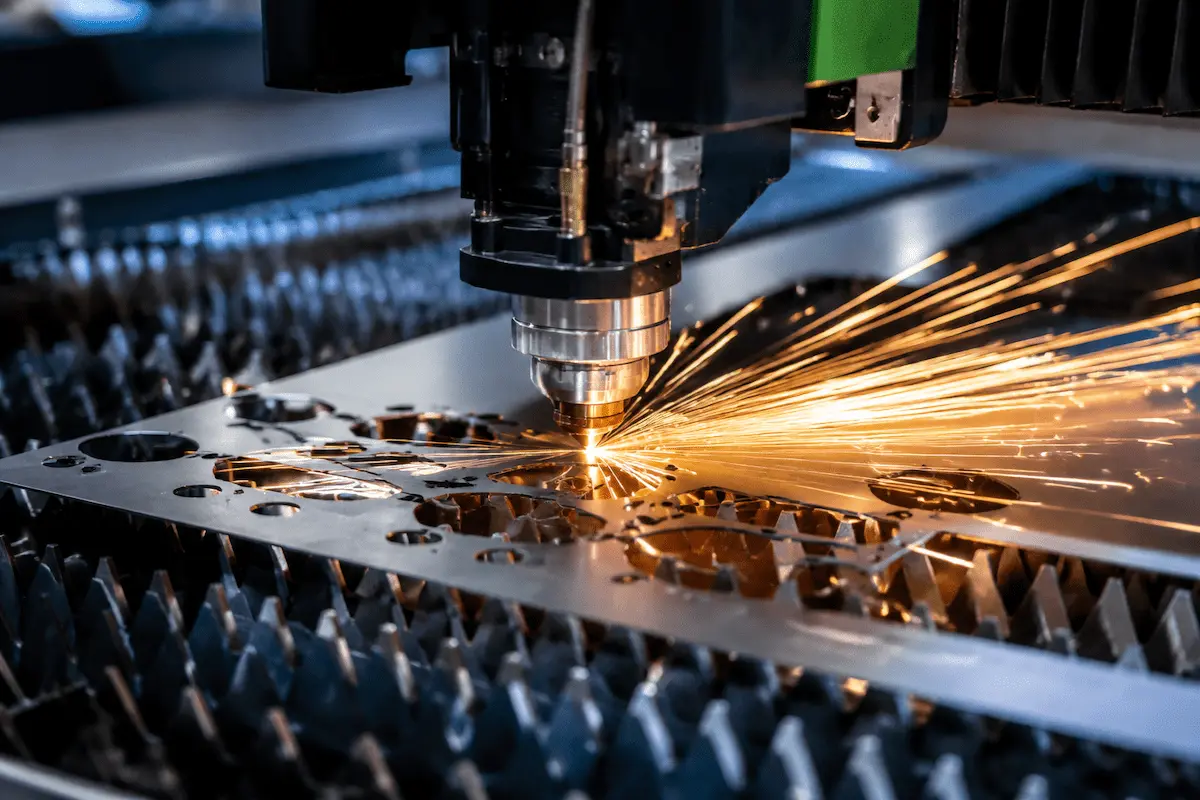
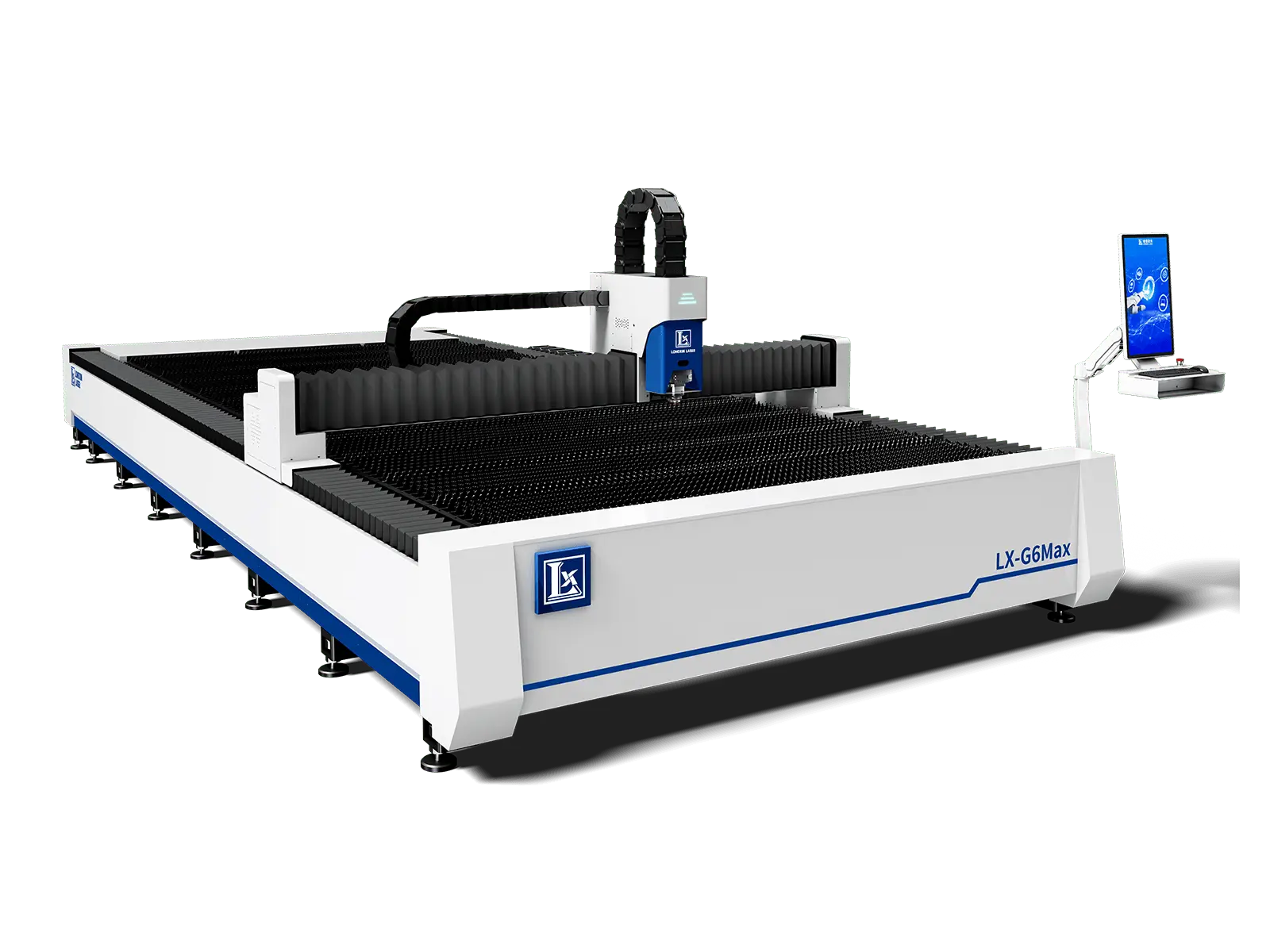
レーザー切断の価格設定の核心にあるのは、機械そのものです。 産業用レーザー切断機 は単純なツールではなく、光学、電子工学、モーションコントロール、ソフトウェア、そして重機械工学を組み合わせた複雑なシステムです。.
- 現代のファイバーレーザー切断システムには、通常以下のものが含まれます。
- 高出力ファイバーレーザー光源
- 精密CNCモーションシステムとサーボドライブ
- 剛性が高く、応力除去された機械ベッド
- オートフォーカスと衝突保護機能を備えたインテリジェント切断ヘッド
- 冷却、集塵、安全システム
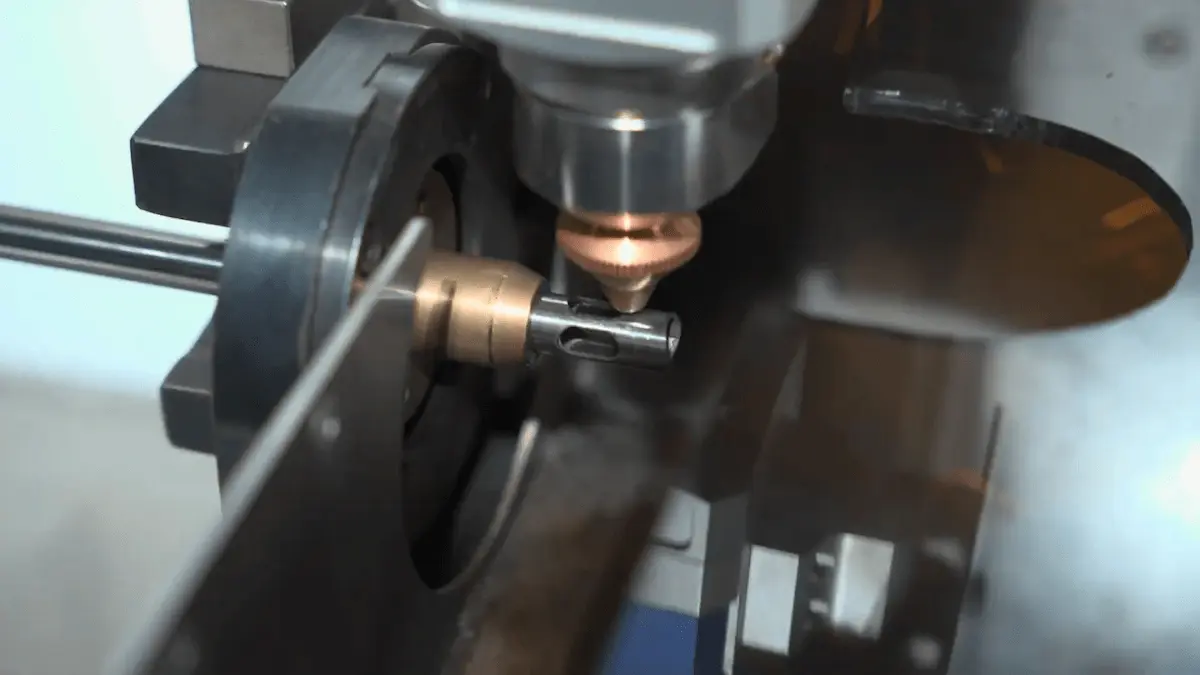
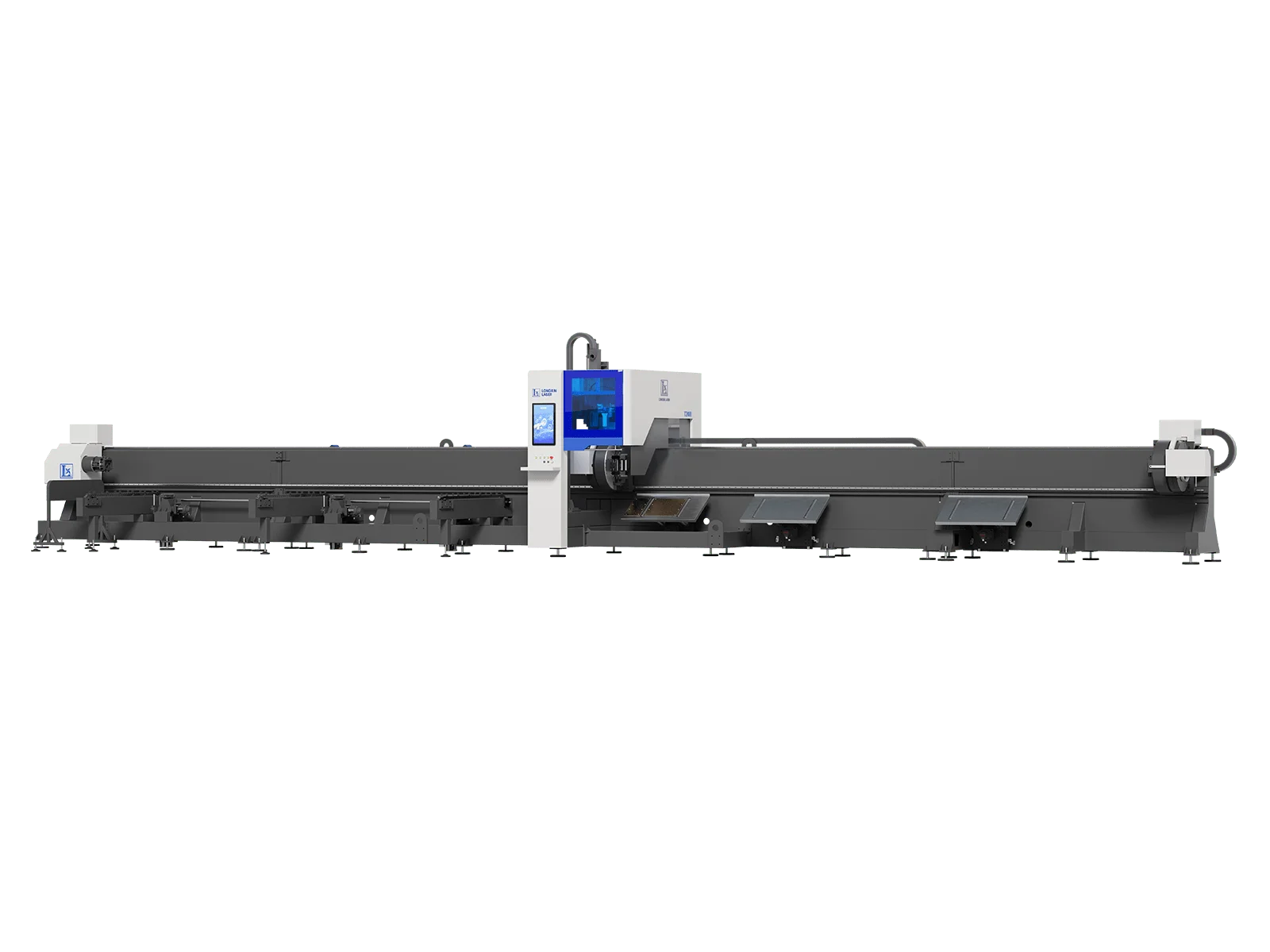
これらの各コンポーネントは、極めて厳しい公差で製造されています。ミクロンレベルでの位置決め精度を維持するには、高品質の材料、高度な機械加工、そして厳格な品質管理が必要です。これは、大判シート加工機や、回転精度と同期がさらなる複雑さを加えるレーザーパイプ切断機のような特殊なシステムに特に当てはまります。.
従来の機械設備とは異なり、レーザーシステムはフォトニクス技術にも大きく依存しています。高品質のレーザー光源は、長寿命、安定した出力、高い電気効率を目指して設計されており、これらすべてが初期投資を増加させますが、長期的な運用リスクを低減します。.
エネルギー消費とアシストガスコスト
機械そのもの以外にも、レーザー切断には購入者には見えにくい継続的な運用コストがかかります。.
電力使用量
現代のファイバーレーザーは旧式のCO₂システムよりも大幅にエネルギー効率が高いですが、高出力切断は依然としてかなりの電力を消費します。1日に複数シフト稼働する6~12 kWのレーザーは、特に産業用電気料金が高い地域では、意味のあるエネルギー費用となります。.
しかし、電気効率の高さこそが、多くのメーカーが設備をアップグレードする理由でもあります。切断速度が速いということは、ピーク電力が高くても、部品あたりのエネルギー消費量が少なくなることを意味します。.
アシストガス:酸素、窒素、空気
- アシストガスの選択は、切断コストに大きな影響を与えます。
- 酸素は炭素鋼に一般的に使用されます。比較的安価で、発熱反応によって切断速度を向上させます。.
- 窒素は、ステンレス鋼、アルミニウム、および酸化が許容されない用途に必要です。窒素は、特に高圧では著しく高価です。.
圧縮空気は、薄い材料や重要でない部品に対する低コストの代替手段となり得ます。.
ステンレス鋼やアルミニウムを大規模に加工する工場にとって、窒素消費量は最大の経常コストの一つとなり、時には電気代を上回ることもあります。これが、多くの大量生産ユーザーがオンサイトの窒素生成システムに投資する理由の一つです。.
|
ガスの種類
|
熱力学的役割
|
圧力レベル
|
相対コスト
|
|---|---|---|---|
|
酸素 (O2)
|
発熱(熱を追加)
|
低圧 (2~6 bar)
|
低:1時間あたり$2~$5
|
|
窒素 (N2)
|
不活性 (機械的除去)
|
高圧 (10~25 bar)
|
高コスト: $15 – $25/時間
|
|
圧縮空気
|
ハイブリッド (78% N2, 21% O2)
|
高圧 (16~20 bar)
|
効率的: $1 – $2/時間
|
素材の種類と厚さは想像以上に重要
すべてのレーザー切断作業が同じではありません。素材の選択は、切断速度、ガス消費量、消耗品の摩耗に大きく影響します。.
主なコスト要因は以下の通りです:
- 素材の種類: ステンレス鋼とアルミニウムは不活性ガスが必要です。銅と真鍮は反射率が高く、高度な光学系とプロセス制御が求められます。.
- 厚さ: 厚さが増すにつれて切断速度は非線形的に低下し、部品あたりの機械稼働時間が増加します。.
- Surface condition: Rust, coatings, or inconsistent material quality can slow production and increase scrap rates.
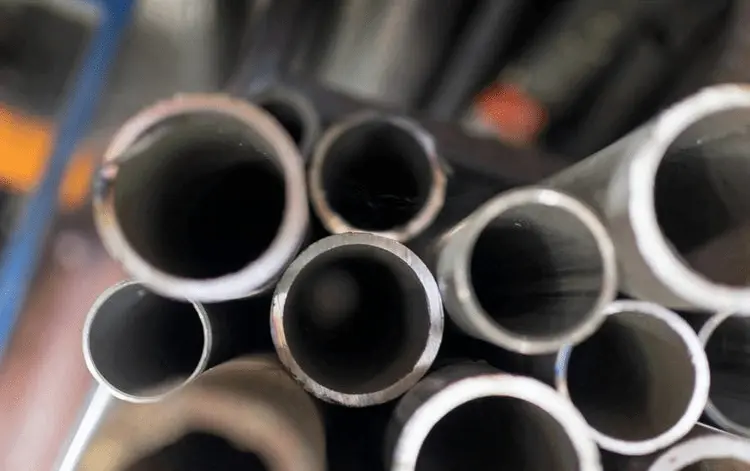
For tube and profile processing, these variables become even more important. A レーザーパイプ切断機 must handle different diameters, wall thicknesses, and shapes while maintaining rotational accuracy, which directly impacts cycle time and cost.
Precision, Tolerance, and Edge Quality Are Part of the Price
Laser cutting is often chosen not because it is cheap, but because it is accurate.
Typical industrial laser systems can achieve:
- High positional accuracy and repeatability
- Clean, narrow kerfs
- Minimal thermal distortion
- 優れたエッジ品質
This level of precision often eliminates secondary operations such as grinding, deburring, or manual fitting. When evaluating cost, it is critical to consider not just the cutting price, but the total process cost. In many cases, laser cutting reduces overall labor hours and improves consistency across large production runs.
Skilled Labor, Programming, and Setup Time
Despite automation, laser cutting is not a “push-button” process. Skilled human expertise is embedded in every quote.
Labor costs include:
- CAD/CAM programming and nesting optimization
- Parameter tuning for new materials or thicknesses
- Machine setup, loading, and unloading
- Preventive maintenance and troubleshooting
For small batches or prototypes, setup and programming time may represent a significant portion of the total price. In contrast, high-volume production benefits from amortized setup costs, making laser cutting far more economical per part.
Consumables, Maintenance, and Downtime Risk
Laser cutting systems rely on consumables that must be replaced regularly:
- Protective lenses and nozzles
- Filters for dust and fume extraction
- Cooling system components
In addition, unplanned downtime carries a real financial risk. Optics damage, chiller failure, or alignment issues can be expensive if not managed proactively. This is why many professional shops factor preventive maintenance and service contracts into their hourly cutting rates.
Low Volume vs Mass Production Economics
One of the biggest reasons laser cutting seems expensive is order volume.
- Low volume / custom jobs:
Setup, programming, and machine time are concentrated into a small number of parts, resulting in high unit prices. - Mass production:
Once a process is optimized, laser cutting becomes extremely efficient. High speed, consistent quality, and automation drive unit costs down rapidly.
For companies with steady demand, investing in their own laser cutting machine — or even a dedicated laser pipe cutting machine — can dramatically reduce long-term costs and lead times.
Total Cost of Ownership: When Laser Cutting Is Actually Cheaper
When evaluated correctly, laser cutting often outperforms alternative methods in total cost of ownership (TCO). Factors contributing to lower TCO include:
- Reduced material waste through optimized nesting
- Fewer secondary operations
- Higher repeatability and lower scrap rates
- Faster turnaround and better production planning
In other words, laser cutting may appear expensive on a per-hour basis, but it often delivers the lowest cost per finished part.
How to Reduce Laser Cutting Costs
- Choose the right laser power instead of oversizing equipment
- Optimize part design to reduce cutting length and pierces
- Batch similar jobs to minimize setup time
- Select the most appropriate assist gas strategy
- Invest in automation where volume justifies it
- Evaluate in-house production versus outsourcing using TCO, not hourly rates
よくある質問
Is laser cutting more expensive than plasma cutting?
Laser cutting typically has higher equipment and hourly costs but delivers superior precision and edge quality. For thin to medium thickness materials requiring accuracy, laser cutting often has a lower total cost.
Why is stainless steel laser cutting more expensive?
Stainless steel usually requires nitrogen assist gas to prevent oxidation, increasing gas consumption and cutting cost.
Does laser power affect cutting cost?
Yes. Higher power increases cutting speed but also increases equipment investment. The most cost-effective solution is matching power to your typical material thickness and production volume.
Is it cheaper to buy a laser cutting machine or outsource?
Outsourcing is usually cheaper for low volumes or irregular demand. For consistent production, owning a laser cutting machine can provide faster ROI and better cost control.
How much does laser cutting cost per hour?
Rates vary widely depending on machine type, power, material, gas, and labor costs. Comparing itemized quotes and focusing on total process cost is more reliable than hourly rates alone.
Final Thought
Laser cutting is expensive only if viewed in isolation. When precision, efficiency, and downstream savings are considered, it often becomes the smartest manufacturing investment available.
参考文献
Authoritative sources and further reading: