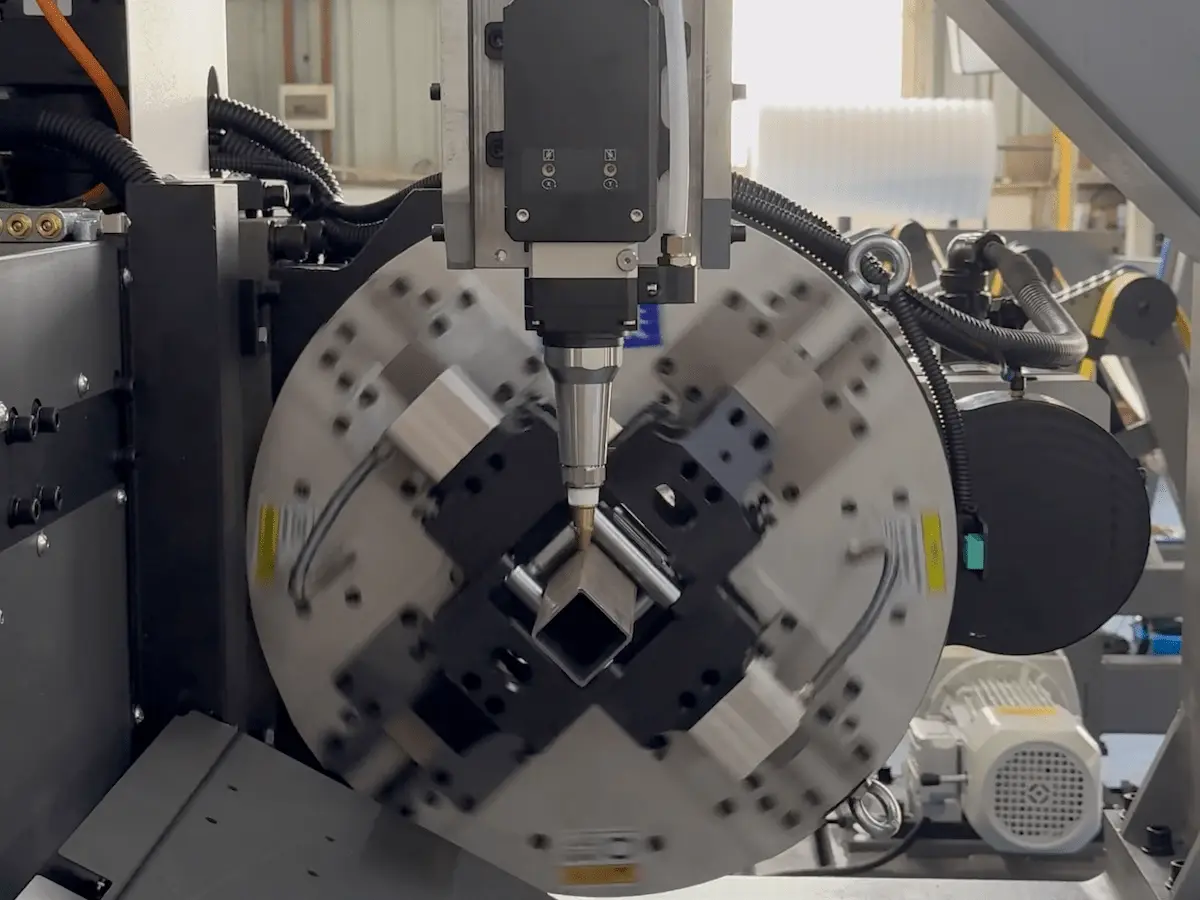












Short answer: wall thickness changes nearly every cost driver in tube laser cutting — cutting speed and pierce time, required laser power, assist-gas consumption, machine wear and secondary finishing — so two tubes that look identical by diameter often cost very different amounts to cut.
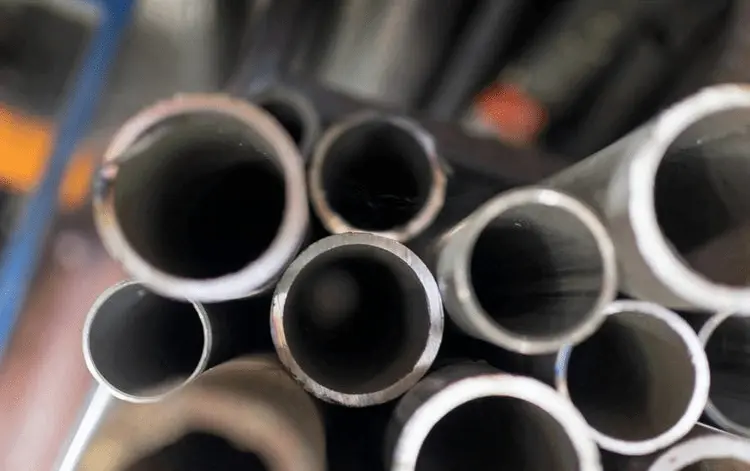
Introduction — why this matters
When sourcing laser-cut stainless steel tubes, many buyers assume identical outer diameter equals identical price. In practice, wall thickness (and the quality tolerance required) is one of the single most important factors that determines processing time and total cost. This article explains the technical reasons behind the price differences and gives practical guidance to purchasing engineers and procurement teams. (The following explanation synthesizes practical shop experience and published evidence.)
1. Cutting speed and cycle time: thickness multiplies time
Laser cutting is commonly billed by machine hour or by cutting length. As wall thickness increases, the effective cutting speed usually drops substantially — often by several times — because the laser must remove more material, and melt ejection becomes harder. For example, tests show increasing laser power from ~6 kW to 15 kW for thick stainless steel can raise cutting speed many-fold; the net result is a big reduction in cost-per-part only if the shop has the correct high-power laser cutting machine.
Practical takeaway: a thicker wall can turn a 1-minute cut into a 5–10-minute cut for the same part geometry; time = money.
2. Piercing time matters (start-hole overhead)
Every cut typically begins with a pierce (even when using lead-ins). Piercing thin walls can be nearly instantaneous; thicker walls require longer, sometimes multiple pulse sequences or staged techniques. Research into laser piercing of stainless steel shows pierce time rises significantly with thickness and is a measurable part of total cycle time for thick sections.
Why that increases cost: longer pierce time per hole multiplies across many holes or parts, increasing total machine hours per job.
3. Required laser power — higher power = higher operating cost
Thicker walls often require higher laser output to keep reasonable cutting speed and cut quality. High-power fiber lasers (and the higher–class machines that house them) have higher rental, capital and hourly operating costs; they also draw more electricity and heat the machine more (increasing cooling/those utility costs). Industry tests show a jump in power often produces a disproportionate increase in speed — but only shops with the correct machine can capitalize on that.
Practical takeaway: quoting should factor the machine class needed (e.g., 4 kW vs 12–15 kW) — not just part length.
4. Assist gas consumption (nitrogen for stainless steel) increases with thickness
To achieve oxidation-free (bright) edges on stainless steel, shops commonly use nitrogen as the assist gas. Thicker sections require higher pressure and longer gas flow to expel molten material from a deeper kerf. Nitrogen is more expensive than oxygen and the cost of gas — especially if using bottled gas vs a PSA (generator) — can become a sizeable portion of per-part cost at higher thicknesses. Industry references and gas suppliers document higher N₂ flow/pressure requirements for thicker stainless cuts.
Practical detail: for certain thick sections, gas cost can reach a significant percentage of the part price — especially for small or intricate parts with long cut lengths.
5. Cut quality, secondary ops and rejects
Thicker walls are more prone to dross (burrs), wider heat-affected zone (HAZ) and distortion; if the buyer requires tight edge quality or dimensional precision, shops must slow the feed, do more parameter optimization and often add manual finishing (deburring/grinding). Those extra steps — or the risk of rework — are priced in.
Buyer tip: clarify acceptable edge finish and tolerances up front — a ‘cheaper’ quote may use faster settings that produce more dross.
6. Machine wear, maintenance and tool life
Cutting thicker sections increases spatter, back-reflection and mechanical load on nozzles, lenses and motion systems. This increases consumable replacement frequency and overall maintenance cost, which shops amortize across jobs. High-duty thick cutting shortens intervals between service checks and replacement of optics.
7. When higher power can reduce cost — but only sometimes
If a shop has the latest ultra-high-power fiber lasers and suitable automation, moving to a higher power can dramatically increase throughput on thick wall parts and reduce cost-per-part. However, not every supplier has that equipment; a lower-power shop will still charge more for the thicker material because cutting is slower. Industry experiments show big speed gains with appropriate power increases, but only where the capital equipment exists.
8. How shops usually quote (and what to ask for)
Common quoting drivers for tube laser cutting:
- Material grade & thickness (explicitly)
- Outer diameter and length (for nesting/hold-down needs)
- Cut complexity / number of pierces and inner contours
- Required edge finish (e.g., bright, oxidation allowed)
- Quantity, lead time and part geometry (long thin parts may need different fixturing)
Questions to get comparable quotes:
- What laser power class will be used for my parts?
- Will you charge for pierce time or per hole?
- Is nitrogen included, and do you use bottled N₂ or on-site generation?
- What tolerance/edge finish are you guaranteeing?
- Can you provide a sample cut of my exact part?
9) Practical cost-saving tips for buyers
- Batch parts to reduce pierce cycles and machine setup time.
- Relax non-critical finish tolerances where possible (accept small burrs if function allows).
- Ask suppliers whether they use a PSA nitrogen generator (lowers gas cost for high volumes).
- If you have many thick parts, source suppliers with higher-power lasers (they may be cheaper per part even if their hourly rate is higher).
Conclusion — thickness isn’t just a dimension, it’s a cost multiplier
Wall thickness influences nearly every element of a tube laser cutting job: time, power, gas, machine wear and secondary processing. When comparing quotes, always insist suppliers break down the assumptions (machine power, gas type, pierce charge, finish) so you compare like-for-like. Doing so avoids surprises and helps you pick the most cost-effective partner for your part mix.