The manufacturing world moves fast, and staying competitive means adopting tools that deliver precision, speed, and flexibility. At Longxin Laser, where I’ve spent years designing and optimizing laser systems, I’ve seen how traditional tube cutting methods can slow down even the most efficient factories. Mechanical saws, drills, and shears have their place, but laser tube cutting machines are transforming operations by tackling complex designs and boosting productivity. Upgrading isn’t just about keeping up—it’s about meeting client demands for quality and quick turnarounds while staying profitable in a cutthroat market.
Limitations of Traditional Tube Cutting
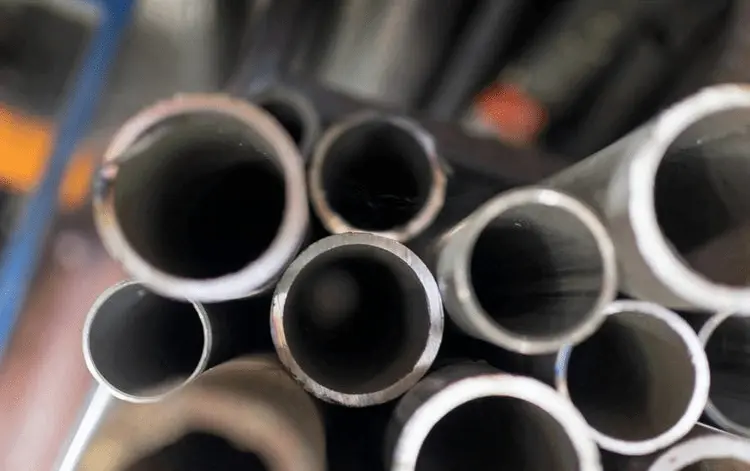
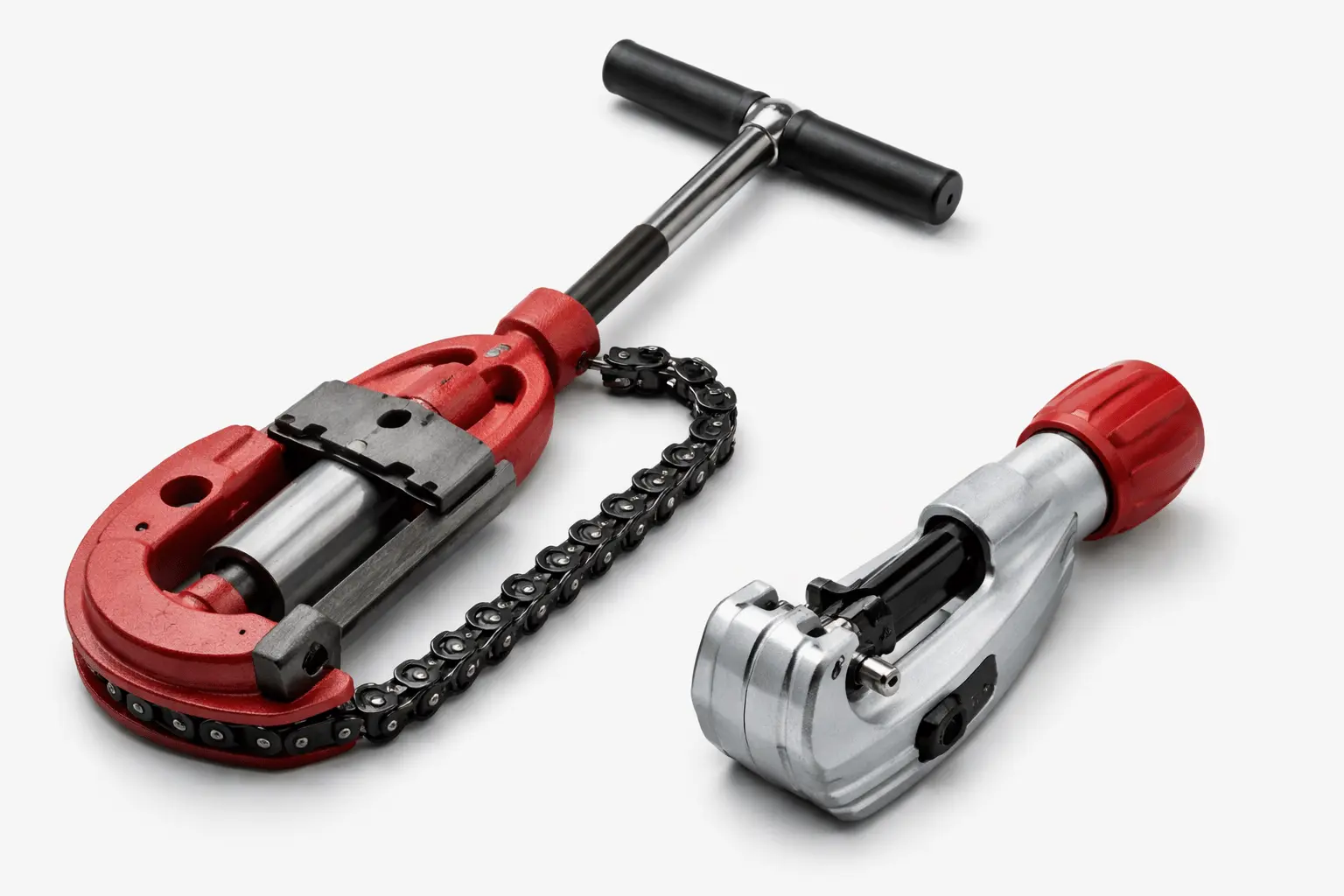
Traditional methods like band sawing, abrasive cutting, or rotary shearing rely on physical force to slice through metal tubes. These techniques work well for simple cuts on materials like mild steel or aluminum, but they hit walls when complexity or volume ramps up. Here’s why they struggle:
- Rough Finishes: Mechanical tools often leave burrs and uneven edges, requiring time-consuming secondary processes like deburring or grinding.
- Material Distortion: Friction generates heat, which can warp thinner tubes, leading to rejects and wasted material.
- Limited Precision: Achieving tolerances tighter than ±0.5 mm is tough, especially on intricate profiles or varying thicknesses.
These drawbacks add up, particularly in industries like automotive or construction, where clean cuts and tight tolerances are critical to meeting specs and avoiding costly rework.
How Laser Tube Cutting Shines
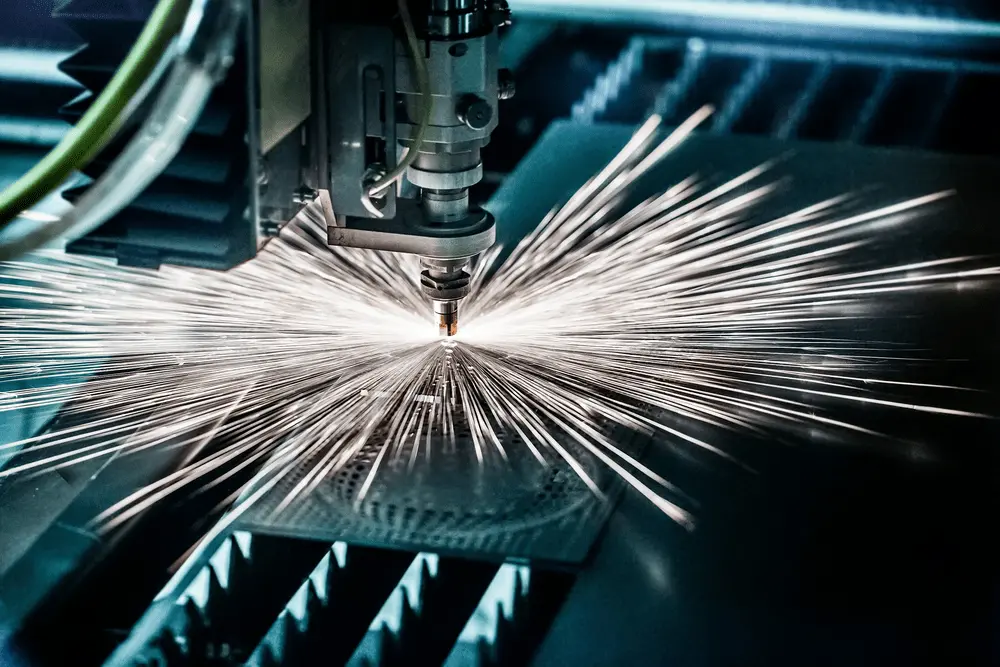
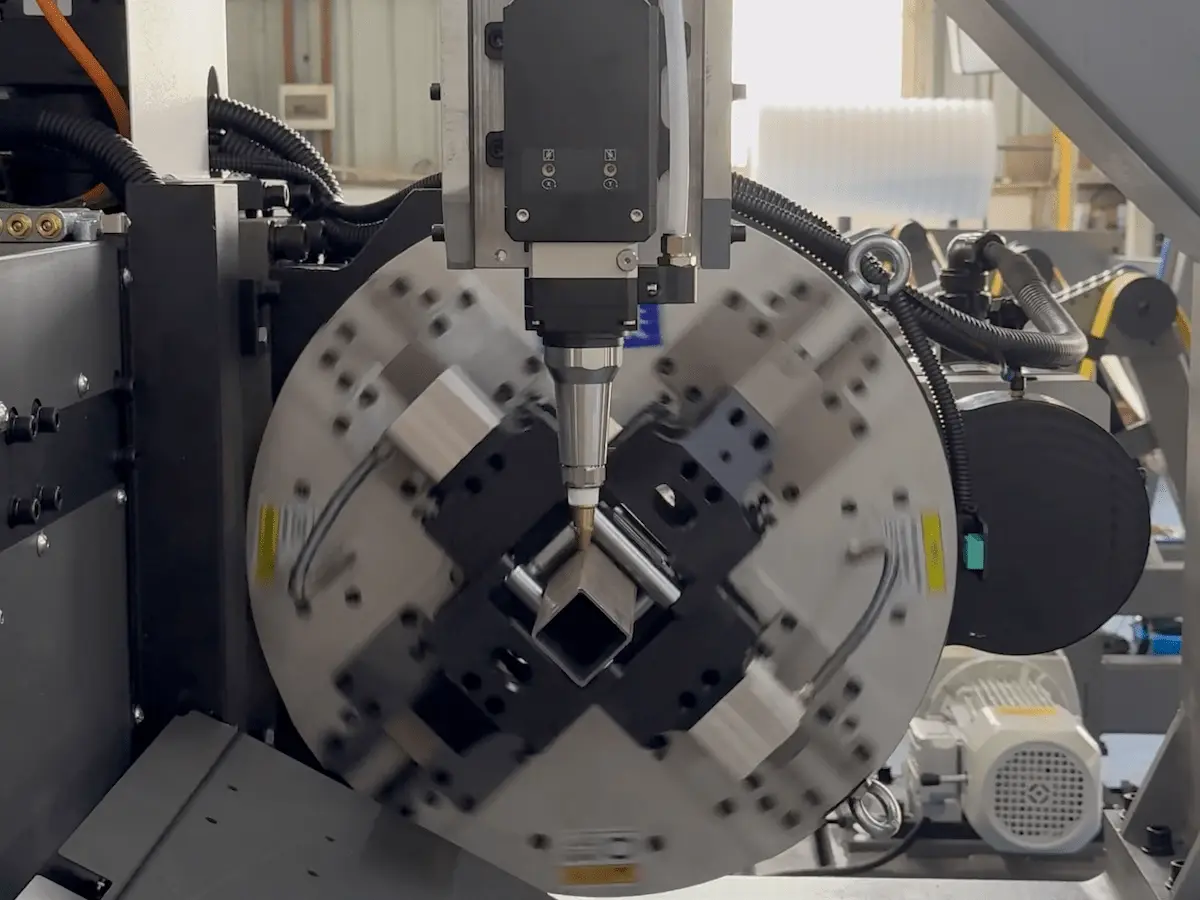
Станки для лазерной резки труб, particularly those using fiber laser technology, offer a leap forward. By focusing a high-powered beam to melt or vaporize material, they deliver unmatched precision without physical contact. Here’s what sets them apart:
- Pinpoint Accuracy: Tolerances as tight as ±0.1 mm, ideal for complex geometries like slots, holes, or bevels in a single pass.
- Versatility: Fiber lasers handle reflective metals like stainless steel and copper, expanding the range of applications.
- No Tool Wear: The non-contact process eliminates blade sharpening or replacements, ensuring consistency over long runs.
At Longxin Laser, our CNC-driven systems let operators program intricate patterns quickly, streamlining workflows and reducing setup times compared to mechanical alternatives.
Performance Comparison: Laser vs Traditional
To quantify the advantages, consider this data drawn from industry reports, including the Journal of Materials Processing Technology and Laser Institute of America benchmarks:
| Аспект | Laser Tube Cutting Machines | Traditional Tube Cutting Equipment |
| Precision (Tolerance) | ±0.1 mm, minimal heat-affected zone | ±0.5 mm or more, prone to warping |
| Скорость Резки | Up to 70 inches/min for thin tubes | 1-20 inches/min, slower on curves |
| Material Waste | Low (kerf ~0.2 mm), efficient nesting | Higher due to wider cuts and burrs |
| Setup Time | Minutes for CNC programming | Hours for tool changes and alignments |
| Operating Cost (per hour) | $13-20 (energy, minimal consumables) | $30-50 (blades, abrasives, maintenance) |
| Thickness Capability | Up to 25 mm effectively | Varies, often requires multiple tools |
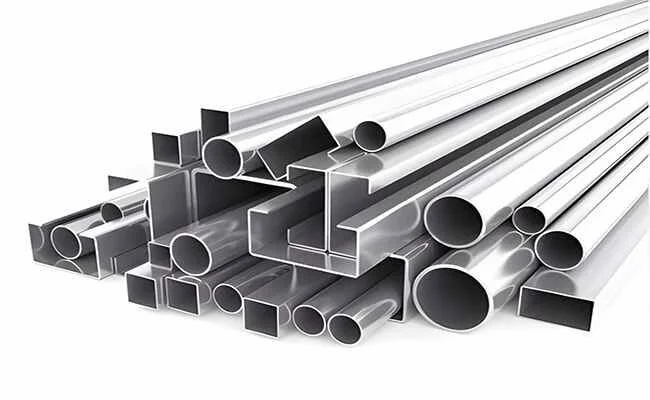
These metrics show laser systems cut faster, waste less, and cost less to run over time. For factories juggling diverse tube shapes—round, square, or oval—this efficiency translates to faster job switches and the ability to handle custom orders with ease.
Real-World Impact of Upgrading
The benefits aren’t just theoretical. Industry examples highlight the payoff:
- Automotive Gains: A study in the International Journal of Advanced Manufacturing Technology showed a supplier cutting exhaust components 50% faster after switching to fiber laser systems, with scrap rates dropping 30% due to precise nesting.
- Construction Flexibility: Fabricator magazine reported a European firm boosting output by 40% by using laser cutters for structural beams, enabling custom fittings that mechanical tools couldn’t handle efficiently.
At Longxin Laser, we’ve seen clients achieve similar results, often recouping their investment in 18-24 months through reduced waste and higher throughput. These cases prove that upgrading equips factories to meet tight deadlines and win contracts in competitive sectors.
Addressing the Cost Concern
Yes, laser tube cutting machines carry a higher upfront cost—$100,000 to $500,000 depending on features—compared to traditional equipment. But the long-term math checks out:
- Energy Efficiency: Fiber lasers are up to 45% efficient, lowering power bills compared to mechanical systems.
- Reduced Labor: Fewer secondary processes mean less manpower spent on finishing.
- Market Edge: Precision cuts open doors to high-value industries like aerospace, where quality is non-negotiable.
Maintenance is also simpler, focusing on optics cleaning rather than replacing worn blades, which keeps downtime low and output high.
Why Now Is the Time to Upgrade
Sticking with traditional tube cutting risks falling behind competitors who’ve embraced laser technology. It’s not just about replacing old machines—it’s about positioning your factory to handle the complex, high-margin jobs that define modern manufacturing. With laser tube cutting, you’re investing in precision, efficiency, and the ability to scale. Ready to make the leap? Explore our solutions at https://longxinlaser.com/.