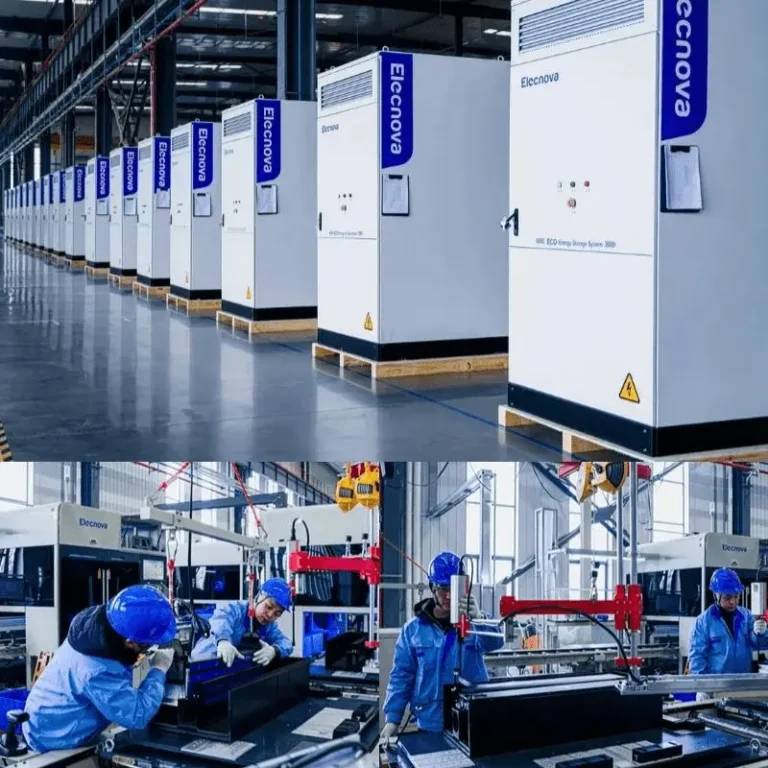
Solar power and energy storage systems depend on more than photovoltaic modules and batteries. Inverters, power conversion equipment, battery storage cabinets, electrical control systems, and monitoring devices all require metal housings and sheet metal components that protect internal equipment and support installation.
For manufacturers of these systems, the challenge is producing enclosures and panels that accommodate different electrical layouts, cable connections, ventilation requirements, and installation environments while keeping manufacturing costs under control.
Fiber laser cutting provides a programmable way to produce flat metal components with defined contours, mounting holes, cable openings, ventilation cutouts, and other interface features. It can help manufacturers accommodate design changes without relying on dedicated cutting tools for every variation.
The real value depends on the application. For customized enclosures, changing panel designs, and lower-volume equipment variants, laser cutting can offer useful flexibility. For standardized, high-volume profiles, dedicated punching or roll-forming processes may be more economical.
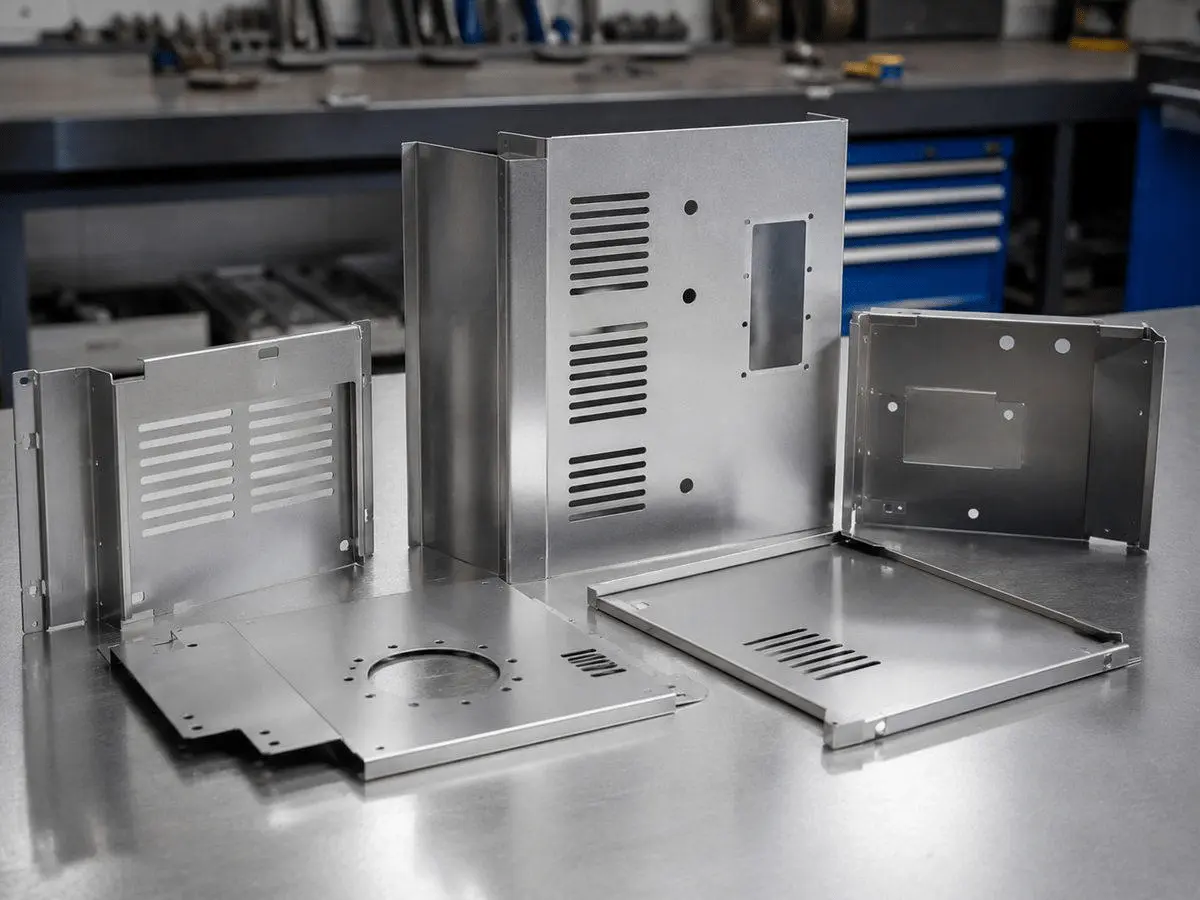
Where Solar and Energy Storage Manufacturers Face Production Challenges
1. Different Equipment Models Require Different Enclosure Designs
Solar inverters, power conversion systems, battery storage units, and monitoring equipment do not share a single enclosure design. Their dimensions, internal layouts, cable connections, cooling arrangements, and mounting requirements can vary between models.
When a manufacturer handles multiple product configurations, dedicated tooling and repeated setup work can make design changes expensive.
How fiber laser cutting helps
A CNC fiber laser cutting machine can produce different flat panel geometries from programmed cutting files. When the enclosure design changes, the cutting program can be revised without creating a dedicated cutting die for every new contour.
This is useful when producing customized inverter housings, access panels, mounting plates, and equipment covers in varying quantities.
The benefit is greatest when design flexibility matters. For a standardized component produced in very large quantities, punching or dedicated tooling may offer a lower cost per part.
2. Cable Entries and Mounting Holes Must Match the Equipment Layout
Energy equipment enclosures often contain multiple openings for power cables, communication cables, connectors, mounting hardware, and internal components.
If these openings are misplaced or incorrectly sized, the enclosure may require rework before assembly. Poor alignment can also complicate installation and maintenance.
How fiber laser cutting helps
Laser cutting can produce many specified holes, slots, and shaped openings directly from a programmed drawing. This reduces the need to mark and position each feature through separate manual operations.
For manufacturers producing several enclosure variants, digital cutting programs can also be adapted to different interface layouts.
However, critical openings must be verified against the actual components, cable glands, connectors, and installation clearances. Cutting accuracy alone does not guarantee that the finished enclosure will assemble correctly.
3. Outdoor Enclosures Must Withstand Environmental Exposure
Solar inverters and outdoor energy storage systems may be exposed to rain, humidity, temperature changes, dust, and other environmental conditions.
The enclosure must therefore meet the requirements of its intended installation environment. Cut edges, joints, cable entries, doors, and fastening points all need to be considered as part of the complete enclosure design.
How fiber laser cutting helps
Laser cutting can produce controlled panel outlines and openings, helping manufacturers prepare components for subsequent bending, joining, sealing, and finishing.
But the cutting process does not make an enclosure weatherproof or establish an IP protection rating. Those results depend on the complete design, materials, gaskets, joints, cable-entry systems, assembly quality, and appropriate testing.
For galvanized or coated sheet, the cut edge may expose underlying metal or require additional corrosion protection. Manufacturers should define edge treatment and coating requirements according to the material and intended operating environment.
4. Cooling Openings and Internal Mounting Features Must Work Together
Power conversion equipment and battery systems can generate substantial heat. Their enclosures may require ventilation openings, fan cutouts, mounting plates, cable routes, and access panels arranged around the internal equipment layout.
When these features are designed separately, manufacturers may encounter interference between openings, internal components, mounting points, and enclosure structures.
How fiber laser cutting helps
Programmed cutting allows multiple openings and mounting features to be incorporated into the flat panel layout. This makes it easier to accommodate design revisions and coordinate panel features with the intended equipment arrangement.
However, laser cutting does not determine the thermal performance of the finished system. Airflow, cooling capacity, ingress protection, electrical clearances, and thermal management must be designed and validated separately.
The cutting drawing should follow the approved enclosure design rather than being used as a substitute for thermal or electrical engineering.
5. Production Volumes and Product Specifications Keep Changing
Energy equipment manufacturers may produce standard products alongside customized systems for different projects. Orders can vary in cabinet dimensions, cable layouts, mounting arrangements, and production quantities.
When the product mix changes frequently, tooling changes and manual preparation can disrupt production planning.
How fiber laser cutting helps
Programmable cutting allows suitable components to be produced in different configurations without changing dedicated cutting tools for every design. Nesting software can also arrange multiple parts on a sheet to help plan material utilization.
For repeated production, manufacturers can reuse validated programs and organize components by model or order.
Actual productivity depends on the part mix, programming, loading and unloading, material handling, and downstream processing. If a product uses a highly standardized profile in very large quantities, a dedicated production line may be more suitable.
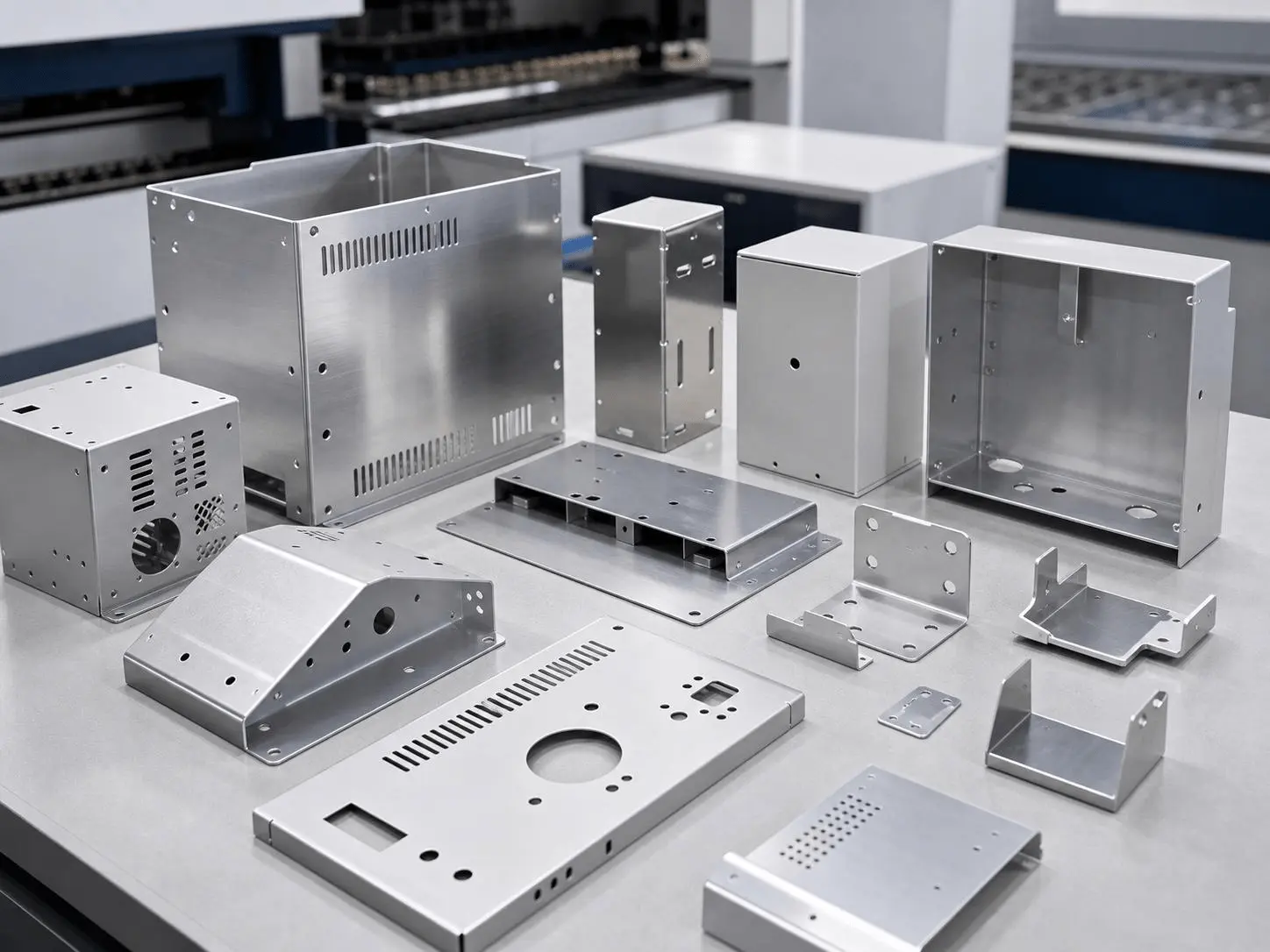
Which Solar and Energy Storage Components Can Be Laser Cut?
Laser cutting is most relevant to flat sheet metal components that require defined profiles, holes, slots, or customized openings before forming or assembly.
Solar Inverter Housings and Cover Panels
Solar inverters may use metal housings, access covers, mounting plates, and panels with cable-entry or ventilation features.
Laser cutting can produce suitable flat blanks and programmed openings before the components are bent, joined, coated, or assembled.
For outdoor equipment, manufacturers should consider corrosion protection, sealing interfaces, heat management, and surface finishing alongside cutting quality.
Battery Energy Storage Cabinets
Battery energy storage systems may incorporate cabinet panels, service doors, mounting plates, internal dividers, ventilation covers, and other sheet metal components.
These parts can require multiple mounting features and access openings that correspond to the equipment layout. Programmable cutting can accommodate different cabinet configurations and revisions.
The structural frame, battery supports, lifting arrangements, and other load-bearing components may require additional fabrication processes and engineering validation. Laser cutting a panel does not establish the structural or safety performance of the complete cabinet.
Power Conversion and Electrical Control Enclosures
Power conversion systems and associated electrical equipment may use enclosure panels, control cabinet doors, mounting plates, cable-entry plates, and protective covers.
Laser cutting can be useful when these components require customized openings or when different equipment configurations share a similar enclosure design but use different interface layouts.
The final enclosure must still meet its specified electrical, environmental, and mechanical requirements.
Solar Combiner Boxes and Connection Panels
Photovoltaic systems may use combiner boxes, connection cabinets, and associated electrical enclosures. Their metal panels can require openings for cables, connectors, mounting hardware, and service access.
Laser cutting can produce these features according to approved drawings. Critical opening dimensions should be checked against the actual electrical components and enclosure design before production.
Mounting Plates, Brackets, and Equipment Supports
Solar and storage equipment may require flat mounting plates, brackets, support components, and connection pieces.
Laser cutting is worth considering when these parts have customized outlines, complex holes, or changing dimensions. For standardized brackets or long structural profiles produced in large volumes, punching, stamping, or roll forming may be more appropriate.
The manufacturing method should be selected according to the part geometry, production quantity, material, and tooling economics.
How to Choose the Right Cutting Process for Energy Equipment
Not every component benefits equally from laser cutting. Before selecting a process, manufacturers should distinguish between customized sheet metal parts and standardized components intended for continuous high-volume production.
Customized Enclosures and Panel Variants
Laser cutting is worth evaluating when different models require different panel dimensions, openings, or mounting layouts. The ability to revise cutting programs can reduce dependence on dedicated cutting tooling.
For established products with stable designs and very high volumes, compare laser cutting with punching or other dedicated processes before making an investment decision.
Standardized Solar Mounting Profiles
Long structural channels, rails, and repetitive mounting profiles often require forming along the length of the material, together with repeated hole patterns.
For these components, roll forming with integrated punching may provide a more efficient production route than cutting individual blanks on a flatbed laser. Laser cutting may still be useful for customized brackets, unusual profiles, or parts with complex contours.
The right process depends on the profile design, production volume, material thickness, and required flexibility.
Material and Thickness Requirements
Identify the materials used in the actual product, such as carbon steel, galvanized steel, stainless steel, or aluminum. Confirm the relevant thickness range and surface requirements.
Material grade, thickness, laser power, assist gas, and process parameters affect cutting capability and edge quality. The machine should be evaluated against representative parts rather than selected solely by its advertised maximum cutting thickness.
Working Area and Panel Dimensions
Determine the largest panels, doors, and mounting plates that need to be produced. Consider how these parts can be nested on the available sheet sizes.
A suitable working area should accommodate regular production requirements and support practical material utilization without unnecessarily increasing the machine footprint.
Production Volume and Material Handling
Estimate the number of parts produced per batch, the frequency of design changes, and the time spent loading, unloading, and moving components between operations.
An exchange-table configuration may be worth evaluating when sheet handling significantly affects the production cycle. Its value depends on the production layout, workload, and material-handling requirements.
How to Evaluate a Laser Cutting Solution Before Investing
A practical evaluation should begin with the components that cause the greatest production difficulties, not with a comparison of machine specifications alone.
01. Identify the Production Bottleneck
Determine whether the main problem involves enclosure variants, manual hole positioning, tooling costs, material utilization, edge finishing, or delays between cutting and assembly.
02. Prepare Representative Part Drawings
Select examples such as an inverter panel, battery cabinet door, cable-entry plate, or mounting bracket. Include the dimensions, material grade, thickness, openings, and critical tolerances.
03. Test the Actual Material and Design
Use representative parts to evaluate cutting quality, dimensional accuracy, edge condition, and compatibility with subsequent bending and assembly. For outdoor equipment, review the required edge treatment and finishing process.
04. Review the Complete Manufacturing Workflow
Include cutting, nesting, loading, unloading, deburring, bending, welding, coating, and assembly when evaluating the proposed process.
05. Compare Total Production Economics
Consider programming time, tooling, material utilization, labor, machine utilization, secondary operations, and expected design changes. The best solution is the one that fits the complete production requirement rather than simply delivering the fastest cut.
Is Fiber Laser Cutting the Right Choice for Solar and Energy Storage Equipment?
Fiber laser cutting is worth considering when manufacturers need flexible production of enclosure panels, cable-entry plates, mounting plates, customized brackets, and other flat metal components.
It may be less economical for highly standardized, repetitive profiles that can be produced more efficiently using dedicated punching, stamping, or roll-forming equipment.
The appropriate process depends on component geometry, material, thickness, production volume, design stability, and downstream manufacturing requirements.
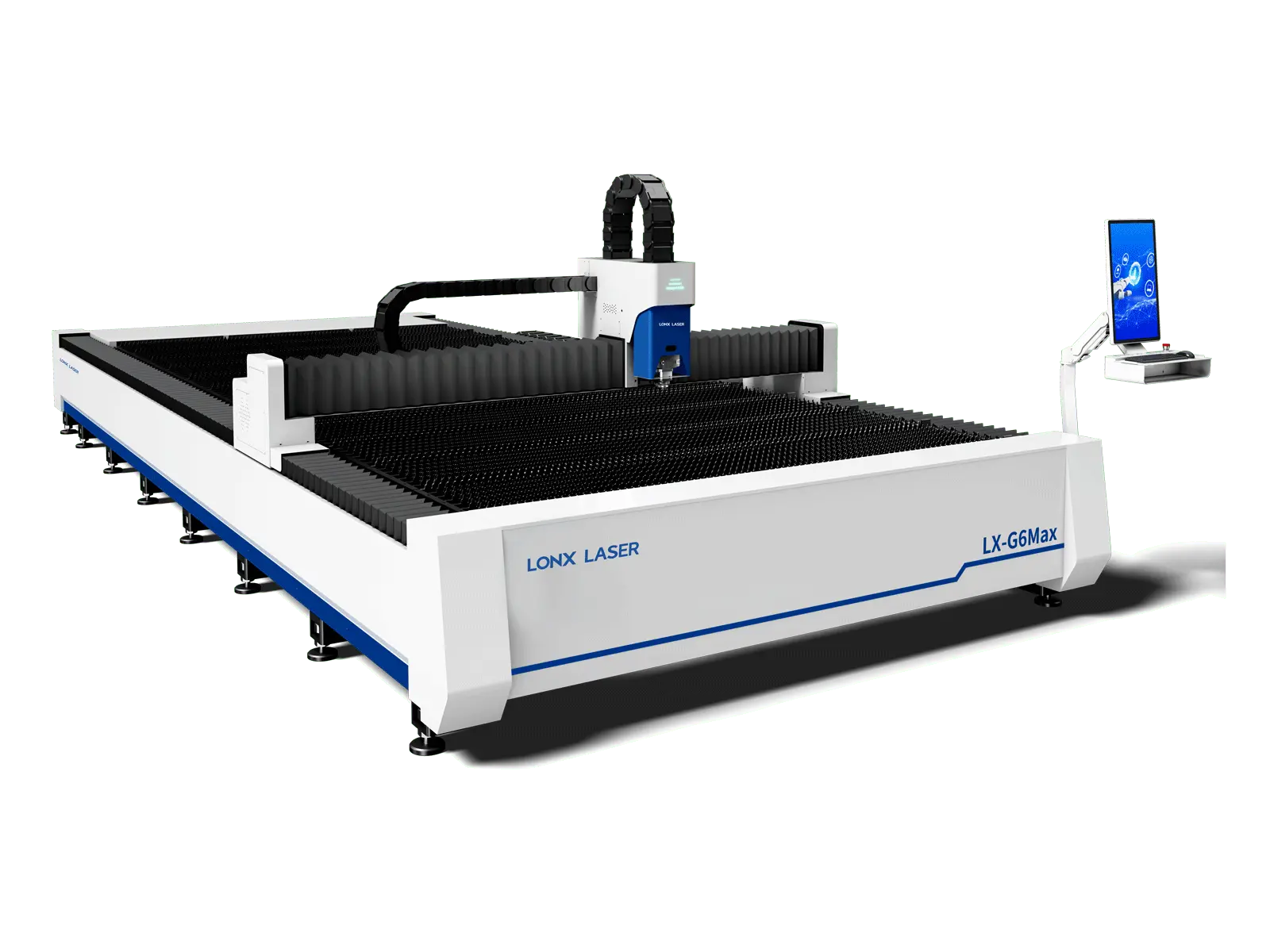
If you are evaluating laser cutting for your energy equipment components, review the available sheet metal laser cutting machines against your actual panel dimensions, materials, and production needs.
คำถามที่พบบ่อย
Can fiber laser cutting be used for battery energy storage cabinets?
Yes. It can be used for suitable flat sheet metal components, including cabinet panels, doors, mounting plates, ventilation covers, and cable-entry plates. The complete cabinet may also require forming, welding, sealing, structural engineering, and testing.
Can laser cutting produce solar inverter enclosure openings?
Yes. Many cable entries, mounting holes, ventilation openings, and other panel features can be programmed into the cutting path. Their dimensions should be verified against the actual enclosure and installed components.
Is laser cutting suitable for all solar mounting brackets?
No. Customized brackets with complex contours may benefit from laser cutting, while standardized high-volume brackets and long profiles may be more efficiently manufactured using punching, stamping, or roll forming.
Does laser cutting guarantee an outdoor enclosure's IP rating?
No. An IP rating applies to the completed enclosure and its tested configuration. Seals, joints, doors, cable entries, assembly quality, and appropriate testing all contribute to the final result.