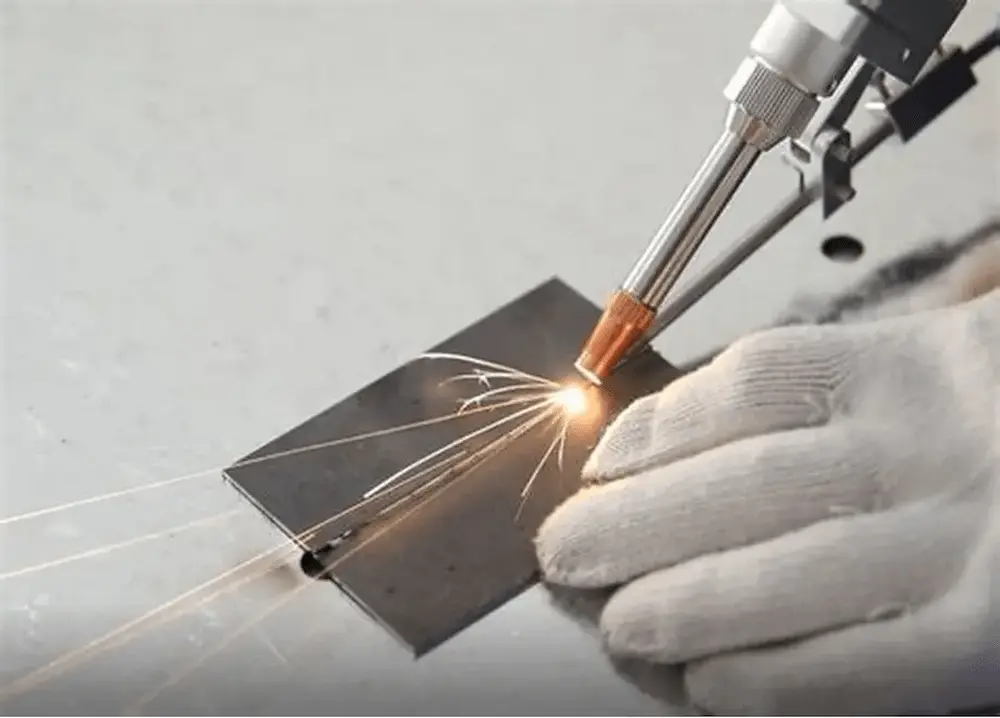
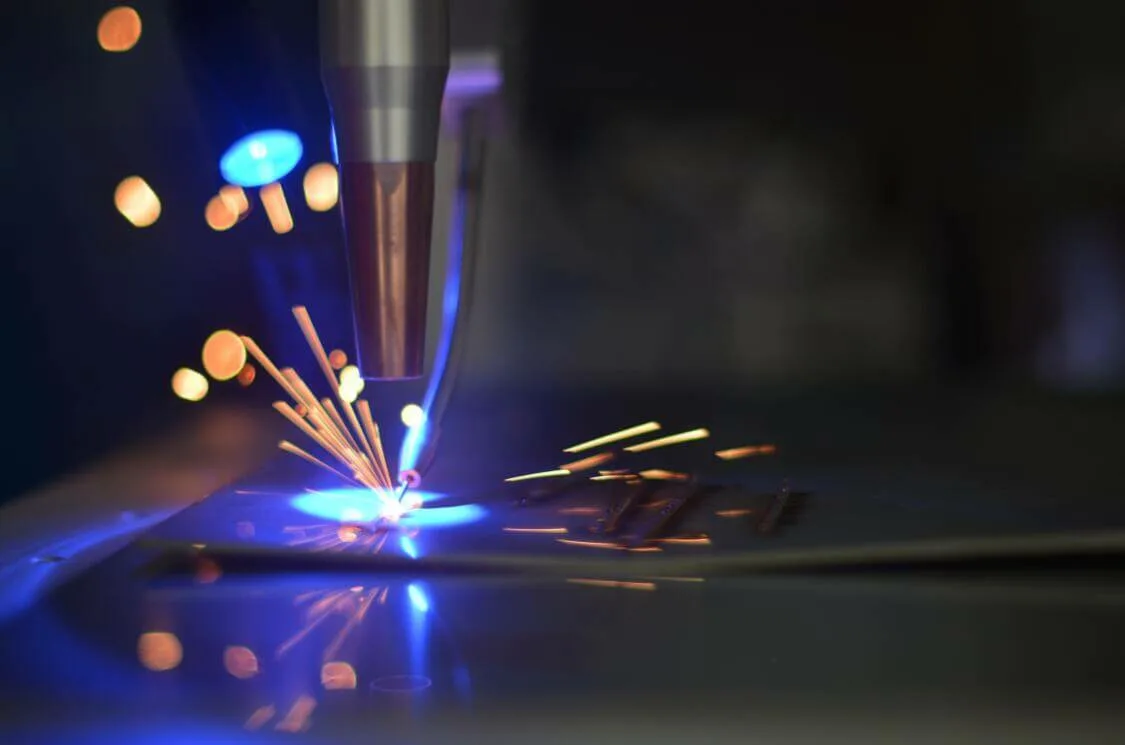
Laserová svářečka může stát od přibližně $3 000 za základní ruční systém až po více než $150 000 za plně integrovaný robotický svařovací systém. Konečná cena závisí na výkonu laseru, typu stroje, laserovém zdroji, chladicím systému, svařovací hlavě, automatizaci a celkové konfiguraci.
U standardních ručních vláknových laserových svářeček se veřejně uváděné ceny pro rok 2026 běžně pohybují v rozmezí $3 500–$8 000 pro systémy 1500W–2000W, zatímco výkonnější a lépe vybavené stroje mohou stát více. Automatické systémy obvykle začínají na desítkách tisíc dolarů a plně integrované robotické svařovací buňky mohou přesáhnout $100 000.
Níže uvedená tabulka poskytuje praktický cenový přehled pro rok 2026 na základě veřejně dostupných nabídek výrobců a B2B dodavatelů.
| Typ laserové svářečky | Orientační cena 2026 | Typické použití |
|---|---|---|
| 1000W ruční laserová svářečka | $3 000–$5 000 | Vstupní úroveň / lehká výroba |
| 1500W ruční laserová svářečka | $3 500–$8 000 | Univerzální výroba |
| 2000W ruční laserová svářečka | $3 500–$8 000 | Vyšší rychlost a svařování silnějších materiálů |
| 3000W ruční laserová svářečka | $5 000–$12 000+ | Průmyslové aplikace s vyšším výkonem |
| Automatický laserový svařovací systém | $10 000–$50 000+ | Opakovaná nebo specifická výroba |
| Robotický laserový svařovací systém | $30 000–$150 000+ | Automatizovaná průmyslová výroba |
| Plně integrovaná svařovací linka | $100 000–$300 000+ | Velkokapacitní automatizovaná výroba |
Tyto hodnoty jsou orientační tržní rozmezí, nikoli pevné cenové nabídky. Veřejné nabídky se výrazně liší, protože stroje se stejným výkonem laseru mohou mít velmi odlišné laserové zdroje, svařovací hlavy, chladicí systémy, automatizaci, přípravky a servisní balíčky.
Jak odhadujeme ceny laserových svářeček
Ceny laserových svářeček se příliš liší na to, aby je bylo možné přesně vyjádřit jedinou průměrnou cenou.
Pro tuto příručku jsou cenová rozmezí pro rok 2026 založena na veřejně dostupných nabídkách od výrobců, B2B dodavatelů průmyslového zařízení a průmyslových cenových průvodců. Stroje jsou porovnávány především podle výkonu laseru, typu stroje a celkové konfigurace.
Každou zveřejněnou cenu nepovažujeme za stejně reprezentativní. Zejména velmi nízké ceny “od” mohou představovat základní konfiguraci, časově omezenou akci, jinou specifikaci výkonu nebo nabídku, u níž není jasné, jaké vybavení je zahrnuto.
Například současné nabídky na Alibabě ukazují ruční laserové svářečky kolem $1 900–$3 000, zatímco jasně specifikované 1500W systémy od zavedených dodavatelů mohou být nabízeny kolem $4 400–$4 800. Jiní výrobci zveřejňují ceny nad touto úrovní pro systémy s vyšší specifikací.
Z tohoto důvodu mají rozmezí v tomto článku představovat praktická tržní referenční rozmezí, nikoli nejnižší inzerované ceny dostupné online.
Ceny se také mohou lišit v závislosti na dodacích podmínkách, daních, instalaci, místním servisu, záruce a příslušenství specifickém pro danou aplikaci.
Cena laserové svářečky podle výkonu
Výkon laseru je jedním z nejviditelnějších faktorů ovlivňujících cenu vláknové laserové svářečky, ale není jediným. Dva stroje se stejným jmenovitým výkonem mohou mít výrazně odlišné ceny kvůli rozdílům v laserovém zdroji, svařovací hlavě, chladicím systému, podavači drátu a celkové konfiguraci.
Cena 1000W laserové svářečky
Ruční laserový svářecí stroj o výkonu 1000 W obvykle stojí kolem $3 000–$5 000 za standardní konfiguraci.
Veřejná tržní data tuto obecnou úroveň podporují. iGOLDEN uvádí ruční systémy o výkonu 1000 W přibližně za $2 500–$4 500, zatímco jiné nabídky dodavatelů sahají do rozmezí $4 000–$5 000.
Levnější nabídky lze najít online, ale neměly by být automaticky považovány za reprezentativní pro trh, protože inzerované ceny mohou vylučovat příslušenství nebo odpovídat zjednodušeným konfiguracím.
Systémy o výkonu 1000 W se běžně zvažují pro lehčí aplikace zahrnující materiály, jako je nerezová ocel, uhlíková ocel a hliník.
Cena laserového svářecího stroje 1500 W
Ruční laserový svářecí stroj o výkonu 1500 W obvykle stojí asi $3 500–$8 000.
Toto je jedna z lépe podložených cenových úrovní na současném trhu.
Například Jinan Senfeng uvádí ruční systém s vzduchovým chlazením o výkonu 1500 W za $4 800 za 1–4 kusy, klesající na $4 400 při vyšších množstvích. Další nabídka na Alibabě pro systém s vzduchovým chlazením o výkonu 1500 W se zdrojem Raycus je uvedena za $5 500 za 1–2 kusy a $4 800 pro větší množství.
Další B2B nabídky klesají pod tuto úroveň, včetně strojů kolem $2 000–$3 500, zatímco systémy s vyšší specifikací mohou stát více.
Pro všeobecné zpracování kovů je 1500 W běžnou konfigurací, protože poskytuje rovnováhu mezi cenou zařízení, rychlostí svařování a materiálovými schopnostmi.
Cena laserového svářecího stroje 2000 W
Ruční laserový svářecí stroj o výkonu 2000 W obecně stojí asi $3 500–$8 000 za standardní konfigurace.
Současné veřejné nabídky zahrnují ruční stroje o výkonu 2000 W v přibližném rozmezí $2 300–$5 000, zatímco systémy s vyšší specifikací jsou cenově nad touto úrovní. Tržní průvodce iGOLDEN umisťuje ruční systémy o výkonu 2000 W kolem $4 500–$7 500.
Samostatná nabídka dodavatele pro ruční laserový svářecí systém o výkonu 1500 W–3000 W je oceněna na $2 290 za jednu jednotku, což demonstruje velký rozdíl mezi přímými nabídkami z továrny a plněji specifikovanými stroji.
Správné srovnání cen proto vyžaduje kontrolu nejen výkonu, ale také zahrnutých komponent a konfigurace.
Cena laserového svářecího stroje 3000 W
Ruční laserový svářecí stroj o výkonu 3000 W se běžně pohybuje kolem $5 000–$12 000, přičemž systémy s vyšší specifikací tuto úroveň přesahují.
Současný trh je na této úrovni výkonu obzvláště široký. Nabídky na Alibabě zahrnují systémy o výkonu 3000 W kolem $3 000–$13 900, zatímco jiné systémy o výkonu 1500 W–3000 W jsou uváděny kolem $5 000–$7 500. Tržní průvodce LaserWelderX z ledna 2026 uvádí rozmezí přímých dodávek z továrny $5 500–$7 500 pro ruční systém s vodním chlazením o výkonu 3000 W, zatímco ceny místních prodejců mohou přesáhnout $15 000.
Díky tomu je 3000 W dobrým příkladem toho, proč by zveřejněné ceny strojů měly být považovány za rozmezí spíše než za pevné tržní hodnoty.
Laserové svářecí stroje o výkonu 4000 W a vyšším
Při výkonu 4000 W a vyšším by měl být stroj obecně hodnocen jako průmyslový svářecí systém spíše než jednoduše jako výkonnější ruční svářečka.
Systémy s vyšším výkonem mohou vyžadovat:
- Větší chladicí kapacitu
- Svářecí hlavy s vyšší specifikací
- Výkonnější elektrické komponenty
- Další bezpečnostní systémy
- Automatizované polohování
- Specializované přípravky
- Integraci do výrobní linky
V důsledku toho neexistuje jediná reprezentativní tržní cena pro systémy o výkonu 4000 W+. Kompletní konfigurace zařízení a aplikace se stávají stále důležitějšími.
Cena laserového svářecího stroje podle typu
Typ stroje může mít větší dopad na celkovou investici než samotný výkon laseru.
Ruční laserový svařovací stroj
Ruční laserové svářecí stroje jsou obecně nejlevnější kategorií.
Pro běžné konfigurace 1000W–2000W je praktické referenční rozmezí pro rok 2026 kolem $3 000–$8 000, i když nabídky přímo od výrobců mohou být nižší a prémiové konfigurace mohou stát více.
Hlavní výhody jsou flexibilita, relativně nízká počáteční investice a schopnost svařovat různé obrobky bez specializované výrobní buňky.

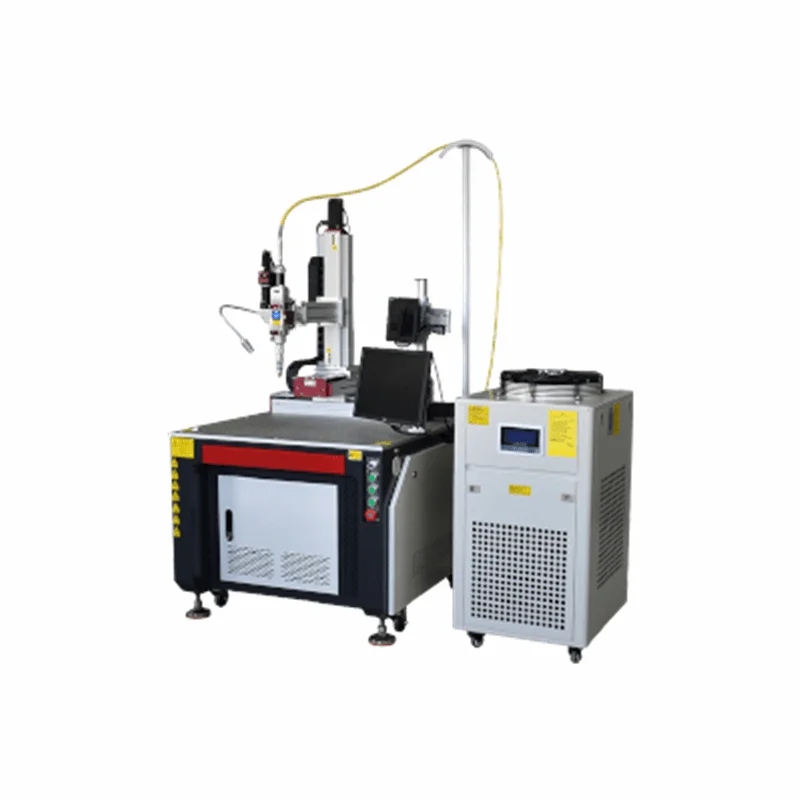
Automatický laserový svařovací stroj
Automatické laserové svařovací stroje používají pohybový systém, přípravky nebo jinou automatizaci ke snížení ruční obsluhy a zlepšení opakovatelnosti.
Praktické referenční rozmezí je přibližně $10 000–$50 000+, ale skutečná cena silně závisí na výrobní aplikaci.
Například DPLaser umisťuje automatické vláknové laserové svařovací systémy přibližně na $10 000–$30 000, zatímco současné B2B nabídky zahrnují automatické systémy kolem $30 000 a výše pro specializovanější aplikace.
Automatický systém může zahrnovat:
- Motorizované polohování
- Upínací přípravky
- Rotační osy
- Automatické podávání
- Senzory nebo vizuální systémy
- Bezpečnostní kryt
- Řízení PLC a HMI
Protože jsou tyto systémy často specifické pro danou aplikaci, samotný výkon laseru nestačí k odhadu ceny stroje.
Robotický laserový svařovací systém
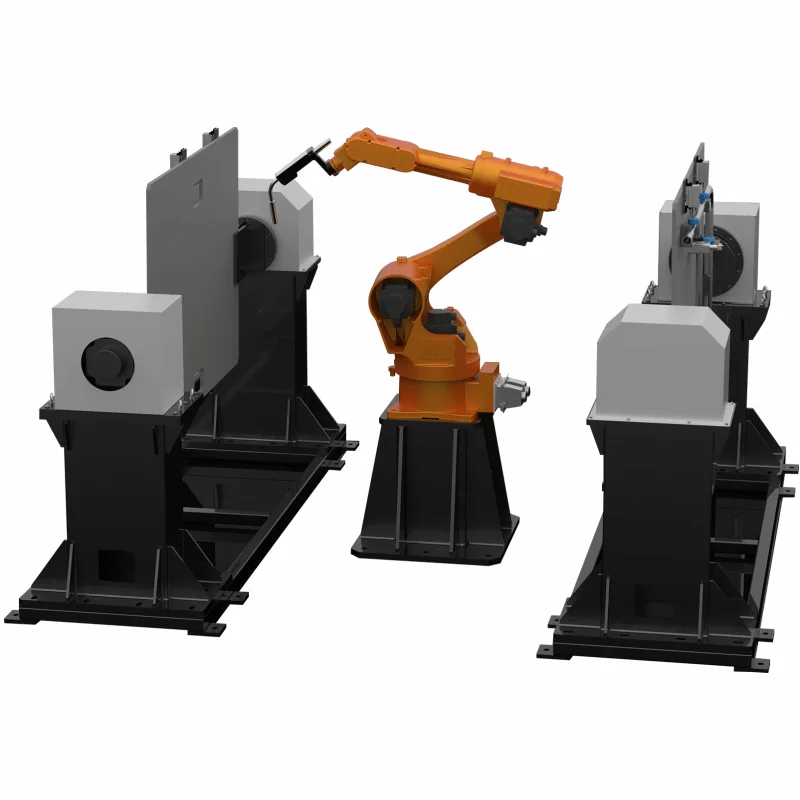
Robotické laserové svařovací systémy vyžadují podstatně větší investici než ruční stroje.
Základní robotické svařovací systémy mohou začínat kolem $30,000, zatímco kompletnější systémy se běžně pohybují v rozmezí $50 000–$150 000+ Vysoce integrované výrobní buňky mohou přesáhnout $150 000 a dosáhnout několika set tisíc dolarů v závislosti na robotu, laserovém zdroji, polohovadlech, bezpečnostních systémech, kontrole a manipulaci s materiálem.
Například iGOLDEN-CNC uvádí laserový svařovací robot s pozemní kolejnicí za $30 000–$35 000, zatímco průmyslové nákupní příručky umisťují sofistikovanější robotické systémy na podstatně vyšší ceny.
Robotický systém by proto měl být oceněn jako kompletní výrobní buňka, ne jednoduše jako laserový zdroj namontovaný na robotu.
Co ovlivňuje cenu laserového svařovacího stroje?
Dva laserové svařovací stroje se stejným výkonem mohou mít velmi rozdílné ceny. Hlavními důvody jsou rozdíly v komponentech a funkcích zahrnutých v kompletním systému.
Výkon laseru
Vyšší výkon laseru obecně zvyšuje náklady na laserový zdroj a podpůrné zařízení.
Nejvyšší dostupný výkon však nemusí být nutně nejekonomičtější volbou. Výkon by měl být zvolen podle typu materiálu, tloušťky, konstrukce spoje, požadované rychlosti svařování a objemu výroby.
Laserový zdroj
Laserový zdroj je jednou z klíčových součástí vláknového laserového svařovacího stroje.
Volba zdroje může ovlivnit:
- Počáteční náklady na zařízení
- Kvalitu paprsku
- Spolehlivost
- Záruku
- Dostupnost servisu
- Dlouhodobý provozní výkon
Při porovnávání nabídek by kupující měli zkontrolovat přesného výrobce a model laserového zdroje, spíše než porovnávat stroje pouze podle výkonu ve wattech.
Chladicí systém
Konfigurace chlazení také ovlivňuje cenu.
Systémy s nižším výkonem mohou používat vzduchové chlazení, zatímco stroje s vyšším výkonem nebo nepřetržitě provozované často používají průmyslové vodní chladiče.
Veřejná cenová data pro rok 2026 ukazují měřitelný rozdíl mezi vzduchem chlazenými a vodou chlazenými systémy, i když je jejich celková konfigurace stroje jinak podobná. Například vzduchem chlazený model Senfeng o výkonu 1500 W je uveden za $4 800, zatímco jiné vodou chlazené systémy a konfigurace s vyšším výkonem jsou uvedeny za vyšší ceny.
Svařovací hlava
Svařovací hlava ovlivňuje provozní charakteristiky a konfiguraci stroje.
Různé svařovací hlavy mohou podporovat různé vzory oscilace paprsku, velikosti bodu a provozní funkce.
Při porovnávání nabídek by proto měly být model svařovací hlavy a zahrnuté funkce součástí srovnání.
Podavač drátu
Podavač drátu může být součástí standardního vybavení nebo nabízen samostatně.
Pro aplikace, které vyžadují přídavný drát, by kupující měli ověřit, zda nabídka zahrnuje:
- Podavač drátu
- Ovládání podavače drátu
- Vhodné svařovací trysky
- Podpůrné příslušenství
Základní cena stroje nemusí nutně představovat náklady na kompletní svařovací sestavu.
Úroveň automatizace
Automatizace je jedním z největších faktorů ovlivňujících celkové náklady na zařízení.
Ruční stroj vyžaduje hlavně operátora, který vede svařovací hlavu. Automatický nebo robotický systém může přidat:
- Pohybové osy
- Přípravky
- Polohovadla
- Roboty
- Senzory
- Manipulaci s materiálem
- Bezpečnostní systémy
- Integraci do výrobní linky
To je důvod, proč ruční svařovací zařízení o výkonu 2000 W stojící několik tisíc dolarů a robotická svařovací buňka o výkonu 2000 W stojící desítky tisíc dolarů nejsou přímo srovnatelné stroje.
Konfigurace stroje a příslušenství
Konečná nabídka může také záviset na tom, zda jsou zahrnuty následující položky:
- Chladič
- Svařovací hlava
- Podavač drátu
- Ochranné čočky
- Trysky
- Pracovní stůl
- Přípravky
- Odsávání výparů
- Bezpečnostní vybavení
- Řídicí systém
Při porovnávání dvou inzerovaných cen vždy zkontrolujte, zda jsou konfigurace ekvivalentní.
Kolik stojí provoz laserové svařovací stroje?
Pořizovací cena je pouze jednou částí celkových nákladů na vlastnictví laserové svařovací stroje.
Provozní náklady mohou zahrnovat:
- Elektřinu
- Ochranný plyn
- Svařovací drát
- Ochranné čočky
- Trysky
- Údržba
- Náhradní díly
Elektřinu
Spotřeba elektřiny závisí na výkonu laseru, provozních hodinách, požadavcích na chlazení a pomocném zařízení.
Pro výrobní prostředí je skutečné využití stroje užitečnější pro výpočet nákladů na elektřinu než samotný jmenovitý výkon laseru.
V některých regionech nebo sestavách nemusí místní napětí elektrické sítě odpovídat požadavkům stroje. Například zařízení se sítí 220 V může potřebovat stroj nakonfigurovaný pro 380 V. V takových případech může být vyžadován stabilní měnič napětí nebo transformátor aby byl zajištěn konzistentní výkon stroje, což přidává jednorázové náklady na zařízení.
Ochranný plyn
Ochranný plyn je průběžný provozní náklad.
Celkové náklady závisí na typu plynu, průtoku, době svařování, objemu výroby a místních cenách plynu.
Svařovací drát a spotřební materiál
Aplikace, které vyžadují přídavný drát, vytvářejí dodatečné náklady na spotřební materiál.
Další spotřební materiál může zahrnovat ochranné skla a svařovací trysky.
Tyto náklady se mohou zdát relativně malé ve srovnání s počáteční investicí do stroje, ale v průběhu dlouhých provozních období se stávají významnějšími.
Údržba
Požadavky na údržbu se liší podle konfigurace stroje a provozních podmínek.
Typická údržba může zahrnovat:
- Čištění optických součástí
- Kontrolu chladicího systému
- Výměnu ochranných skel
- Inspekci svařovací hlavy
- Kontrolu elektrických součástí
- Výměnu opotřebovaného spotřebního materiálu
Realistický provozní rozpočet by měl zohledňovat běžnou údržbu i občasnou výměnu součástí.
Celkové náklady na vlastnictví laserové svařovací stroje
Pořizovací cena by neměla být posuzována odděleně od nákladů potřebných k provozu a údržbě stroje.
Jednoduchý způsob, jak odhadnout celkové náklady na vlastnictví, je:
Celkové náklady na vlastnictví = Pořizovací cena + Doprava + Instalace + Energie + Spotřební materiál + Údržba + Práce
Například levnější stroj může mít vyšší dlouhodobé náklady, pokud vyžaduje více manuální práce nebo další vybavení, které nebylo zahrnuto v původní nabídce.
Automatizovaný systém může vyžadovat větší počáteční investici, ale může snížit požadavky na manuální práci a zlepšit konzistenci výroby.
Z tohoto důvodu není nejekonomičtější laserová svařovací stroj nutně ten s nejnižší pořizovací cenou.
Stojí laserová svařovací stroj za investici?
Zda laserová svařovací stroj stojí za investici, závisí na aplikaci, objemu výroby, požadované rychlosti svařování, požadavcích na práci a očekávaném využití stroje.
Potenciální výhody zahrnují:
- Vysokou rychlost svařování
- Nízký tepelný příkon
- Sníženou deformaci
- Konzistentní kvalitu svaru
- Snížené dokončovací práce po svařování
- Zlepšenou efektivitu výroby
- Snadnější obsluhu pro opakované aplikace
Pro výrobce s velkým objemem mohou tyto výhody ospravedlnit větší kapitálovou investici.
Pro dílnu s nižším objemem může být standardní ruční systém vhodnější než plně automatizovaná svařovací buňka.
Před porovnáváním cen strojů zvažte:
- Typ a tloušťku materiálu
- Požadovanou rychlost svařování
- Objem výroby
- Ruční versus automatizovaný provoz
- Požadovanou kvalitu svaru
- Náklady na spotřební materiál
- Požadavky na práci
- Očekávané využití stroje
Správný stroj je proto ten, který poskytuje nejlepší rovnováhu mezi počáteční investicí, provozními náklady, výrobními požadavky a očekávanou návratností.
Závěr
Ceny laserových svařovacích strojů v roce 2026 se výrazně liší v závislosti na typu stroje a konfiguraci.
Pro běžné ruční vláknové laserové svařovací stroje jsou praktické tržní referenční rozsahy přibližně:
- 1000W: $3 000–$5 000
- 1500W: $3 500–$8 000
- 2000W: $3 500–$8 000
- 3000W: $5 000–$12 000+
Automatické laserové svařovací systémy se obecně pohybují do $10 000–$50 000+ rozsah, zatímco robotické systémy mohou začínat kolem $30,000 a stoupat nad $150,000 jak se automatizace a integrace výroby stávají sofistikovanějšími.
Tato čísla by měla být považována za orientační rozsahy trhu pro rok 2026 spíše než za pevné ceny. Veřejné nabídky vykazují značné rozdíly i mezi stroji se stejnou laserovou silou kvůli rozdílům v laserovém zdroji, chlazení, svařovací hlavě, podavači drátu, automatizaci, příslušenství a servisu.
Při porovnávání cen laserových svařovacích strojů je proto nejužitečnějším přístupem porovnat kompletní konfiguraci a celkové náklady na vlastnictví, spíše než jednoduše vybrat stroj s nejnižší inzerovanou cenou.
Přezkoumané cenové zdroje
Při vytváření cenových rozsahů pro rok 2026 v této příručce byly přezkoumány následující zdroje. Ceny se mohou měnit a měly by být považovány za tržní reference spíše než za pevné nabídky.
-
- LaserWelderX — Průvodce cenami laserových svařovaček pro rok 2026
- StyleCNC — Ceny laserových svařovacích strojů
- Alibaba — Tržní nabídky ručních laserových svařovaček
- Alibaba — Senfeng 1500W vzduchem chlazený laserový svařovač
- Alibaba — Kepuni 1500W laserový svařovací stroj
- Alibaba — DMK 1500W ruční laserový svařovač
- Made-in-China — Automatické a robotické laserové svařovací zařízení