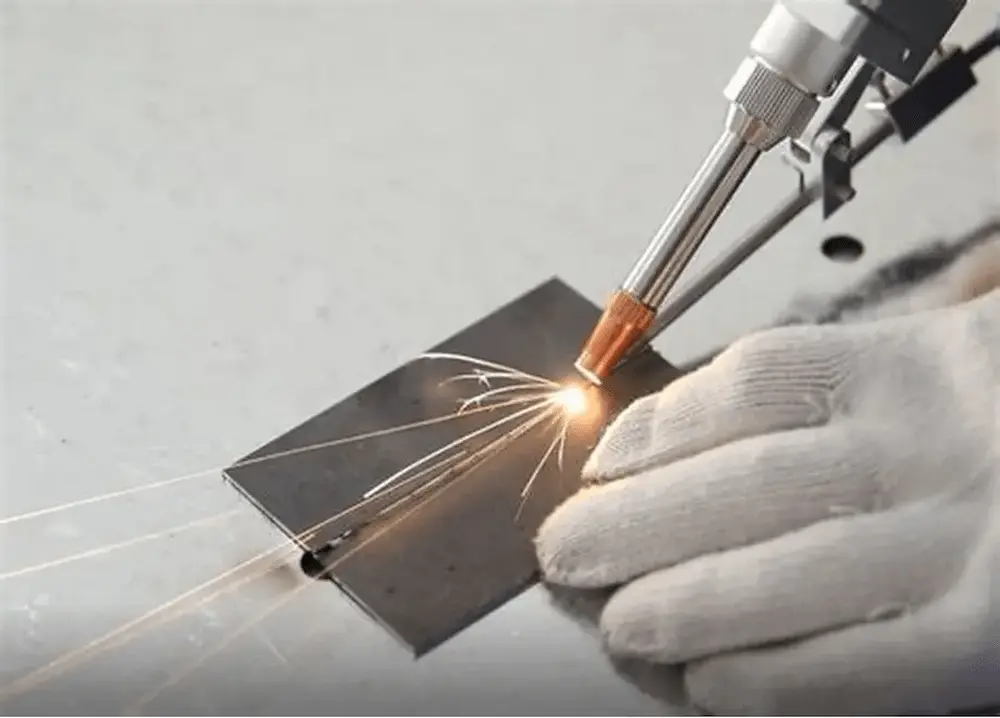
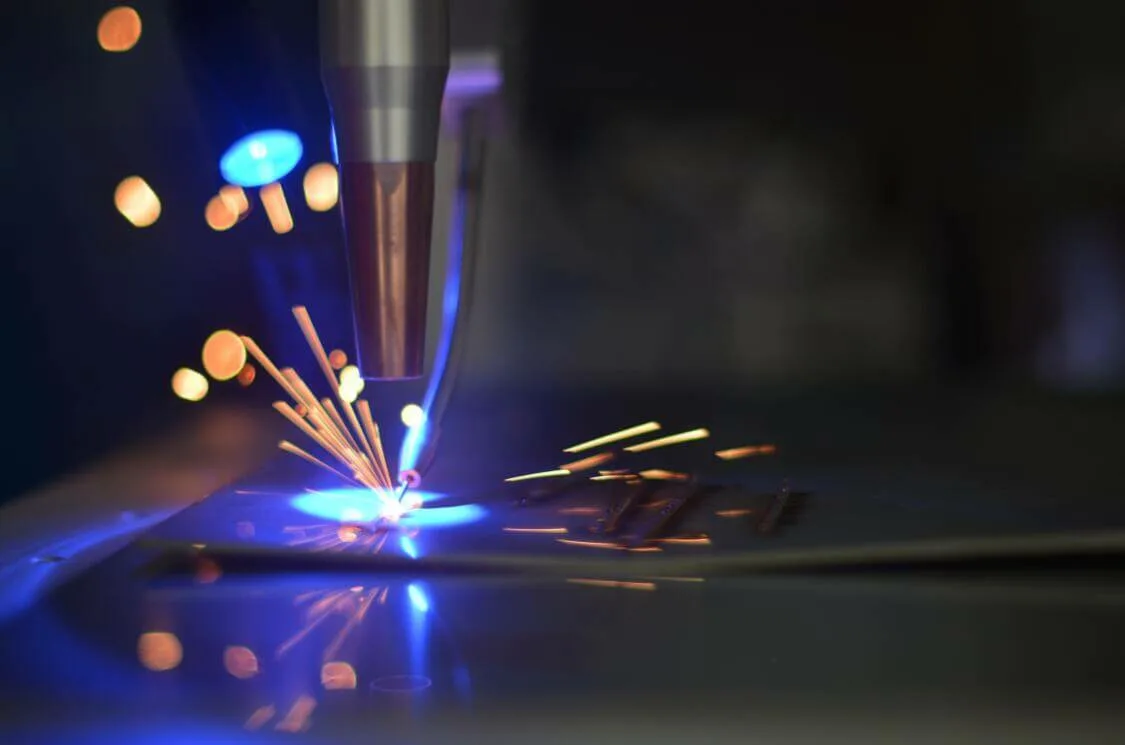
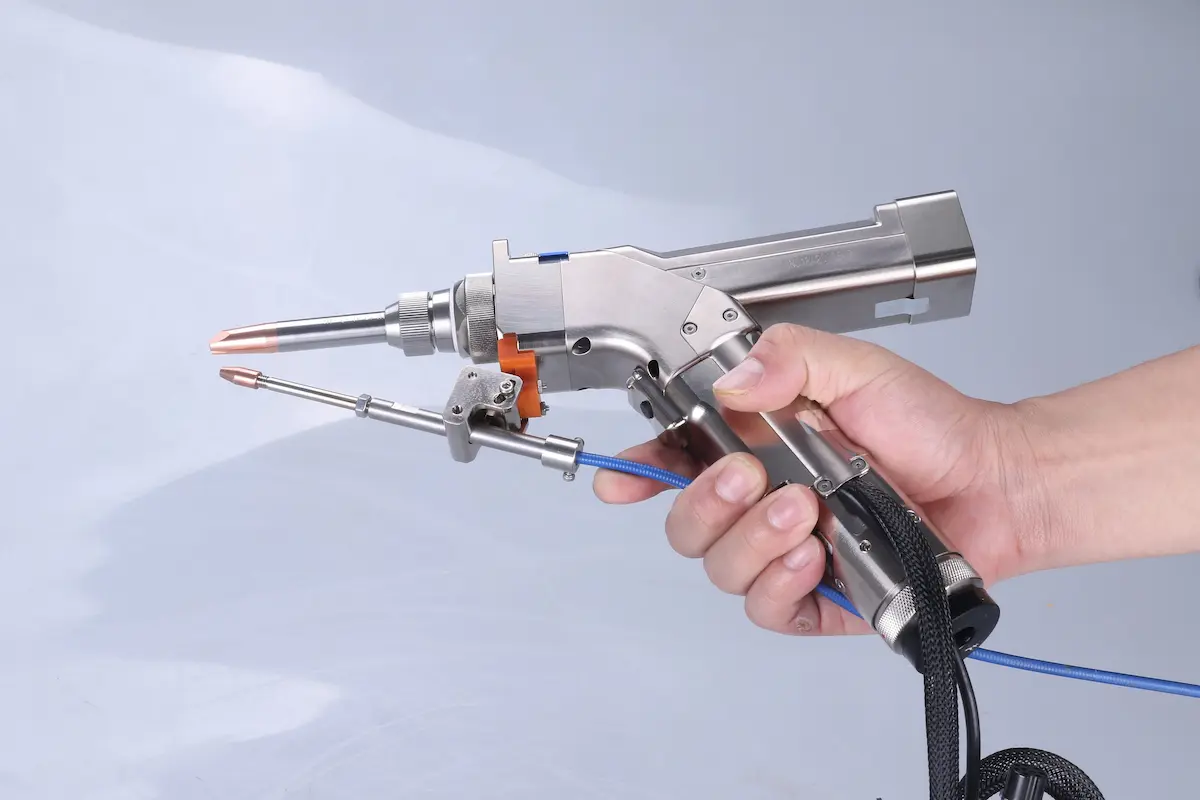
In modern manufacturing, both laser brazing and laser welding are widely used for joining metal components. Although these processes share the use of a high-powered laser beam, their applications, results, and advantages differ significantly. Choosing the right process depends on material type, structural requirements, and the desired outcome in terms of strength, aesthetics, and cost.
Understanding Laser Brazing
Laser brazing involves heating a filler material with a laser beam and letting it flow into the joint between two workpieces without melting the base materials. This process is valued for producing smooth, visually appealing seams with minimal distortion, making it popular in industries such as automotive body construction.
Understanding Laser Welding
Laser welding, by contrast, directly melts the base materials to form a solid joint. It is ideal for achieving high-strength, deep-penetration welds. Laser welding is often used in aerospace, automotive, and heavy industry, where strength and durability are critical.
Key Differences Between Laser Brazing and Laser Welding
| 特集 | Laser Brazing | レーザー溶接 |
| Heat Input | Lower, only melts filler material | Higher, melts base material |
| Joint Strength | Moderate, sufficient for non-structural or semi-structural components | Very high, suitable for structural and load-bearing applications |
| Appearance | Smooth, clean seams with excellent surface finish | May require post-processing, less aesthetic than brazing |
| Distortion Risk | Minimal due to lower temperatures | Higher risk due to intense localized heating |
| 素材適合性 | Good for dissimilar materials (e.g., steel with coated surfaces) | More challenging with dissimilar materials |
| アプリケーション | Automotive body panels, roof seams, visible exterior parts | Aerospace structures, automotive chassis, industrial machinery components |
| コストを考慮 | Generally lower due to less post-processing and finishing | Can be higher due to stricter requirements for precision and post-processing |
When to Choose Laser Brazing
- Laser brazing should be selected when:
- Appearance matters – e.g., visible joints on cars or appliances
- Dissimilar metals need joining without excessive stress
- Low distortion is required for thin sheets or sensitive components
When to Choose Laser Welding
- Laser welding should be selected when:
- High strength is critical for structural integrity
- Deep penetration into thick materials is necessary
- Durability and reliability are more important than visual appearance
結論
Both laser brazing and laser welding are valuable technologies, but they serve different needs. Laser brazing is best for aesthetic, low-distortion joints, while laser welding is the solution for high-strength structural applications. By understanding the strengths and limitations of each process, manufacturers can make informed decisions that balance performance, cost, and product requirements.