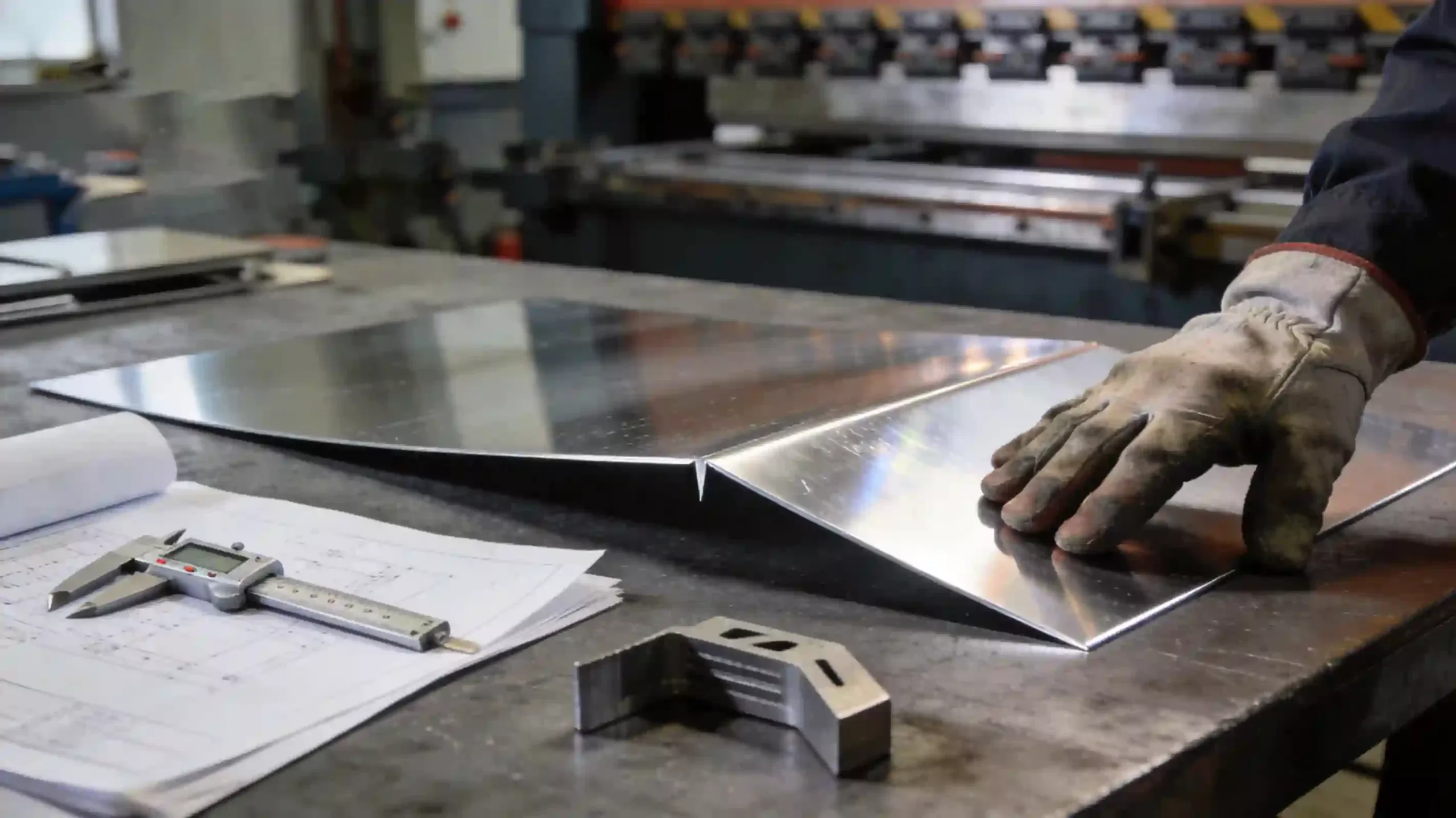
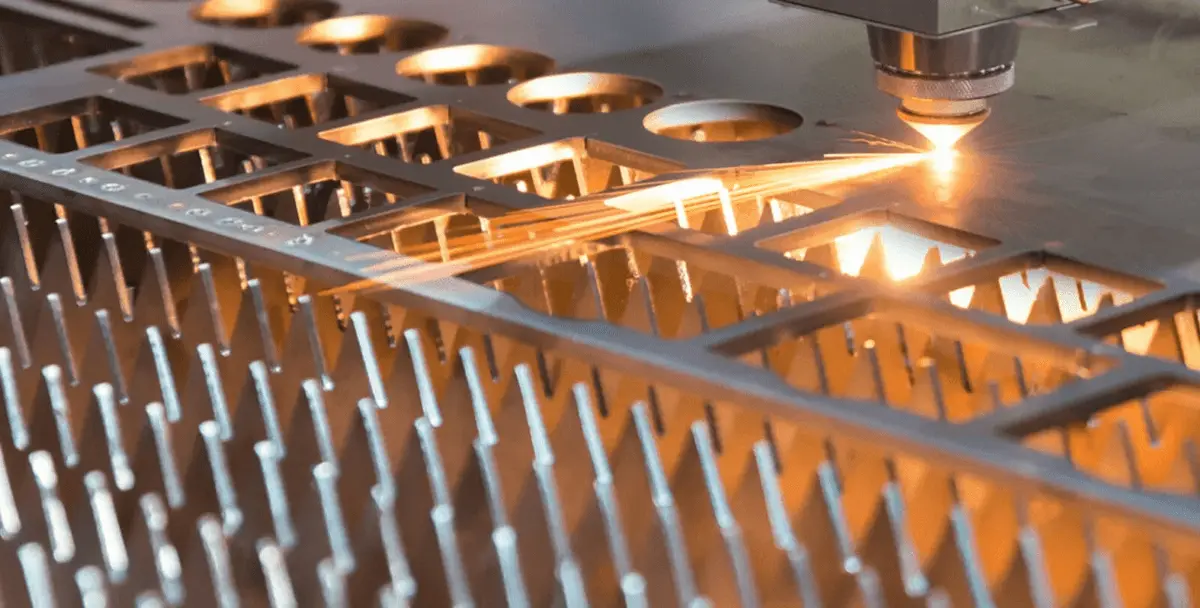
ほとんどの製造プロジェクトにおいて、軟鋼はレーザー切断に最適な鋼材です。.
切断速度が速く、一貫したエッジ品質を生み出し、入手可能な材料の中でも最も経済的なものの一つです。ASTM A36、S235、S355などの一般的なグレードは、機械フレームやブラケットから農業機器、産業用筐体に至るまで、あらゆる用途で使用されています。.
だからといって、軟鋼が常に正しい選択とは限りません。ステンレス鋼は腐食環境での性能が優れており、HSLA鋼は重量削減が重要な場合に高い強度を提供します。しかし、コスト、速度、製造性の全体的なバランスが最良のものを探しているなら、軟鋼が通常は答えです。.
ファブリケーターが軟鋼を好む理由
ほぼすべての板金工場に足を踏み入れれば、毎日軟鋼が切断されているのを目にするでしょう。.
それには実際的な理由があります。軟鋼は事実上すべての最新ファイバーレーザーシステムで良好に機能し、メーカーはそれを効率的に処理する数十年の経験を持っています。. TRUMPF は、産業用レーザー切断で使用される主要材料の中に軟鋼を挙げており、また SendCutSend などのファブリケーションサービスは、幅広い厚さで軟鋼を提供しています。.
その利点は明確です:
- 速い切断速度
- 信頼性の高いエッジ品質
- 低い材料コスト
- 優れた溶接性
- 世界的な広範な入手可能性
多くのメーカーにとって、これらの利点は、可能な限り高い強度や耐食性を達成することよりも重要です。.
軟鋼は生産の観点からも寛容です。切断パラメータの小さな変動は、より特殊な材料の場合よりも問題を引き起こす可能性が低く、大量生産にとって安全で予測可能な選択肢となります。.
ステンレス鋼がより適している場合
部品が湿気、化学薬品、または屋外条件にさらされる場合、ステンレス鋼がより良い選択肢になることがよくあります。.
炭素鋼とは異なり、ステンレス鋼は腐食を防ぐ保護酸化層を形成します。 ニッケル協会 は、クロムがこの挙動の原因となる主要元素であると説明しており、そのためステンレス鋼は食品加工機器、医療機器、業務用キッチン、建築用途で広く使用されています。.
レーザー切断されるステンレス部品のほとんどは、304または316ステンレス鋼で作られています。.
304 Stainless Steel
304 is the workhorse grade.
優れた耐食性、良好な成形性、魅力的な表面仕上げを提供しながら、材料コストを比較的管理しやすく保ちます。.
屋内の産業環境では、304で通常十分です。.
316 Stainless Steel
316 contains molybdenum, giving it better resistance to chlorides and aggressive chemicals.
その ニッケル協会 は、塩化物が豊富な環境では316が304よりも優れた性能を発揮すると指摘しています。そのため、海洋用ハードウェア、化学処理機器、沿岸施設は、304ではなく316に依存することが多いのです。.
多くの購入者にとって、決定は切断性能ではなく環境に帰着します。.
HSLA鋼の位置付け
すべてのプロジェクトがコストだけで動かされているわけではありません。.
建設機器、輸送、農業機械などの業界では、強度を維持しながら重量を削減することが主要な設計目標となる場合があります。.
そこでHSLA(高張力低合金鋼)が魅力的になります。.
より高い荷重容量を達成するために厚さを増やすのではなく、HSLA鋼は慎重に制御された合金元素を使用して機械的特性を向上させます。 SSAB などの鉄鋼メーカーは、特に構造用および車両用途向けに、このコンセプトに基づいた製品ファミリー全体を開発しています。.
トレードオフは、より強い材料は一般的により厳格なプロセス管理を要求することです。.
軟鋼で完璧に機能するレーザー切断パラメータは、高強度グレードを切断する際に調整が必要になる場合があります。材料の厚さ、アシストガスの選択、熱入力はすべて、強度レベルが上がるにつれてより重要になります。.
だからといってHSLAが切断しにくいわけではありません。単にエラーの余地が少ないだけです。.
より注意が必要な鋼材もある
ほとんどの鋼材はレーザー切断に成功しますが、いくつかは追加の考慮が必要です。.
亜鉛メッキ鋼
亜鉛メッキ鋼の課題は切断自体ではありません。.
それはコーティングです。.
亜鉛コーティングされた材料が加熱されると、酸化亜鉛のヒュームが発生する可能性があります。. OSHA は、亜鉛への曝露を金属ヒューム熱の一般的な原因として特定しており、そのため亜鉛メッキシートを処理する際には適切な排気と換気が不可欠です。.
This is also one of the most frequently mentioned concerns among fabrication professionals discussing galvanized steel in online manufacturing communities.
High-Carbon and High-Strength Steels
As carbon content and material strength increase, thermal effects become more significant.
Research published in Wiley そして ScienceDirect has shown that laser cutting can alter microstructure within the heat-affected zone, potentially influencing hardness and edge characteristics in high-strength steels.
For manufacturers processing advanced structural steels, cutting quality is no longer determined by the material alone. Process optimization becomes equally important.
How to Choose the Right Steel for Your Job
If you need a quick answer, use the following guide:
| Requirement | Recommended Material |
|---|---|
| Lowest material cost | Mild Steel |
| General fabrication | Mild Steel |
| Corrosion resistance | 304 Stainless Steel |
| Marine or chemical environments | 316 Stainless Steel |
| High strength with lower weight | HSLA Steel |
Most projects do not require exotic materials.
In fact, many engineers eventually arrive at the same conclusion: if corrosion is not a concern and extreme strength is not required, mild steel is usually the most practical solution.
How to Choose the Right Metal Laser Cutting Machine
Choosing the right material is only half of the equation.
The capabilities of the metal laser cutting machine have just as much influence on productivity and cut quality.
For example, a machine optimized for thin-sheet processing may perform exceptionally well on mild steel but struggle to achieve the same efficiency on thicker stainless or HSLA materials. Laser power, cutting head design, motion control, and assist gas systems all affect the final result.
As a general rule, manufacturers should select a machine based on the materials and thickness range they process most often rather than focusing solely on maximum power ratings.
The best cutting results come from matching the machine to the application, not simply buying the largest laser available.
最終的な感想
So, what is the best steel for laser cutting?
For most applications, mild steel remains the answer.
It offers the best combination of cutting speed, edge quality, availability, and cost-effectiveness. Stainless steel becomes the better choice when corrosion resistance matters, while HSLA steel is ideal when strength and weight reduction are priorities.
The right material will always depend on the requirements of the finished product, but if you are looking for the most versatile and widely used option in modern fabrication, mild steel continues to set the standard.