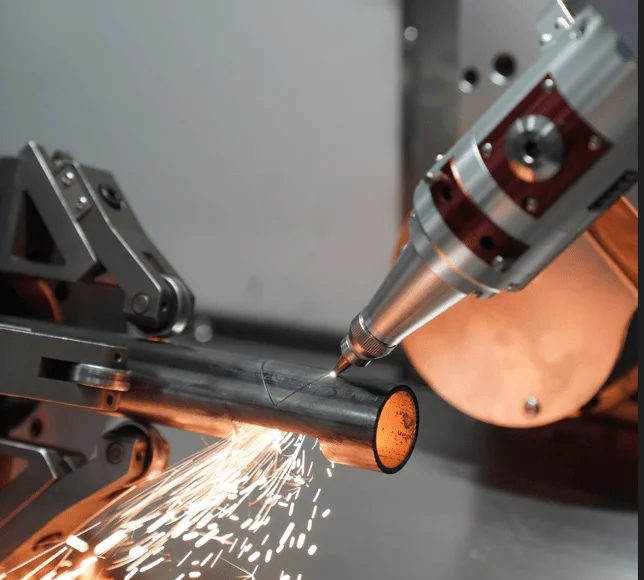
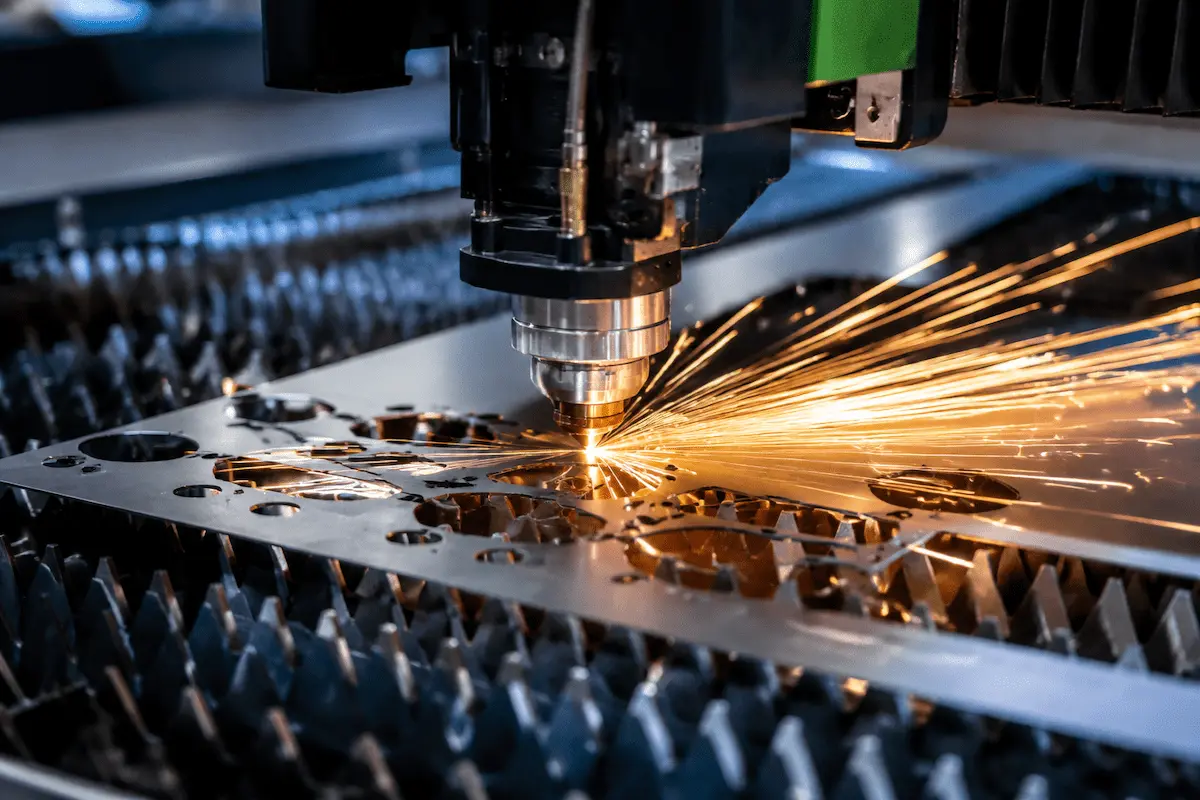
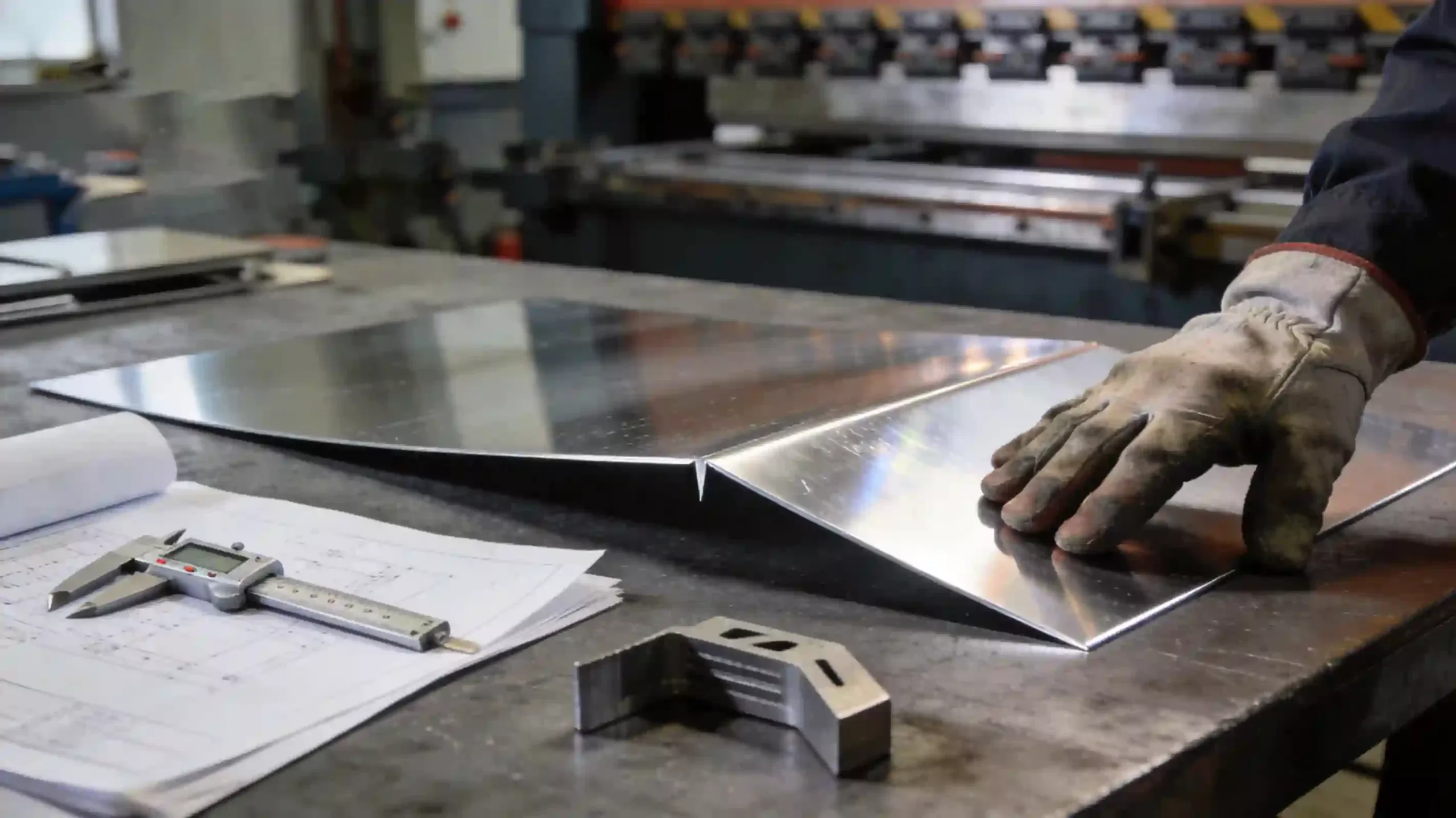
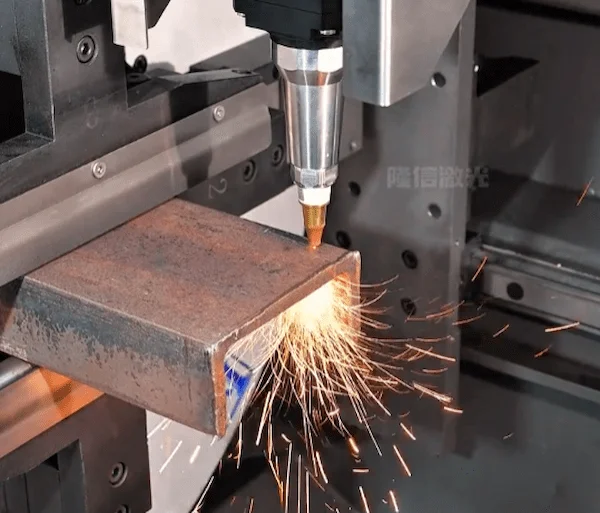
파이프 레이저 절단기는 현대 제조업에서 필수 장비로, 자동차, 항공우주, 건설, 가구 생산과 같은 산업에서 널리 사용됩니다. 파이프 레이저 절단기를 고려하는 구매자에게 2025년 가격은 복잡하고 매우 다양하게 보일 수 있습니다. 이 블로그는 글로벌 선도 브랜드와 B2B 플랫폼의 최근 리스팅을 분석하여 엔트리 레벨부터 고급 시스템까지 현재 가격대에 대한 현실적인 개요를 제공합니다. 우리는 시장 데이터와 관찰된 추세를 결합하여 잠재 구매자가 정보에 입각한 예산 결정을 내릴 수 있도록 돕는 것을 목표로 합니다.
가격대 및 구성 차이
파이프 레이저 절단기는 구성과 성능에 따라 세 가지 주요 가격대로 분류됩니다: 엔트리 레벨($15,000~$40,000), 미드레인지($50,000~$100,000), 하이엔드($150,000 이상). 아래는 각 등급의 일반적인 구성과 적용 분야입니다.
엔트리 레벨($15,000~$40,000)
레이저 파워:
이 기계는 1.5kW~3kW 레이저로 강력한 성능을 발휘하며, 8mm 미만의 얇은 재료를 절단하는 데 적합합니다. 스테인리스 스틸, 탄소강 또는 알루미늄을 생각하면 됩니다. 가벼운 재료를 작업하고 중량 작업이 필요 없는 경우에 완벽합니다.
파이프 처리 용량:
직경 10mm~120mm의 원형, 사각형 또는 직사각형 파이프를 작업할 수 있습니다. 최대 6미터 길이, 약 100kg 무게의 파이프를 처리합니다. 가구용 금속 부품이나 간단한 파이프 부품 제작과 같은 소규모 작업에 적합한 견고한 구성입니다.
오토메이션:
화려한 로봇 공학은 없습니다—수동 로딩 또는 기본 CNC 공급 시스템만 있습니다. 사용이 간단하고 소량 배치에 적합하므로, 대량 생산이 아니라면 쉽고 관리하기 편리합니다.
정밀도:
가격 대비 정확도가 상당히 높아 위치 정밀도 약 ±0.05mm, 반복 절단 정밀도 ±0.03mm를 달성합니다. 초정밀 디테일이 필요 없는 간단한 작업에는 충분합니다.
소프트웨어:
소프트웨어는 기본적이지만 간단한 형상과 윤곽에 필요한 기능을 제공합니다. 사용자 친화적이어서 머리를 긁적이며 고민할 필요가 없습니다—빠르고 간결한 디자인에 이상적입니다.
적용 분야:
소규모 작업장이나 저용량 작업을 하는 모든 사람에게 훌륭한 선택입니다. 의자용 금속 다리나 기본 파이프 부품 제작을 생각해 보세요—너무 복잡하지 않고 실용적인 작업입니다.
예시 모델:
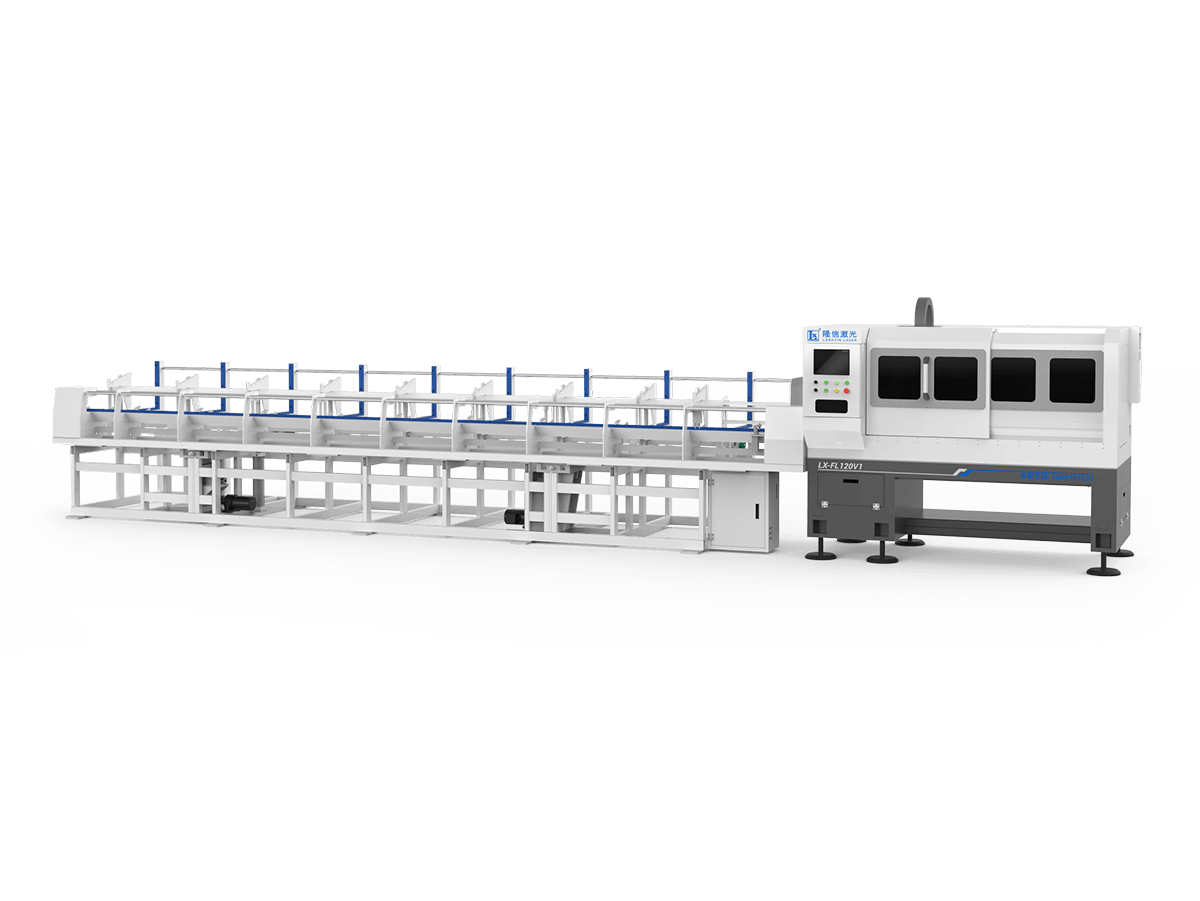
- Longxin Laser LX-FL120: ($15,000~$30,000) 원형 튜브 절단 전용으로 설계된 엔트리 레벨 레이저 튜브 절단기.
- 산둥 패스트 CNC 1.5kW: 약 $19,950(FOB)—시작하는 소규모 기업을 위한 신뢰할 수 있는 선택.
- STYLECNC ST-FC6012T(1500W): 약 $20,800, 직경 10mm~120mm 파이프를 쉽게 처리.
미드레인지($50,000~$100,000)
레이저 파워:
한 단계 업그레이드하면 4kW~6kW 레이저로 중간 두께 재료(5mm~10mm)를 더 빠른 속도로 처리할 수 있습니다. 엔트리 레벨보다 더 강력한 성능이 필요할 때 강철이나 알루미늄에 완벽합니다.
파이프 처리 용량:
이 기계는 직경 15mm~230mm, 최대 6미터 길이, 약 300kg 무게 제한의 파이프를 처리합니다. 구조용 프로파일이나 중간 규모 생산 런에 적합한 범위입니다.
오토메이션:
여기서 더 매끄러워집니다—자동 로딩 및 언로딩 시스템과 고정 척이 작업 흐름을 더 빠르고 덜 수동적으로 만듭니다. 생산을 약간 확장하는 경우 큰 도움이 됩니다.
정밀도:
정확도도 향상되어 더 정밀한 위치 지정과 반복 절단을 제공합니다. 약간 더 디테일하지만 지나치게 복잡하지 않은 작업에 필요한 바로 그 기능입니다.
소프트웨어:
이 등급에서는 고급 네스팅 및 프로그래밍 도구를 제공하여 재료 활용을 극대화하는 데 탁월합니다. 기본에서 한 단계 업그레이드되어 더 스마트한 절단 계획이 가능합니다.
적용 분야:
구조용 부품을 만들거나 중간 배치를 운영하는 중간 규모 작업장에서 빛을 발합니다. 비용을 과도하게 들이지 않으면서 작업을 계속 진행할 수 있을 만큼 다재다능합니다.
예시 모델:
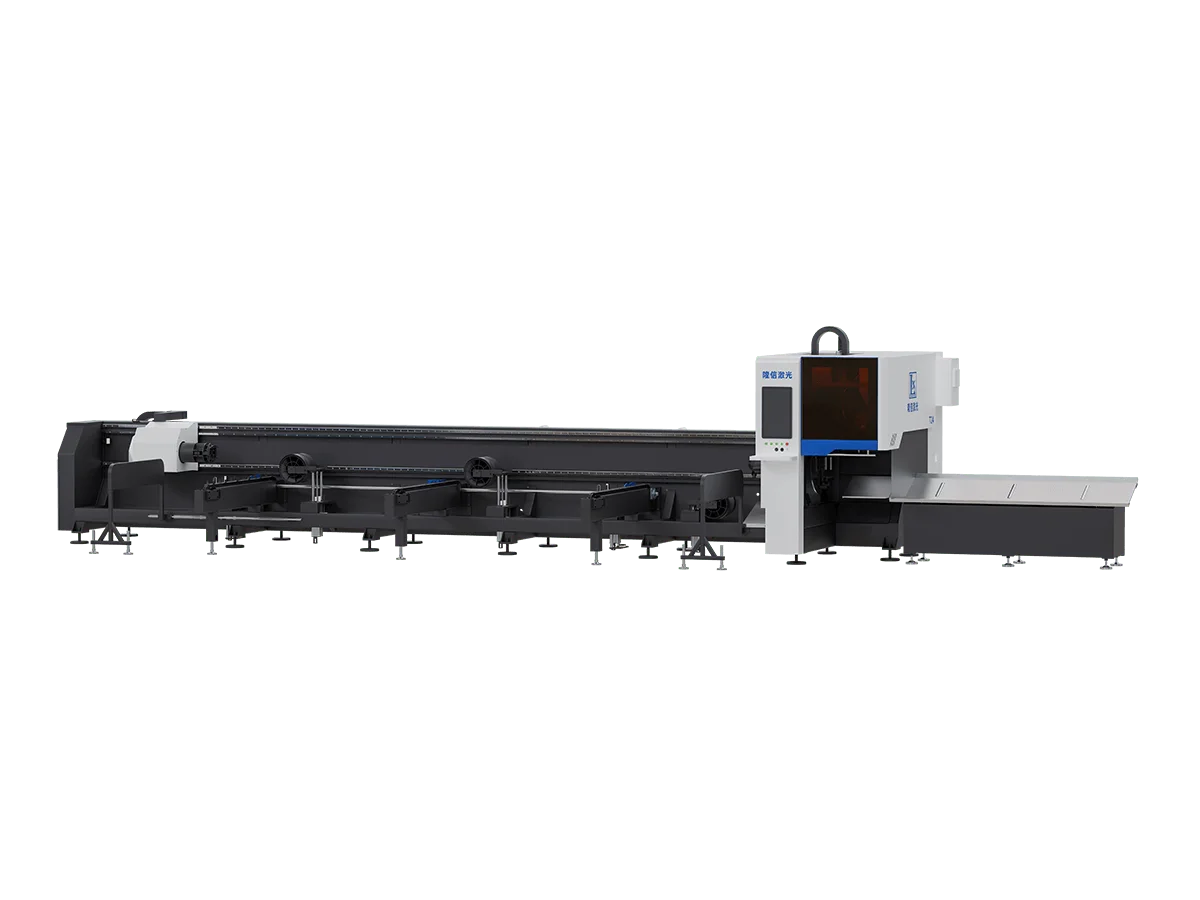
- Longxin Laser LX-T24: ($50,000~$75,000) 베벨 절단 공정을 갖춘 중량용 튜브 레이저 절단기.
- 보더 K-시리즈 6kW: ($60,000~$75,000)—꾸준한 중간 규모 작업에 탁월.
하이엔드($150,000 이상)
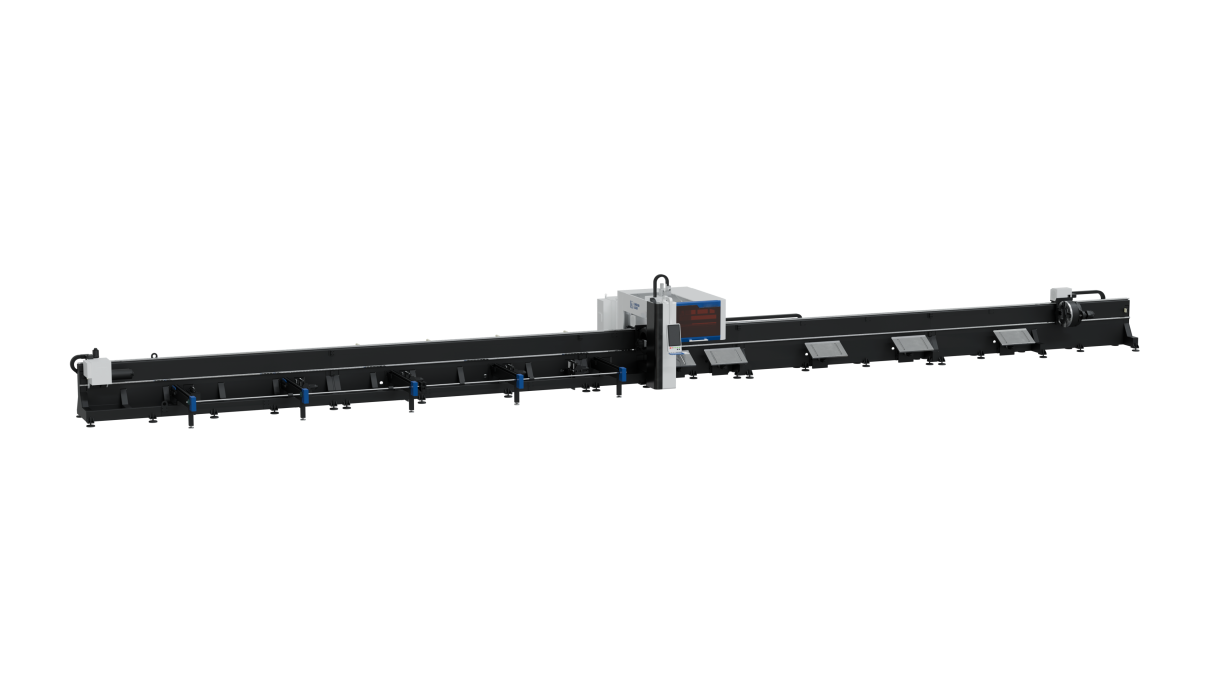
레이저 파워:
이 강력한 기계는 6kW에서 시작하여 12kW 이상까지 올라가며, 10mm 이상의 두꺼운 재료를 버터처럼 빠르게 절단합니다. 중량 강철이나 알루미늄을 다루는 경우 이 제품이 선택입니다.
파이프 처리 용량:
직경 20mm~350mm(또는 그 이상), 최대 12미터 이상, 최대 900kg 무게의 파이프를 처리할 수 있습니다. 심각한 용량을 요구하는 크고 힘든 작업을 위해 설계되었습니다.
오토메이션:
여기서는 완전히 무인 운영입니다—다축 절단 헤드, 로봇 로더, 긴 파이프 컨베이어 시스템이 모든 것을 원활하게 유지합니다. 생산 라인이 자동 조종 장치에 있는 것과 같습니다.
정밀도:
±0.03mm 이상의 정확도를 제공하며, 베벨이나 복잡한 패턴과 같은 까다로운 절단에 놀라운 성능입니다. 고위험 프로젝트에서 차이를 만드는 정밀도입니다.
소프트웨어:
CAD/CAM 소프트웨어는 최고 수준으로 복잡한 설계와 생산 관리를 완벽하게 통합합니다. 디테일한 작업과 대용량 작업을 쉽게 처리하는 데 완벽합니다.
적용 분야:
이 제품은 품질이나 속도에 타협할 수 없는 항공우주, 조선, 인프라와 같은 중량 산업을 위해 만들어졌습니다. 까다로운 산업을 위한 진정한 선택입니다.
예시 모델:
- Longxin Laser LX-T35-3: ($150,000부터 시작) 3척 튜브 레이저 베벨 절단기, 필요에 따라 6/9/12/24m 로딩/언로딩 맞춤 가능.
- Trumpf TruLaser Tube 5000(4kW, 중고): 약 $550,000, 고급 기능이 가득.
- BLM 그룹 레이저튜브: $180,000~$300,000 사이, 최대 610mm 파이프 처리.
구성 차이 표
| 등급 | 출력 범위 | 일반적인 특징 | 가격 범위(USD) |
|---|---|---|---|
| 엔트리 레벨 | 5–3kW | 수동/기본 CNC, 간단한 튜브 처리 | $15,000–$40,000 |
| 중급형 | 4–6 kW | 자동 로딩, 고정 척, 중속 | $50,000–$100,000 |
| 고급형 | 6–12 kW+ | 다축, 로봇 로더, 긴 파이프 | $150,000–$300,000+ |
파이프 레이저 절단기 가격과 기능이 이렇게 다른 이유
어떤 파이프 레이저 절단기는 $15,000인데 어떤 것은 수십만 달러까지 올라가는지 궁금한 적이 있나요? 이는 단순한 우연이 아닙니다—여러 실용적인 요소가 돈으로 받는 결과를 결정합니다. 자세히 살펴보겠습니다.
레이저 출력 및 절단 속도: 기계의 근육
- 더 높은 레이저 출력(예: 6kW 대 3kW)은 더 비싼 레이저 소스와 냉각 시스템을 요구하며, 기계 비용을 직접적으로 증가시킵니다.
- 10mm보다 두꺼운 재료를 절단하려면 6kW 이상의 레이저 출력이 권장되며, 두꺼운 재료의 빠른 가공이 가능합니다.
파이프 처리 용량: 더 큰 파이프, 더 큰 도전
- 더 큰 직경이나 더 긴 파이프를 처리하려면 더 강한 척, 서보 모터, 프레임이 필요하며, 이는 제조 비용을 증가시킵니다.
- 예를 들어, 고급형 기계는 직경 350mm 이상의 파이프를 처리할 수 있지만, 입문형 기계는 120mm로 제한됩니다.
자동화 및 액세서리: 더 열심히가 아닌 더 똑똑하게 작업
- 자동 로딩 및 언로딩 시스템, 회전 척, 다축 절단 헤드는 기계 및 제어 시스템에 복잡성을 더해 비용을 $20,000에서 $100,000까지 증가시킵니다.
- 고급형 기계에는 로봇 로더와 긴 파이프 컨베이어가 포함되어 효율성을 크게 향상시킵니다.
레이저 소스 브랜드: 신뢰에는 추가 비용이 따릅니다
- IPG 및 Raycus 같은 잘 알려진 브랜드는 더 안정적인 성능을 제공하지만 일반 모듈보다 비쌉니다.
- 예를 들어, IPG 레이저 소스는 표준 브랜드보다 20-30% 더 비쌀 수 있습니다.
정밀도 및 제어 시스템: 모든 세부 사항을 완벽하게
- 높은 정밀도는 프리미엄 리니어 가이드, 고성능 서보 모터, 고급 CNC 시스템을 요구하며, 이는 비용을 증가시킵니다.
- 고급 소프트웨어는 복잡한 설계와 효율적인 네스팅을 지원하여 재료 사용을 최적화합니다.
제조업체 평판 및 지원: 브랜드 보너스
- Trumpf 및 Bystronic 같은 유럽 브랜드는 신뢰성과 우수한 애프터서비스 덕분에 일반적으로 중국 브랜드보다 20-30% 더 비쌉니다.
올바른 파이프 레이저 절단기 선택 방법
올바른 기계를 선택하는 것은 단순히 돈의 문제가 아닙니다—요구에 딱 맞는 기계를 찾는 것입니다. 단계별로 정리해 보겠습니다.
1단계: 절단할 대상 파악
-
재료 및 두께: 스테인리스 스틸, 알루미늄, 탄소강 중 무엇을 작업하나요? 두께는 얼마인가요? 5mm 미만의 얇은 파이프는 1.5kW에서 3kW 레이저로 충분합니다. 10mm 이상인가요? 6kW 이상이 필요합니다.
-
파이프 크기: 파이프 크기는 얼마나 되나요? 직경 120mm 미만인가요? 입문형으로 충분합니다. 230mm 이상인가요? 중급형 또는 고급형이 필요합니다.
-
생산량: 하루 또는 주간 절단량은 얼마인가요? 대량 배치는 따라잡기 위해 더 많은 출력과 자동화가 필요합니다.
-
복잡성: 멋진 베벨이나 정교한 디자인을 원하나요? 다축 헤드와 스마트 절단 기술이 있는 기계를 선택하세요.
2단계: 사양 자세히 확인
-
레이저 파워: 재료 두께에 맞추세요. 얇은 파이프에는 낮은 출력, 두꺼운 파이프나 빠른 생산에는 높은 출력.
-
파이프 처리: 가장 큰 파이프를 처리할 수 있는지 확인하세요—크기와 무게 포함.
-
오토메이션: 대량 생산인가요? 자동 시스템이 생명의 은인입니다. 소량 생산인가요? 수동으로 충분할 수 있습니다.
-
정밀도: 절단이 완벽해야 한다면 정밀도 수치를 확인하세요.
-
소프트웨어: 좋은 소프트웨어는 설계와 폐기물 최소화를 쉽게 만듭니다. 건너뛰지 마세요.
3단계: 비용 계산
-
초기 비용: 입문형은 $15,000부터, 중급형은 $50,000, 고급형은 $150,000+입니다. 예산에 맞는 것을 선택하세요.
-
운영 비용: 유지보수, 레이저 헤드 같은 부품, 전기 요금을 고려하세요. 파이버 레이저는 초기 비용이 더 높지만 CO2에 비해 장기적으로 비용을 절약합니다.
-
Total Cost: Add up everything—buying, setup, training, upkeep. It’s the full picture that counts.
Step 4: Pick a Brand You Can Count On
-
Reputation: Names like TRUMPF or BLM Group scream quality. Bodor or Golden Laser from China? Great value.
-
Support: Check for solid after-sales help and easy spare parts access.
-
Try Before You Buy: Ask for samples or a demo to see what the machine can really do.
Quick Decision Guide
Stuck on where to start? Here’s a fast way to narrow it down:
-
Maximum Pipe Diameter?
-
<120mm: Consider entry-level or mid-range machines.
-
120-230mm: Mid-range machines.
-
230mm: High-end machines.
-
-
Maximum Wall Thickness?
-
<5mm: 1.5kW-3kW.
-
5-10mm: 3kW-6kW.
-
10mm: 6kW or higher.
-
-
Automation Needed?
-
No: Entry-level machines.
-
Yes: Mid-range or high-end machines.
-
-
Budget?
-
<$40,000: Entry-level.
-
$50,000-$100,000: Mid-range.
-
$150,000: High-end.
-
Market Trends and Regional Variations
-
Global Trends: The price of fiber laser pipe cutting machines has decreased by approximately 10% over the past three years, driven by improved manufacturing efficiency in China.
-
Growth Forecast: The market is expected to grow from $1.2 billion in 2024 to $2.7 billion by 2033.
-
Regional Price Differences: Prices in North America and Europe are 10-20% higher due to shipping, tariffs, and after-sales service costs, while the Asia-Pacific region remains the most competitive.
Best Practices
-
Define Requirements: Clearly specify the maximum pipe length, diameter range, and material thickness before purchasing to avoid overspending on unnecessary features.
-
Compare Quotes: Ensure that quotes include the same laser source brand, automation package, warranty, and installation services.
-
Total Cost of Ownership: Consider maintenance contracts, gas consumption (for CO2 lasers), electricity usage, and consumables costs.
-
On-Site Visits: Attend industry exhibitions or visit manufacturer showrooms to see the machines in operation.
결론
By understanding the price and configuration differences of pipe laser cutting machines, buyers can better align their budget with production goals. Entry-level machines start at $15,000, mid-range at $50,000 to $100,000, and high-end at $150,000 and above. It is recommended to request detailed quotes, include service terms, and compare multiple manufacturers to secure the best value.