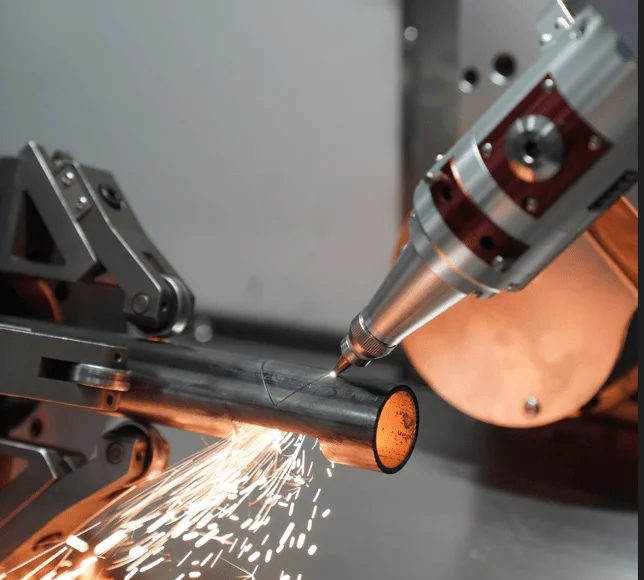
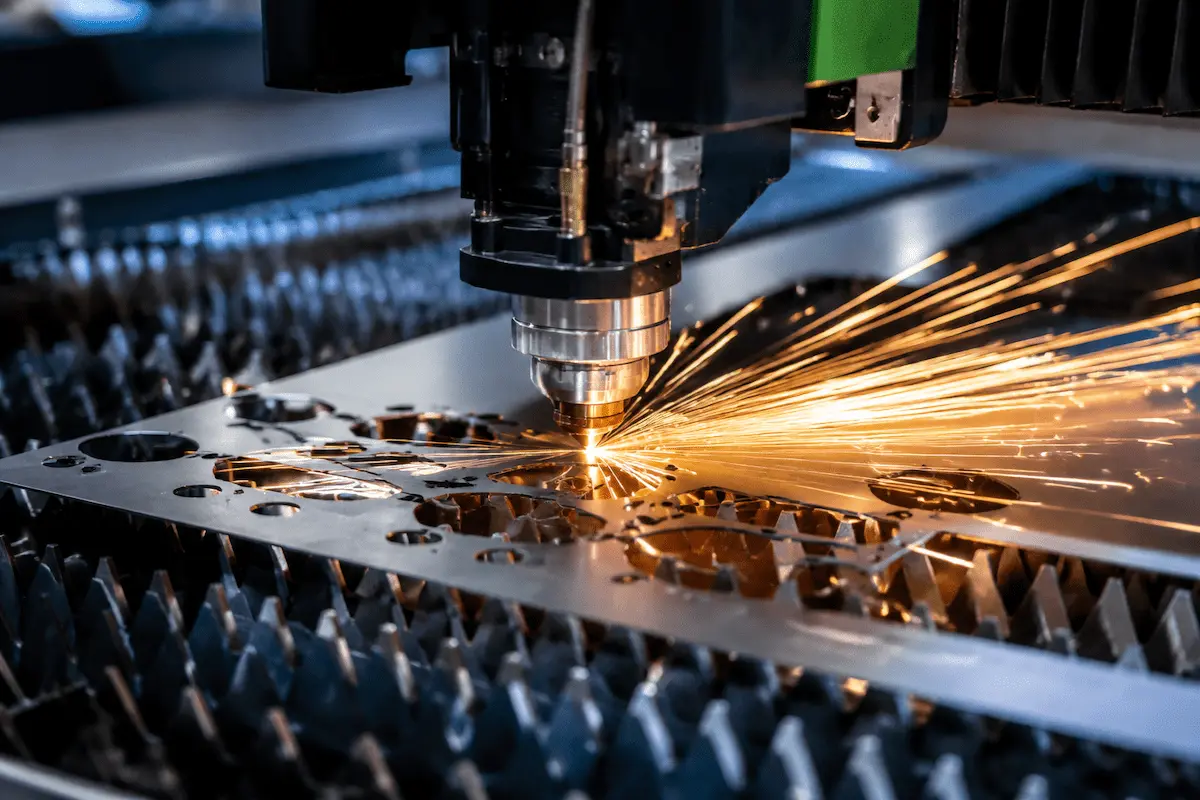
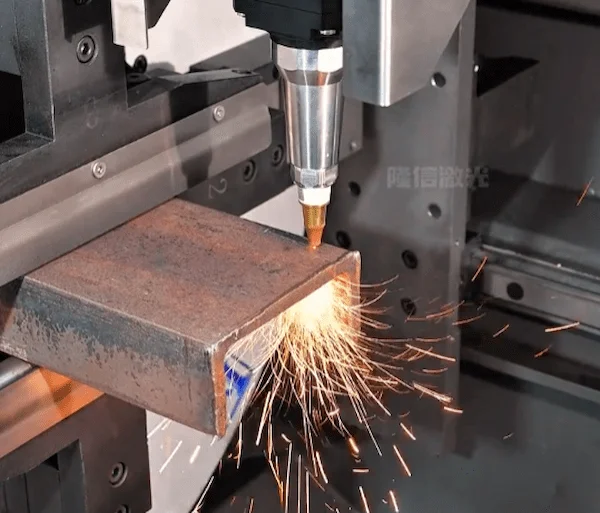
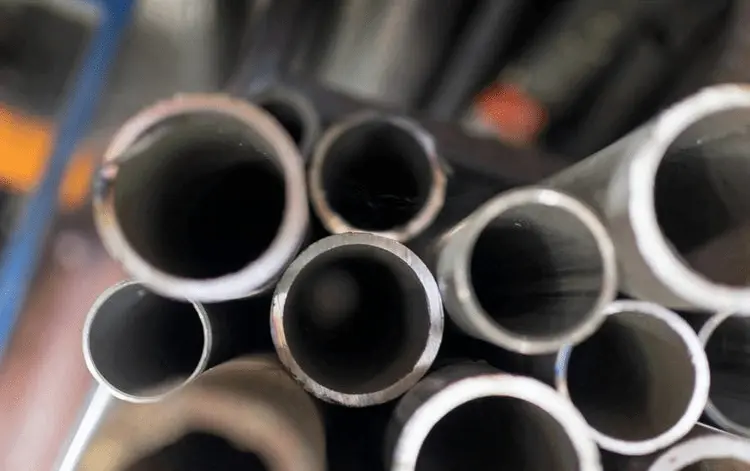
เครื่องตัดท่อด้วยเลเซอร์เป็นอุปกรณ์สำคัญในการผลิตสมัยใหม่ ใช้กันอย่างแพร่หลายในอุตสาหกรรมยานยนต์ การบินและอวกาศ การก่อสร้าง และการผลิตเฟอร์นิเจอร์ สำหรับผู้ซื้อที่พิจารณาเครื่องตัดท่อด้วยเลเซอร์ ราคาในปี 2025 อาจดูซับซ้อนและมีความหลากหลายสูง บล็อกนี้วิเคราะห์รายการล่าสุดจากแบรนด์ชั้นนำระดับโลกและแพลตฟอร์ม B2B เพื่อให้ภาพรวมที่สมจริงของระดับราคาปัจจุบัน ตั้งแต่ระดับเริ่มต้นจนถึงระบบขั้นสูง เรามุ่งหวังที่จะช่วยให้ผู้ซื้อที่มีศักยภาพตัดสินใจด้านงบประมาณอย่างรอบคอบโดยผสานข้อมูลตลาดกับแนวโน้มที่สังเกตได้.
ระดับราคาและความแตกต่างของการกำหนดค่า
เครื่องตัดท่อด้วยเลเซอร์ถูกจัดอยู่ในสามระดับราคาหลักตามการกำหนดค่าและความสามารถ: ระดับเริ่มต้น ($15,000 ถึง $40,000) ระดับกลาง ($50,000 ถึง $100,000) และระดับสูง ($150,000 ขึ้นไป) ด้านล่างคือการกำหนดค่าและการใช้งานทั่วไปสำหรับแต่ละระดับ.
ระดับเริ่มต้น ($15,000 ถึง $40,000)
กำลังของเลเซอร์:
เครื่องจักรเหล่านี้มาพร้อมเลเซอร์ 1.5kW ถึง 3kW ซึ่งเหมาะสำหรับการตัดวัสดุที่บางกว่า—อะไรก็ตามที่หนาไม่เกิน 8 มม. คิดถึงสแตนเลส เหล็กกล้าคาร์บอน หรืออะลูมิเนียม เหมาะอย่างยิ่งหากคุณทำงานกับวัสดุที่เบากว่าและไม่ต้องการงานหนัก.
ความสามารถในการจัดการท่อ:
คุณสามารถทำงานกับท่อกลม ท่อเหลี่ยม หรือท่อสี่เหลี่ยมผืนผ้าได้ที่นี่ โดยมีเส้นผ่านศูนย์กลางตั้งแต่ 10 มม. ถึง 120 มม. รองรับท่อยาวสูงสุด 6 เมตรและน้ำหนักประมาณ 100 กก. สูงสุด เป็นการตั้งค่าที่มั่นคงสำหรับงานขนาดเล็ก เช่น การผลิตชิ้นส่วนโลหะสำหรับเฟอร์นิเจอร์หรือชิ้นส่วนท่อธรรมดา.
ระบบอัตโนมัติ:
ไม่มีหุ่นยนต์หรูหราที่นี่—เพียงการโหลดด้วยมือหรือระบบป้อน CNC พื้นฐาน ใช้งานง่ายและเหมาะสำหรับชุดการผลิตขนาดเล็ก ดังนั้นหากคุณไม่ได้ผลิตชิ้นส่วนจำนวนมาก สิ่งนี้จะทำให้ทุกอย่างง่ายและจัดการได้.
จำนวนทศนิยม:
มีความแม่นยำค่อนข้างดีสำหรับราคานี้ โดยมีความแม่นยำในการกำหนดตำแหน่งประมาณ ±0.05 มม. และ ±0.03 มม. สำหรับการตัดซ้ำ เพียงพอสำหรับงานตรงไปตรงมาที่ไม่ต้องการรายละเอียดละเอียดมาก.
ซอฟต์แวร์:
ซอฟต์แวร์พื้นฐานแต่เพียงพอสำหรับรูปทรงและเส้นขอบที่เรียบง่าย เป็นมิตรกับผู้ใช้ ดังนั้นคุณจะไม่ต้องปวดหัวกับการทำความเข้าใจ—เหมาะสำหรับการออกแบบที่รวดเร็วและไม่ซับซ้อน.
โปรแกรม:
เหมาะอย่างยิ่งสำหรับเวิร์กช็อปขนาดเล็กหรือผู้ที่ทำงานปริมาณน้อย ลองนึกถึงการทำขาโลหะสำหรับเก้าอี้หรือชิ้นส่วนท่อพื้นฐาน—ไม่มีอะไรซับซ้อนเกินไป แค่ของที่ใช้งานได้จริง.
ตัวอย่างรุ่น:
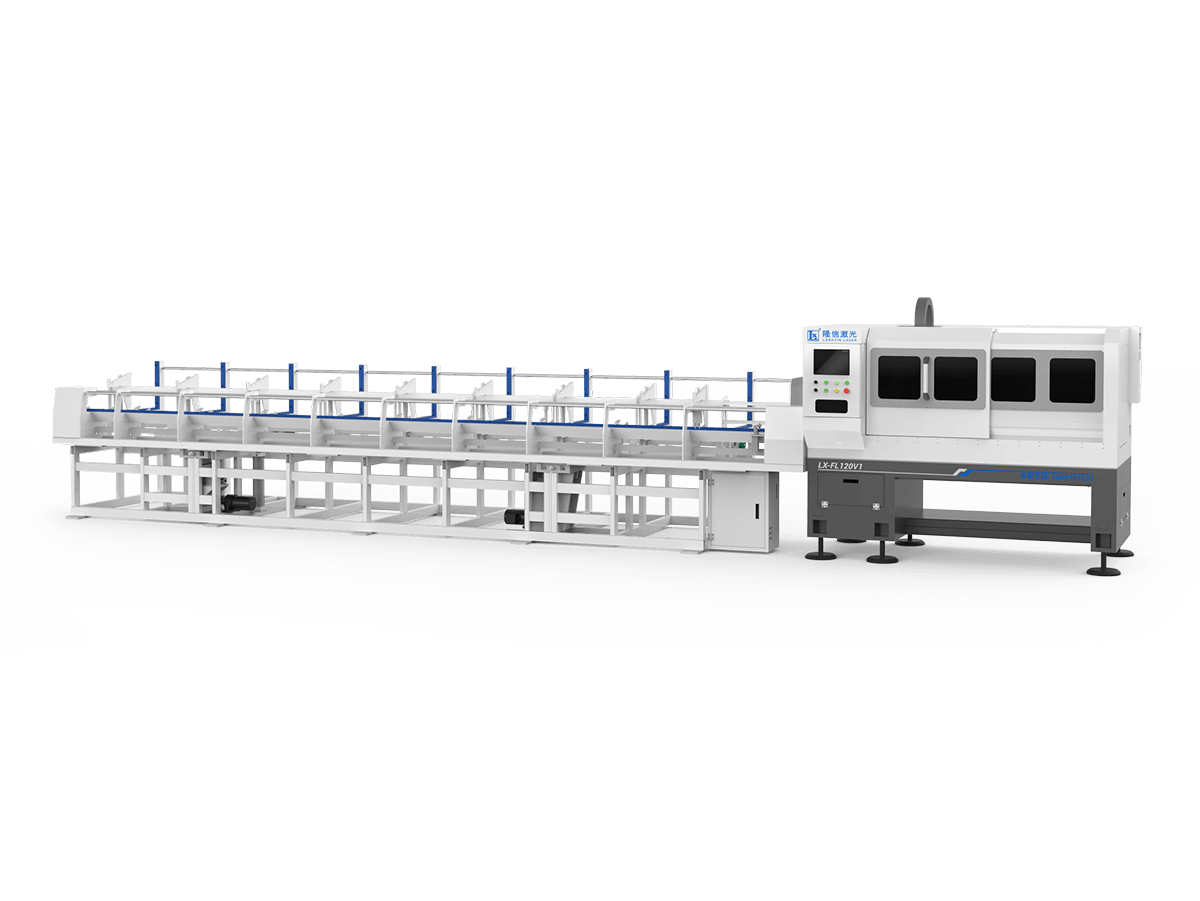
- Longxin Laser LX-FL120: ($15,000 ถึง $30,000) เครื่องตัดท่อด้วยเลเซอร์ระดับเริ่มต้นที่ออกแบบมาเฉพาะสำหรับการตัดท่อกลม.
- Shandong Fast CNC 1.5kW: ประมาณ $19,950 (FOB)—ตัวเลือกที่เชื่อถือได้สำหรับธุรกิจขนาดเล็กที่เพิ่งเริ่มต้น.
- STYLECNC ST-FC6012T (1500W): ประมาณ $20,800 รองรับท่อตั้งแต่ 10 มม. ถึง 120 มม. ได้อย่างง่ายดาย.
ระดับกลาง ($50,000 ถึง $100,000)
กำลังของเลเซอร์:
ก้าวขึ้นมา คุณจะได้เลเซอร์ 4kW ถึง 6kW ที่สามารถจัดการวัสดุความหนาปานกลาง—คิดถึง 5 มม. ถึง 10 มม.—ด้วยความเร็วที่เร็วกว่า เหมาะสำหรับเหล็กหรืออะลูมิเนียมเมื่อคุณต้องการพลังมากกว่าระดับเริ่มต้น.
ความสามารถในการจัดการท่อ:
เครื่องจักรเหล่านี้รองรับท่อที่มีเส้นผ่านศูนย์กลางตั้งแต่ 15 มม. ถึง 230 มม. และยาวสูงสุด 6 เมตร โดยมีน้ำหนักจำกัดประมาณ 300 กก. เป็นช่วงที่ดีสำหรับโปรไฟล์โครงสร้างหรือการผลิตขนาดกลาง.
ระบบอัตโนมัติ:
นี่คือจุดที่ราบรื่นขึ้น—ระบบโหลดและขนถ่ายอัตโนมัติ พร้อมหัวจับคงที่ ทำให้ขั้นตอนการทำงานเร็วขึ้นและใช้มือน้อยลง ช่วยได้มากหากคุณกำลังขยายการผลิตขึ้นเล็กน้อย.
จำนวนทศนิยม:
ความแม่นยำก็เพิ่มขึ้นเช่นกัน ให้การกำหนดตำแหน่งและการตัดซ้ำที่แน่นขึ้น เป็นสิ่งที่คุณต้องการสำหรับงานที่ละเอียดขึ้นเล็กน้อยแต่ไม่ซับซ้อนเกินไป.
ซอฟต์แวร์:
คุณได้รับเครื่องมือการจัดเรียงชิ้นส่วนขั้นสูงและการเขียนโปรแกรมในระดับนี้ ซึ่งยอดเยี่ยมสำหรับการใช้ประโยชน์สูงสุดจากวัสดุของคุณ เป็นการก้าวขึ้นจากพื้นฐาน ช่วยให้คุณวางแผนการตัดได้ชาญฉลาดขึ้น.
โปรแกรม:
เครื่องจักรเหล่านี้โดดเด่นในเวิร์กช็อปขนาดกลางที่คุณอาจผลิตชิ้นส่วนโครงสร้างหรือดำเนินการผลิตชุดขนาดกลาง มีความยืดหยุ่นเพียงพอที่จะทำให้งานดำเนินต่อไปได้โดยไม่เสียค่าใช้จ่ายมหาศาล.
ตัวอย่างรุ่น:
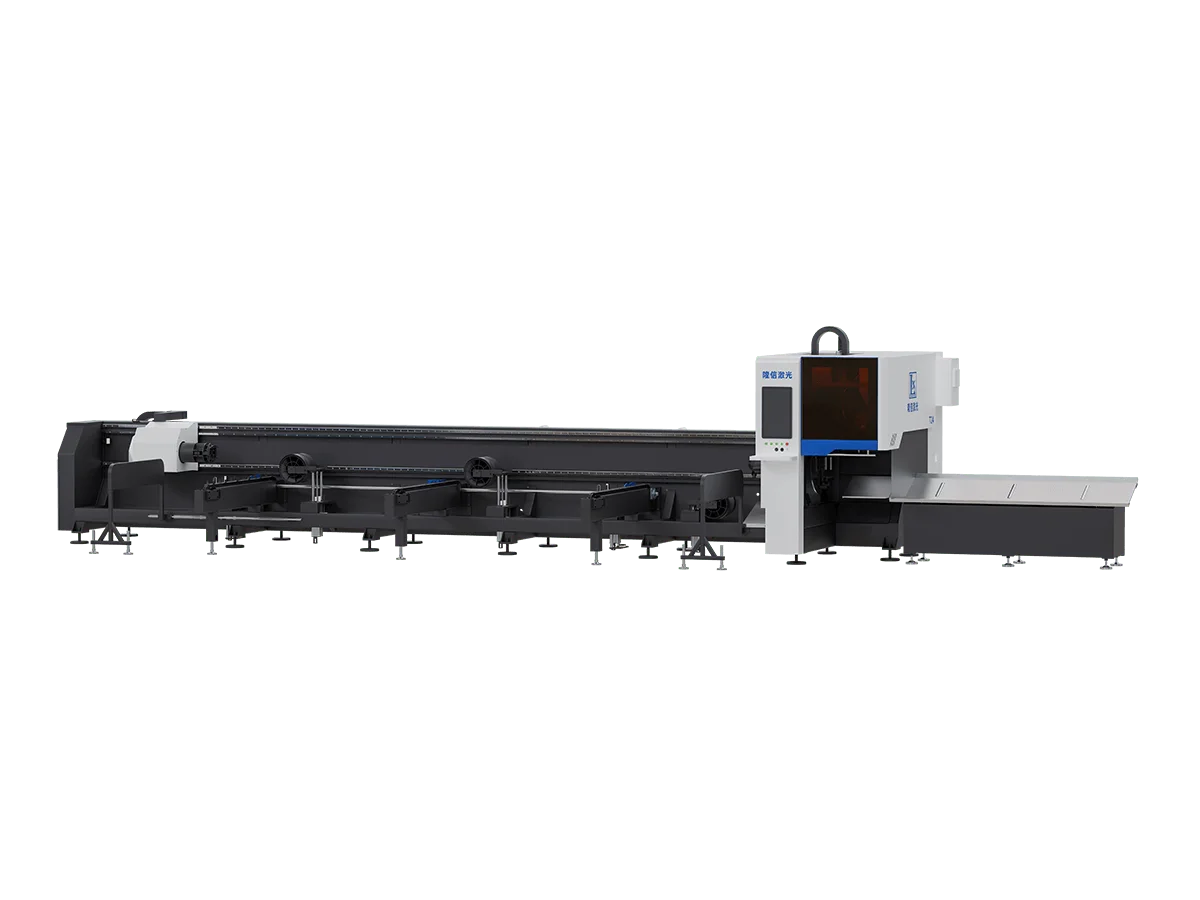
- Longxin Laser LX-T24: ($50,000 ถึง $75,000) เครื่องตัดท่อด้วยเลเซอร์งานหนักพร้อมกระบวนการตัดมุมเอียง.
- Bodor K-Series 6kW: ($60,000 ถึง $75,000) — เหมาะสำหรับงานขนาดกลางที่สม่ำเสมอ.
ระดับสูง ($150,000 ขึ้นไป)
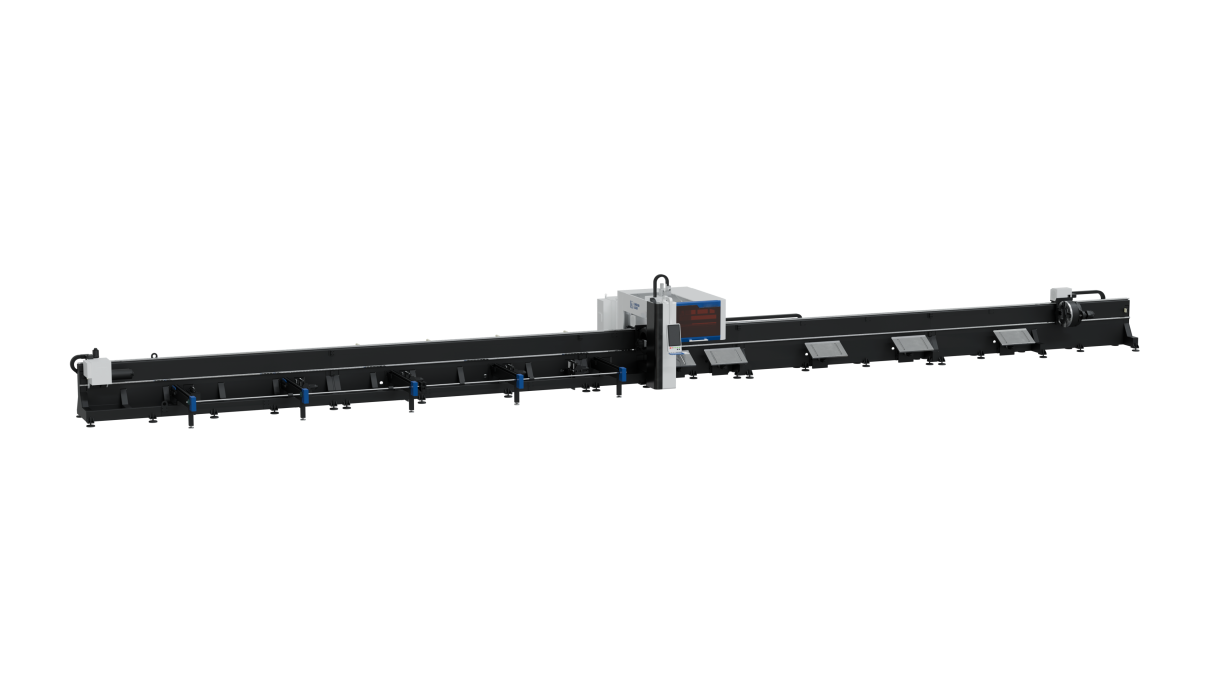
กำลังของเลเซอร์:
เครื่องจักรทรงพลังเหล่านี้เริ่มต้นที่ 6kW และสูงถึง 12kW หรือมากกว่า ตัดผ่านวัสดุหนา—มากกว่า 10 มม.—ได้อย่างง่ายดายและรวดเร็ว หากคุณจัดการกับเหล็กหนักหรืออะลูมิเนียม นี่คือตัวเลือกของคุณ.
ความสามารถในการจัดการท่อ:
รองรับท่อตั้งแต่ 20 มม. ถึง 350 มม. (หรือใหญ่กว่านั้น) ยาวได้ถึง 12 เมตรหรือมากกว่า และรับน้ำหนักได้สูงสุด 900 กก. สร้างขึ้นสำหรับงานใหญ่และยากที่ต้องการความสามารถที่จริงจัง.
ระบบอัตโนมัติ:
นี่คือจุดที่ระบบทำงานแบบไม่ต้องใช้มือโดยสมบูรณ์—หัวตัดหลายแกน โหลดเดอร์หุ่นยนต์ และระบบลำเลียงท่อยาวทำให้ทุกอย่างทำงานราบรื่น เหมือนมีสายการผลิตในโหมดอัตโนมัติ.
จำนวนทศนิยม:
คุณจะได้ความแม่นยำ ±0.03 มม. หรือดีกว่า ซึ่งน่าทึ่งสำหรับการตัดที่ซับซ้อน เช่น การตัดมุมเอียงหรือลวดลายที่ซับซ้อน เป็นความแม่นยำที่สร้างความแตกต่างในโครงการที่มีความเสี่ยงสูง.
ซอฟต์แวร์:
ซอฟต์แวร์ CAD/CAM ที่นี่เป็นระดับสูงสุด ผสานการออกแบบที่ซับซ้อนและการจัดการการผลิตได้อย่างลงตัว เหมาะสำหรับการจัดการงานที่ละเอียดและปริมาณงานมากโดยไม่ต้องเหนื่อย.
โปรแกรม:
เครื่องจักรเหล่านี้สร้างขึ้นสำหรับผู้เล่นรายใหญ่—การบินและอวกาศ การต่อเรือ โครงสร้างพื้นฐาน—ที่ซึ่งคุณไม่สามารถประนีประนอมคุณภาพหรือความเร็วได้ เป็นของจริงสำหรับอุตสาหกรรมที่ต้องการสูง.
ตัวอย่างรุ่น:
- Longxin Laser LX-T35-3: (เริ่มต้นที่ $150,000) เครื่องตัดมุมเอียงท่อด้วยเลเซอร์สามหัวจับ ปรับแต่งการโหลด/ขนถ่าย 6/9/12/24 ม. ตามความต้องการของคุณ.
- Trumpf TruLaser Tube 5000 (4kW มือสอง): ประมาณ $550,000 พร้อมฟีเจอร์ขั้นสูงครบครัน.
- BLM Group Lasertube: ระหว่าง $180,000 ถึง $300,000 รองรับท่อสูงสุด 610 มม.
ตารางความแตกต่างของการกำหนดค่า
| ระดับ | พลังงานระยะ | คุณสมบัติทั่วไป | ช่วงราคา (USD) |
|---|---|---|---|
| ระดับเริ่มต้น | 5–3 กิโลวัตต์ | การโหลดด้วยมือ/CNC พื้นฐาน การจัดการท่อที่เรียบง่าย | $15,000–$40,000 |
| Mid-Range | 4–6 kW | Automated loading, fixed chucks, mid-speed | $50,000–$100,000 |
| High-End | 6–12 kW+ | Multi-axis, robotic loaders, long tubes | $150,000–$300,000+ |
Why Pipe Laser Cutting Machines Vary So Much in Price and Features
Ever wondered why some pipe laser cutting machines are priced at $15,000 while others soar into the hundreds of thousands? It’s not just random—it comes down to a handful of practical factors that shape what you get for your money. Let’s dive in.
Laser Power and Cutting Speed: The Muscle Behind the Machine
- Higher laser power (e.g., 6kW vs. 3kW) requires more expensive laser sources and cooling systems, directly increasing the machine’s cost.
- For cutting materials thicker than 10mm, a laser power of 6kW or higher is recommended, enabling faster processing of thick materials.
Pipe Handling Capacity: Bigger Pipes, Bigger Challenges
- Handling larger diameters or longer pipes requires stronger chucks, servo motors, and frames, which increase manufacturing costs.
- For example, high-end machines can handle pipes over 350mm in diameter, while entry-level machines are limited to 120mm.
Automation and Accessories: Work Smarter, Not Harder
- Automatic loading and unloading systems, rotary chucks, and multi-axis cutting heads add complexity to the mechanical and control systems, increasing costs by $20,000 to $100,000.
- High-end machines often include robotic loaders and long pipe conveyors, significantly boosting efficiency.
Laser Source Brand: Trust Costs Extra
- Well-known brands like IPG and Raycus offer more reliable performance but are more expensive than generic modules.
- For instance, an IPG laser source may cost 20-30% more than a standard brand.
Precision and Control Systems: Nailing Every Detail
- High precision requires premium linear guides, high-performance servo motors, and advanced CNC systems, which raise costs.
- Advanced software supports complex designs and efficient nesting, optimizing material usage.
Manufacturer Reputation and Support: The Brand Bonus
- European brands like Trumpf and Bystronic typically charge 20-30% more than Chinese brands due to their reliability and superior after-sales service.
How to Choose the Right Pipe Laser Cutting Machine
Choosing the right machine isn’t just about cash—it’s about finding the one that fits your needs like a glove. Here’s how to sort it out, step by step.
Step 1: Figure Out What You’re Cutting
-
Material and Thickness: What’s on your plate—stainless steel, aluminum, carbon steel? How thick? Thin pipes under 5mm are fine with 1.5kW to 3kW lasers. Over 10mm? You’re looking at 6kW or more.
-
Pipe Size: How big are your pipes? Under 120mm in diameter? Entry-level works. Over 230mm? Time for mid-range or high-end.
-
Production Volume: How much are you cutting daily or weekly? Big batches need more power and automation to keep up.
-
Complexity: Want cool bevels or intricate designs? Go for machines with multi-axis heads and smart cutting tech.
Step 2: Get the Lowdown on Specs
-
กำลังของเลเซอร์: Match it to your material thickness. Low power for thin pipes, high power for thick ones or fast production.
-
Pipe Handling: Make sure it can manage your biggest pipes—size and weight included.
-
ระบบอัตโนมัติ: High volume? Auto systems are a lifesaver. Small runs? Manual might do.
-
จำนวนทศนิยม: Check the accuracy stats if your cuts need to be perfect.
-
ซอฟต์แวร์: Good software makes designing and minimizing waste a breeze. Don’t skip it.
Step 3: Crunch the Numbers
-
Initial Cost: Entry-level starts at $15,000, mid-range at $50,000, high-end at $150,000+. Pick what your budget can handle.
-
运营成本: Factor in maintenance, parts like laser heads, and power bills. Fiber lasers cost more upfront but save cash long-term compared to CO2.
-
Total Cost: Add up everything—buying, setup, training, upkeep. It’s the full picture that counts.
Step 4: Pick a Brand You Can Count On
-
Reputation: Names like TRUMPF or BLM Group scream quality. Bodor or Golden Laser from China? Great value.
-
Support: Check for solid after-sales help and easy spare parts access.
-
Try Before You Buy: Ask for samples or a demo to see what the machine can really do.
Quick Decision Guide
Stuck on where to start? Here’s a fast way to narrow it down:
-
Maximum Pipe Diameter?
-
<120mm: Consider entry-level or mid-range machines.
-
120-230mm: Mid-range machines.
-
230mm: High-end machines.
-
-
Maximum Wall Thickness?
-
<5mm: 1.5kW-3kW.
-
5-10mm: 3kW-6kW.
-
10mm: 6kW or higher.
-
-
Automation Needed?
-
No: Entry-level machines.
-
Yes: Mid-range or high-end machines.
-
-
Budget?
-
<$40,000: Entry-level.
-
$50,000-$100,000: Mid-range.
-
$150,000: High-end.
-
Market Trends and Regional Variations
-
Global Trends: The price of fiber laser pipe cutting machines has decreased by approximately 10% over the past three years, driven by improved manufacturing efficiency in China.
-
Growth Forecast: The market is expected to grow from $1.2 billion in 2024 to $2.7 billion by 2033.
-
Regional Price Differences: Prices in North America and Europe are 10-20% higher due to shipping, tariffs, and after-sales service costs, while the Asia-Pacific region remains the most competitive.
Best Practices
-
Define Requirements: Clearly specify the maximum pipe length, diameter range, and material thickness before purchasing to avoid overspending on unnecessary features.
-
Compare Quotes: Ensure that quotes include the same laser source brand, automation package, warranty, and installation services.
-
Total Cost of Ownership: Consider maintenance contracts, gas consumption (for CO2 lasers), electricity usage, and consumables costs.
-
On-Site Visits: Attend industry exhibitions or visit manufacturer showrooms to see the machines in operation.
สรุป
By understanding the price and configuration differences of pipe laser cutting machines, buyers can better align their budget with production goals. Entry-level machines start at $15,000, mid-range at $50,000 to $100,000, and high-end at $150,000 and above. It is recommended to request detailed quotes, include service terms, and compare multiple manufacturers to secure the best value.