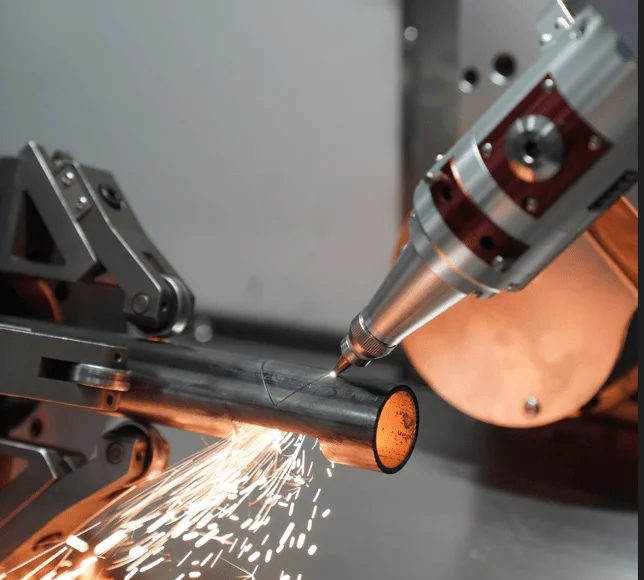
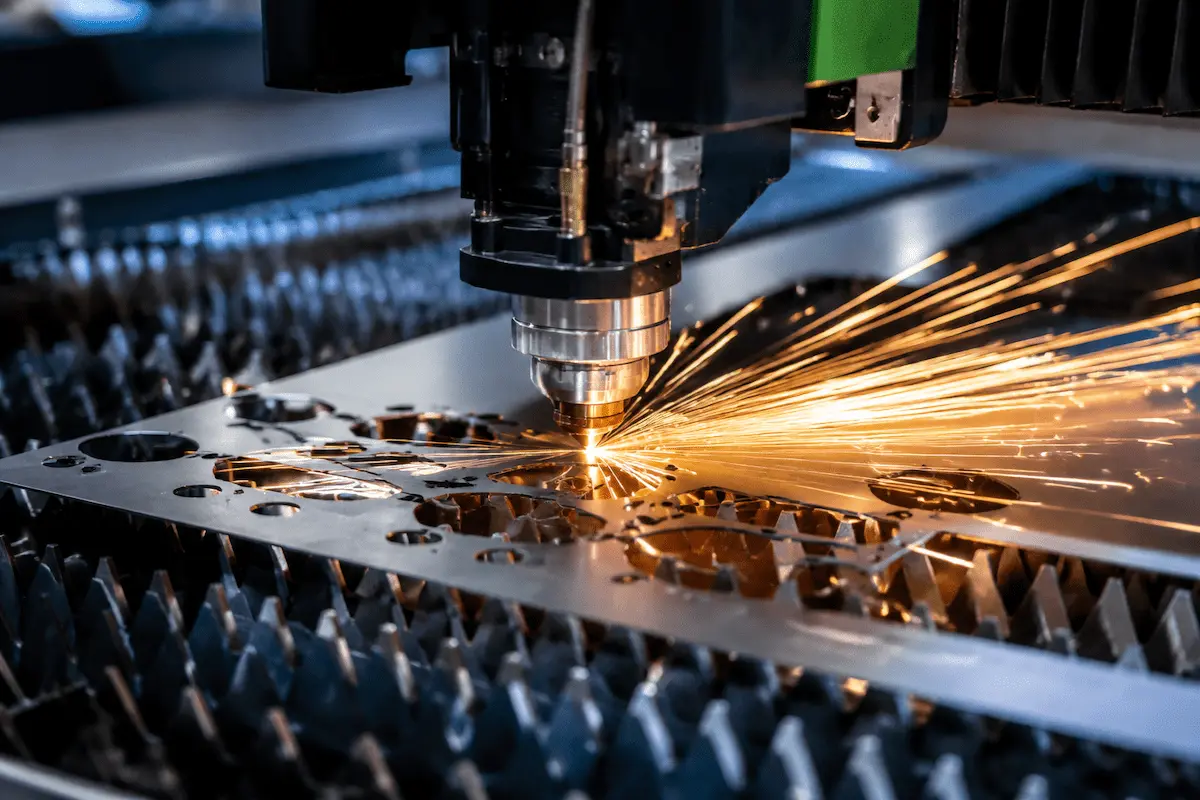
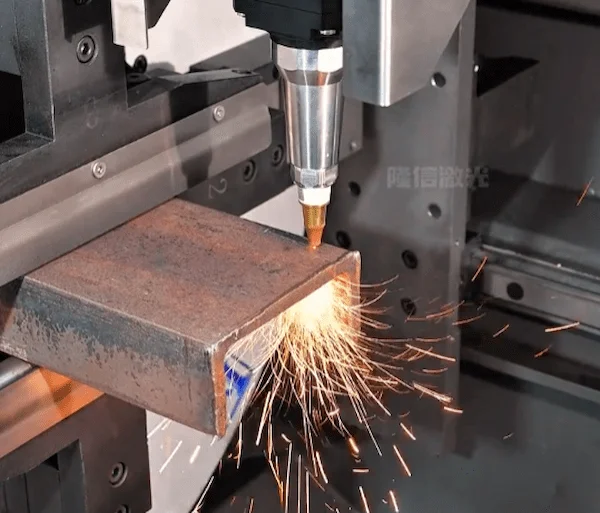
Le macchine da taglio laser per tubi sono attrezzature essenziali nella produzione moderna, ampiamente utilizzate in settori come automotive, aerospaziale, edilizia e produzione di mobili. Per gli acquirenti che considerano una macchina da taglio laser per tubi, i prezzi nel 2025 possono apparire complessi e molto variabili. Questo blog analizza annunci recenti dei principali marchi globali e piattaforme B2B per fornire una panoramica realistica delle attuali fasce di prezzo, dai sistemi entry-level a quelli avanzati. Miriamo ad aiutare i potenziali acquirenti a prendere decisioni di budget informate combinando dati di mercato e tendenze osservate.
Fasce di Prezzo e Differenze di Configurazione
Le macchine da taglio laser per tubi sono classificate in tre principali fasce di prezzo in base alla loro configurazione e capacità: entry-level ($15.000 a $40.000), fascia media ($50.000 a $100.000) e fascia alta ($150.000 e oltre). Di seguito sono riportate le configurazioni e le applicazioni tipiche per ciascuna fascia.
Entry-Level ($15.000 a $40.000)
Potenza laser:
Queste macchine offrono una potenza notevole con laser da 1,5kW a 3kW, ideali per tagliare materiali più sottili, qualsiasi cosa sotto gli 8mm di spessore. Pensa all'acciaio inossidabile, all'acciaio al carbonio o all'alluminio. Sono perfette se lavori su materiali più leggeri e non hai bisogno di un uso intensivo.
Capacità di Gestione dei Tubi:
Puoi lavorare con tubi rotondi, quadrati o rettangolari, con diametri da 10mm a 120mm. Accettano tubi fino a 6 metri di lunghezza e con un peso massimo di circa 100kg. È una configurazione solida per lavori più piccoli, come la creazione di componenti metallici per mobili o semplici parti di tubi.
Automazione:
Niente robotica sofisticata qui, solo caricamento manuale o un sistema CNC di alimentazione di base. È semplice da usare e ottimo per piccoli lotti, quindi se non produci enormi quantità di pezzi, questo mantiene tutto facile e gestibile.
Precisione:
Sono abbastanza precise per il prezzo, raggiungendo circa ±0,05mm per il posizionamento e ±0,03mm per i tagli ripetuti. Questo è più che sufficiente per compiti semplici dove non serve un dettaglio super fine.
Software:
Il software è basilare ma fa ciò che serve per forme e contorni semplici. È intuitivo, quindi non ti gratterai la testa cercando di capirlo, ideale per design rapidi e senza fronzoli.
Applicazioni:
Queste sono perfette per piccole officine o per chi fa lavori a basso volume. Immagina di creare gambe metalliche per sedie o componenti base per tubi, niente di troppo complicato, solo cose pratiche.
Modelli di Esempio:
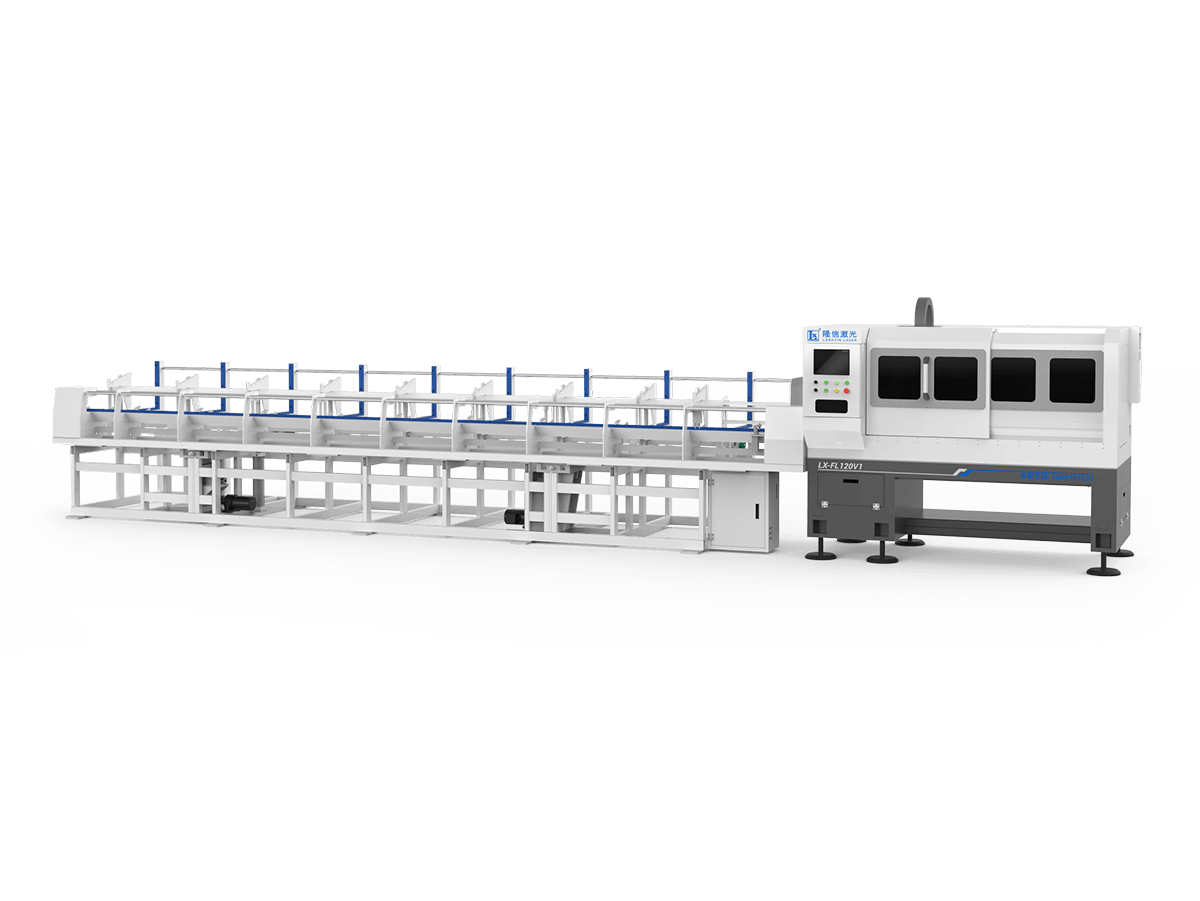
- Longxin Laser LX-FL120: ($15.000 a $30.000) Macchina da taglio laser per tubi entry-level progettata specificamente per il taglio di tubi rotondi.
- Shandong Fast CNC 1.5kW: Circa $19.950 (FOB), una scelta affidabile per le piccole imprese che iniziano.
- STYLECNC ST-FC6012T (1500W): Circa $20.800, gestisce tubi da 10mm a 120mm con facilità.
Fascia Media ($50.000 a $100.000)
Potenza laser:
Salendo di livello, hai laser da 4kW a 6kW che possono affrontare materiali medio-spessi, pensa a 5mm-10mm, a un ritmo più veloce. Sono perfetti per acciaio o alluminio quando ti serve un po' più di potenza rispetto all'entry-level.
Capacità di Gestione dei Tubi:
Queste macchine gestiscono tubi da 15mm a 230mm di diametro e fino a 6 metri di lunghezza, con un limite di peso di circa 300kg. È una bella gamma per cose come profili strutturali o produzioni di medie dimensioni.
Automazione:
È qui che diventa più fluido: sistemi di caricamento e scaricamento automatici, più mandrini fissi, rendono il tuo flusso di lavoro più veloce e meno manuale. È un grande aiuto se stai aumentando un po' la produzione.
Precisione:
Anche la precisione aumenta, offrendo posizionamento e tagli ripetuti più stretti. È proprio ciò che serve per lavori un po' più dettagliati ma non eccessivamente complessi.
Software:
Ottieni strumenti avanzati di nesting e programmazione con questa fascia, il che è fantastico per sfruttare al massimo i tuoi materiali. È un passo avanti rispetto al basilare, permettendoti di pianificare tagli più intelligenti.
Applicazioni:
Queste brillano in officine di medie dimensioni dove potresti produrre parti strutturali o gestire lotti medi. Sono abbastanza versatili da mantenere le cose in movimento senza costare una fortuna.
Modelli di Esempio:
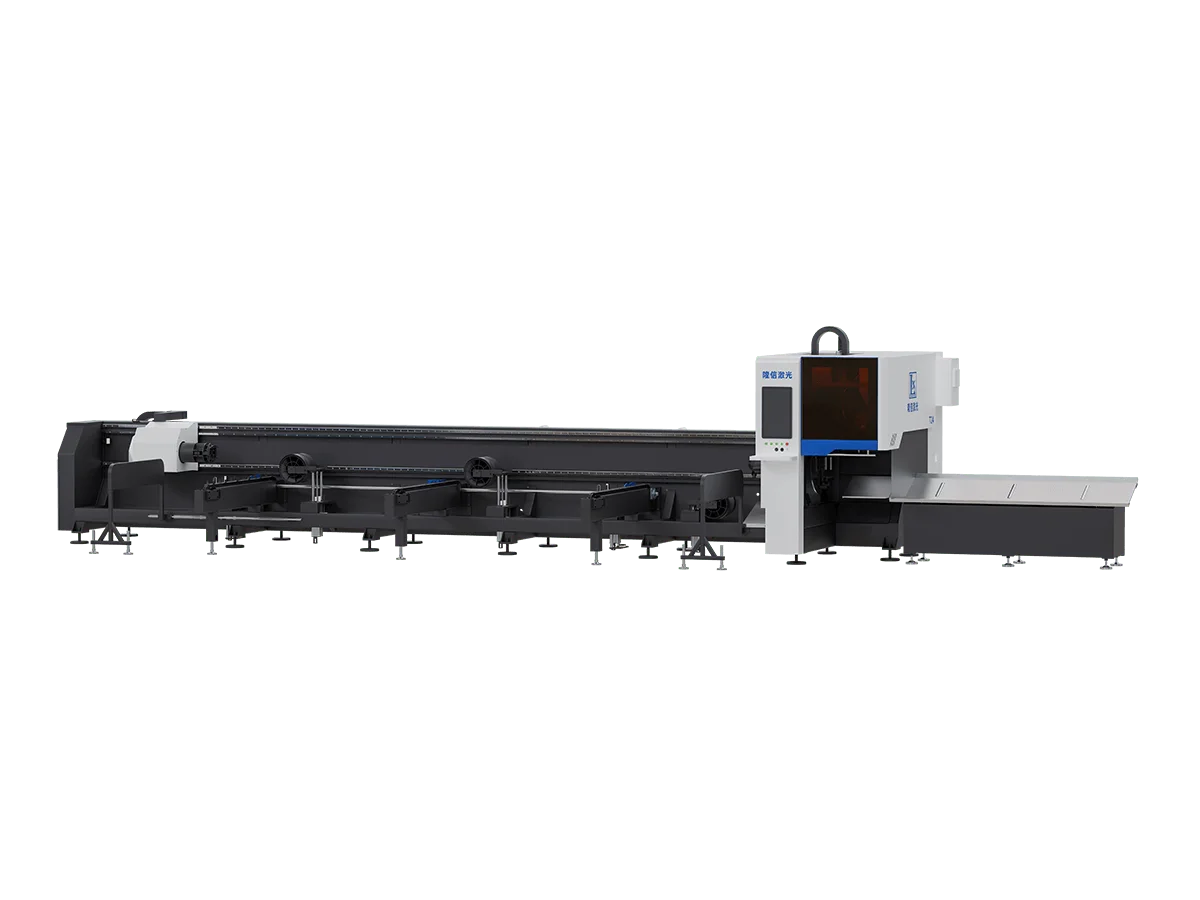
- Longxin Laser LX-T24: ($50.000 a $75.000) Taglio laser per tubi pesante con processo di taglio a smusso.
- Bodor K-Series 6kW: ($60.000 a $75.000) — ottimo per un lavoro costante su scala media.
Fascia Alta ($150.000 e Oltre)
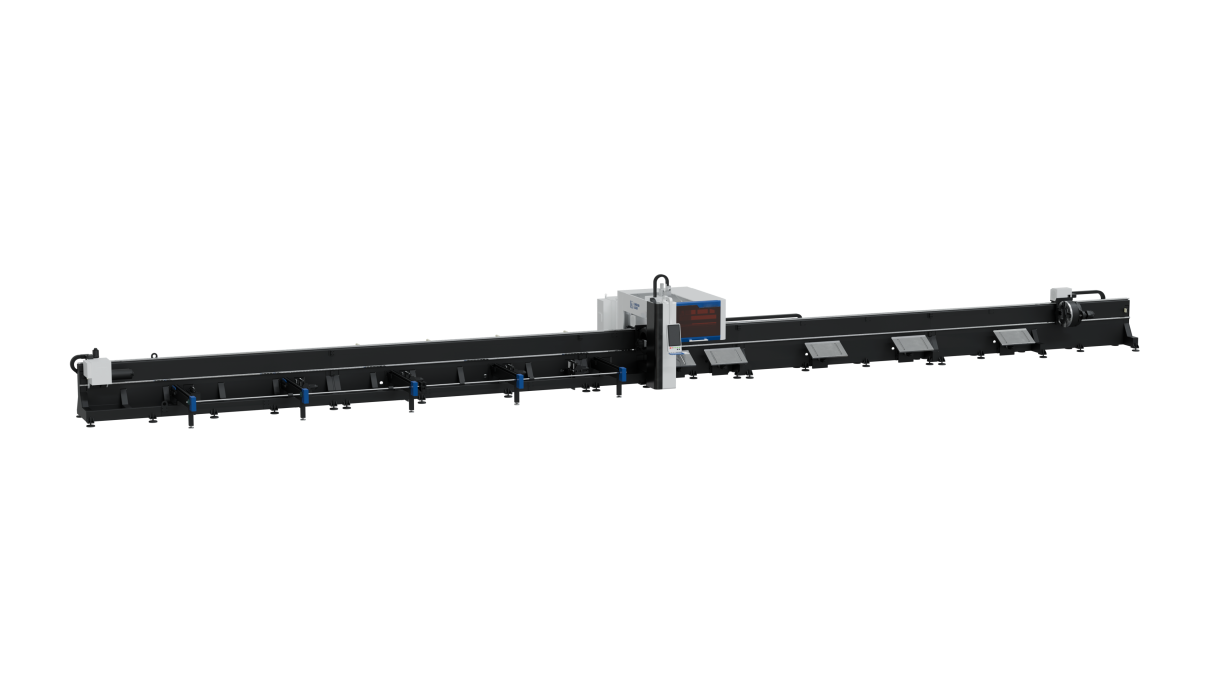
Potenza laser:
Queste belve partono da 6kW e arrivano a 12kW o più, tagliando materiali spessi, oltre 10mm, come burro, e velocemente. Se hai a che fare con acciaio pesante o alluminio, questa è la tua scelta.
Capacità di Gestione dei Tubi:
Possono gestire tubi da 20mm a 350mm (o anche più grandi), estendendosi fino a 12 metri o più, e supportando pesi fino a 900kg. Sono costruite per i lavori grandi e difficili che richiedono una capacità seria.
Automazione:
È qui che tutto è completamente automatico: teste di taglio multiasse, caricatori robotici e sistemi di trasporto per tubi lunghi mantengono tutto in funzione senza intoppi. È come avere una linea di produzione con pilota automatico.
Precisione:
Stai guardando a una precisione di ±0,03mm o migliore, incredibile per tagli complicati come smussi o pattern complessi. È il tipo di precisione che fa la differenza in progetti ad alto rischio.
Software:
Il software CAD/CAM qui è di prim'ordine, integrando design complessi e gestione della produzione senza soluzione di continuità. È perfetto per gestire lavori dettagliati e grandi carichi di lavoro senza sforzo.
Applicazioni:
Queste sono fatte per i grandi player: aerospaziale, cantieristica navale, infrastrutture, dove non puoi scendere a compromessi su qualità o velocità. Sono la scelta vera per settori esigenti.
Modelli di Esempio:
- Longxin Laser LX-T35-3: (A partire da $150.000) Macchina per taglio laser a smusso per tubi a tre mandrini, personalizzabile con caricamento/scaricamento da 6/9/12/24m secondo le tue esigenze.
- Trumpf TruLaser Tube 5000 (4kW, usato): Circa $550.000, ricca di funzionalità avanzate.
- BLM Group Lasertube: Tra $180.000 e $300.000, gestisce tubi fino a 610mm.
Tabella delle Differenze di Configurazione
| Fascia | Gamma di potenza | Caratteristiche Tipiche | Fascia di Prezzo (USD) |
|---|---|---|---|
| Entry-Level | 1,5–3 kW | CNC manuale/base, gestione semplice dei tubi | $15.000–$40.000 |
| Mid-Range | 4–6 kW | Automated loading, fixed chucks, mid-speed | $50,000–$100,000 |
| High-End | 6–12 kW+ | Multi-axis, robotic loaders, long tubes | $150,000–$300,000+ |
Why Pipe Laser Cutting Machines Vary So Much in Price and Features
Ever wondered why some pipe laser cutting machines are priced at $15,000 while others soar into the hundreds of thousands? It’s not just random—it comes down to a handful of practical factors that shape what you get for your money. Let’s dive in.
Laser Power and Cutting Speed: The Muscle Behind the Machine
- Higher laser power (e.g., 6kW vs. 3kW) requires more expensive laser sources and cooling systems, directly increasing the machine’s cost.
- For cutting materials thicker than 10mm, a laser power of 6kW or higher is recommended, enabling faster processing of thick materials.
Pipe Handling Capacity: Bigger Pipes, Bigger Challenges
- Handling larger diameters or longer pipes requires stronger chucks, servo motors, and frames, which increase manufacturing costs.
- For example, high-end machines can handle pipes over 350mm in diameter, while entry-level machines are limited to 120mm.
Automation and Accessories: Work Smarter, Not Harder
- Automatic loading and unloading systems, rotary chucks, and multi-axis cutting heads add complexity to the mechanical and control systems, increasing costs by $20,000 to $100,000.
- High-end machines often include robotic loaders and long pipe conveyors, significantly boosting efficiency.
Laser Source Brand: Trust Costs Extra
- Well-known brands like IPG and Raycus offer more reliable performance but are more expensive than generic modules.
- For instance, an IPG laser source may cost 20-30% more than a standard brand.
Precision and Control Systems: Nailing Every Detail
- High precision requires premium linear guides, high-performance servo motors, and advanced CNC systems, which raise costs.
- Advanced software supports complex designs and efficient nesting, optimizing material usage.
Manufacturer Reputation and Support: The Brand Bonus
- European brands like Trumpf and Bystronic typically charge 20-30% more than Chinese brands due to their reliability and superior after-sales service.
How to Choose the Right Pipe Laser Cutting Machine
Choosing the right machine isn’t just about cash—it’s about finding the one that fits your needs like a glove. Here’s how to sort it out, step by step.
Step 1: Figure Out What You’re Cutting
-
Material and Thickness: What’s on your plate—stainless steel, aluminum, carbon steel? How thick? Thin pipes under 5mm are fine with 1.5kW to 3kW lasers. Over 10mm? You’re looking at 6kW or more.
-
Pipe Size: How big are your pipes? Under 120mm in diameter? Entry-level works. Over 230mm? Time for mid-range or high-end.
-
Production Volume: How much are you cutting daily or weekly? Big batches need more power and automation to keep up.
-
Complexity: Want cool bevels or intricate designs? Go for machines with multi-axis heads and smart cutting tech.
Step 2: Get the Lowdown on Specs
-
Potenza laser: Match it to your material thickness. Low power for thin pipes, high power for thick ones or fast production.
-
Pipe Handling: Make sure it can manage your biggest pipes—size and weight included.
-
Automazione: High volume? Auto systems are a lifesaver. Small runs? Manual might do.
-
Precisione: Check the accuracy stats if your cuts need to be perfect.
-
Software: Good software makes designing and minimizing waste a breeze. Don’t skip it.
Step 3: Crunch the Numbers
-
Initial Cost: Entry-level starts at $15,000, mid-range at $50,000, high-end at $150,000+. Pick what your budget can handle.
-
Operating Costs: Factor in maintenance, parts like laser heads, and power bills. Fiber lasers cost more upfront but save cash long-term compared to CO2.
-
Total Cost: Add up everything—buying, setup, training, upkeep. It’s the full picture that counts.
Step 4: Pick a Brand You Can Count On
-
Reputation: Names like TRUMPF or BLM Group scream quality. Bodor or Golden Laser from China? Great value.
-
Support: Check for solid after-sales help and easy spare parts access.
-
Try Before You Buy: Ask for samples or a demo to see what the machine can really do.
Quick Decision Guide
Stuck on where to start? Here’s a fast way to narrow it down:
-
Maximum Pipe Diameter?
-
<120mm: Consider entry-level or mid-range machines.
-
120-230mm: Mid-range machines.
-
230mm: High-end machines.
-
-
Maximum Wall Thickness?
-
<5mm: 1.5kW-3kW.
-
5-10mm: 3kW-6kW.
-
10mm: 6kW or higher.
-
-
Automation Needed?
-
No: Entry-level machines.
-
Yes: Mid-range or high-end machines.
-
-
Budget?
-
<$40,000: Entry-level.
-
$50,000-$100,000: Mid-range.
-
$150,000: High-end.
-
Market Trends and Regional Variations
-
Global Trends: The price of fiber laser pipe cutting machines has decreased by approximately 10% over the past three years, driven by improved manufacturing efficiency in China.
-
Growth Forecast: The market is expected to grow from $1.2 billion in 2024 to $2.7 billion by 2033.
-
Regional Price Differences: Prices in North America and Europe are 10-20% higher due to shipping, tariffs, and after-sales service costs, while the Asia-Pacific region remains the most competitive.
Best Practices
-
Define Requirements: Clearly specify the maximum pipe length, diameter range, and material thickness before purchasing to avoid overspending on unnecessary features.
-
Compare Quotes: Ensure that quotes include the same laser source brand, automation package, warranty, and installation services.
-
Total Cost of Ownership: Consider maintenance contracts, gas consumption (for CO2 lasers), electricity usage, and consumables costs.
-
On-Site Visits: Attend industry exhibitions or visit manufacturer showrooms to see the machines in operation.
Conclusione
By understanding the price and configuration differences of pipe laser cutting machines, buyers can better align their budget with production goals. Entry-level machines start at $15,000, mid-range at $50,000 to $100,000, and high-end at $150,000 and above. It is recommended to request detailed quotes, include service terms, and compare multiple manufacturers to secure the best value.