










The fusion of digital design and laser technology has transformed how artists and designers bring their ideas to life. Today, laser cut artworks range from intricate wall panels to delicate jewelry and architectural installations. The precision and versatility of modern laser systems allow creatives to experiment with new materials, geometries, and scales in ways that were once unimaginable.
From Concept to CAD
Every artwork begins with a concept. Artists often start with sketches, which are then transferred into vector-based CAD software such as Adobe Illustrator, AutoCAD, or CorelDRAW. Vector lines serve as the “roadmap” for the laser beam. Unlike bitmap images, which are made of pixels, vector drawings ensure clean paths and accurate scaling. This digital preparation is crucial for achieving the fine details that define many laser cut artworks.
Material Selection
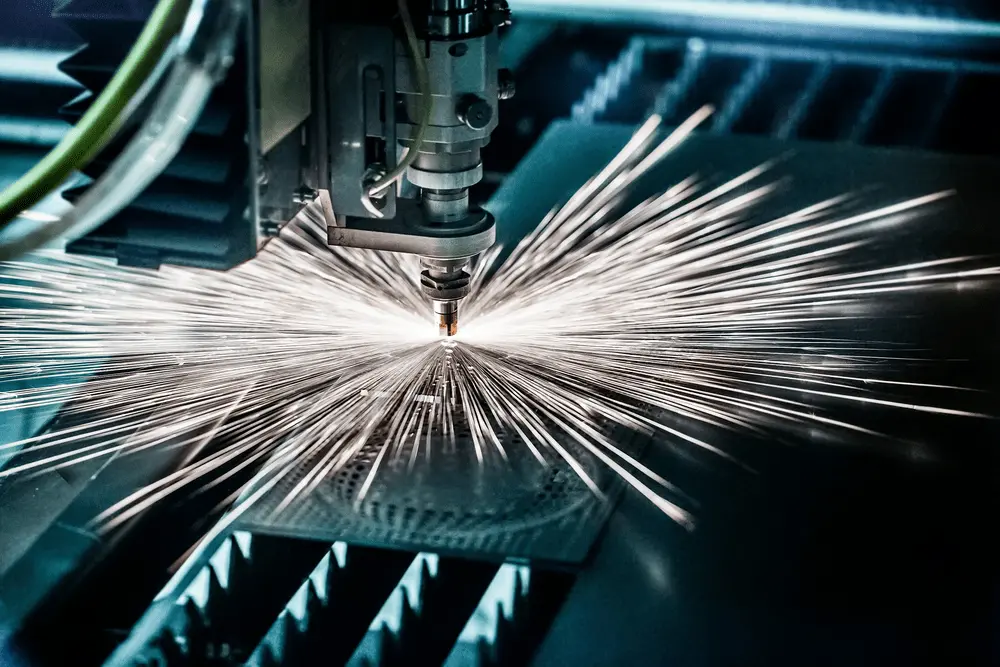
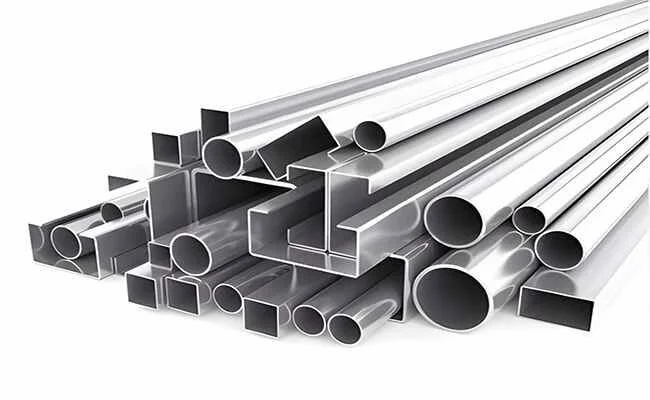
The choice of material directly affects both the aesthetics and technical feasibility of the piece. Wood, acrylic, stainless steel, and paper are among the most popular substrates. For instance, birch plywood is valued for its warmth and workability, while stainless steel adds durability and a contemporary feel. Each material interacts differently with the laser: thin paper can scorch if power settings are too high, while metals require higher wattage and assist gases to achieve smooth edges.
Precision and Customization
What distinguishes laser cut artworks from traditional techniques is the level of precision. Complex geometries, interlocking structures, and microscopic texturing can be replicated with accuracy measured in microns. Moreover, because each design is digital, customization is straightforward. Artists can adapt scale, pattern density, or even integrate personal elements like names or logos without altering the production process. This balance of precision and personalization has made laser cut artworks a popular choice in both fine art and commercial design.
From Flat Sheets to 3D Sculptures
While many artworks are cut from flat sheets, three-dimensional creations are increasingly common. Designers employ folding, layering, and assembly techniques to transform two-dimensional cuts into sculptures or architectural models. For example, layered paper cuttings stacked in depth can create shadow effects, while interlocking acrylic pieces form free-standing installations. Laser cutting provides the accuracy needed to ensure that parts align perfectly during assembly.
Challenges in Artistic Laser Cutting
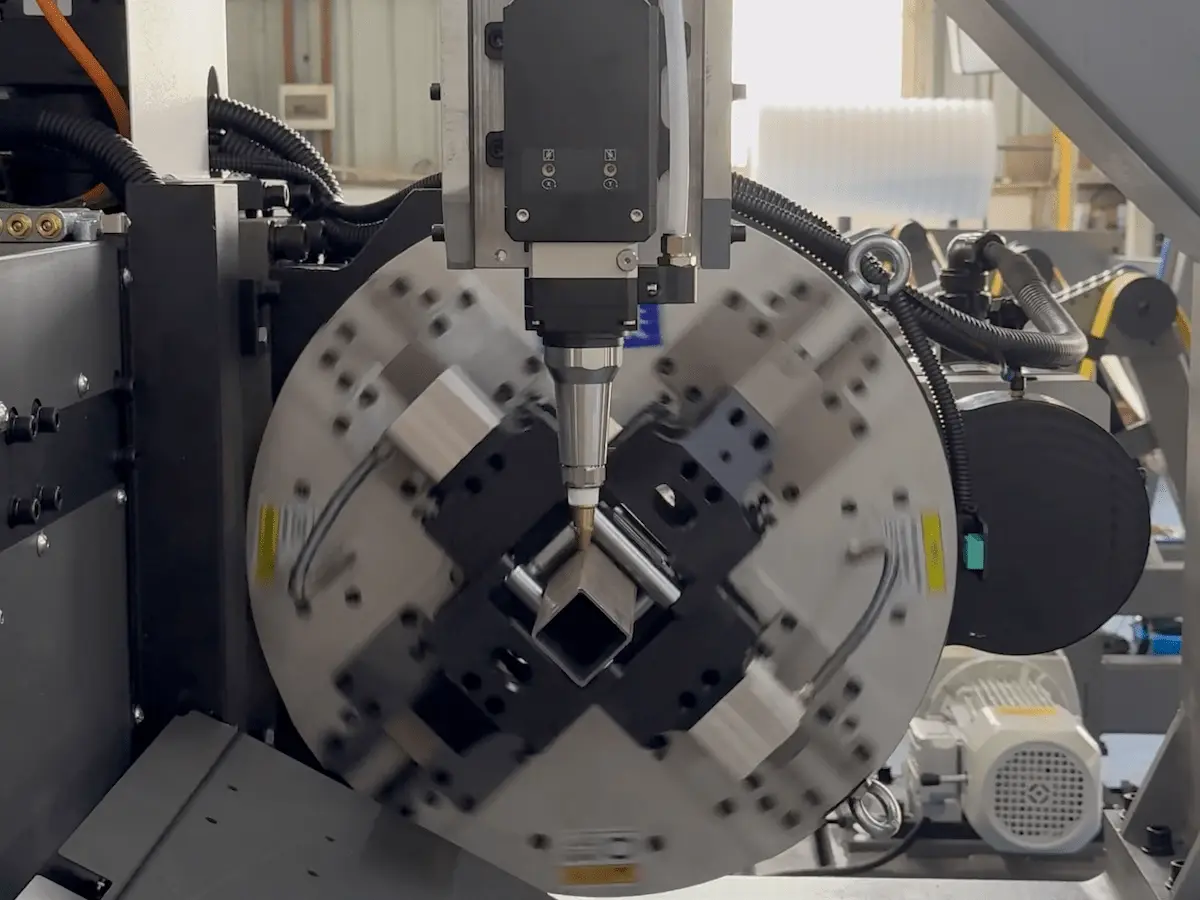
Despite its advantages, the process requires careful control. Fine details can burn away if power is too high, while overly complex designs may take excessive time to cut. For metals, reflective surfaces can pose safety and quality challenges, demanding fiber lasers with specific wavelengths. Artists must also consider kerf width—the slight material removed by the beam—which can alter delicate geometries if not accounted for during the design stage.
Applications in Contemporary Art and Design
The appeal of laser cut artworks extends beyond galleries. Interior designers use custom panels as room dividers and light diffusers. Jewelry makers rely on the precision of laser cutting for miniature patterns in gold or silver. Event planners integrate laser cut decorations into signage, invitations, and stage backdrops. Even in education, students employ desktop lasers to explore digital fabrication as part of creative learning.
Future Outlook
The future of laser cut artworks lies in combining digital fabrication with other technologies. Hybrid processes such as laser cutting plus 3D printing open new design possibilities. Advanced software tools now allow parametric design, where patterns adapt dynamically to inputs like scale or curvature. With the continued development of high-speed fiber lasers and sustainable material innovations, artists will find even more freedom to bridge imagination and reality.