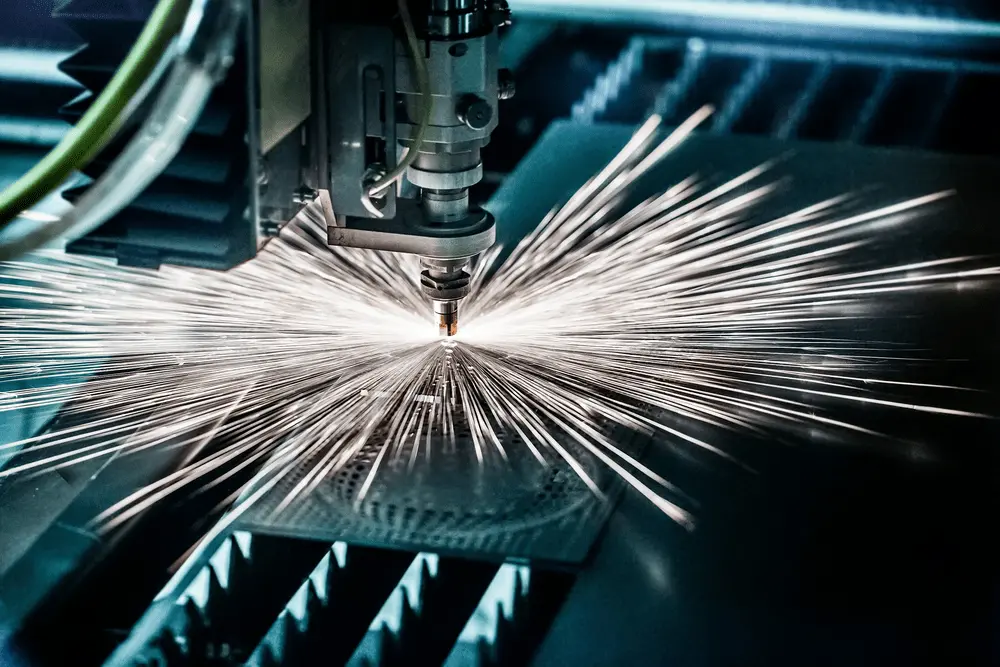
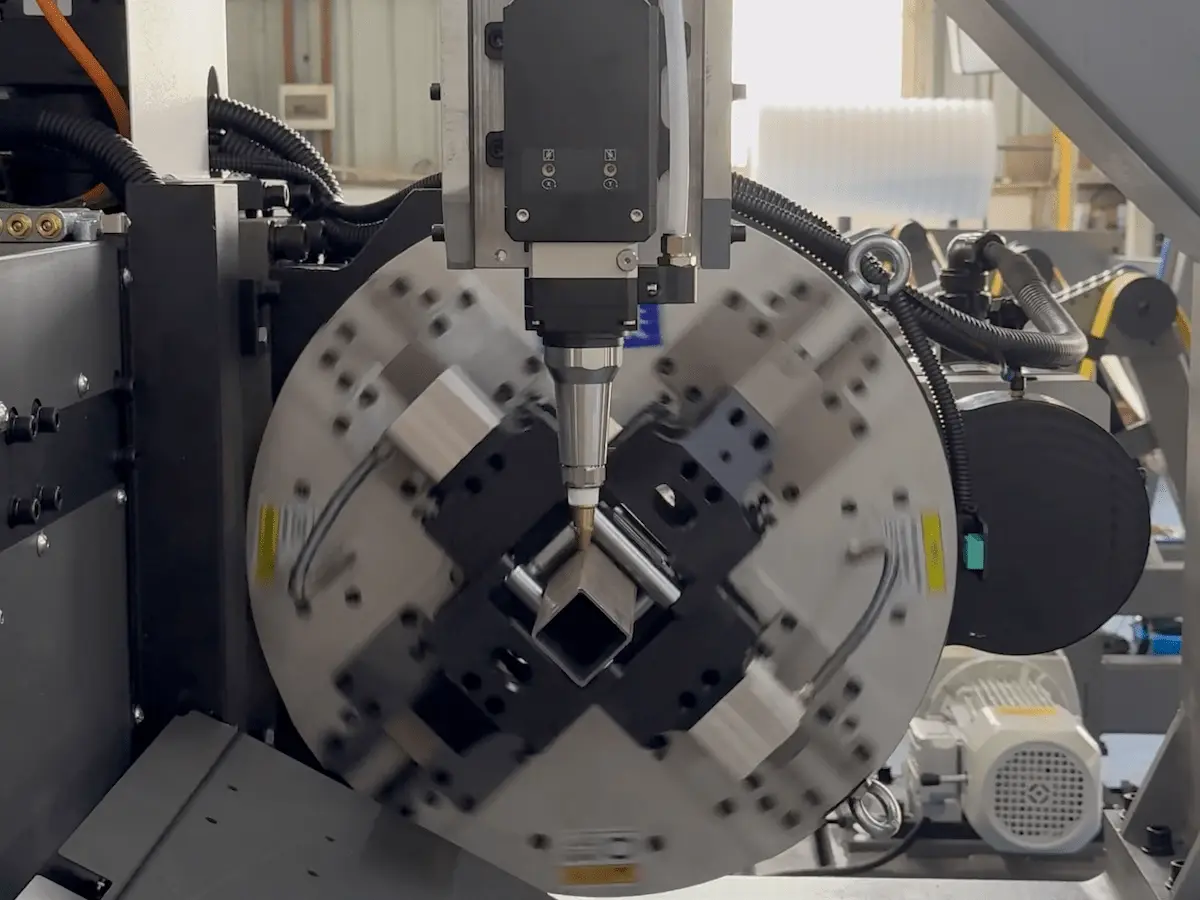
Metal laser cutting is one of the fastest and most precise ways to cut steel, aluminum, and other metals. This guide answers the most common questions about what laser can cut metal, how thick it can cut, and how much power you need.
What Type of Laser Can Cut Metal?
The most common lasers for cutting metal are:
-
Fiber Laser – Highly efficient and fast, fiber lasers are ideal for cutting steel, stainless steel, aluminum, brass, copper, and other reflective metals. Fiber laser cutting machines dominate industrial applications due to their speed and low operating costs.
-
CO₂ Laser – Versatile for both metals and non-metals, CO₂ lasers excel at cutting thin metal sheets (up to 25 mm) and are widely used in mixed-material workshops.
-
Nd:YAG Laser –Known for high precision, these lasers are suited for specialty applications like jewelry, electronics, or microfabrication but are limited to thinner materials.
Quick Comparison Table:
| Laser Type | Best For | Max Thickness* | Pros | Cons |
|---|---|---|---|---|
| Fiber | Steel, aluminum, copper | Up to 50 mm | Fast, low cost per cut | Higher initial cost |
| CO₂ | Thin steel, non-metals | ~20–25 mm | Versatile | More maintenance |
| Nd:YAG | Precision cutting | <10 mm | High accuracy | Limited thickness |
*Max thickness depends on laser power.
How Thick Can a Laser Cut Steel?
The thickness a laser can cut depends on its power (measured in kilowatts, kW), the material type, and the desired cutting speed. Below is a breakdown of typical cutting capacities for common metals:
Cutting Thickness by Laser Power
| Laser Power | Carbon Steel | Stainless Steel | Aluminum |
|---|---|---|---|
| 1.5 kW | 6 mm | 3 mm | 2 mm |
| 3 kW | 16 mm | 8 mm | 6 mm |
| 6 kW | 25 mm | 15 mm | 12 mm |
| 12 kW | 35 mm | 30 mm | 25 mm |
| 40 kW | 50 mm | 40 mm | 30 mm |
Key Insights
-
Power Matters: Higher laser power allows for thicker cuts and faster speeds, improving productivity.
-
Material Differences: Stainless steel and aluminum require more power than carbon steel due to their reflective and thermal properties.
-
Safety Margin: Select a laser with slightly more power than your maximum thickness needs to ensure consistent performance and future scalability.
How Much Power Does a Metal Cutting Laser Need?
Laser power is measured in watts (W) or kilowatts (kW).
-
Entry level – 500W–1.5kW: thin sheets up to 3 mm.
-
Mid-range – 3kW–6kW: suitable for most industrial jobs.
-
High power – 10kW–40kW: cuts very thick plates.
Minimum Laser Power to Cut Metal
-
Thin Mild Steel (<1 mm): 300–500W fiber laser.
-
Medium Mild Steel (3 mm): 1–1.5kW.
-
Thick or Reflective Metals: Higher power (6kW+) for faster cuts and better edge quality.
Pro Tip: For high-speed production or reflective metals like copper, opt for fiber lasers with at least 3kW to ensure efficiency and precision.
Laser Cutting vs. CNC and Plasma Cutting
Laser cutting is often compared to CNC milling or plasma cutting. Here’s how they stack up:
|
Feature |
CNC Milling/Plasma |
Laser Cutting |
|---|---|---|
|
Accuracy |
Moderate (0.1–0.5 mm) |
Very high (0.01–0.1 mm) |
|
Speed |
Slower, especially for thin metals |
Fast for thin to medium metals |
|
Maintenance |
Moderate (tool wear, gas refills) |
Low (especially fiber lasers) |
|
Cost per Cut |
Higher due to consumables |
Lower, especially for high volumes |
|
Best For |
Thick, complex shapes |
Thin to thick metals, high precision |
Understanding the Technologies
-
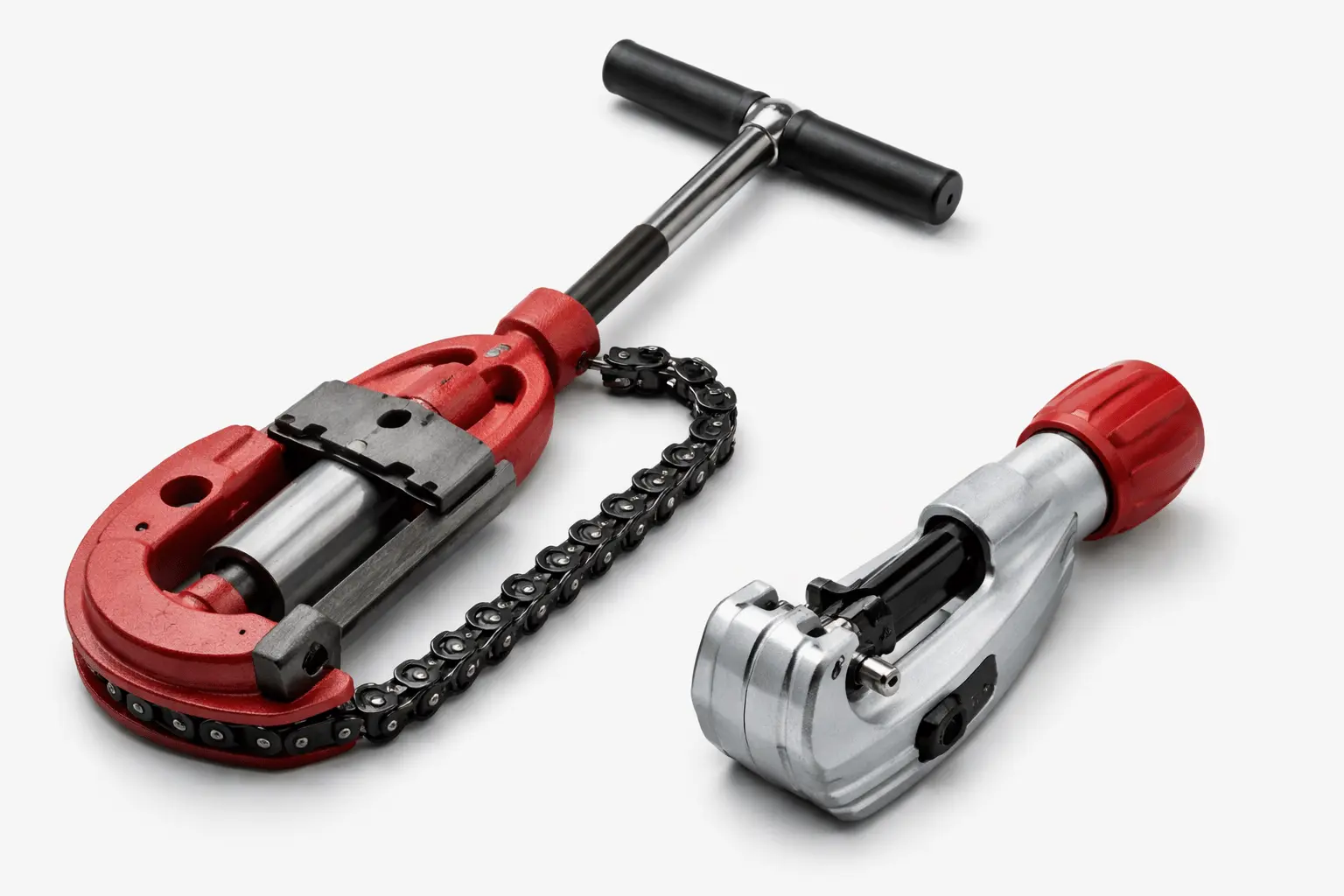
CNC Cutting: Uses physical tools (milling bits, plasma torches) to remove material. It’s effective for very thick metals or 3D shapes but is slower and less precise.
-
Laser Cutting: Employs a focused laser beam to melt or vaporize metal along a programmed path. Its non-contact nature ensures cleaner edges, minimal material waste, and faster processing for most metal sheets and plates.
Laser Cutting vs. Waterjet Cutting
For a broader perspective, laser cutting is also compared to waterjet cutting:
-
Laser Cutting: Faster and more precise for thin to medium metals (up to 25 mm). Ideal for high-volume production with clean edges.
-
Waterjet Cutting: Better for very thick materials (>50 mm) or heat-sensitive metals, as it doesn’t generate heat-affected zones (HAZ). However, it’s slower and more expensive per cut.
How to Choose the Right Metal Laser Cutter
Cutting Form: Sheet Metal or Metal Tubes
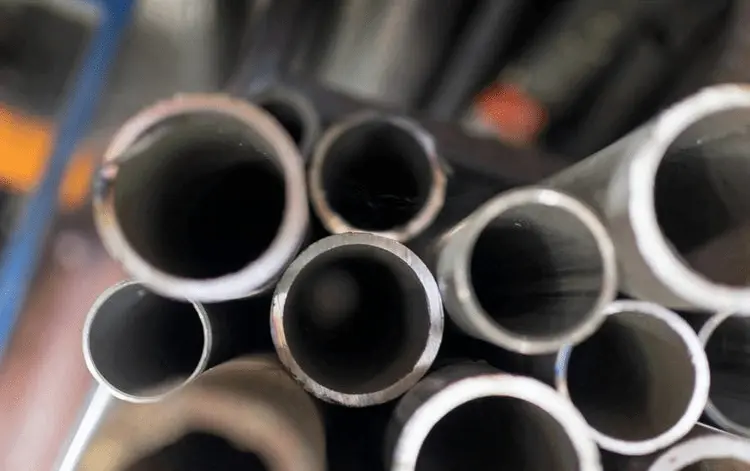
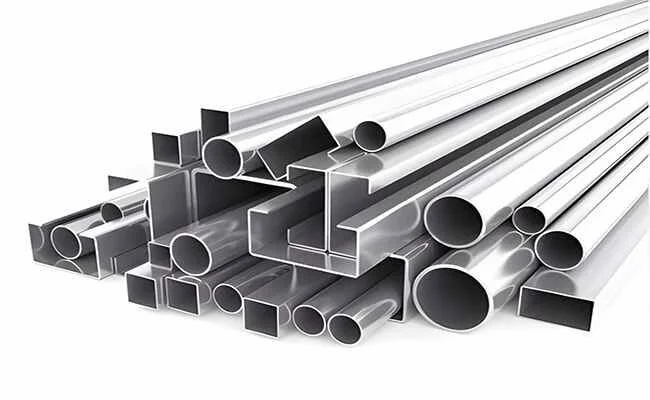
First, determine whether your primary cutting application involves metal sheets or metal tubes. Laser cutting machines are typically optimized for specific material forms.
If your production focuses on flat sheet metal, it is best to invest in a dedicated sheet metal laser cutting machine for higher efficiency and accuracy. For tube and pipe processing, a specialized tube laser cutting machine is recommended.
If sheet cutting is your main business but you occasionally need simple tube or pipe cutting, a sheet and tube laser cutting machine can be a cost-effective and flexible solution.
Selecting the ideal laser cutter involves evaluating your specific needs:
-
Material and Thickness: Identify the metal types (e.g., steel, aluminum, copper) and maximum thickness you’ll cut.
-
Production Goals: Determine required cutting speed and daily output to match laser power and automation features.
-
Laser Type:
-
Fiber Lasers: Best for most metals, offering speed, efficiency, and low maintenance.
-
CO₂ Lasers: Suitable for shops cutting both metals and non-metals.
-
Nd:YAG Lasers: Niche applications requiring ultra-high precision.
-
-
Power Selection: Choose a laser power slightly above your maximum thickness needs to accommodate future projects.
-
Budget and Maintenance: Factor in initial costs, ongoing maintenance, and operator training requirements.
-
Supplier Support: Partner with a reputable supplier for installation, training, and after-sales support to maximize uptime.
Conclusion
Metal laser cutting is all about matching the right laser type and power to your materials.
-
Type: Fiber lasers handle most metals with high efficiency.
-
Power: The thicker the metal, the more power you need—e.g., 3 kW for mid-thickness, 12 kW+ for heavy plates.
-
Precision: Laser cutters deliver cleaner, faster, and more accurate results than most CNC methods for sheet and plate metals.
Choosing the right machine upfront saves you time, reduces operating costs, and improves product quality. For tailored recommendations, contact a professional supplier who can match your production goals with the right equipment.
FAQs on Metal Laser Cutting
Q: Can lasers cut reflective metals like copper or brass?
A: Yes, fiber lasers are highly effective for cutting reflective metals like copper and brass, thanks to their wavelength and power efficiency.
Q: What is the most affordable laser for cutting metal?
A: Entry-level fiber lasers (500–1000W) can cut thin metals (up to 3 mm) and start at a few thousand USD, depending on the brand and features.
Q: Is laser cutting better than waterjet for metal?
A: Laser cutting is faster and more precise for thin to medium metals (up to 25 mm). Waterjet is better for very thick or heat-sensitive materials but is slower and costlier per cut.
Q: How does laser cutting compare to plasma cutting for thick metals?
A: Plasma cutting is more cost-effective for very thick metals (>50 mm), but laser cutting offers superior precision and cleaner edges for thin to medium thicknesses.
For more information on laser cutting solutions, visit a trusted supplier’s website or contact an industry expert to discuss your specific needs.