引言
ในงานผลิตโลหะสมัยใหม่ คุณภาพของการเชื่อมมักเป็นตัวกำหนดความแข็งแรง ความปลอดภัย และอายุการใช้งานของผลิตภัณฑ์สำเร็จรูป สำหรับอุตสาหกรรม เช่น เหล็กโครงสร้าง น้ำมันและก๊าซ เครื่องจักรหนัก และการผลิตท่อส่ง การตัดท่อเพียงแค่ทำมุม 90 องศามักไม่เพียงพอ.
เพื่อให้ได้รอยเชื่อมที่แข็งแรงขึ้นและการทะลุทะลวงของรอยต่อที่ดีขึ้น ปลายท่อมักต้องเตรียมมุมเอียงก่อนการเชื่อม.
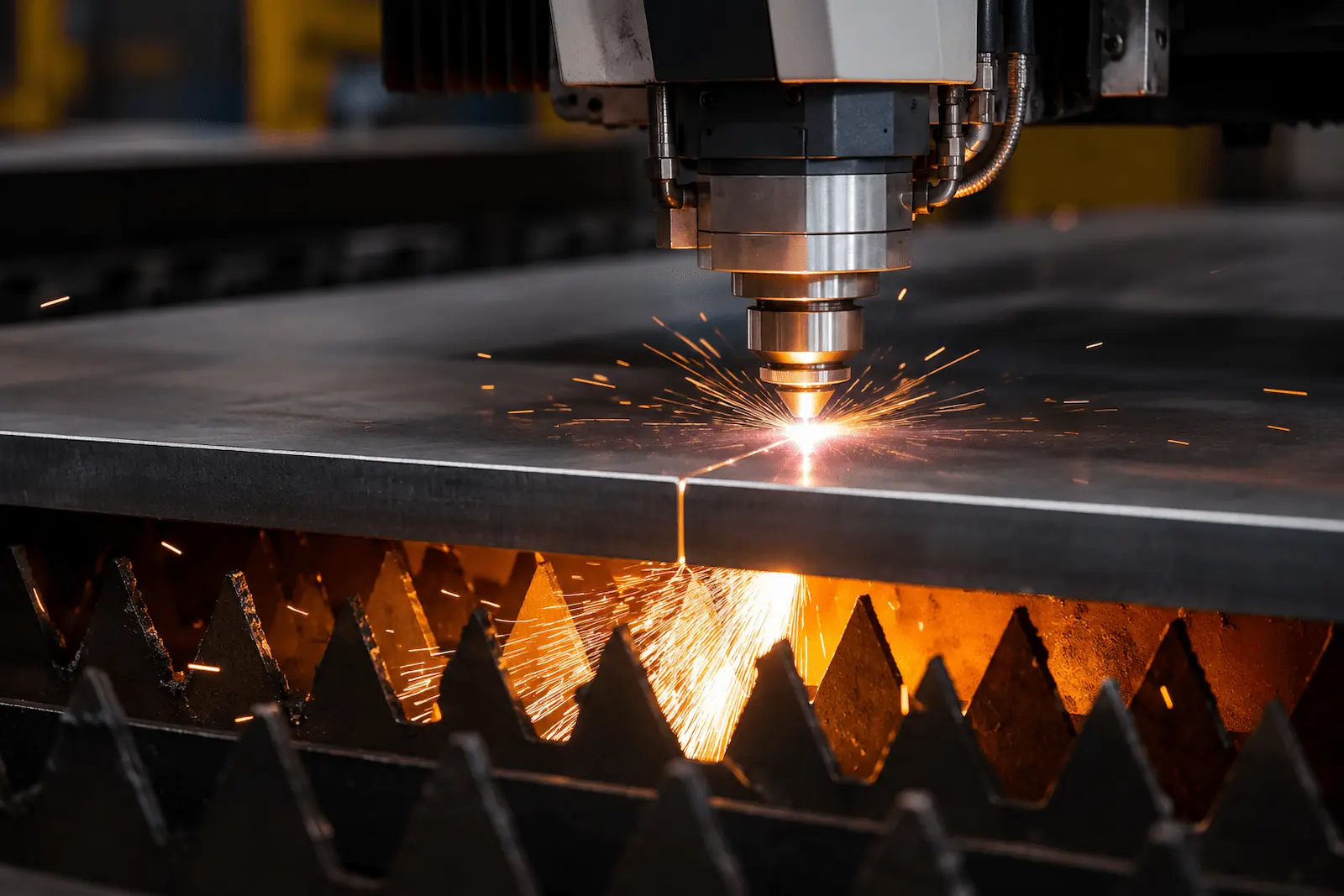
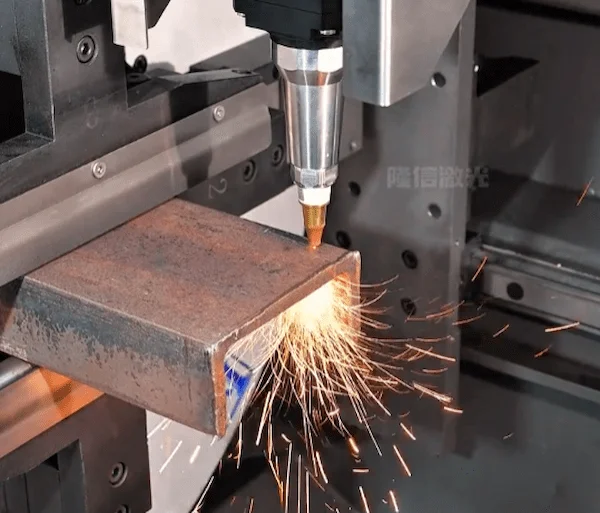
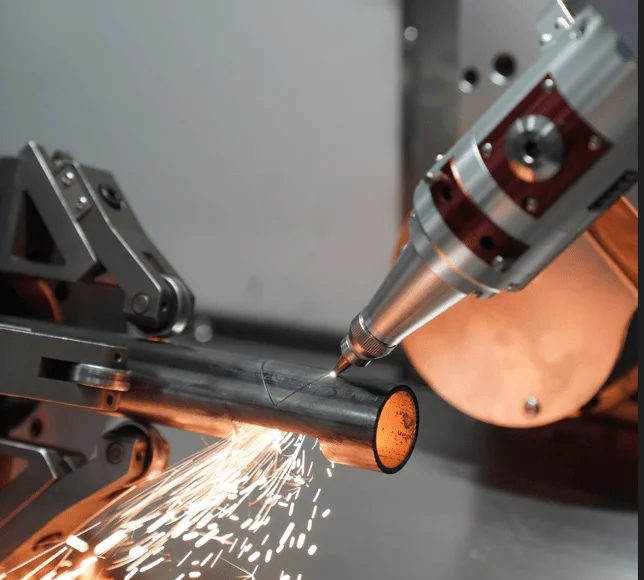
เครื่องตัดมุมเอียงท่อ เป็นระบบประมวลผลท่อแบบ CNC ที่สามารถตัดท่อพร้อมกับการสร้างมุมเอียงที่พร้อมสำหรับการเชื่อมได้ในขั้นตอนเดียว ต่างจากเครื่องตัดท่อทั่วไปที่ทำได้เพียงการตัดตรง เครื่องตัดมุมเอียงใช้ระบบควบคุมหลายแกนและหัวตัดที่เอียงได้เพื่อสร้างรูปทรงมุมเอียงที่แม่นยำ เช่น ร่อง V, Y, X และ K.
ด้วยการรวมการตัดและการเตรียมมุมเอียงไว้ในกระบวนการเดียว ผู้ผลิตสามารถลดขั้นตอนการทำงานรอง ปรับปรุงความสม่ำเสมอของการเชื่อม และเพิ่มประสิทธิภาพการผลิตโดยรวม.
การตัดมุมเอียงท่อคืออะไร?
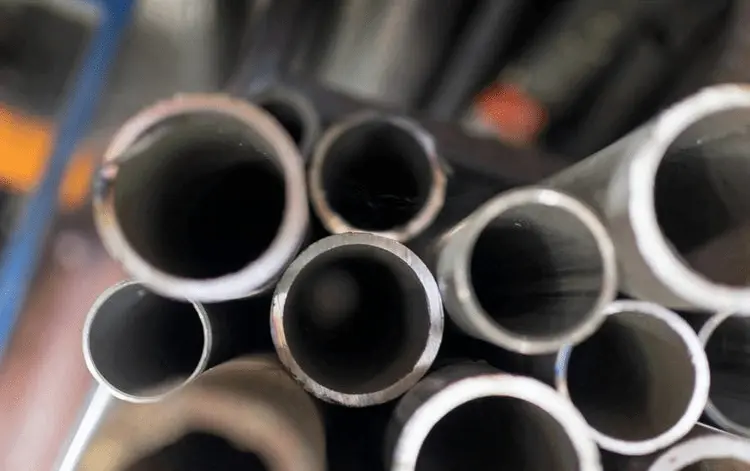
การตัดมุมเอียงท่อหมายถึงกระบวนการตัดขอบท่อหรือท่อส่งให้เป็นมุมก่อนการเชื่อม.
มุมเอียงสร้างร่องระหว่างชิ้นส่วนที่เชื่อมต่อกันสองชิ้น ทำให้โลหะเติมที่หลอมเหลวสามารถทะลุเข้าไปในรอยต่อได้ลึกขึ้นระหว่างการเชื่อม การเตรียมมุมเอียงที่เหมาะสมช่วยปรับปรุงคุณภาพการเชื่อม ความสมบูรณ์ของโครงสร้าง และความน่าเชื่อถือในระยะยาว.
ตำแหน่งที่มักทำมุมเอียง ได้แก่:
- ปลายท่อ
- ปลายท่อส่ง
- รอยต่อท่อที่ตัดกัน
- ขอบรู
- จุดเชื่อมต่อโครงสร้าง
หากไม่มีการเตรียมมุมเอียงที่เหมาะสม ท่อที่มีผนังหนาอาจประสบปัญหา:
- การทะลุทะลวงของการเชื่อมที่ไม่สมบูรณ์
- การขาดการหลอมรวม
- ความเสี่ยงในการแตกร้าวที่เพิ่มขึ้น
- การบิดเบี้ยวจากการเชื่อมที่สูงขึ้น
ด้วยเหตุนี้ การเตรียมมุมเอียงจึงถูกใช้อย่างแพร่หลายในท่อส่งแรงดัน โครงสร้างเหล็ก สะพาน และอุตสาหกรรมการผลิตหนัก.
ประเภทมุมเอียงทั่วไปที่ใช้ในการเชื่อมท่อ
ก่อนเลือกเครื่องตัดมุมเอียง สิ่งสำคัญคือต้องเข้าใจรูปทรงร่องที่ใช้บ่อยที่สุดในการเชื่อม.
ร่อง V
ร่อง V เป็นการเตรียมการเชื่อมที่ใช้บ่อยที่สุด.
มุมเอียงทั่วไปอยู่ระหว่าง 30° ถึง 37.5° ต่อด้าน และเหมาะสำหรับการใช้งานเชื่อมมาตรฐานส่วนใหญ่.

ร่อง X (V สองด้าน)
ร่อง X ถูกทำมุมเอียงจากทั้งสองด้านของวัสดุ.
ช่วยลดปริมาณโลหะเชื่อม ปรับปรุงความสมมาตร และลดการบิดเบี้ยวเมื่อเชื่อมชิ้นส่วนที่หนา.

ร่อง K
ร่อง K มักใช้สำหรับชิ้นส่วนโครงสร้างที่มีผนังหนา.
เมื่อเปรียบเทียบกับร่อง V มาตรฐาน ร่อง K สามารถลดการใช้วัสดุเติมได้อย่างมากในขณะที่รักษาความแข็งแรงของการเชื่อม.

ร่อง J และร่อง U
ร่อง J และ U มักใช้สำหรับวัสดุที่หนามากและการใช้งานเชื่อมประสิทธิภาพสูง.
รูปทรงเหล่านี้ลดปริมาณการเชื่อมและสามารถปรับปรุงประสิทธิภาพการเชื่อมบนชิ้นส่วนที่มีผนังหนา.
ทำไมการตัดมุมเอียงจึงสำคัญต่อการเชื่อม?
การทะลุทะลวงของการเชื่อมที่ดีขึ้น
หนึ่งในวัตถุประสงค์หลักของการเตรียมมุมเอียงคือการให้การทะลุทะลวงของการเชื่อมลึกขึ้น.
สำหรับท่อที่มีผนังปานกลางและหนา มุมเอียงที่ออกแบบอย่างเหมาะสมจะสร้างพื้นที่เพียงพอสำหรับวัสดุเติมและความร้อนจากการเชื่อมเพื่อไปถึงโคนรอยต่อ ช่วยให้เกิดการทะลุทะลวงของรอยต่อที่สมบูรณ์ (CJP) ตามที่ต้องการ.
ความแข็งแรงของรอยต่อที่ดีขึ้น
รอยต่อที่ทำมุมเอียงและเชื่อมอย่างเหมาะสมโดยทั่วไปให้:
- ความสามารถในการรับน้ำหนักที่สูงขึ้น
- ความต้านทานความล้าที่ดีขึ้น
- การกักเก็บแรงดันที่ดีขึ้น
- ความเสี่ยงของข้อบกพร่องในการเชื่อมที่ลดลง
ข้อดีเหล่านี้สำคัญโดยเฉพาะในท่อส่ง สะพาน โครงสร้างนอกชายฝั่ง และเครื่องจักรหนัก.
การเตรียมการเชื่อมที่สม่ำเสมอ
การเจียรและการทำมุมเอียงด้วยมือมักทำให้เกิดความแปรผันในมุมและการประกอบชิ้นส่วน.
เครื่องตัดมุมเอียงอัตโนมัติให้ผลลัพธ์ที่ทำซ้ำได้ ทำให้กระบวนการเชื่อมง่ายต่อการกำหนดมาตรฐานและทำให้เป็นอัตโนมัติ.
เครื่องตัดเลเซอร์ท่อแบบมุมเอียงเทียบกับเครื่องตัดเลเซอร์ท่อมาตรฐาน
ผู้ผลิตหลายรายสงสัยว่าพวกเขาจำเป็นต้องมีเครื่องตัดมุมเอียงเฉพาะหรือเครื่องตัดเลเซอร์ท่อมาตรฐาน.
The answer depends largely on welding requirements.
| 比较维度 | Standard Tube Laser Cutter | Bevel Tube Laser Cutter |
|---|---|---|
| 90° Tube Cutting | ✓ | ✓ |
| V Groove Cutting | ✗ | ✓ |
| X Groove Cutting | ✗ | ✓ |
| K Groove Cutting | ✗ | ✓ |
| Weld Preparation | Secondary Process Required | Integrated |
| 生产效率 | Medium | สูง |
| Welding Consistency | Medium | สูง |
For manufacturers producing welded tube structures, bevel cutting can eliminate several secondary operations and significantly shorten production lead times.
How Does a Bevel Tube Laser Cutting Machine Work?
The key difference between a standard tube laser cutter and a bevel tube laser cutting machine lies in the motion control system.
A conventional tube laser cutter typically operates with three linear axes:
- X Axis
- Y Axis
- Z Axis
A bevel cutting system adds additional rotary motion:
- A Axis (tube rotation)
- B Axis (cutting head tilting)
Together, these axes enable true multi-axis interpolation and allow the cutting head to maintain a precise angle relative to the tube surface throughout the cutting process.
Typical Bevel Angle Range
Most modern bevel tube laser cutting machines support:
- ±30°
- ±45°
- Up to ±50° on certain models
This capability allows the machine to create complex bevel geometries and intersecting tube profiles in a single setup.
Types of Tube Bevel Cutting Machines
Fiber Laser Tube Bevel Cutting Machines
Fiber laser systems are currently the most advanced solution for bevel tube processing.
Advantages include:
- ความแม่นยำสูง
- Narrow kerf width
- Small heat-affected zone
- Excellent edge quality
- High automation potential
These machines are widely used in:
- Steel structures
- Fitness equipment
- การผลิตยานยนต์
- Construction machinery
- High-end fabrication
Plasma Tube Bevel Cutting Machines
Plasma systems are often selected for heavy-duty applications.
Advantages include:
- Strong thick-wall cutting capability
- Lower initial investment
- High productivity on carbon steel
Common applications include:
- การต่อเรือ
- Offshore engineering
- Heavy structural fabrication
Mechanical Beveling Machines
Mechanical beveling systems use cutting tools rather than thermal processes.
Advantages include:
- No heat-affected zone
- High dimensional consistency
- Suitable for specialty materials
They are frequently used in:
- Food processing equipment
- Pharmaceutical piping
- High-purity stainless steel systems
Industries That Use Tube Bevel Cutting Machines
Tube bevel cutting technology is widely adopted across many industries.
Oil & Gas
Pressure piping and pipeline fabrication often require standardized bevel preparation before welding.
Structural Steel Fabrication
Complex tube intersections and space-frame structures frequently require bevel cutting to ensure accurate fit-up and strong welded connections.
Bridge and Infrastructure Construction
Large-diameter tubes and heavy structural members benefit from automated bevel preparation.
การผลิตยานยนต์
Bevel cutting helps improve assembly quality for chassis, structural components, and specialized vehicle frames.
Fitness Equipment Manufacturing
Modern fitness equipment often uses complex tube joints where precise bevel cuts improve both appearance and weld quality.
How to Choose the Right Bevel Tube Laser Cutting Machine?
When evaluating a bevel tube cutting solution, consider the following factors:
Tube Size Range
Choose a machine that matches your maximum tube diameter and profile requirements.
Bevel Angle Capability
Verify whether the machine supports the bevel geometries required for your welding process.
Chuck Configuration
- 2-Chuck Systems
- 3-Chuck Systems
- 4-Chuck Systems
Three-chuck machines generally offer better material utilization and lower tail waste for long-tube processing.
ระดับระบบอัตโนมัติ
Features such as:
- Automatic loading
- Automatic unloading
- Intelligent nesting
- Production management software
can significantly improve productivity.

สรุป
A tube bevel cutting machine is far more than a cutting device. It is a manufacturing solution that bridges the gap between cutting and welding.
By producing weld-ready bevels during the cutting process, manufacturers can reduce secondary operations, improve welding consistency, and increase overall production efficiency.
As fabrication industries continue moving toward automation and intelligent manufacturing, bevel tube laser cutting technology is becoming an increasingly valuable tool for companies seeking higher productivity, better weld quality, and lower production costs.