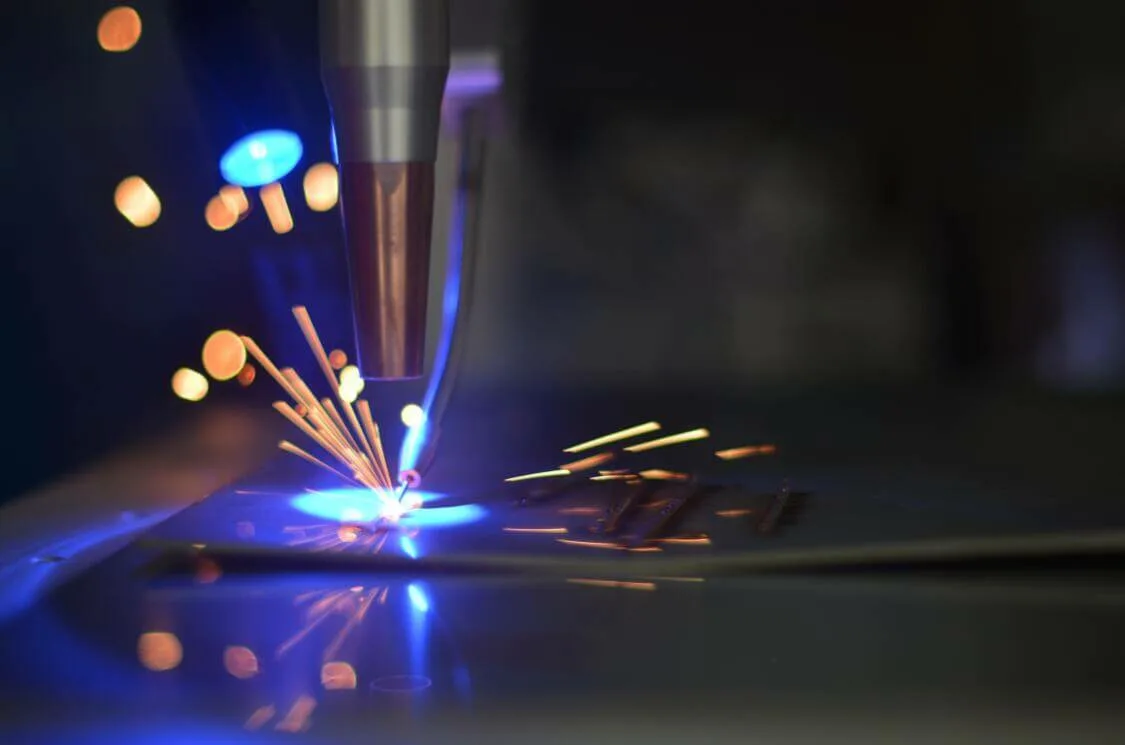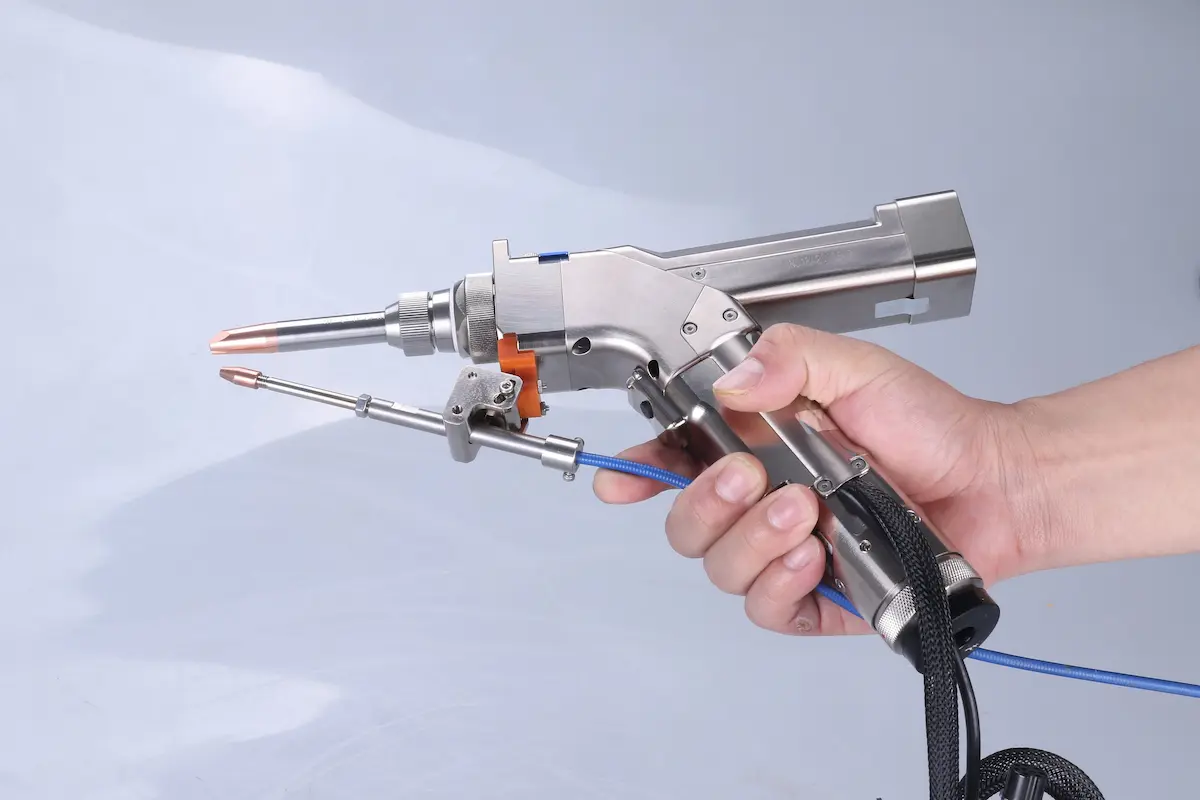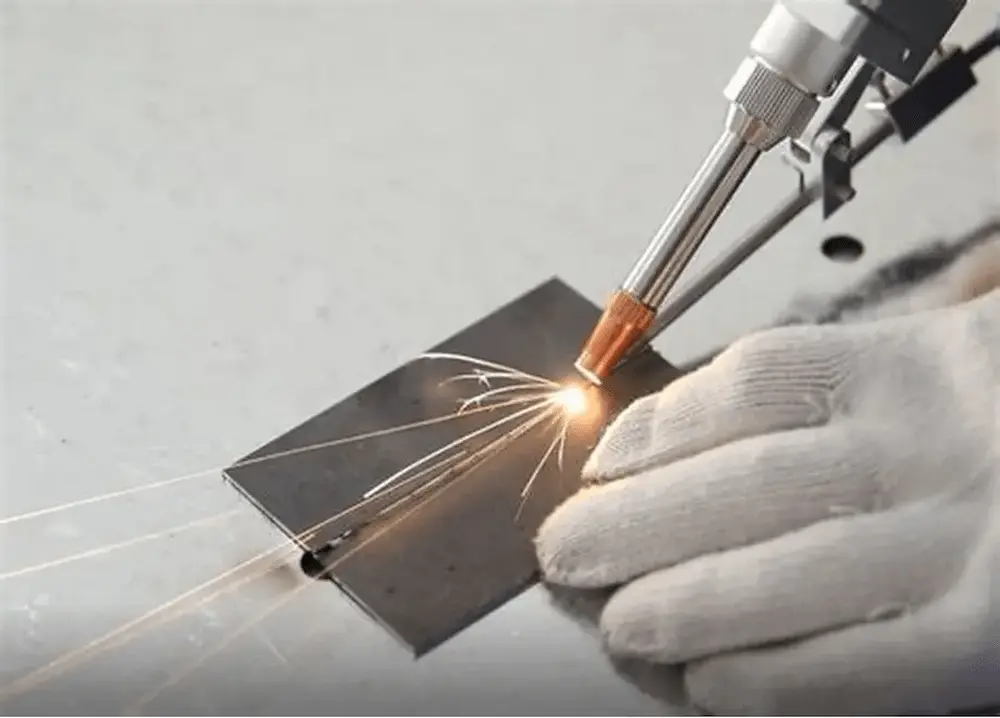
Lazer kaynağı, otomotiv, havacılık ve elektronik üretiminde alüminyum ve bakır alaşımlarını birleştirmek için vazgeçilmez hale gelmiştir. Bu malzemeler değerli özellikler sunarken (alüminyumun hafif mukavemeti ve bakırın elektriksel iletkenliği), benzersiz karakteristikleri özel teknikler gerektiren önemli kaynak zorlukları yaratır.
Temel Kaynak Zorlukları
Hem alüminyum hem de bakır alaşımları benzer temel zorluklar sunar:
Fiziksel Özellikler
- Standart lazer dalga boylarında (1064nm) yüksek yansıtıcılık
- Yüksek ısıl iletkenlik nedeniyle hızlı ısı dağılımı
- Özelleştirilmiş yaklaşımlar gerektiren farklı alaşım bileşimleri
Yaygın Kusurlar
- Alüminyum: Hidrojen kaynaklı gözeneklilik
- Bakır: Sıcak çatlama ve sıçrama oluşumu
- Her ikisi: Eksik nüfuziyet ve kararsız kaynak havuzları
Alüminyum Alaşımı Kaynak Teknikleri
Yüksek Güçlü Fiber Lazerler
2-10kW güç seviyeleri, yoğun enerji yoğunluğu sağlayarak yansıtıcılık zorluklarının üstesinden gelir. Daha küçük nokta boyutları emilimi artırır ve tutarlı nüfuziyet için kararlı anahtar delikleri oluşturur.
Işın Manipülasyon Yöntemleri
- Salınımlı ışınlar ısıyı eşit dağıtarak gözenekliliği azaltır
- Çift ışınlı sistemler proses kararlılığını artırır
- İnce otomotiv gövde panelleri için özellikle etkilidir
Hibrit Lazer-Ark Kaynağı
Lazerin Gaz Metal Ark Kaynağı (GMAW) ile birleştirilmesi, boşluk köprüleme kabiliyetini artırır ve uzun otomotiv kaynak dikişleri için eriyik havuzunu stabilize eder.
Süreç Optimizasyonu
- Koruyucu gazlar: Argon veya helyum oksidasyonu önler; helyum nüfuziyeti iyileştirir
- Yüzey hazırlığı: Daha iyi enerji emilimi için oksit tabakalarını giderin
- Ön ısıtma: Isıl gradyanları ve sıcak çatlama riskini azaltır
Bakır Alaşımı Kaynak Teknikleri
Alternatif Lazer Dalga Boyları
- Yeşil lazerler (515-532nm): Kızılötesine kıyasla önemli ölçüde iyileştirilmiş emilim
- Mavi lazerler (~450nm): Daha düşük güç gereksinimleriyle daha da iyi emilim
- Verimli bakır işleme için gereklidir
Darbeli Lazer Sistemleri
Yüksek tepe güçlü darbeler, bakırın yansıtıcılık bariyerini aşarak konnektörler ve bara bağlantıları gibi mikroelektronik uygulamalar için ideal olan lokalize erime oluşturur.
Gelişmiş Işın Kontrolü
- Halka şeklindeki ışın profilleri anahtar deliklerini stabilize eder ve sıçramayı azaltır
- Uyarlanabilir ışın şekillendirme enerji dağılımını optimize eder
- Yüksek hızlı üretim ortamları için kritiktir
Termal Yönetim
- Ön ısıtma ısıl iletkenlik etkilerini azaltır
- Kontrollü soğutma kalıntı gerilimi ve çatlamayı en aza indirir
- Hibrit kaynak, sağlam bağlantılar için lazer ve ark proseslerini birleştirir
Endüstriyel Uygulamalar
Alüminyum Uygulamaları
- Otomotiv hafif şasi ve gövde bileşenleri
- Havacılık gövde yapıları
- Deniz aracı inşası
Bakır Uygulamaları
- Elektrikli araç batarya bağlantıları ve bara bağlantıları
- Isı eşanjörü bileşenleri
- Yüksek performanslı elektronik düzenekler
Teknoloji Evrimi
Büyüyen elektrikli araç ve yenilenebilir enerji pazarları, lazer kaynak teknolojisinde hızlı ilerlemeyi tetikliyor:
- Yeşil/mavi lazer kaynakları daha erişilebilir ve uygun maliyetli hale geliyor
- Gerçek zamanlı izleme sistemleri uyarlanabilir proses kontrolü sağlıyor
- Otomatik parametre ayarı için yapay zeka destekli optimizasyon
Bu gelişmeler, farklı üretim ölçeklerinde güvenilir alüminyum ve bakır kaynağını daha ulaşılabilir hale getiriyor.
Uygulama Stratejisi
Başarılı benimseme şunları gerektirir:
- Malzeme türlerine ve üretim hacimlerine dayalı teknoloji seçimi
- Özel lazer kaynak parametreleri için operatör eğitimi
- Kaynak bütünlüğünü izlemek için kalite kontrol sistemleri
- Mevcut üretim iş akışlarıyla süreç entegrasyonu
Sonuç
Alüminyum ve bakır alaşımlarının lazer kaynağı, zorlu malzeme özellikleri nedeniyle özel teknikler gerektirir. Başarı; uygun lazer teknolojisini, optimize edilmiş proses parametrelerini ve doğru termal yönetimi birleştirmeyi gerektirir. Bu teknikler gelişmeye devam ettikçe, üreticilerin bu değerli malzemeleri birden fazla sektördeki kritik uygulamalarda tam olarak kullanmalarını sağlar.