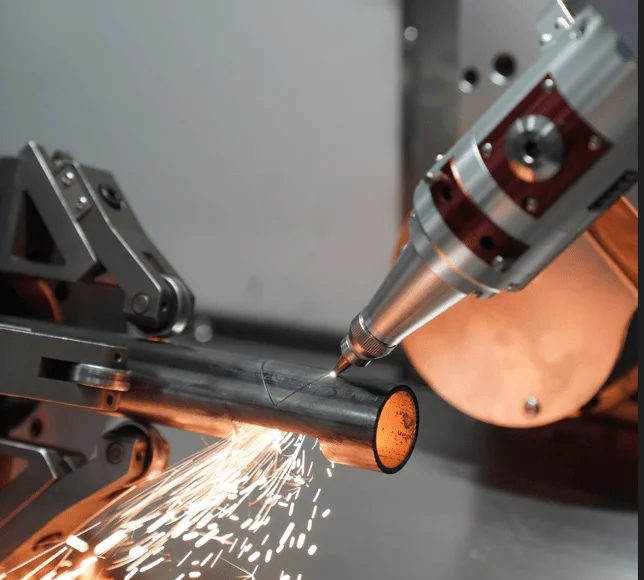
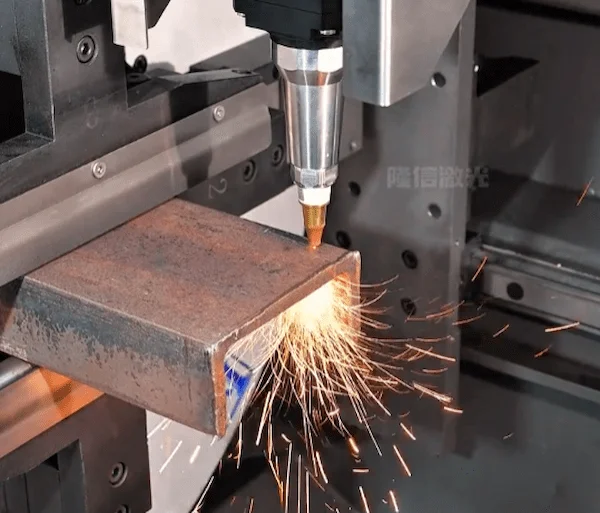
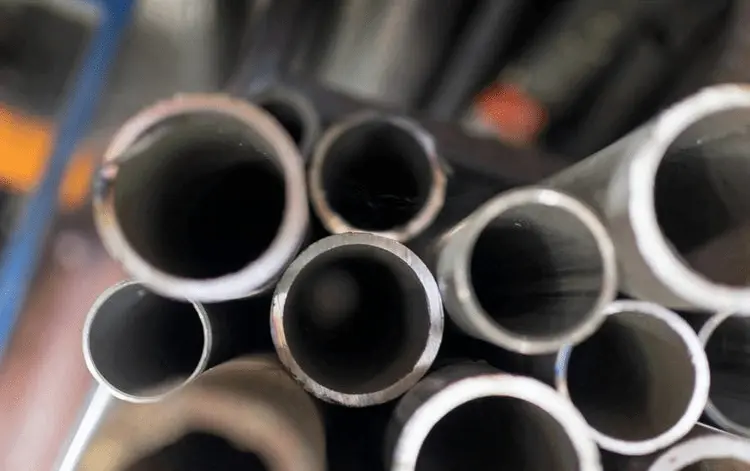
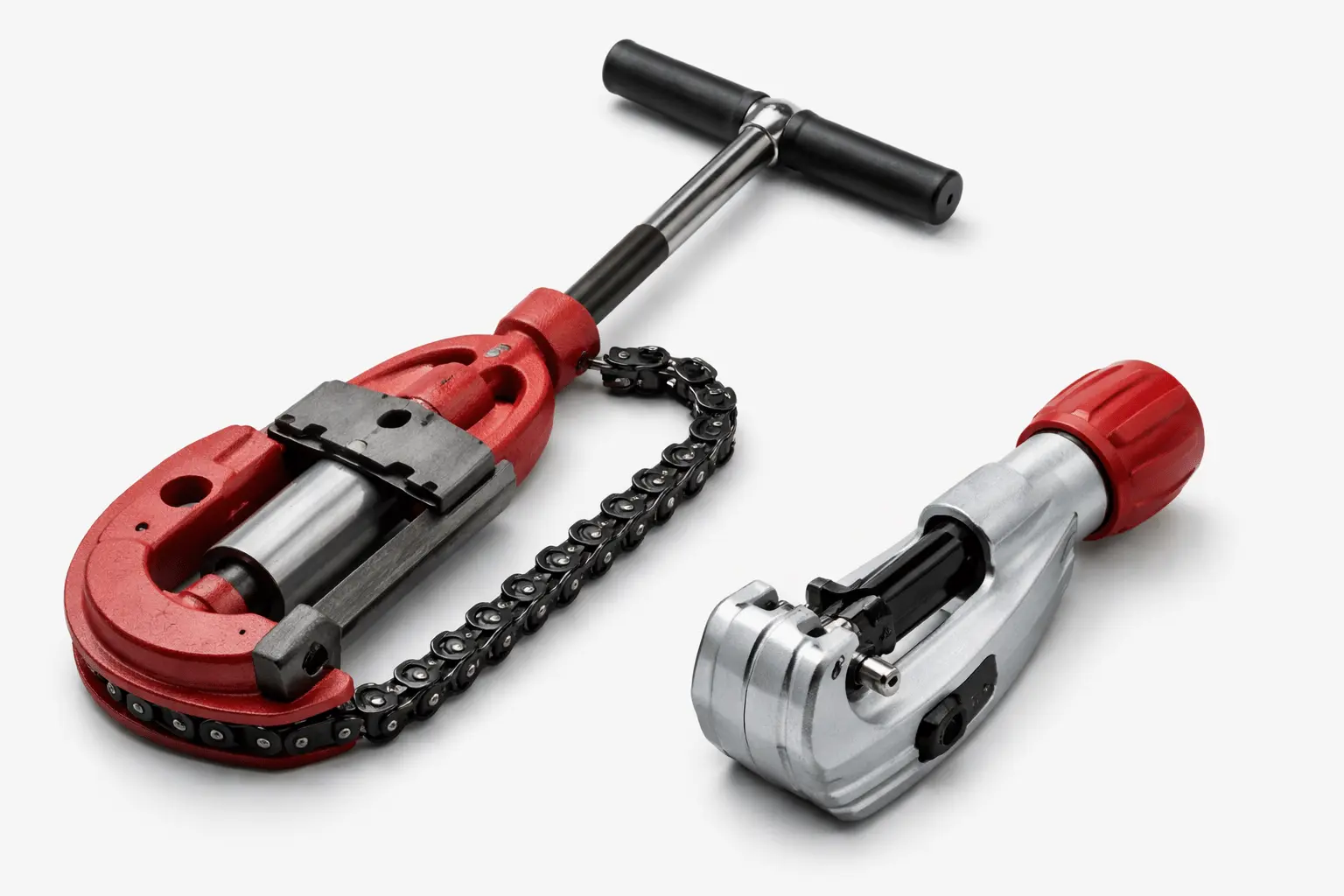
In the world of metal fabrication, a آلة قطع أنبوب الليزر is an indispensable tool. Its ability to create complex shapes, intricate joints, and precise cuts on tubular materials has revolutionized industries from furniture manufacturing to aerospace. But owning a powerful machine is only half the battle. The true key to unlocking its full potential—and securing a competitive edge—lies in a deep understanding and mastery of its operational parameters.
At Longxin Laser, we’ve seen firsthand how optimizing these settings can dramatically improve cut quality, boost production speed, and reduce material waste. This guide will walk you through the essential parameters, provide a proven optimization methodology, and offer practical solutions to common cutting challenges.
The Foundational Parameters of Laser Tube Cutting
Think of the parameters as the dials and levers that dictate every aspect of the cutting process. Each setting has a direct and significant impact on the final product.
- Laser Power (Watts): This is the sheer force of the laser beam. More power is required for thicker materials, but using excessive power on thin-walled tubes can lead to excessive melting, a wider kerf (the width of the cut), and a larger heat-affected zone (HAZ).
- Cutting Speed (mm/min): The speed at which the laser head moves along the material. This is a critical trade-off: a faster speed increases productivity but can compromise cut quality, leading to rough edges or incomplete cuts. A slower speed improves quality but reduces throughput.
- Focal Position (mm): This refers to the distance between the cutting nozzle and the focal point of the laser beam. For carbon steel, a positive focus (above the material surface) is often used to facilitate a more efficient exothermic cutting reaction and better slag discharge. Conversely, for stainless steel and aluminum, a negative focus (slightly inside the material) helps to create a smoother, cleaner edge.
- Assist Gas Pressure & Type: The gas blown through the nozzle during cutting is not just for clearing debris. Its type and pressure are vital.
- Oxygen (O₂): Used for cutting carbon steel. It creates an exothermic reaction with the heated metal, speeding up the cut and allowing for higher speeds with less power.
- Nitrogen (N₂): An inert gas used for stainless steel and aluminum. It prevents oxidation during the cutting process, resulting in a clean, oxidation-free, and burr-free edge.
- Nozzle Type & Diameter: The nozzle focuses the assist gas. The size of its diameter influences the gas flow and pressure distribution. A smaller diameter provides a more concentrated gas stream, ideal for precise, narrow cuts.
A Scientific Approach to Optimization
Simply tweaking the dials randomly is inefficient. A systematic, scientific approach to parameter optimization will save you time and material. We recommend a four-step methodology based on industry best practices.
- Establish a Baseline: Start with the machine’s recommended parameters for your specific material, thickness, and tube type. This provides a safe starting point.
- Conduct Test Cuts: Create a test program that isolates and adjusts one parameter at a time. For example, run a series of cuts on a sample tube, keeping power and gas constant while incrementally changing the cutting speed.
- Evaluate and Adjust: After each test cut, meticulously inspect the result. Look for common defects like dross, burrs, or warping. Use a microscope to check the surface roughness and confirm the quality. Adjust the parameter based on your findings.
- Document Everything: Keep a detailed log of your tests, including the parameters used, the cut quality, and any adjustments made. This creates a valuable library of optimized settings for future projects.
This process, sometimes referred to as the “Design of Experiments” (DOE) in academic research, ensures that you can reliably reproduce high-quality results.
Material-Specific Strategies
The ideal settings for one material can be completely wrong for another. Here are some general guidelines for common materials.
| المادة | Thickness (mm) | Laser Power (kW) | Cutting Speed (m/min) | مساعدة الغاز | الملاحظات |
| الفولاذ الكربوني | 2-4 | 3-6 | 12-25 | Oxygen (O₂) | Exothermic reaction allows for faster cuts. |
| الفولاذ المقاوم للصدأ | 2-4 | 4-6 | 5-15 | Nitrogen (N₂) | Prevents oxidation, ensuring a clean, shiny edge. |
| الألومنيوم | 2-4 | 4-8 | 6-18 | Nitrogen (N₂) | High reflectivity requires a more powerful laser. |
Note: These are general ranges. The optimal parameters will vary based on your specific machine model, beam quality, and desired cut quality.
Troubleshooting Common Cutting Issues
Understanding the relationship between a problem and its solution is a hallmark of an experienced operator. Here’s a quick-reference table for the most common issues.
| Problem | Potential Causes | Parameter Adjustments & Solutions |
| Dross / Burrs | Cause: Cutting speed is too slow or laser power is too high. | Solution: Increase cutting speed or slightly decrease laser power. Ensure proper focus and assist gas pressure. |
| Rough / Streaky Edge | Cause: Incorrect focal position or insufficient assist gas pressure. | Solution: Re-adjust the focal point and ensure gas pressure is within the optimal range. Clean the nozzle and lens. |
| Warping / Deformation | Cause: Excessive heat input, often from too-high power or too-slow speed. | Solution: Increase cutting speed or decrease power. For thin materials, use a lower-power machine or adjust pulse settings. |
| Incomplete Cuts | Cause: Cutting speed is too fast or laser power is too low. | Solution: Decrease the cutting speed or increase the laser power. Check for a worn nozzle or misaligned beam. |
The Value of Optimization: Beyond the Cut
Parameter optimization isn’t just about making cleaner cuts; it’s a strategic business decision. By reducing the need for secondary processes like deburring and grinding, you save time and labor costs. Optimized settings also lead to less material waste and a longer lifespan for your consumables, like nozzles and lenses.
Our own Longxin Laser machines, like the LX-K series, are engineered with advanced features that make this process easier than ever. With our fifth-generation slag-free cutting technology, we have significantly reduced one of the most common issues in tube cutting, allowing for a faster, more reliable workflow.
In conclusion, becoming an expert in your laser tube cutting machine’s parameters is an ongoing process of learning, testing, and refinement. It turns a piece of high-tech machinery into a fine-tuned instrument, ensuring that every project meets the highest standards of quality and efficiency. By investing time in optimization, you’re not just improving your cuts—you’re improving your bottom line.