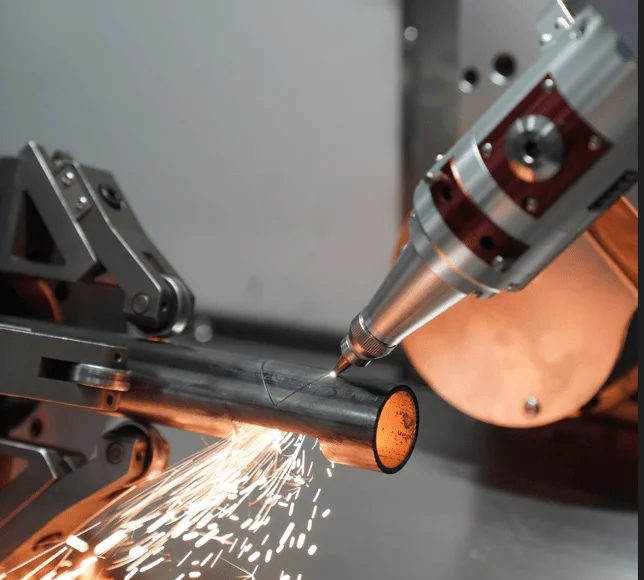
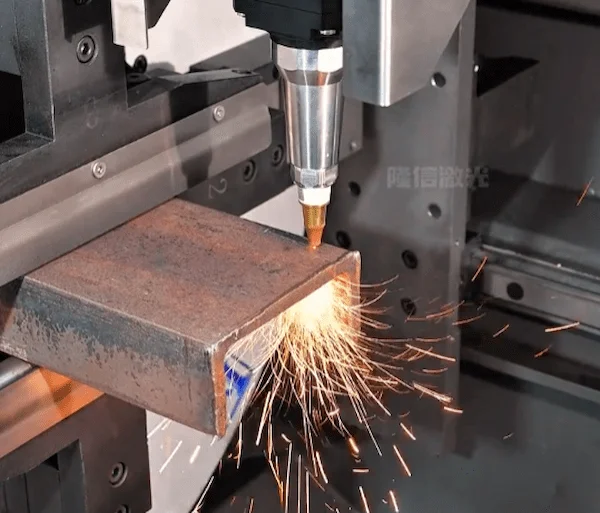
Laser-Rohrschneidtechnologie revolutioniert die architektonische Stahlfertigung und ermöglicht Architekten die Realisierung komplexer Designs, die zuvor unpraktisch oder unmöglich waren. Diese Präzisionstechnologie schließt die Lücke zwischen ambitionierten architektonischen Visionen und praktischer Baurealität.
Warum traditionelle Methoden zu kurz greifen
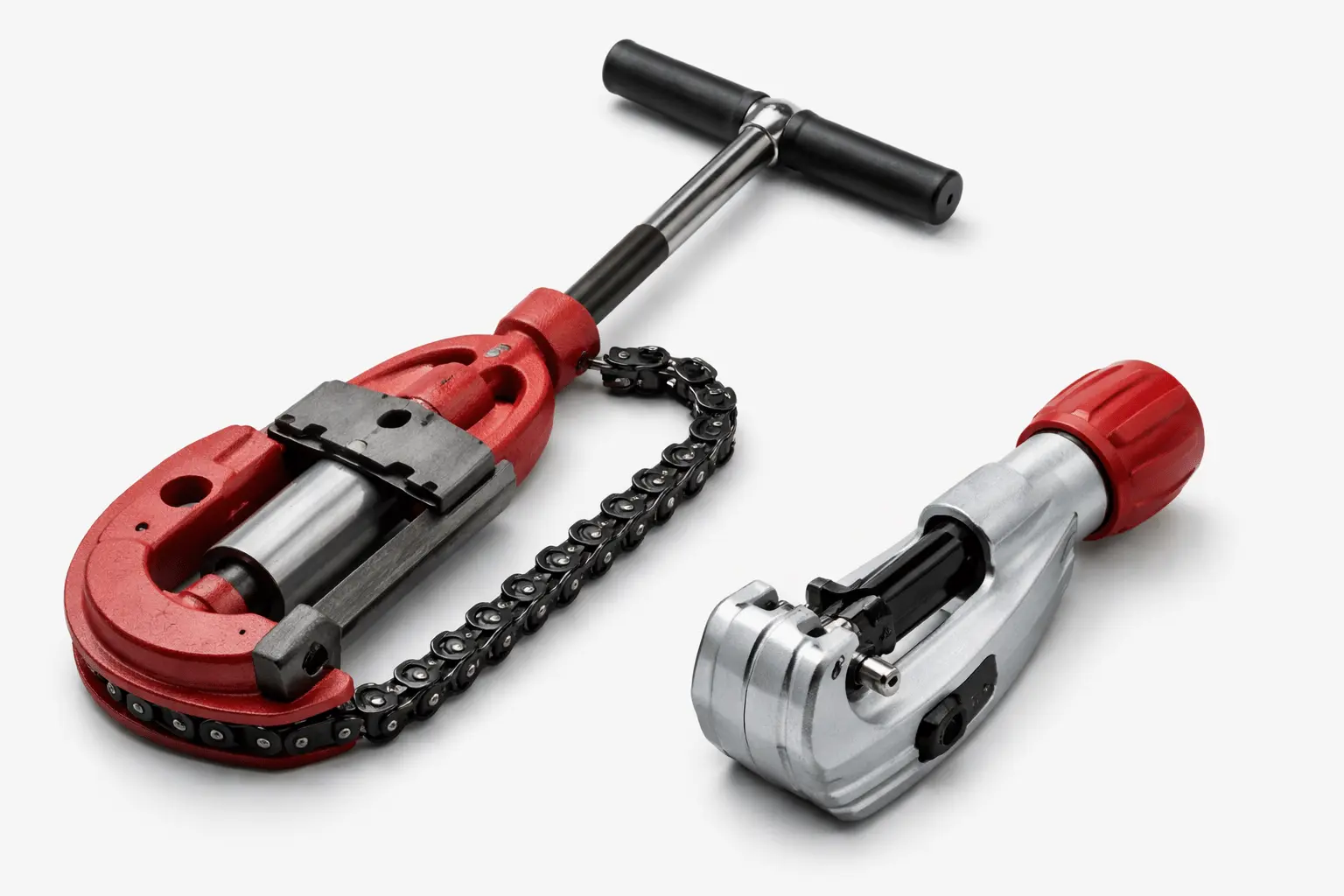
Die traditionelle Stahlfertigung setzt auf mechanische Schneidverfahren wie Sägen und Fräsen, die mehrere Einschränkungen mit sich bringen:
- Begrenzte Präzision: Toleranzen von ±0,5 mm oder schlechter
- Raue Oberflächen: Umfangreiche Nachbearbeitung erforderlich
- Designeinschränkungen: Nur einfache Geometrien
- Hoher Abfall: Breite Schnitte und Materialverzug
- Langsame Einrichtung: Stundenlange Werkzeugwechsel
Diese Einschränkungen werden zu kritischen Engpässen, wenn Architekten komplexe Kurven, komplizierte Muster oder präzise modulare Systeme entwerfen.
Vorteile des Laserschneidens
Faserlasersysteme bieten transformative Fähigkeiten:
Präzision & Qualität
- Toleranzen von nur ±0,05 mm
- Saubere, gratfreie Schnitte mit minimalem Nachbearbeitungsaufwand
- Kein Materialverzug durch physischen Kontakt
Geschwindigkeit & Effizienz
- Schnittgeschwindigkeiten bis zu 80 Zoll/min
- Minuten (nicht Stunden) für CNC-Umprogrammierung
- 30-40 % Effizienzsteigerung bei komplexen Projekten
Designfreiheit
- Komplexe 3D-Muster und individuelle Formen
- Präzise Winkel, Schlitze und Kurven
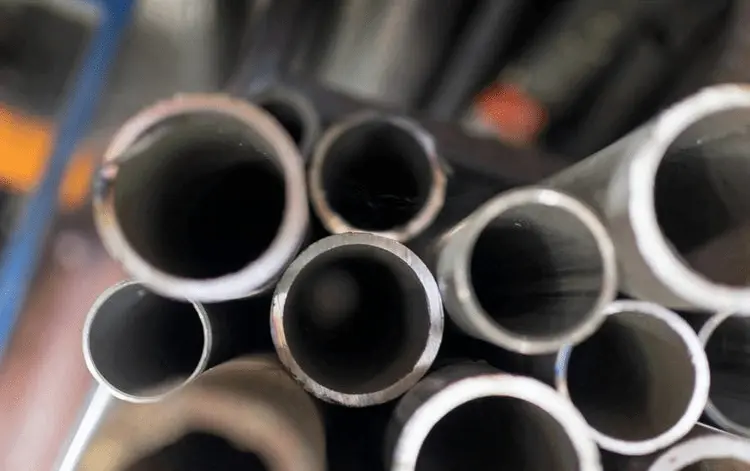
- Unterstützung für runde, quadratische und unregelmäßige Rohrprofile
Wichtige architektonische Anwendungen
Geschwungene Tragwerksrahmen Moderne Stadien und Kulturzentren erfordern fließende Stahlformen, die nur das Laserschneiden wirtschaftlich liefern kann.
Fortschrittliche Fassadensysteme Lasergeschnittene Perforationen in Verkleidungsplatten optimieren Belüftung und Beleuchtung und erzeugen gleichzeitig beeindruckende visuelle Effekte.
Modulare Bauweise Präzise Verbindungen ermöglichen vorgefertigte Komponenten, die die Montagezeit vor Ort um bis zu 25 % reduzieren.
Skulpturale Elemente Öffentliche Kunst und Pavillons profitieren von leichten, langlebigen Strukturen mit komplexen Geometrien.
Leistungsvergleich
| Metrik | Laserschneiden | Traditionelle Methoden |
|---|---|---|
| Präzision | ±0,05 mm | ±0,5 mm+ |
| Geschwindigkeit | 80 Zoll/min | 10-30 Zoll/min |
| Abfall | Minimal (0,2 mm Schnittfuge) | Hoch |
| Nachbearbeitung | Minimal | Umfangreich |
| Designkomplexität | Hoch | Begrenzt |
Umsetzungshinweise
Investitionsanforderungen
- Ausrüstungskosten: $100.000-$600.000
- Schulung der Bediener für CNC-Software erforderlich
- Planung der Workflow-Integration erforderlich
Return on Investment
- Energieeffizienter Betrieb (45% Effizienz)
- Reduzierte Arbeitskosten
- Zugang zu hochwertigen Projekten
- Typischer ROI innerhalb von 18 Monaten
Branchenauswirkung
Ergebnisse aus der Praxis zeigen die transformative Kraft des Laserschneidens:
- Europäisches Skulpturen-Überdachungsprojekt: 35% schnellere Fertigung, null Montagefehler
- US-Wolkenkratzerprojekt: 20% Reduzierung des Materialabfalls, Erfüllung der LEED-Nachhaltigkeitsziele
- Einheitliche Kundenberichte über verbesserten Durchsatz und verbesserte Qualität
Fazit
Die Laserrohrschneidtechnologie stellt einen grundlegenden Wandel in der architektonischen Stahlfertigung dar. Durch Präzision, Effizienz und beispiellose Designfreiheit befähigt sie Architekten, Strukturen zu schaffen, die sowohl funktional überlegen als auch visuell überzeugend sind. Mit zunehmender architektonischer Komplexität wird das Laserschneiden für wettbewerbsfähige Fertigung unerlässlich.
Die Technologie verbessert nicht nur bestehende Prozesse – sie ermöglicht völlig neue Möglichkeiten im architektonischen Design und macht das scheinbar Unmögliche sowohl praktisch als auch profitabel.