はじめに
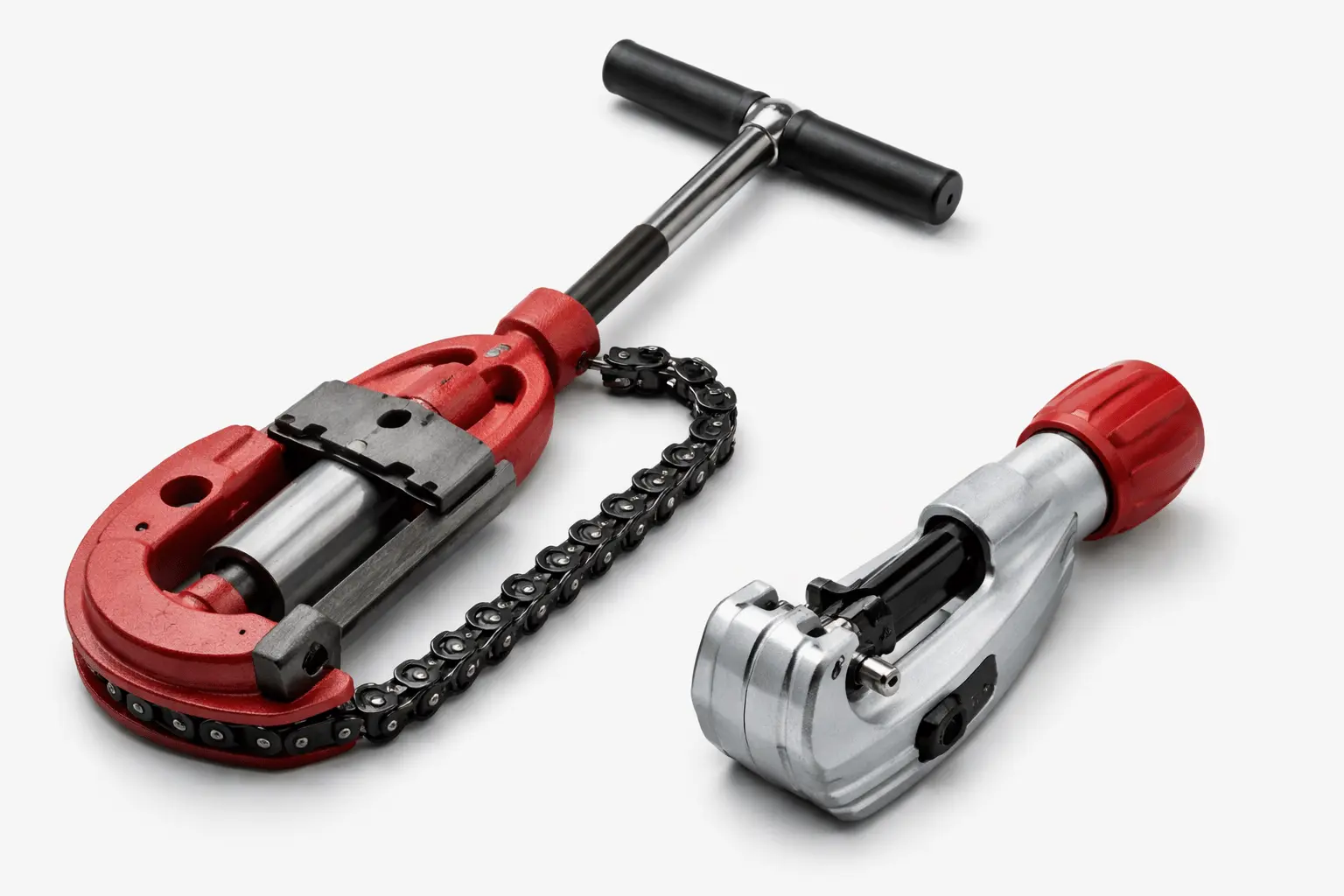
レーザー切断は現代の製造業の基盤となり、幅広い材料に対して精度、速度、多用途性を提供しています。最も一般的な方法には以下のものがあります チューブレーザー切断 そして フラットレーザー切断, 、それぞれが産業用途で異なる目的を果たします。チューブレーザー切断は、パイプ、チューブ、プロファイルを高精度で加工することに特化しており、フラットレーザー切断は板金部品の成形に優れています。.
この記事では、これら2つの技術の主な違いを探り、生産ニーズに最適な方法を判断するのに役立ちます。構造用チューブまたは平らな金属シートのいずれを扱う場合でも、それぞれの強みを理解することで、適切なソリューションへと導かれます。.
チューブレーザー切断とは?
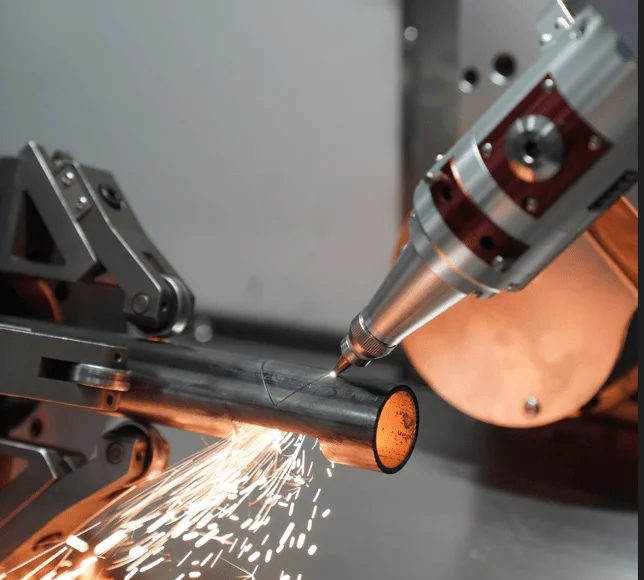
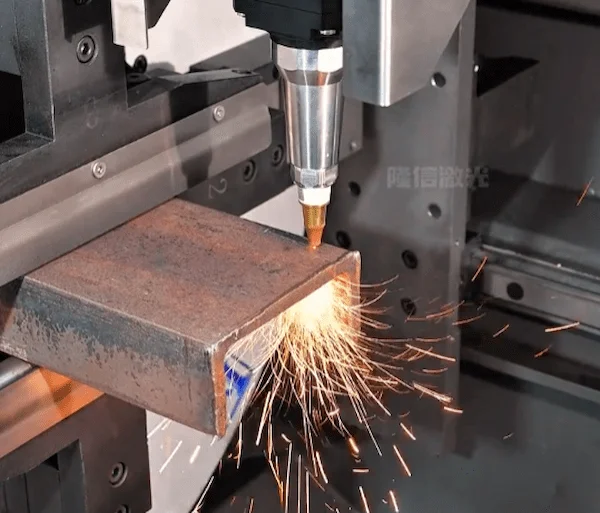
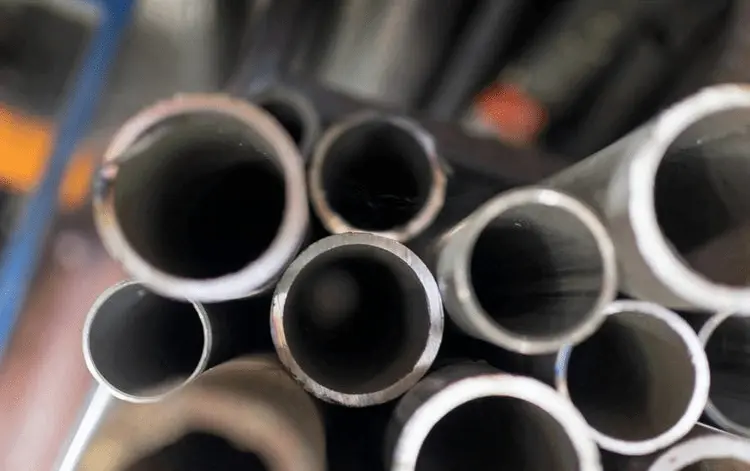
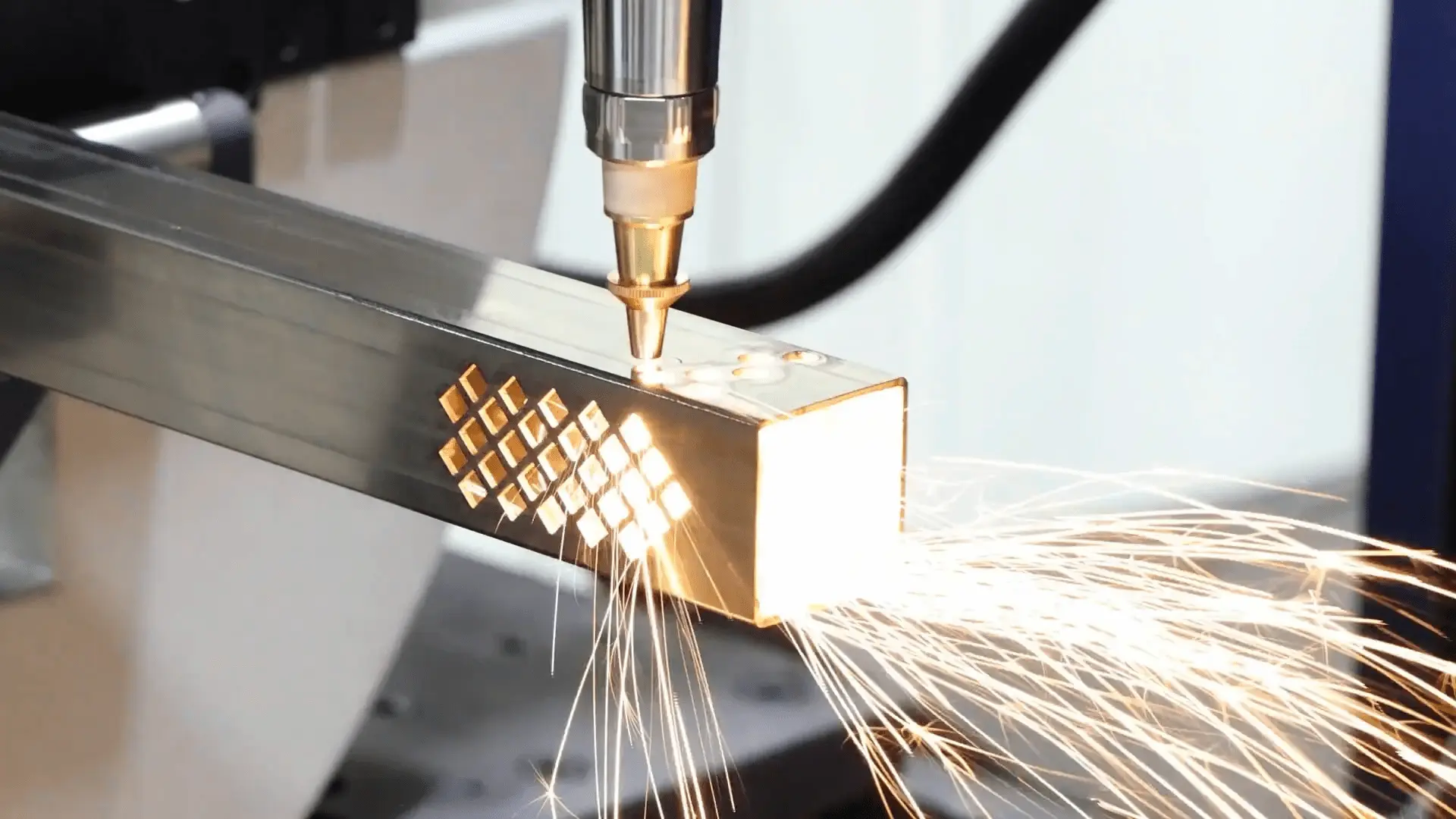
チューブレーザー切断は、高出力密度のレーザービームを使用して金属または非金属のチューブを加工する高精度技術です。もともとは自動車産業や航空宇宙産業で応用されていましたが、現在では建築、家具、その他の分野にも拡大しています。.
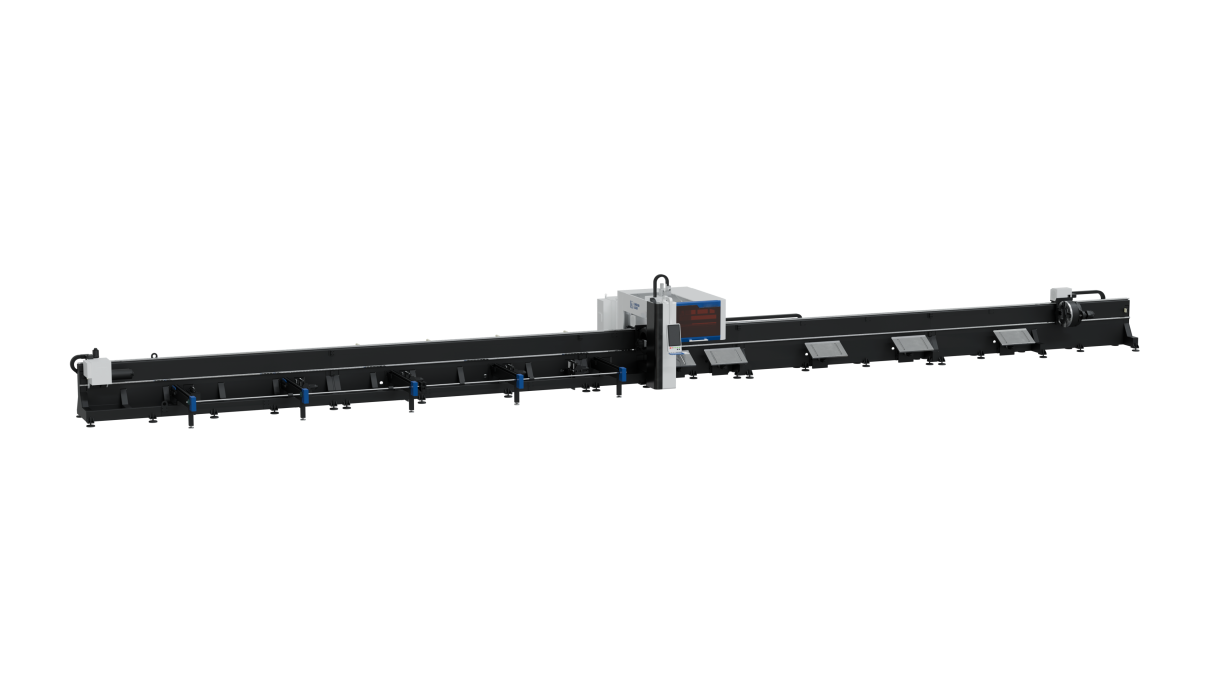
CNCシステムがチューブの軸(X軸)、回転(A/B軸)、垂直方向(Z軸)に沿ったレーザーヘッドの動きを制御することで、チューブレーザー切断は、コープ穴、面取りエッジなどの複雑な形状を可能にし、自動ローディングおよびアンローディングをサポートし、生産効率を大幅に向上させます。.
(1)対応材料の種類
- 丸型、角型、長方形のチューブ(炭素鋼、ステンレス鋼、アルミニウム合金)
- 特殊プロファイル(例:カスタム形状のセクション、ウエスト型チューブ)
- 非金属チューブ(例:PVC、プラスチックパイプ)
(2)チューブレーザー切断を一般的に使用する産業
- 自動車:構造部品、排気管、シャーシ部品
- 建築・住宅:鉄骨構造、ドア・窓、家具フレーム
- エンジニアリング機械:油圧パイプ、フィットネス機器
- 新エネルギー・医療:精密チューブ部品
(3)利点
- 高精度:±0.05mmまでの切断精度、複雑な形状に適しています
- 自動化:統合されたCNCおよびロボットローディングシステムにより手作業を削減
- 高効率:従来の方法より8〜20倍速く、15%〜30%の材料節約
- 柔軟性:プログラム可能でデザインを迅速に切り替え可能、小ロットのカスタム生産に最適
フラットレーザー切断とは?
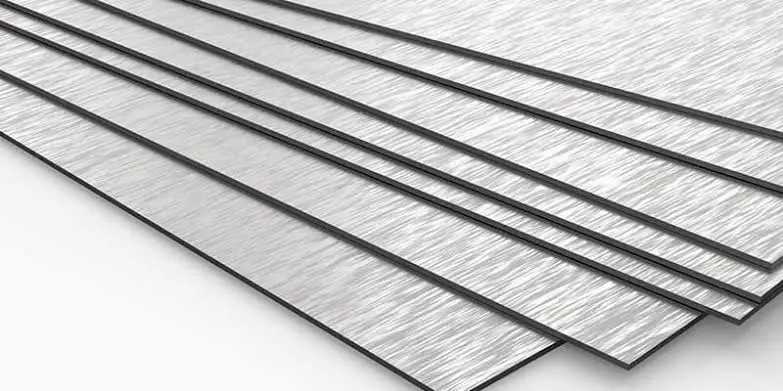
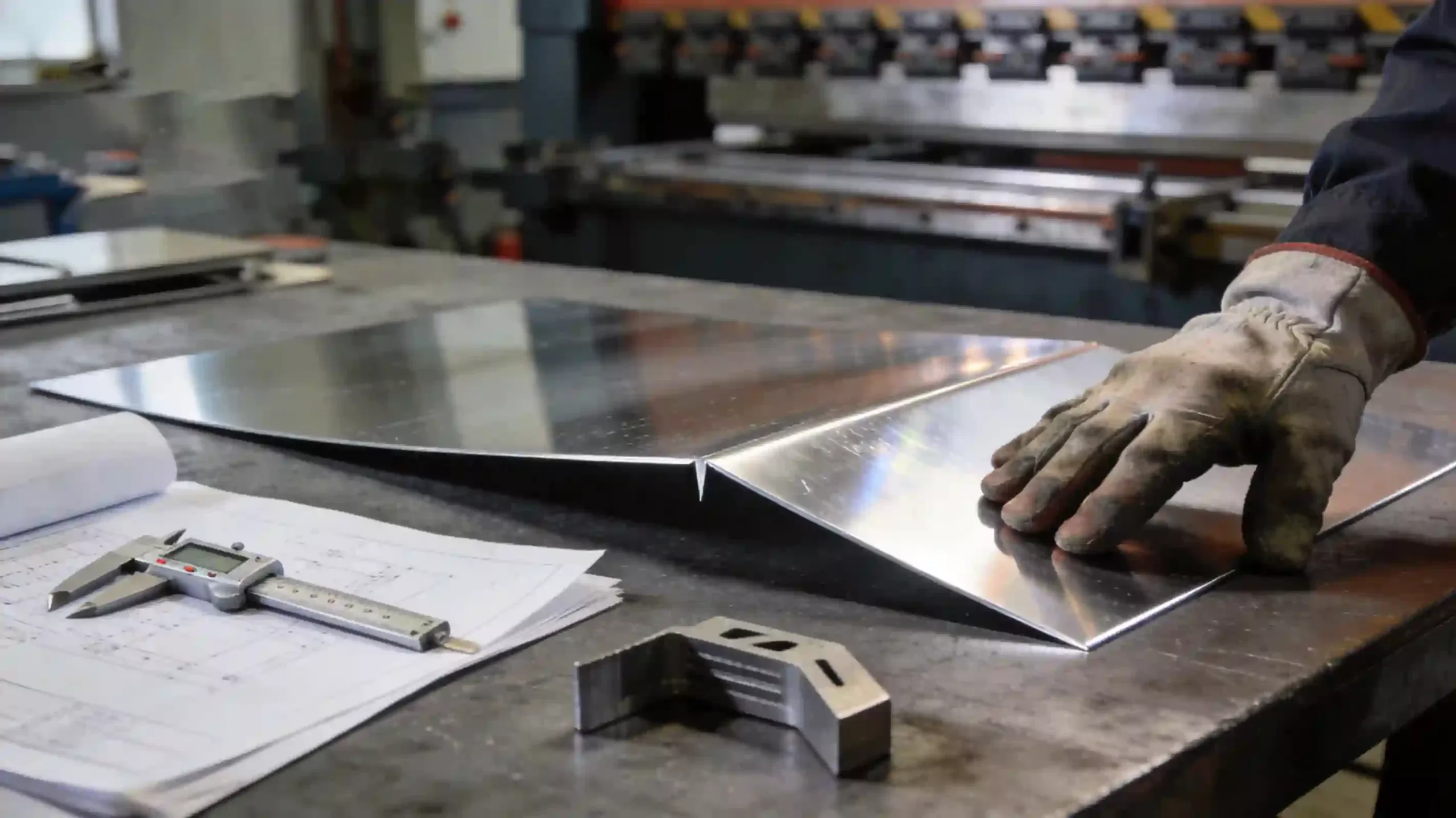
フラットレーザー切断は、高出力レーザービームを使用して金属シートなどの平らな材料を精密に切断する高度な加工技術です。コンピューター制御のレーザーパス移動により、高速かつ高精度な結果を実現します。.
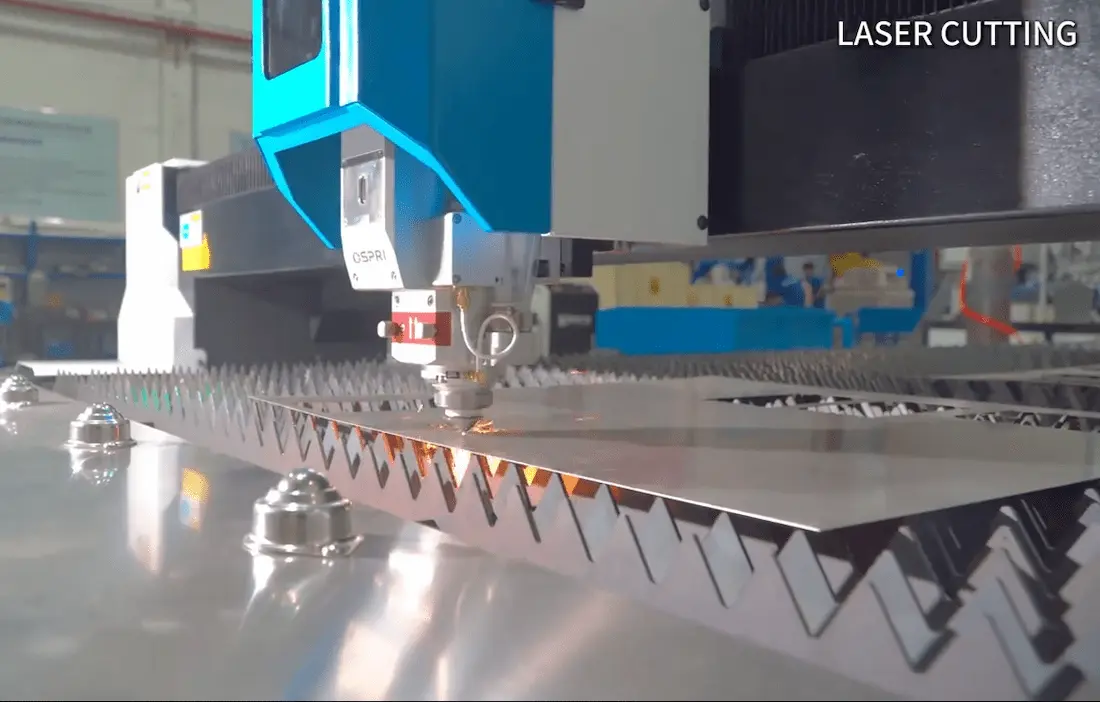
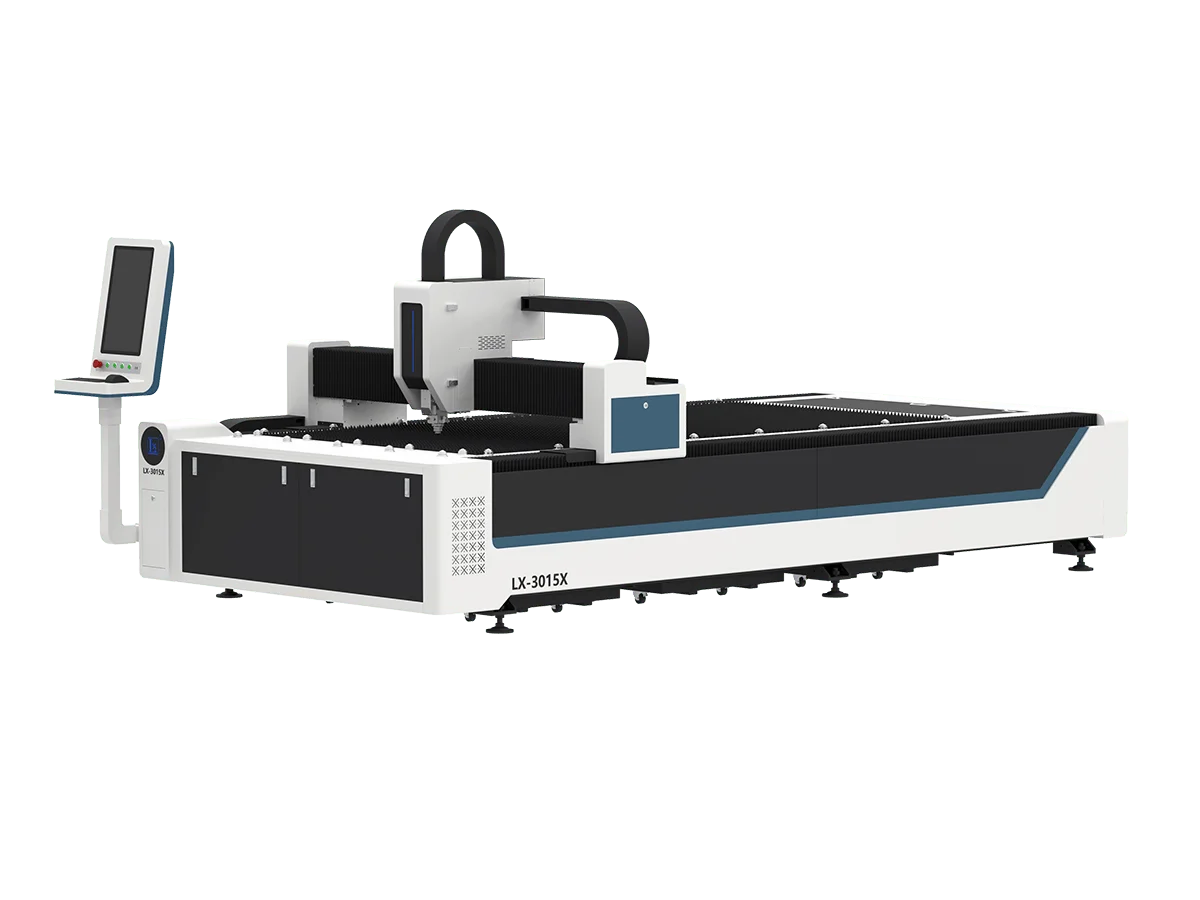
(1)適切な材料
- 金属:ステンレス鋼、炭素鋼、アルミニウム(ファイバーレーザーで最大50mm)
- 非金属:アクリル、木材、プラスチック、ガラス、複合材料(主にCO₂レーザー)
- 薄板:最小限のカーフ(切断幅約0.15mm)により、電子機器や装飾用途に最適
(2)広く使用されている産業
- 自動車:ボディパネル、シャーシ、排気部品の精密切断
- 家具・装飾:キャビネット用カスタムパネル、看板、芸術的パターン
- 電子機器:回路基板、筐体、ヒートシンクをミクロンレベルの精度で加工
(3)利点
- 高速処理:切断速度は最大120m/hで、薄板ではプラズマやウォータージェットよりも大幅に高速
- 高精度:±0.05mmの公差、複雑な形状に最適
- 簡単なネスティング:材料使用率を最大化し、廃棄物を15〜30%削減
- 自動化対応:CNCと統合して無人生産が可能
比較表:チューブレーザー切断とフラットレーザー切断
| 特集 | チューブレーザー切断 | Flat Laser Cutting |
|---|---|---|
| Suitable Workpiece | Round/square/rectangular/special-shaped tubes, profiles | Metal sheets, flat plates, non-metals like acrylic, wood |
| Processing Capability | 3D cuts (bevels, coped holes, slots), multi-angle operations | 2D cuts, nesting optimization |
| Material Flexibility | Diameter Ø20–300mm, thickness ≤25mm (carbon steel) | Thickness ≤50mm (fiber), CO₂ required for non-metals |
| 精度 | ±0.05–0.1mm, burr-free, minimal thermal deformation | ±0.05mm, narrow kerf (0.1–0.2mm), ideal for fine outlines |
| 自動化 | Requires auto-feeding and rotating axes (A/B) | CNC tables, supports lights-out batch production |
| 設備費 | Higher (multi-axis movement, custom chucks), ~$32,000+ | Lower entry cost; high-power fiber models >$100,000 |
| Common Industries | Auto exhausts, construction steel, gym equipment | Appliances, signage, electronics |
When to Choose Tube Laser Cutting Over Flat Laser Cutting
The key distinction between tube and flat laser cutting lies in ワークピースの形状 そして 3D processing capabilities. Choose tube laser cutting when:
(1) Project Requirements: Complex Geometry & Automation
- 3D Complex Cutting: Tube laser is ideal for cutting beveled ends, intersecting holes, and slots on tubes and profiles—useful for items like exhaust pipes or curved brackets on fitness equipment.
- Integrated Automation: Equipped with multi-axis systems (A/B axis + pneumatic chucks), tube laser machines support full automation from feeding to unloading.
- Use Cases: Construction node connections, bevel pipe repairs in oil & gas—traditionally requiring multiple steps now completed in one.
(2) ROI: Fewer Steps = Lower Costs
- Process Integration: Replaces sawing, drilling, and punching with a single machine—cutting labor and floor space by 75%.
- Material Savings: Smart nesting reduces waste by 15–30%, such as in scaffold tube production.
- Long-term ROI: Entry-level machines (~$32,000) can break even in 6–12 months due to 8–20× productivity gains.
(3) Product Examples
- Bicycle Frames: Precision cut joints and lightweight designs depend on tube laser’s surface cutting capabilities
- ジムの設備: Dumbbell rods, elliptical frames need angled cuts and slotting
- Scaffolding: Coping of square tubes for multi-angle connections
- その他: Exhaust manifolds, stretcher frames, hydraulic pipes
Can One Machine Do Both? Hybrid Laser Cutting Solutions
Hybrid laser cutters (aka “シート・チューブレーザー切断機“) combine flat and tube cutting functionality using high-power fiber lasers and multi-axis CNC systems (X/Y/Z + A/B rotation). These machines can clamp pipes or fix plates for versatile processing.
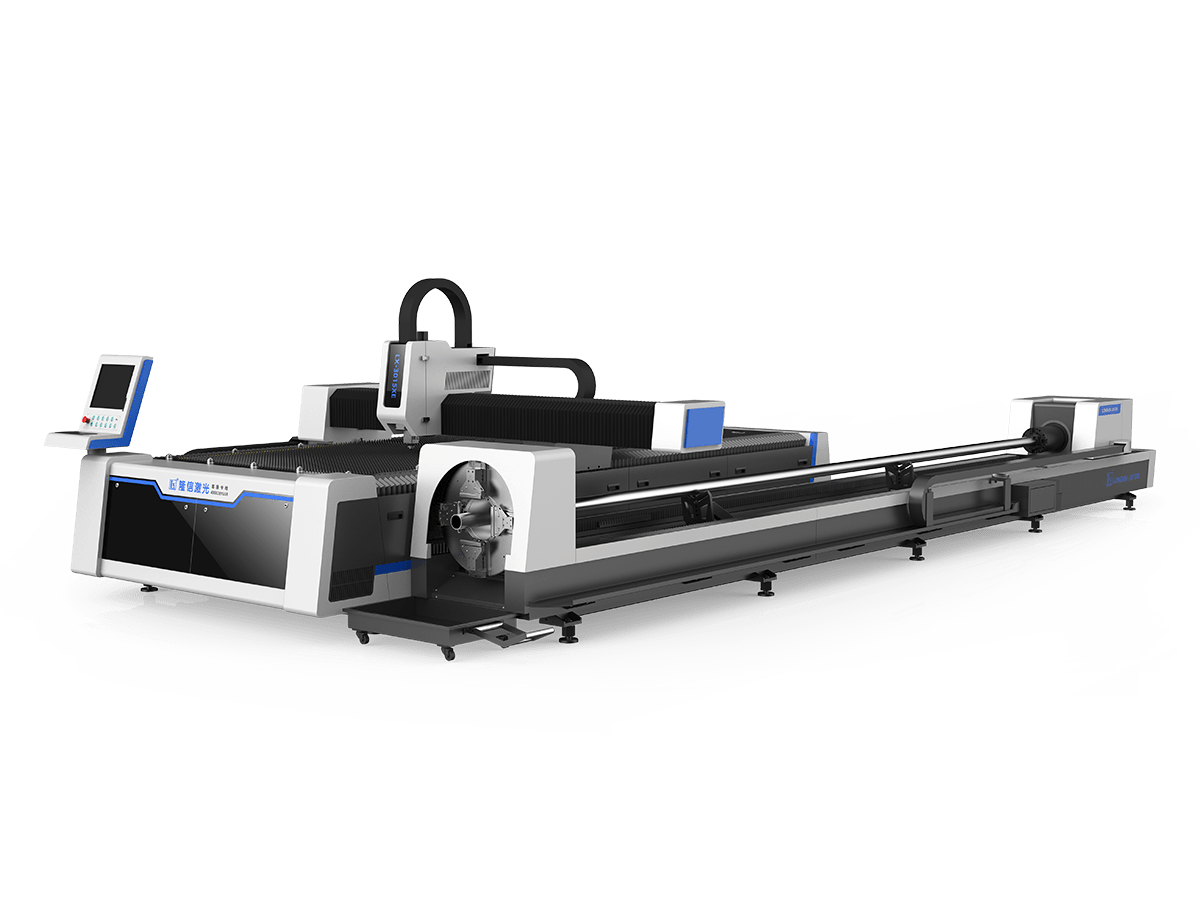
I. Advantages vs. Limitations
| 次元 | メリット | 制限事項 |
|---|---|---|
| Functionality | Cuts sheets (carbon/stainless) and tubes (round/square/special) | Tube dia. limited (typically φ20–220mm); weak on thick sheets (>16mm steel) |
| Productivity | Dual-table auto-switching, seamless task shift | Requires manual fixture/parameter switch; slower than dedicated machines |
| Space & Cost | Saves 50% floor space; avoids dual equipment costs | High unit cost ($50K entry, >$100K high-end) |
| 精密 | ±0.05mm (sheets), ±0.1mm (tubes); smooth, burr-free cuts | Long tubes (>6m) sag, needing extra support |
Typical Use Cases:
- Best fit: Gym equipment (tubes + plates), custom furniture, auto parts
- Not ideal: Ultra-thick sheets (>20mm), large tubes (>300mm dia), micron-level electronics
II. Suitability for SMEs: Balancing Cost & Flexibility
Cost Efficiency:
- One hybrid = one tube cutter + one mid-power flatbed, but only ~60–70% of their combined cost
- Example: A sheet metal shop making casings + tubular frames can avoid outsourcing loss
Lower OPEX:
- Power usage is 20–30% of CO₂ machines
- Modular design simplifies maintenance; ~30% less cost than dedicated tools
Custom Orders:
- Switch jobs via software, no molds needed
- Intelligent nesting for both tubes and sheets = up to 85% material utilization
Caution: If >70% of your orders are tube- or sheet-only, dedicated machines offer better efficiency.
III. Cost Comparison: Hybrid vs. Dedicated Machines
| Cost Item | Hybrid Laser Machine | Tube + Flatbed (Separate) | Savings |
|---|---|---|---|
| Equipment | $50,000–$120,000 | $80,000 (tube) + $70,000 (flat) | 20–40% |
| Space | 15–20 m² | 25–35 m² | 40–50% |
| Operators | 1 person | 1 person each | 50% |
| Monthly Power | 800–1200 kWh | 1500–2000 kWh | 35–45% |
| Annual Maintenance | ~$5,000 | ~$8,000 | ~37.5% |
IV. When to Choose a Hybrid Machine
Scenario A: Both Sheets & Tubes in Custom Orders
- For furniture or medical equipment using mixed materials, hybrids save outsourcing cost and boost yield.
Scenario B: Large Volume or Specialized Production
- If you’re cutting >200 parts/day or >70% are sheet/tube only, dedicated machines work better.
Scenario C: Budget & Space Constraints
- Budget ≥ $50K, factory space ≥ 15㎡; hybrids save 40–50% space compared to two machines.
Scenario D: Return on Investment
- If you produce ≤5000 parts/year and orders are 30–70% tubes vs. sheets, ROI in 1–1.5 years via 50% labor savings.
Conclusion: How to Choose the Right Laser Cutting Method
The core difference lies in material type そして geometric complexity. Use this quick-reference guide:
| Requirement | Recommended Method | Common Industry Examples |
|---|---|---|
| Tubes/profiles (round/square/etc) | チューブレーザー切断 | Auto exhausts, bicycle frames, steel joints |
| Complex 3D cutting (bevels, copes) | チューブレーザー切断 | Fitness brackets, hydraulic piping |
| Mass sheet cutting (flat parts) | Flat Laser Cutting | Appliance enclosures, signage |
| High-precision 2D cutting | Flat Laser Cutting | Electronics, metal decor |
| Mixed orders (tubes + plates) | Hybrid Laser Machine | Furniture, medical instruments |
Choose Tube Laser Cutting If:
- You process hollow tubes (metal/non-metal), esp. <300mm diameter
- You need complex bevels, intersecting holes, 3D geometries
- You need automation for >100 parts/day
Choose Flat Laser Cutting If:
- You primarily handle flat sheet metal, ≤20mm thick
- You prioritize speed and budget for thin materials
- You do not need tube-processing features
Choose Hybrid Machines If:
- You accept mixed-material orders (small to medium batches)
- You want to reduce space and maximize machine use
- You accept lower extreme-performance but want high flexibility
FAQs: Tube Laser Cutting
1. What materials can a tube laser cut?
- 金属: Carbon steel, stainless steel (≤25mm wall), aluminum alloys, copper (requires fiber laser)
- 非金属: PVC, plastic (requires CO₂ laser)
- Profiles: I-beams, angles, elliptical tubes
- ⚠️ High-reflectivity materials (e.g., pure copper) need specific laser wavelengths
2. What precision is achievable with tube laser cutting?
- Standard: ±0.05–0.1mm, burr-free
- High-end: ±0.02mm for medical applications (with ultrashort pulse lasers)
- 💡 Tip: Larger diameters and uneven wall thickness reduce accuracy
3. Is tube laser cutting better than sawing?
| Factor | チューブレーザー切断 | Traditional Sawing |
|---|---|---|
| 効率性 | 6m pipe in 2 min; 8–20× faster | Slow, manually fed |
| 精密 | ±0.1mm, no secondary finishing | ±1mm, requires grinding |
| Material Yield | Smart nesting saves 15–30% | Fixed spacing = higher waste |
| 柔軟性 | Cuts, slots, bevels in one machine | Cutting only; drilling needs extras |
結論: Laser cutting wins in nearly all but ultra-thick or low-cost scenarios.
4. Are maintenance costs high?
- Fiber models: ~$5,000/year
- Energy use: 25% of CO₂ laser
- Main consumables: lenses (6–12 mo), nozzles (1–3 mo)
5. Can it cut non-round tubes?
- Yes: square, rectangular, elliptical, and irregular profiles
- Requires adaptive chucks and multi-axis rotation systems