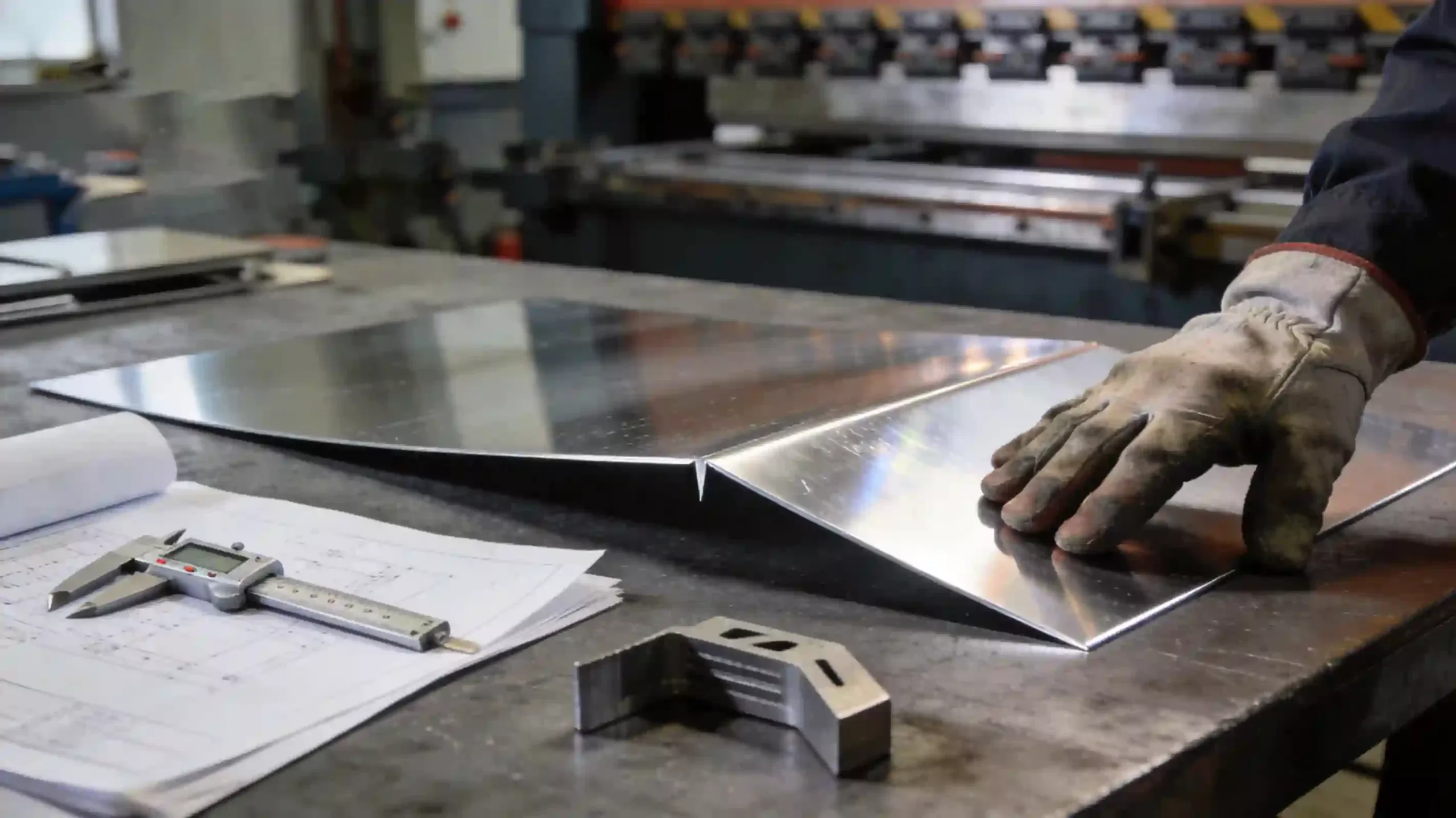
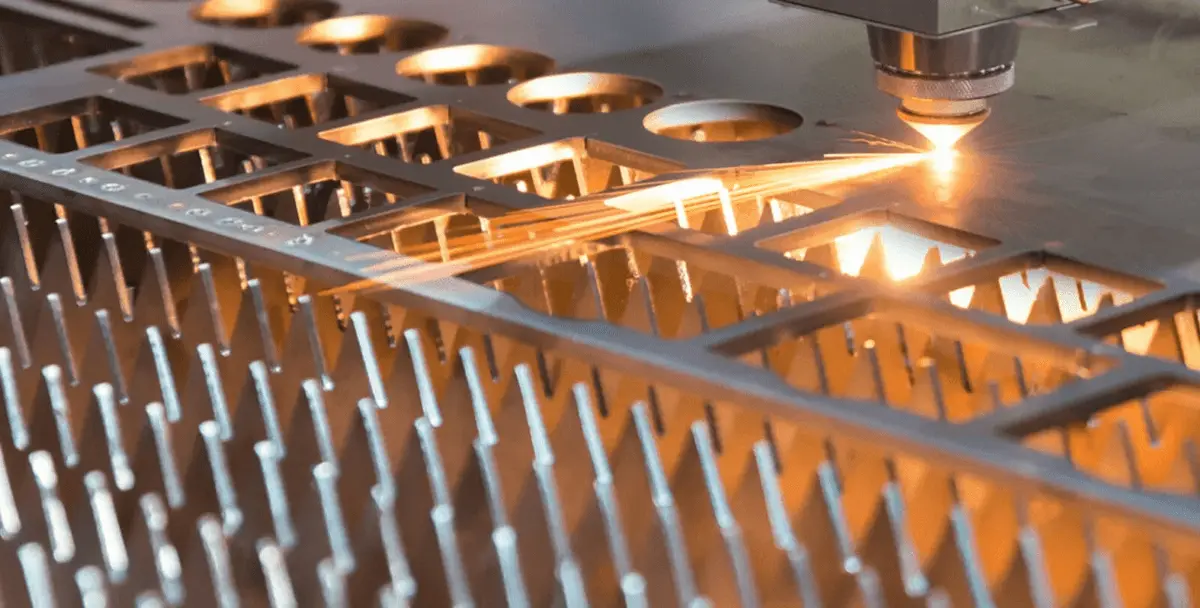
對於大多數製造專案而言,低碳鋼是雷射切割的最佳鋼材。.
它切割速度快、邊緣品質一致,且仍是最經濟實惠的材料之一。常見等級如 ASTM A36、S235 和 S355,廣泛應用於從機架、支架到農業設備和工業外殼等各種產品。.
這並不表示低碳鋼永遠是正確的選擇。不鏽鋼在腐蝕性環境中表現更佳,而 HSLA 鋼在需要減輕重量時提供更高強度。但若您追求成本、速度和可製造性的最佳整體平衡,低碳鋼通常是答案。.
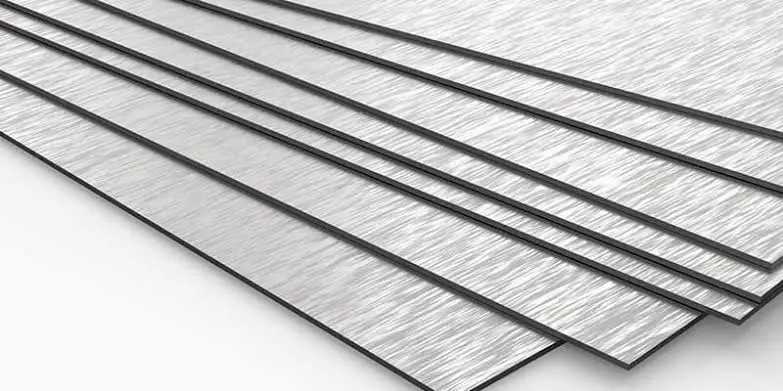
為何製造商偏好低碳鋼
走進幾乎任何鈑金廠,您都會發現每天都有低碳鋼在進行切割。.
這背後有實際原因。低碳鋼幾乎適用於所有現代光纖雷射系統,且製造商擁有數十年的高效加工經驗。. TRUMPF 將低碳鋼列為工業雷射切割的核心材料之一,而如 SendCutSend 等製造服務則提供多種厚度的低碳鋼選項。.
其優勢相當直接:
- 快速切割速度
- 可靠的邊緣品質
- 低材料成本
- 優異的焊接性
- 全球廣泛供應
對許多製造商而言,這些優勢比追求最高強度或耐腐蝕性更為重要。.
低碳鋼在生產層面上也較為寬容。切割參數的微小變化比使用更專業的材料時更不容易造成問題,使其成為高產量製造中安全且可預測的選擇。.
何時不鏽鋼更為合適
若零件會暴露於濕氣、化學物質或戶外環境,不鏽鋼通常成為更好的選擇。.
與碳鋼不同,不鏽鋼會形成一層保護性氧化層,有助於防止腐蝕。 Nickel Institute 說明鉻是促成此行為的關鍵元素,因此不鏽鋼廣泛應用於食品加工設備、醫療器材、商用廚房和建築應用中。.
大多數雷射切割的不鏽鋼零件由 304 或 316 不鏽鋼製成。.
304 不鏽鋼
304 是主力等級。.
它提供優異的耐腐蝕性、良好的成型性和美觀的表面處理,同時保持相對可控的材料成本。.
對於室內工業環境,304 通常已足夠。.
316 不鏽鋼
316 含有鉬,使其對氯化物和強效化學物質具有更好的耐受性。.
選擇 Nickel Institute 指出 316 在富含氯化物的環境中表現優於 304。這就是為何船舶五金、化學加工設備和沿海設施經常依賴 316 而非 304。.
對許多買家而言,決策取決於環境而非切割性能。.
HSLA 鋼的定位
並非每個專案僅由成本驅動。.
在建築設備、運輸和農業機械等行業中,減輕重量同時維持強度可能是主要設計目標。.
這就是 HSLA(高強度低合金鋼)變得具吸引力的地方。.
與其增加厚度來達到更高承載能力,HSLA 鋼使用精心控制的合金元素來改善機械性能。如 SSAB 等鋼鐵生產商已圍繞此概念開發了完整產品系列,特別針對結構和車輛應用。.
其取捨在於,較強的材料通常需要更嚴格的製程控制。.
在低碳鋼上完美運作的雷射切割參數,在切割較高強度等級時可能需要調整。材料厚度、輔助氣體選擇和熱輸入在強度等級提升時都變得更加重要。.
這並不使 HSLA 難以切割,只是容錯空間較小。.
某些鋼材需要更多關注
大多數鋼材都能成功進行雷射切割,但有些需要額外考量。.
鍍鋅鋼
鍍鋅鋼的挑戰不在於切割本身。.
而在於鍍層。.
當鍍鋅材料受熱時,可能產生氧化鋅煙霧。. OSHA 將鋅暴露視為金屬煙霧熱的常見原因,因此在加工鍍鋅板材時,適當的抽風和通風至關重要。.
This is also one of the most frequently mentioned concerns among fabrication professionals discussing galvanized steel in online manufacturing communities.
High-Carbon and High-Strength Steels
As carbon content and material strength increase, thermal effects become more significant.
Research published in Wiley 以及 ScienceDirect has shown that laser cutting can alter microstructure within the heat-affected zone, potentially influencing hardness and edge characteristics in high-strength steels.
For manufacturers processing advanced structural steels, cutting quality is no longer determined by the material alone. Process optimization becomes equally important.
How to Choose the Right Steel for Your Job
If you need a quick answer, use the following guide:
| Requirement | Recommended Material |
|---|---|
| Lowest material cost | Mild Steel |
| General fabrication | Mild Steel |
| Corrosion resistance | 304 不鏽鋼 |
| Marine or chemical environments | 316 不鏽鋼 |
| High strength with lower weight | HSLA Steel |
Most projects do not require exotic materials.
In fact, many engineers eventually arrive at the same conclusion: if corrosion is not a concern and extreme strength is not required, mild steel is usually the most practical solution.
How to Choose the Right Metal Laser Cutting Machine
Choosing the right material is only half of the equation.
The capabilities of the metal laser cutting machine have just as much influence on productivity and cut quality.
For example, a machine optimized for thin-sheet processing may perform exceptionally well on mild steel but struggle to achieve the same efficiency on thicker stainless or HSLA materials. Laser power, cutting head design, motion control, and assist gas systems all affect the final result.
As a general rule, manufacturers should select a machine based on the materials and thickness range they process most often rather than focusing solely on maximum power ratings.
The best cutting results come from matching the machine to the application, not simply buying the largest laser available.
最終想法
So, what is the best steel for laser cutting?
For most applications, mild steel remains the answer.
It offers the best combination of cutting speed, edge quality, availability, and cost-effectiveness. Stainless steel becomes the better choice when corrosion resistance matters, while HSLA steel is ideal when strength and weight reduction are priorities.
The right material will always depend on the requirements of the finished product, but if you are looking for the most versatile and widely used option in modern fabrication, mild steel continues to set the standard.