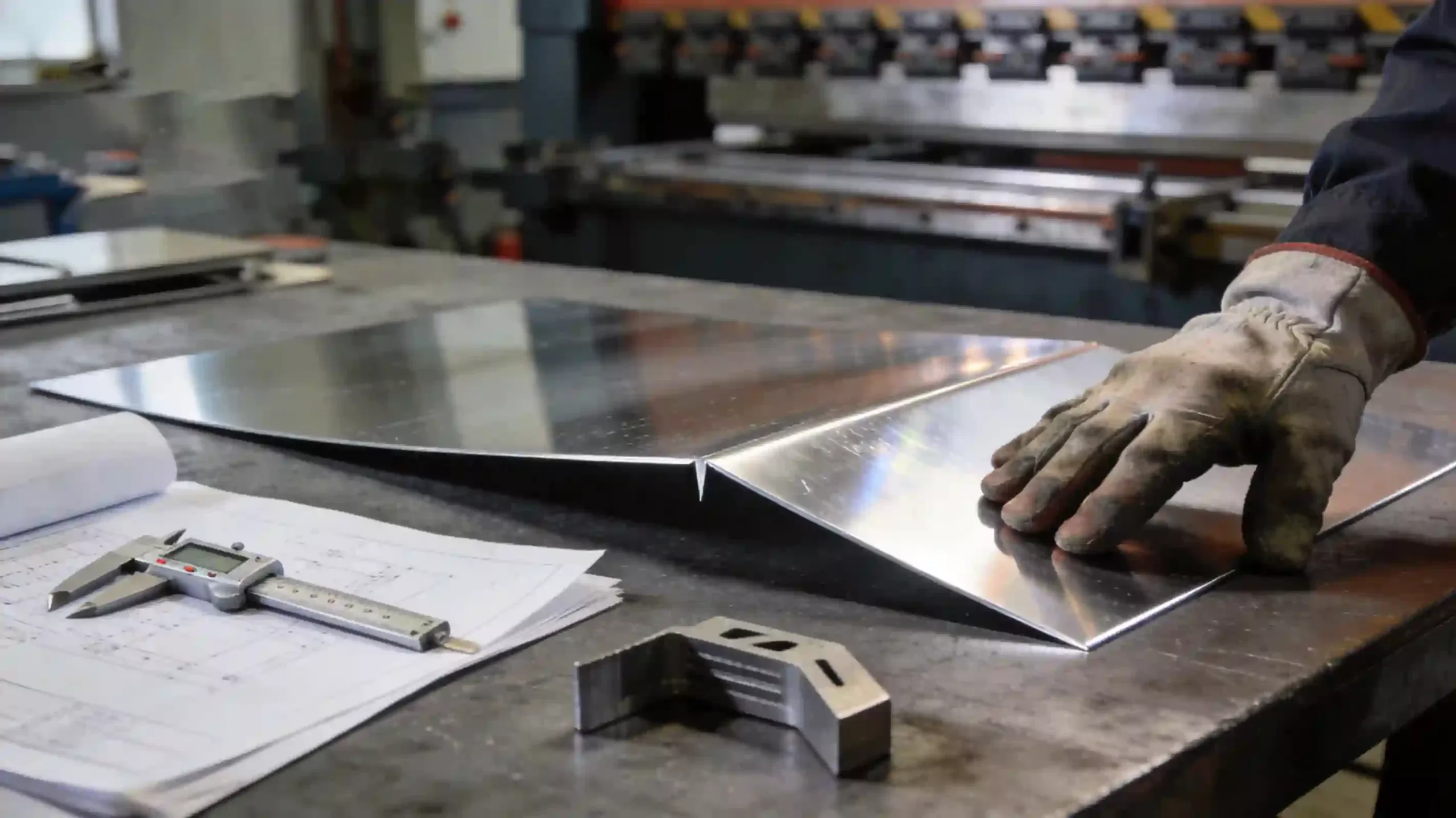
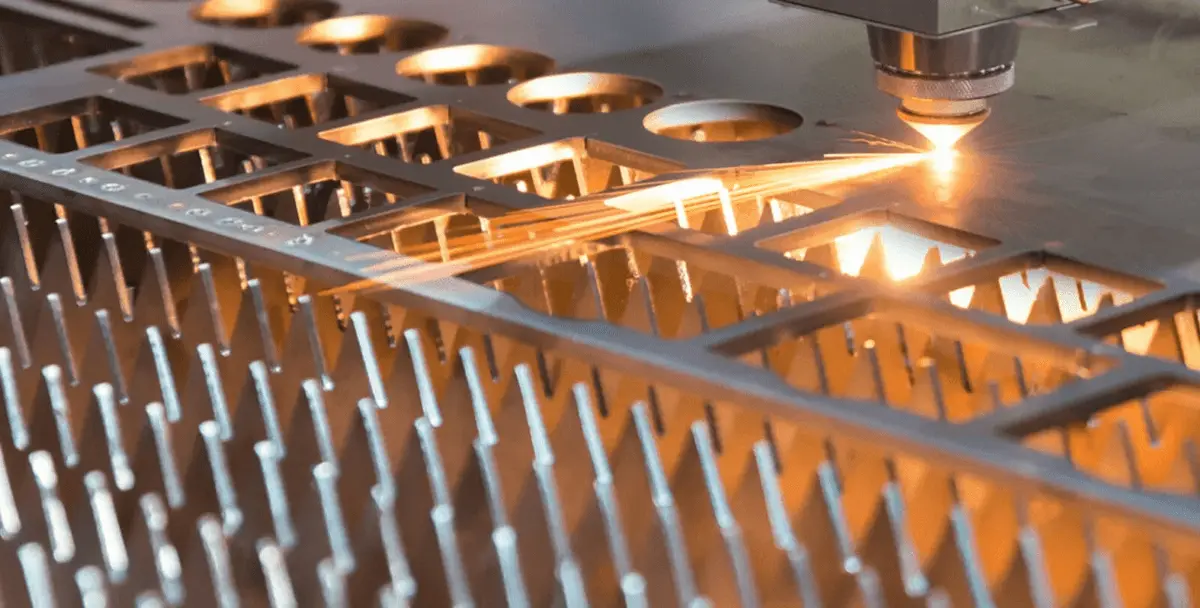
For most fabrication projects, mild steel is the best steel for laser cutting.
It cuts quickly, produces consistent edge quality, and remains one of the most economical materials available. Common grades such as ASTM A36, S235, and S355 are used across everything from machine frames and brackets to agricultural equipment and industrial enclosures.
That does not mean mild steel is always the right choice. Stainless steel performs better in corrosive environments, while HSLA steels offer higher strength when weight reduction matters. But if you are looking for the best overall balance of cost, speed, and manufacturability, mild steel is usually the answer.
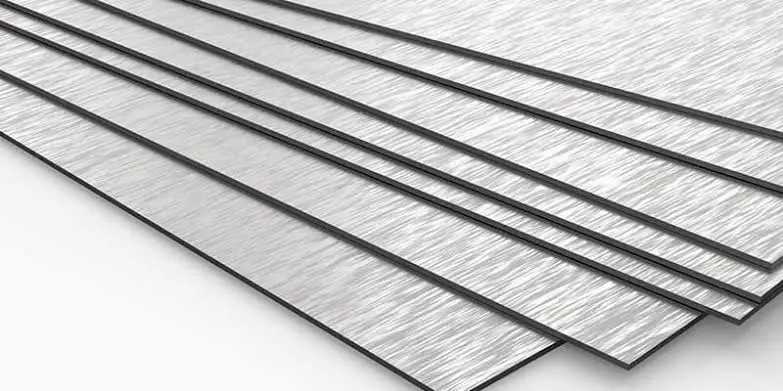
Why Fabricators Prefer Mild Steel
Walk into almost any sheet metal shop and you will find mild steel being cut every day.
There is a practical reason for that. Mild steel works well with virtually every modern fiber laser system, and manufacturers have decades of experience processing it efficiently. TRUMPF lists mild steel among the core materials used in industrial laser cutting, while fabrication services such as SendCutSend offer it across a wide range of thicknesses.
Its advantages are straightforward:
- ความเร็วในการตัดสูง
- Reliable edge quality
- Low material cost
- Excellent weldability
- Broad availability worldwide
For many manufacturers, those benefits matter more than achieving the highest possible strength or corrosion resistance.
Mild steel is also forgiving from a production standpoint. Small variations in cutting parameters are less likely to create problems than they would with more specialized materials, making it a safe and predictable choice for high-volume fabrication.
When Stainless Steel Makes More Sense
If a part will be exposed to moisture, chemicals, or outdoor conditions, stainless steel often becomes the better option.
Unlike carbon steel, stainless steel forms a protective oxide layer that helps prevent corrosion. The Nickel Institute explains that chromium is the key element responsible for this behavior, which is why stainless steels are widely used in food processing equipment, medical devices, commercial kitchens, and architectural applications.
Most laser-cut stainless components are made from either 304 or 316 stainless steel.
304 Stainless Steel
304 is the workhorse grade.
It provides excellent corrosion resistance, good formability, and an attractive surface finish while keeping material costs relatively manageable.
For indoor industrial environments, 304 is usually sufficient.
316 Stainless Steel
316 contains molybdenum, giving it better resistance to chlorides and aggressive chemicals.
The Nickel Institute notes that 316 performs better than 304 in chloride-rich environments. That is why marine hardware, chemical processing equipment, and coastal installations frequently rely on 316 rather than 304.
For many buyers, the decision comes down to environment rather than cutting performance.
Where HSLA Steel Fits In
Not every project is driven by cost alone.
In industries such as construction equipment, transportation, and agricultural machinery, reducing weight while maintaining strength can be a major design objective.
That is where HSLA, or High-Strength Low-Alloy steel, becomes attractive.
Rather than increasing thickness to achieve higher load capacity, HSLA steels use carefully controlled alloying elements to improve mechanical properties. Steel producers such as SSAB have developed entire product families around this concept, particularly for structural and vehicle applications.
The tradeoff is that stronger materials generally demand tighter process control.
Laser cutting parameters that work perfectly on mild steel may require adjustment when cutting higher-strength grades. Material thickness, assist gas selection, and heat input all become more important as strength levels increase.
That does not make HSLA difficult to cut. It simply leaves less room for error.
Some Steels Require More Attention
Most steels can be laser cut successfully, but some demand additional consideration.
Galvanized Steel
The challenge with galvanized steel is not the cut itself.
It is the coating.
When zinc-coated materials are heated, zinc oxide fumes can be generated. OSHA identifies zinc exposure as a common cause of metal fume fever, which is why proper extraction and ventilation are essential when processing galvanized sheet.
This is also one of the most frequently mentioned concerns among fabrication professionals discussing galvanized steel in online manufacturing communities.
High-Carbon and High-Strength Steels
As carbon content and material strength increase, thermal effects become more significant.
Research published in Wiley แล้ว ScienceDirect has shown that laser cutting can alter microstructure within the heat-affected zone, potentially influencing hardness and edge characteristics in high-strength steels.
For manufacturers processing advanced structural steels, cutting quality is no longer determined by the material alone. Process optimization becomes equally important.
How to Choose the Right Steel for Your Job
If you need a quick answer, use the following guide:
| 加工需求 | Recommended Material |
|---|---|
| Lowest material cost | Mild Steel |
| General fabrication | Mild Steel |
| Corrosion resistance | 304 Stainless Steel |
| Marine or chemical environments | 316 Stainless Steel |
| High strength with lower weight | HSLA Steel |
Most projects do not require exotic materials.
In fact, many engineers eventually arrive at the same conclusion: if corrosion is not a concern and extreme strength is not required, mild steel is usually the most practical solution.
How to Choose the Right Metal Laser Cutting Machine
Choosing the right material is only half of the equation.
The capabilities of the metal laser cutting machine have just as much influence on productivity and cut quality.
For example, a machine optimized for thin-sheet processing may perform exceptionally well on mild steel but struggle to achieve the same efficiency on thicker stainless or HSLA materials. Laser power, cutting head design, motion control, and assist gas systems all affect the final result.
As a general rule, manufacturers should select a machine based on the materials and thickness range they process most often rather than focusing solely on maximum power ratings.
The best cutting results come from matching the machine to the application, not simply buying the largest laser available.
ข้อคิดสุดท้าย
So, what is the best steel for laser cutting?
For most applications, mild steel remains the answer.
It offers the best combination of cutting speed, edge quality, availability, and cost-effectiveness. Stainless steel becomes the better choice when corrosion resistance matters, while HSLA steel is ideal when strength and weight reduction are priorities.
The right material will always depend on the requirements of the finished product, but if you are looking for the most versatile and widely used option in modern fabrication, mild steel continues to set the standard.