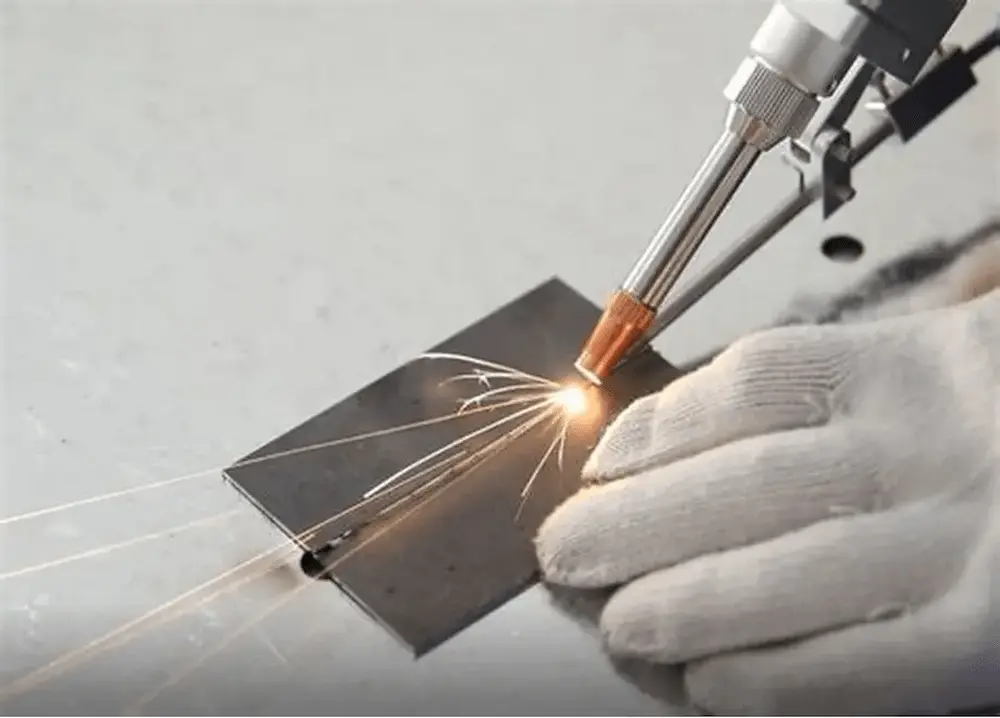
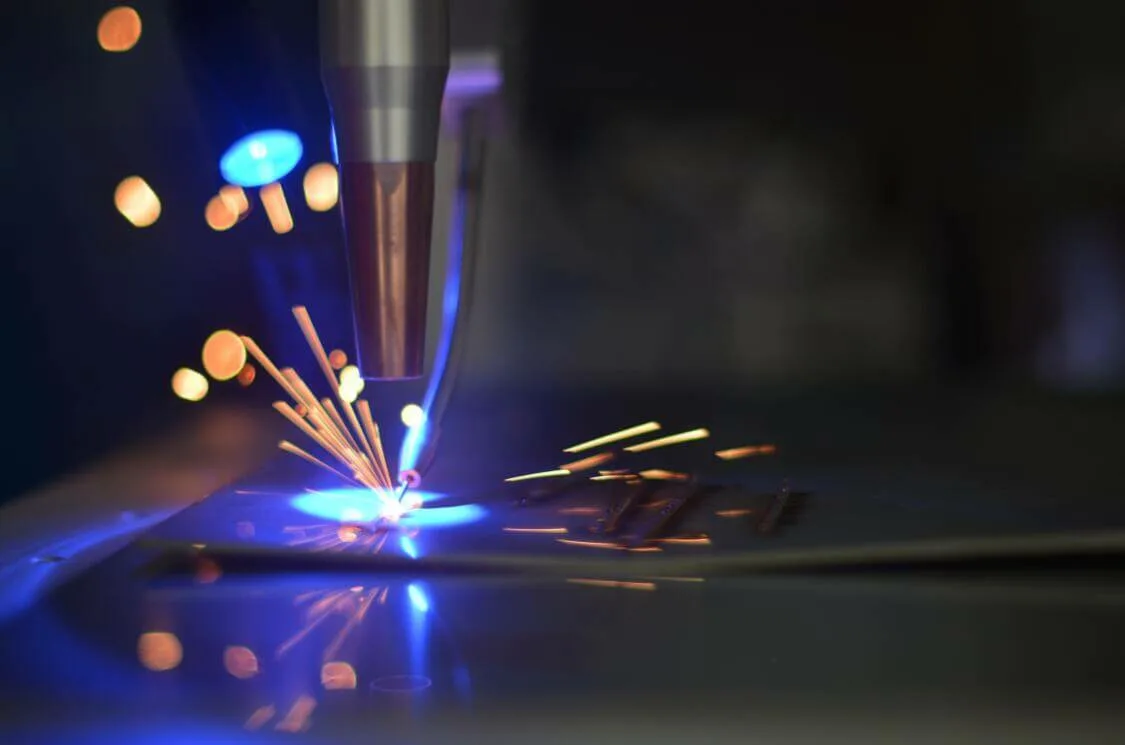
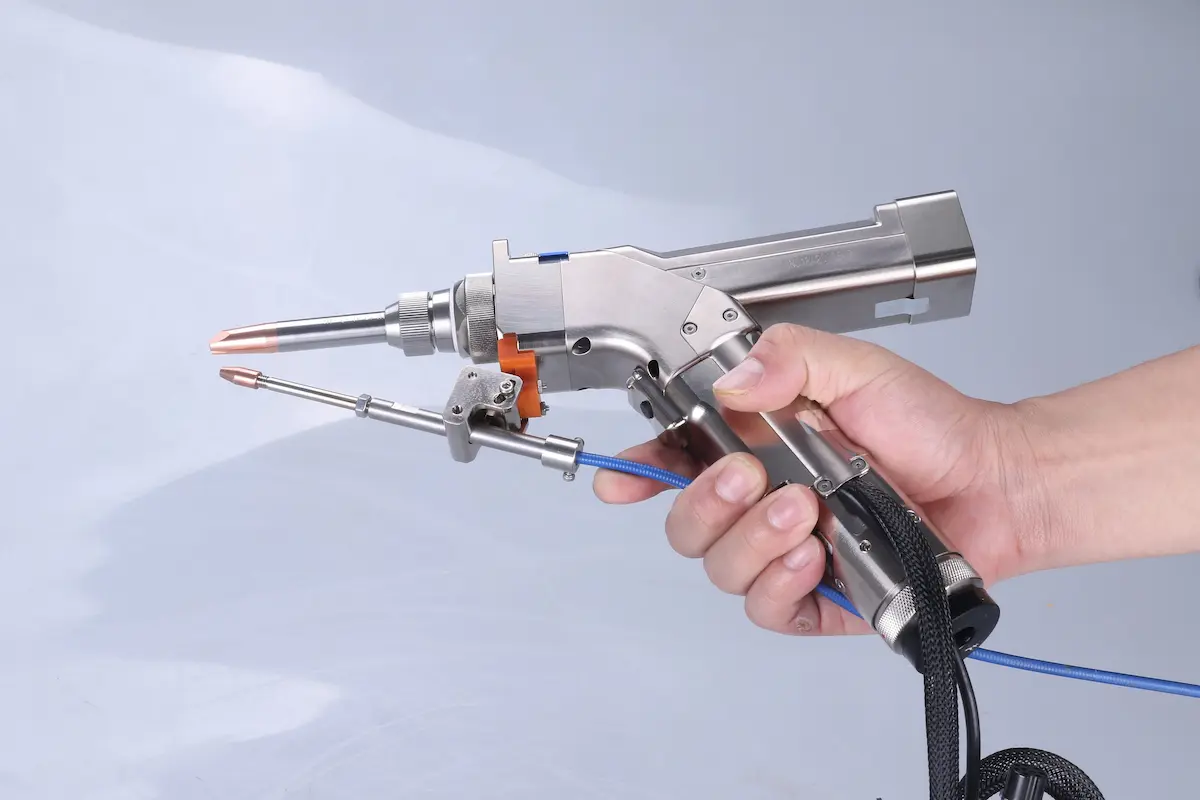
Laser welding is increasingly used in industries such as automotive, aerospace, electronics, and medical device manufacturing. While it offers advantages like high precision, deep penetration, and minimal distortion, laser welding also introduces unique safety risks that operators must carefully address. A laser beam is invisible, highly concentrated, and capable of causing serious injuries or equipment damage if not properly controlled. This article outlines the key safety considerations in laser welding and the precautions every operator must take.
1. Laser Radiation Hazards
- The primary risk in laser welding comes from the laser beam itself. Depending on the wavelength and power, exposure can damage eyes, skin, or internal tissues.
- Eye Protection: Direct or reflected laser beams can cause permanent retinal damage or blindness. Operators must always wear certified laser safety goggles designed for the specific wavelength of the laser system.
- Skin Protection: High-power lasers can burn skin even with brief exposure. Proper protective clothing should be worn to minimize the risk.
2. Fume and Gas Emissions
- Laser welding generates metal fumes, vapors, and plasma plumes. Inhaling these particles can cause respiratory issues and long-term health risks.
- Local Exhaust Ventilation (LEV): Welding stations should be equipped with fume extraction systems to capture and filter harmful particles.
- Respiratory Protection: In confined spaces, operators may require additional personal protective equipment (PPE), such as respirators.
- Gas Safety: Shielding gases like argon or helium must be handled carefully to prevent asphyxiation hazards in poorly ventilated areas.
3. Fire and Explosion Risks
- The intense heat of the laser beam can ignite flammable materials near the welding zone. In certain cases, welding reflective metals like aluminium or magnesium may also trigger small explosions.
- Clear Work Area: Keep flammable liquids, papers, and plastics away from the welding station.
- Fire Safety Measures: Fire extinguishers and emergency shut-off systems should be readily available.
4. Electrical Safety
- Laser welding systems involve high-power electrical components, including power supplies, cooling units, and controllers.
- Proper Training: Only trained personnel should perform maintenance on electrical systems.
- Regular Inspections: Power cables and connections should be checked for wear and insulation damage to prevent electrical shocks.
5. Mechanical and Optical Hazards
- In automated systems, robotic arms and moving optics pose additional risks.
- Machine Guarding: Protective barriers and interlocks must be in place to prevent accidental exposure.
- Beam Alignment Safety: Operators should never attempt to align the laser beam without following strict safety protocols.
6. Training and Compliance
- Safety in laser welding is not just about equipment but also about people.
- Operator Training: Personnel must be educated in laser classification, risks, and emergency procedures.
- Compliance Standards: Facilities must comply with international safety standards such as ISO 11553-1 (Safety in Laser Processing Machines) and ANSI Z136.1 (Safe Use of Lasers).
Conclusion
Laser welding offers unmatched advantages for modern manufacturing, but safety must always come first. Operators should be vigilant about laser radiation protection, fume extraction, fire prevention, electrical safety, and proper training. With strict adherence to safety protocols, companies can protect their workforce while ensuring efficient and reliable laser welding operations.