Sheet metal fabrication plays a critical role in the U.S. manufacturing ecosystem, transforming flat metal sheets into functional components used across industries—from data centers and industrial equipment to aerospace and automotive systems.
For buyers, understanding how fabrication works in the U.S. is not just about processes—it directly impacts cost, lead time, and supplier strategy.
According to industry estimates, the North American sheet metal fabrication services market is valued in the multi-billion-dollar range, with steady growth driven by automation, EV production, and infrastructure investment.
What Is Sheet Metal Fabrication?
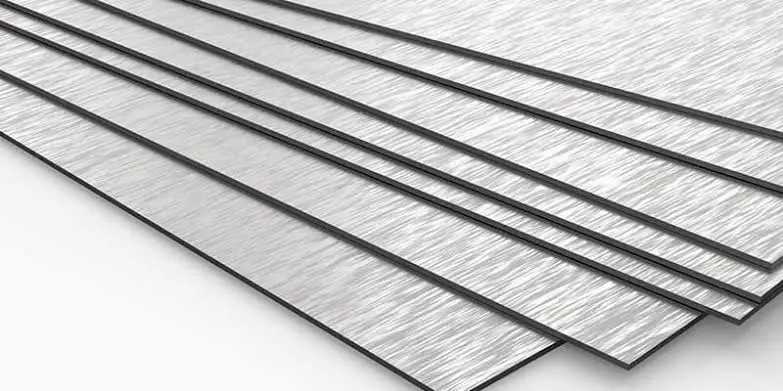
Sheet metal fabrication is the process of cutting, bending, and assembling flat metal sheets into finished parts or structures.
Typically, sheet metal refers to materials with thicknesses up to about 0.25 inches (6 mm), although this can vary depending on application and equipment.
Common Materials Used
- Carbon Steel – Widely used for structural strength and cost efficiency
- Aluminum – Lightweight and corrosion-resistant, ideal for EVs and aerospace
- Stainless Steel – Preferred for medical, food-grade, and outdoor environments
- Copper & Brass – Used in electrical and decorative applications
What Processes Are Used in Sheet Metal Fabrication?
Modern fabrication in the U.S. relies heavily on CNC automation and fiber laser technology.
Core Processes
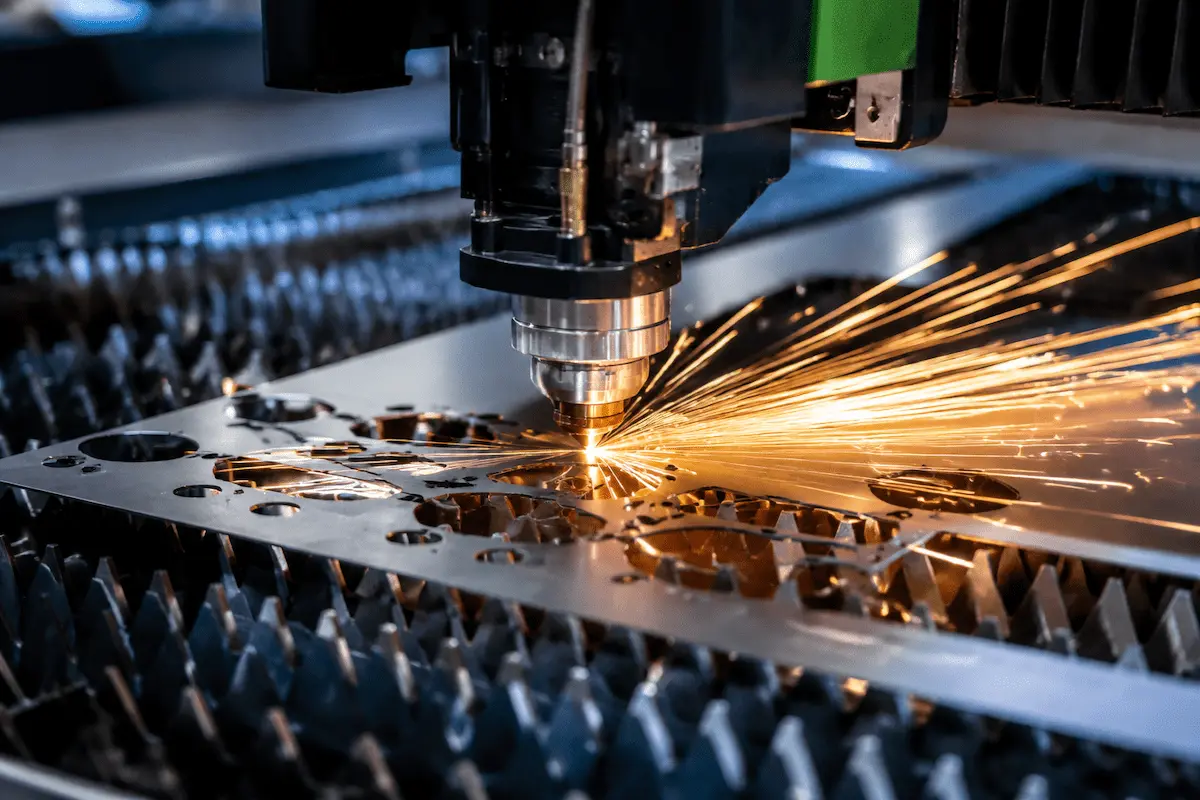
1. Laser Cutting
Fiber laser cutting has become the dominant method due to its:
- High precision
- Fast cutting speeds
- Low maintenance compared to CO₂ systems
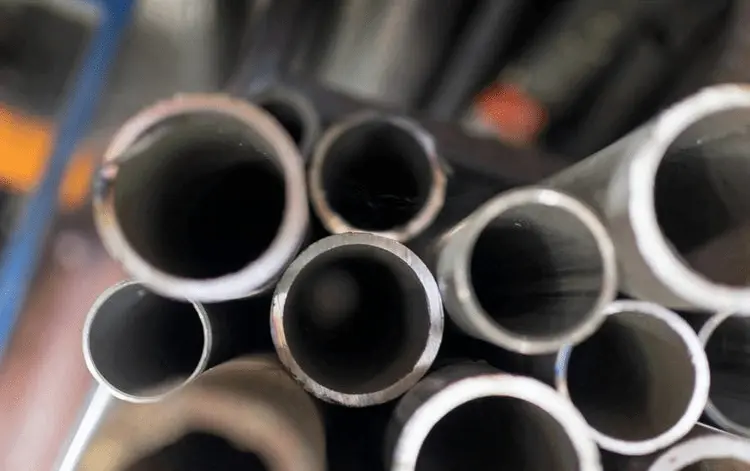
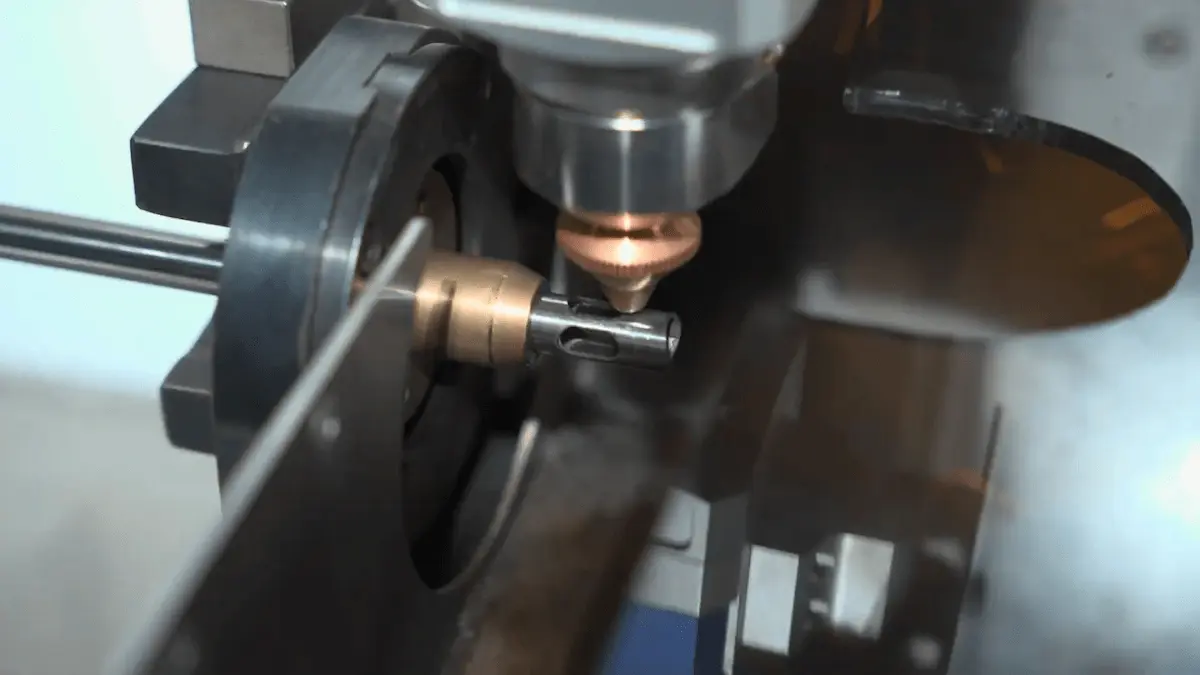
It is also widely used in advanced systems like a tube laser cutting machine, which allows precise cutting of round, square, and irregular tubes for structural applications.

2. CNC Punching
Best suited for:
- High-volume hole patterns
- Standardized parts

3. Bending (Press Brake)
CNC press brakes ensure:
- Consistent angles
- Tight tolerances
- Repeatable production

4. Welding
Includes:
- MIG welding (structural)
- TIG welding (precision)
- Robotic welding (high-volume automation)

5. Surface Finishing
Common finishing options:
- Powder coating
- Brushing
- Pickling (HRPO)
- Anodizing (for aluminum)

How Does Sheet Metal Fabrication Work? (Step-by-Step)
Understanding the workflow helps buyers evaluate suppliers more effectively.
1. Design & Engineering
CAD models are created and optimized using DFM (Design for Manufacturability) principles.
2. Prototyping
Rapid prototyping allows validation before mass production.
3. Production
Depending on volume:
- Low volume → laser + bending (flexible)
- High volume → stamping (cost-efficient)
4. Quality Inspection
Most U.S. suppliers follow standards like:
- ISO 9001
- AS9100 (aerospace)
How Much Does Sheet Metal Fabrication Cost in the USA?
Fabrication costs in the U.S. are generally higher than overseas, mainly due to labor and compliance requirements.
Key Cost Factors
- Material type & thickness
- Part complexity
- Order volume
- Tolerance requirements
- Surface finishing
Typical Cost Insight
- Labor costs in the U.S. manufacturing sector are significantly higher than global averages
- Automation (laser cutting, robotics) helps reduce cost per part
- Small batch production tends to be relatively expensive
This is why many buyers explore hybrid sourcing strategies combining domestic and overseas production.
Is Sheet Metal Fabrication Expensive in the USA?
Short answer: Yes—but it depends on your priorities.
When U.S. fabrication makes sense:
- Fast turnaround is critical
- Strict compliance is required (e.g., aerospace, defense)
- You need close communication with engineers
When it may not:
- Large-volume production
- Cost-sensitive projects
USA vs. Overseas Fabrication: Which Is Better?
| Factor | USA | Overseas (e.g., China) |
|---|---|---|
| Cost | Higher | Lower |
| Lead Time | Faster domestically | Longer (shipping required) |
| Flexibility | Moderate | High |
| MOQ | Often higher | More flexible |
| Compliance | Strong | Varies by supplier |
Many companies today use a dual-sourcing strategy:
- U.S. → prototypes & urgent orders
- Overseas → mass production
What Industries Use Sheet Metal Fabrication in the USA?
Sheet metal fabrication supports a wide range of industries:
- Aerospace & Defense – High precision, strict standards
- Automotive & EV – Lightweight structures, battery enclosures
- Data Centers – Server racks and cooling enclosures
- HVAC Systems – Ducting and ventilation components
- Industrial Machinery – Frames, housings, and structural parts
Advanced equipment such as tube laser cutting machine systems is increasingly used in industries requiring complex tubular structures.
How to Choose a Sheet Metal Fabrication Supplier
Choosing the right supplier is critical for both quality and cost control.
Key Factors to Evaluate
1. Certifications
- ISO 9001 (general manufacturing)
- AS9100 (aerospace)
- ITAR (defense-related projects)
2. Equipment Capability
Look for:
- Fiber laser cutting
- CNC bending systems
- Automation & robotics
Suppliers with advanced equipment (including tube laser cutting machine capabilities) can handle more complex geometries and reduce production time.
3. Engineering Support
- DFM feedback
- Prototype optimization
- Material selection guidance
4. Lead Time & Capacity
- Can they scale production?
- Do they handle urgent orders?
Can You Outsource Sheet Metal Fabrication to China?
Yes—and it is a common strategy among U.S. buyers.
Advantages
- Lower production costs
- Large-scale manufacturing capacity
- Flexible MOQ
Challenges
- Shipping time (typically 3–6 weeks)
- Communication gaps
- Quality consistency (depends on supplier)
The key is working with experienced manufacturers that offer:
- Engineering support
- Stable quality control
- Full-process services (cutting, bending, welding, assembly)
Conclusion
Sheet metal fabrication in the USA offers speed, reliability, and compliance, but often at a higher cost. For many buyers, the optimal approach is not choosing one over the other—but balancing domestic and global sourcing.
Understanding processes, cost drivers, and supplier capabilities—especially advanced technologies like tube laser cutting machine systems—will help you make smarter procurement decisions in 2026 and beyond.