Sheet Metal Laser Cutting Machines
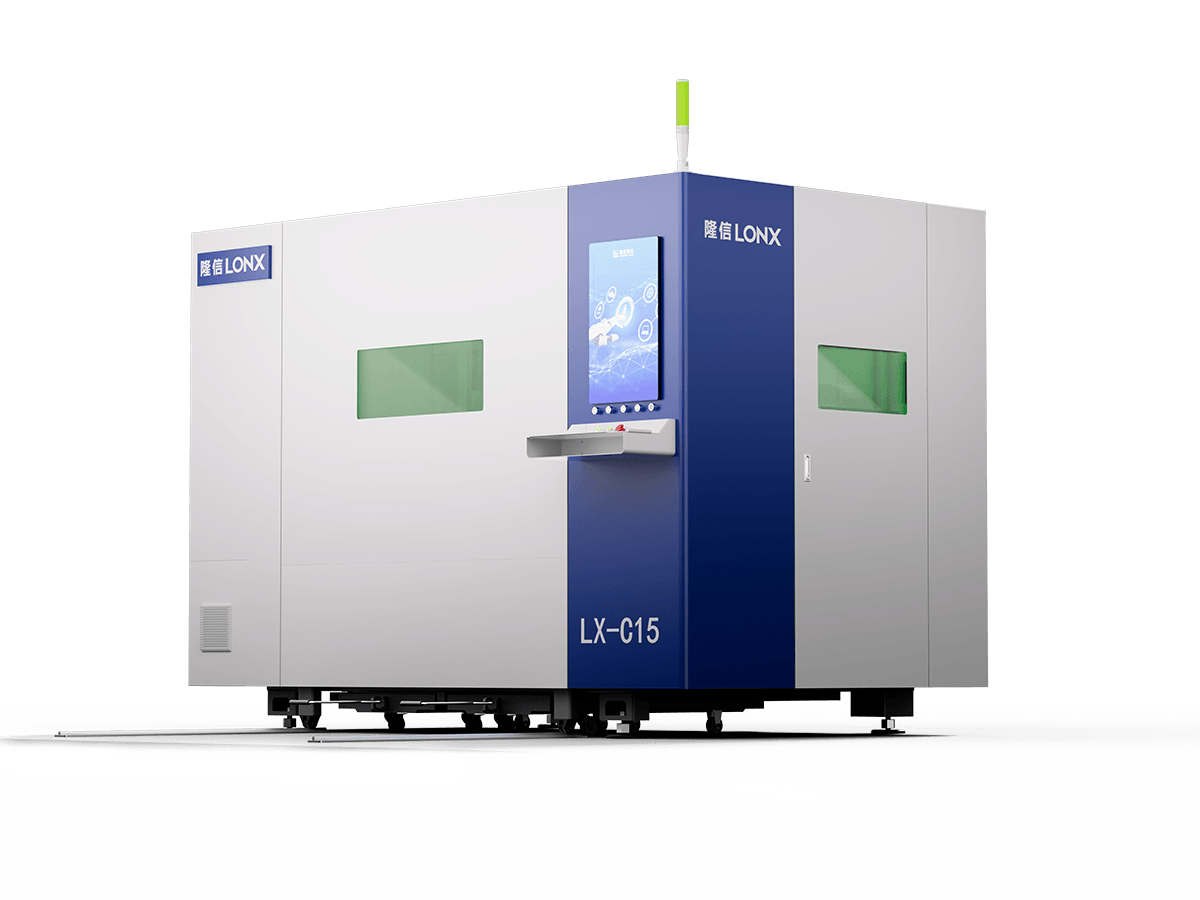
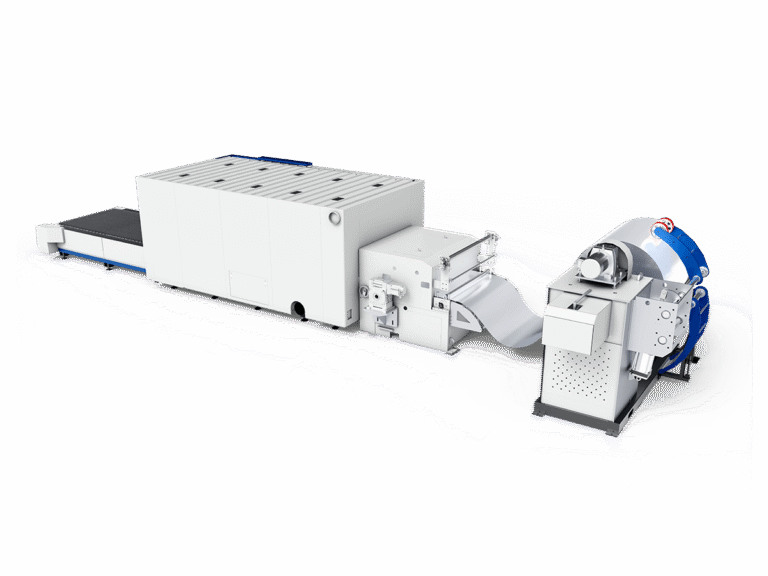
Our industrial-grade fiber sheet metal laser systems are engineered for high-precision cutting in manufacturing and metal fabrication. They help you maximize production throughput, minimize material waste and operating costs, with reliable worldwide after-sales support.
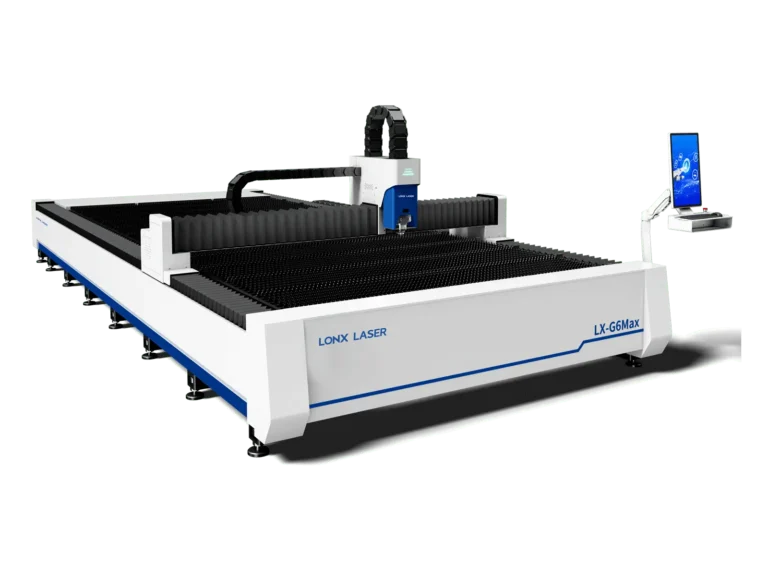
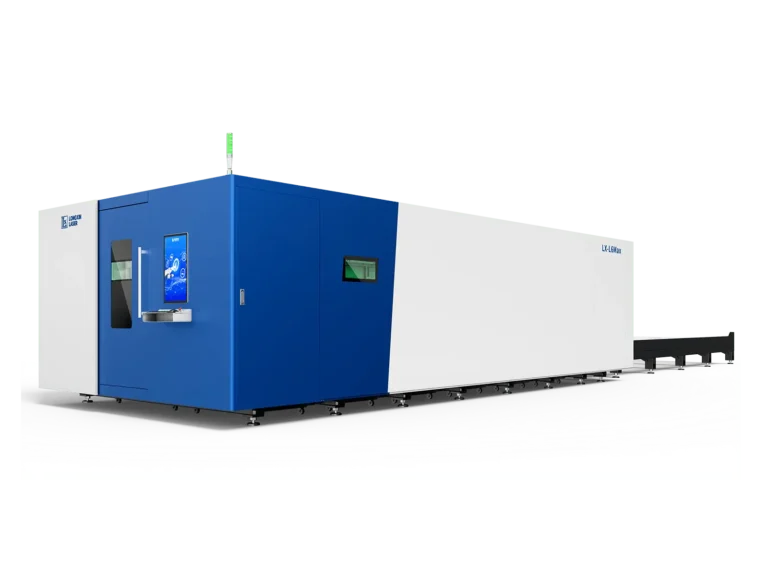
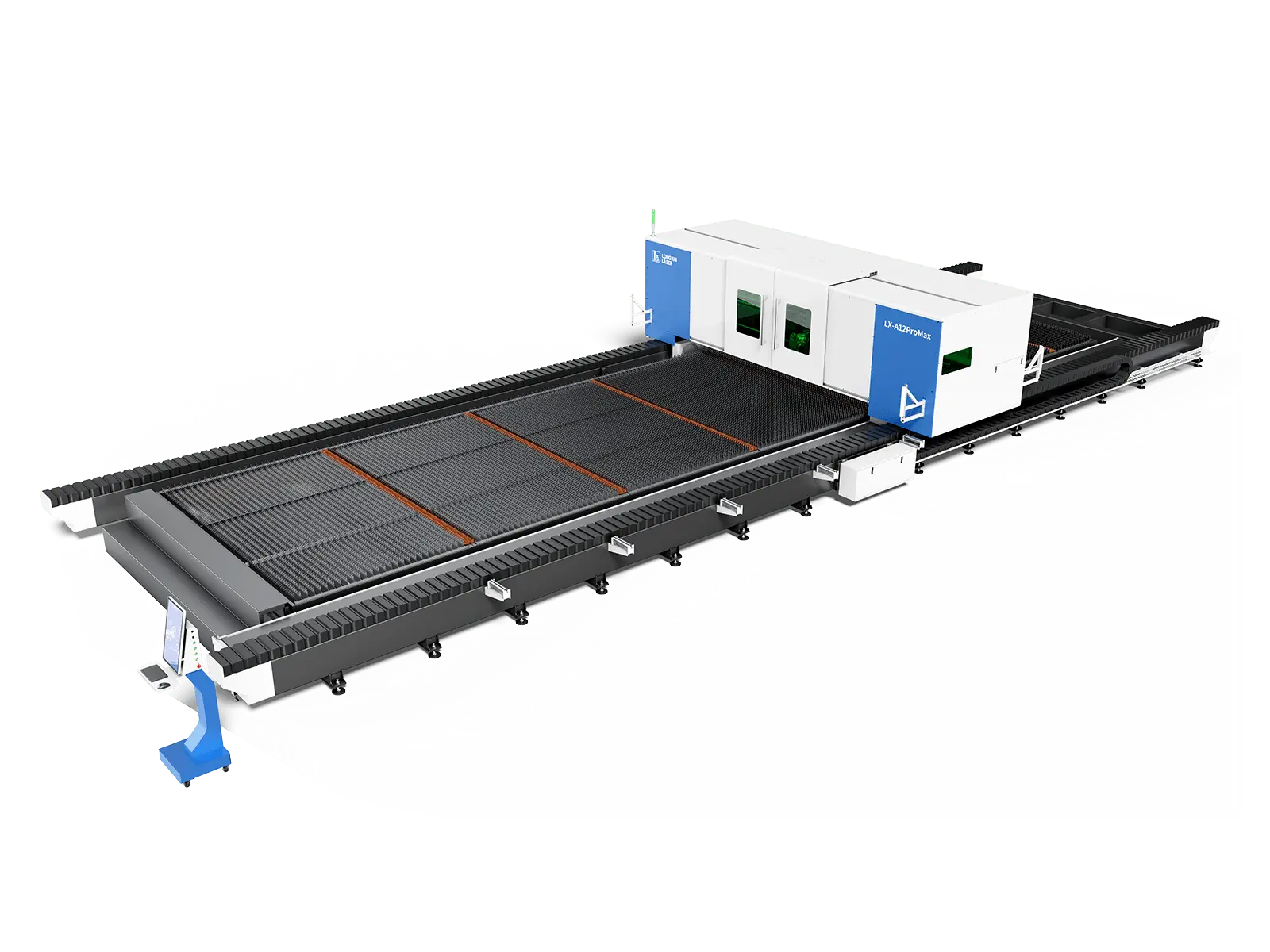

Sheet Metal Laser Cutting Thickness Chart
Laser cutting thickness depends on laser power, material, assist gas and cutting conditions. The chart below provides a quick reference for common metal materials.
← Swipe to explore →
| Laser Power | Carbon Steel | Stainless Steel | Aluminum | Brass | Copper |
|---|---|---|---|---|---|
| 1.5 kW | Up to 16 mm | Up to 5 mm | Up to 3 mm | Up to 1 mm | — |
| 2 kW | Up to 16 mm | Up to 8 mm | Up to 5 mm | Up to 3 mm | — |
| 3 kW | Up to 20 mm | Up to 16 mm | Up to 8 mm | Up to 6 mm | — |
| 6 kW | Up to 30 mm | Up to 30 mm | Up to 30 mm | Up to 12 mm | Up to 6 mm |
| 12 kW | Up to 40 mm | Up to 30 mm | Up to 60 mm | Up to 20 mm | Up to 10 mm |
| 20 kW | Up to 70 mm | Up to 70 mm | Up to 60 mm | Up to 20 mm | Up to 12 mm |
| 30 kW | Up to 80 mm | Up to 100 mm | Up to 60 mm | Up to 20 mm | Up to 14 mm |
| 40 kW | Up to 100 mm | Up to 150 mm | Up to 100 mm | Up to 30 mm | Up to 20 mm |
| 60 kW | Up to 200 mm | Up to 150 mm | — | — | — |
*Thickness values are reference figures and may vary depending on material grade, assist gas, focus position, cutting speed and machine configuration.
Reliable Quality Backed By International Certifications
LONX Laser provides fiber laser cutting machines and intelligent cutting solutions designed to meet rigorous international quality and safety standards. With certifications including ISO 9001, CE, FDA and other applicable market access requirements, our machines are built for reliable performance, consistent quality and long-term industrial use. Our solutions serve customers across Europe, North America, Southeast Asia, the Middle East and more than 50 countries worldwide.



Request a quote
Tell us what you need, and we'll help you select the right laser cutting equipment for your application, budget, and production goals.
- Response within 1 business day
- Professional machine recommendation
- Customized solution & quotation
- No commitment required