إجابة سريعة
نعم — يمكن قطع الزجاج بالليزر، لكن النجاح يعتمد على نوع الزجاج، والليزر (ليزر نابض فائق السرعة — بيكو ثانية أو فيمتو ثانية — أو ليزر نابض بطول موجي قصير)، والتثبيت، وغالبًا طرق مساعدة (مثل القطع بمساعدة الماء أو التشقق الميكانيكي). أجهزة ثاني أكسيد الكربون المكتبية أو الليزر المستمر محدودة عمومًا بالنقش والحفر، وليس القطع الهيكلي عالي الجودة.
أي أنواع الليزر يمكنها قطع الزجاج — ولماذا
- الليزر النابض فائق السرعة (بيكو ثانية / فيمتو ثانية): المعيار الصناعي لفصل الزجاج عالي الجودة. تخلق النبضات القصيرة للغاية طاقة ذروة عالية تدفع الامتصاص غير الخطي والضرر الدقيق الموضعي (فراغات دقيقة أو مناطق معدلة) مع حد أدنى من المنطقة المتأثرة بالحرارة (HAZ). وهذا يتيح فصلًا دقيقًا بخشونة حواف منخفضة وقوة ميكانيكية محفوظة.
- الليزر النابض بطول موجي قصير (الأشعة فوق البنفسجية / الخضراء): أطوال موجية مثل 355 نانومتر أو 532 نانومتر تزيد الامتصاص في العديد من أنواع الزجاج. تُستخدم عادةً للقطع الدقيق للصفائح الرقيقة، والثقوب عالية الدقة، والثقوب الزخرفية النافذة حيث يتطلب استئصالًا متحكمًا فيه.
- ليزر ثاني أكسيد الكربون / الليزر المستمر: مفيد للنقش والحفر والإزالة الزخرفية للمواد على أسطح الزجاج، لكنه خيار سيئ للقطع الهيكلي بسبب الإجهاد الحراري الكبير، والتشقق الدقيق، والذوبان/المخلفات.
ما الآلات التي يجب استخدامها (أنواع الآلات)
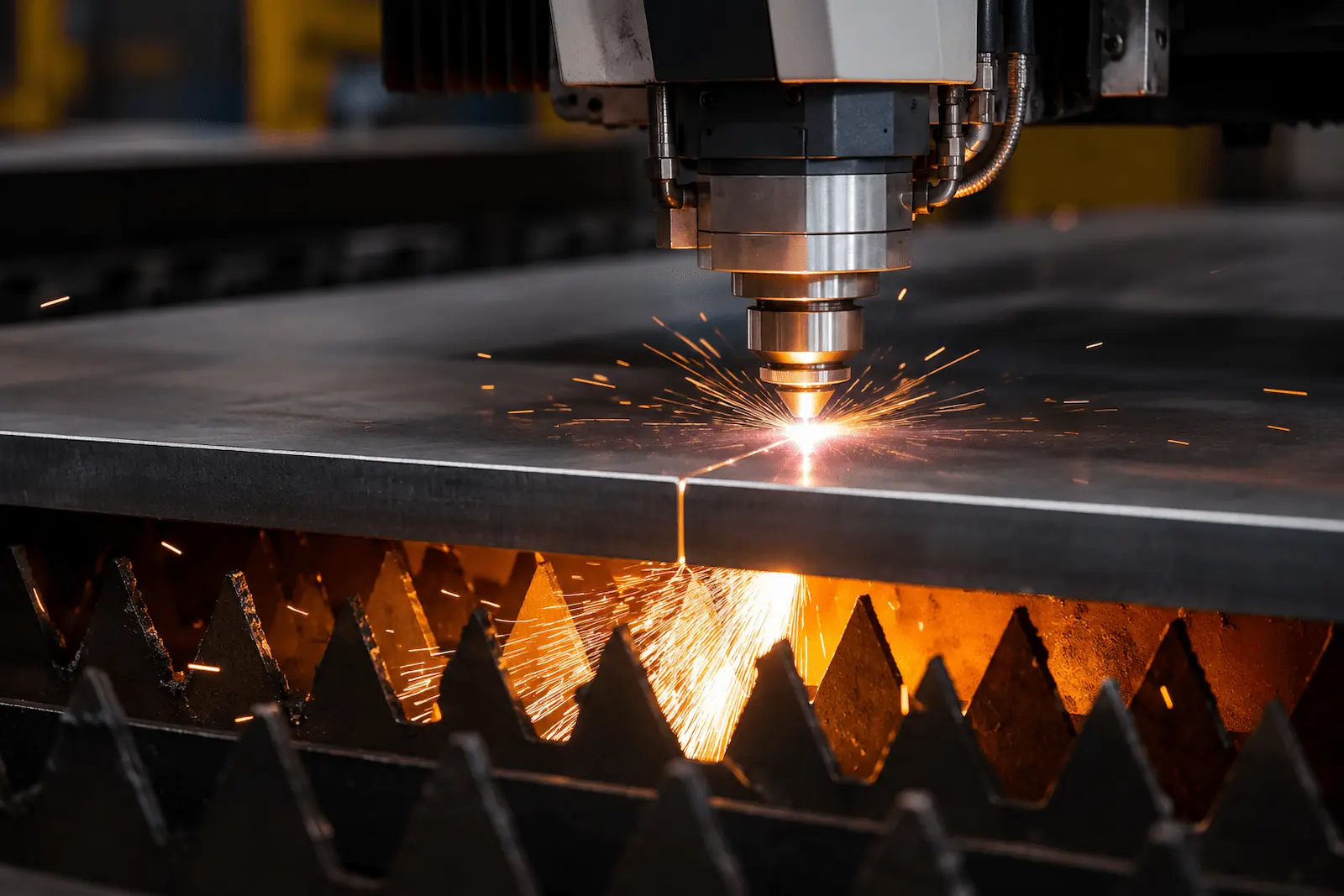
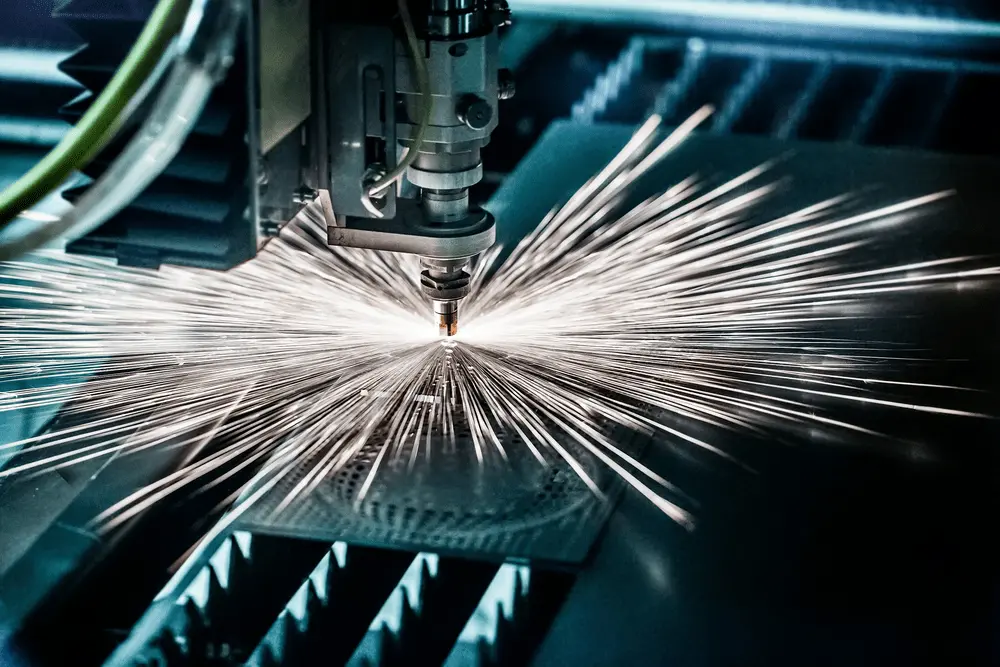
- منصات الليزر النابض فائق السرعة الصناعية (بيكو ثانية / فيمتو ثانية) مع بصريات عالية الاستقرار، ومضخمات طاقة، ومراحل حركة دقيقة أو ماسحات جلفانومترية.
- أنظمة المعالجة الدقيقة بالأشعة فوق البنفسجية / الطول الموجي القصير (355 نانومتر نابض) مع بقع بؤرية صغيرة وتحكم متعدد التمريرات لأعمال الزجاج الرقيق.
- منصات الليزر بمساعدة الماء أو السوائل التي تجمع بين بصريات الليزر وطبقة سائلة رقيقة أو خزان غمر لتقليل الإجهاد الحراري وتحسين جودة القطع.
ملاحظة: هذه أنظمة من الدرجة الصناعية — وليست قواطع مكتبية للهواة. للإنتاج بجودة عالية، وقوة حواف متكررة، وإنتاجية، استخدم شريكًا أو موردًا صناعيًا.
أي أنواع الزجاج يمكن قطعها بالليزر
| نوع الزجاج | هل يمكن قطعه بالليزر؟ | الملاحظات |
|---|---|---|
| زجاج الصودا والجير (زجاج النوافذ الشائع) | نعم | رقيق إلى متوسط السماكة، عادةً مع الأشعة فوق البنفسجية أو بيكو ثانية/فيمتو ثانية اعتمادًا على متطلبات التشطيب. |
| البوروسيليكات | نعم | أكثر استقرارًا حراريًا؛ مناسب للأواني المخبرية وبعض الأجزاء الدقيقة باستخدام بيكو ثانية/فيمتو ثانية أو طرق بمساعدة الماء. |
| ألومينوسيليكات (مثل بعض الزجاج المقوى) | نعم (مع عمليات محددة) | يمكن قطع زجاج العرض/الغطاء (مثل الزجاج المقوى كيميائيًا) بالليزر فائق السرعة مع استراتيجيات الثقب الدقيق. |
| السيليكا المنصهرة / الكوارتز | نعم | زجاج بصري عالي النقاء يُعالج عادةً بأنظمة فائقة السرعة أو فوق بنفسجية. |
| الزجاج المقسى (المقوى حراريًا) | لا (غير موصى به عمليًا) | ستسبب الضغوط المتبقية الداخلية كسرًا كارثيًا إذا تم تعديله موضعيًا. الممارسة القياسية: القطع قبل التقسية. |
| الزجاج المطلي أو الملون | مشروط | تغير الطلاءات الامتصاص وقد تتطلب التحقق من العملية. |
ما مدى سماكة الزجاج الذي يمكن قطعه بالليزر؟
- يتم إثبات القطع عالي الجودة بشكل شائع في نطاق ~0.1–1.0 مم (الركائز الرقيقة وزجاج العرض). تركز العديد من التقارير المخبرية والصناعية على 0.1–0.6 مم لأفضل تشطيب للحواف.
- مع الإعدادات المتخصصة (الثقب الدقيق + الفصل الميكانيكي أو استراتيجيات شعاع بيسل) يمكن لبعض الأنظمة الصناعية معالجة 1–3 مم مع الحفاظ على جودة حواف مقبولة، لكن هذا يعتمد بشدة على نوع الزجاج والتثبيت وبيئة المعالجة.
المزايا والقيود
المزايا
- عدم التلامس: لا تآكل للأدوات وإجهاد ميكانيكي ضئيل.
- حرية هندسية عالية: ثقوب داخلية، وخطوط معقدة، وميزات دقيقة بدون أدوات.
- يمكن لليزر فائق السرعة إنتاج حواف منخفضة التأثير الحراري مناسبة للتطبيقات عالية القوة.
القيود
- تكاليف رأس المال والتشغيل مرتفعة لأنظمة الليزر فائق السرعة.
- يمكن أن يكون الإنتاجية للأجزاء السميكة أقل مقارنةً بالنفث المائي أو النشر الميكانيكي للاحتياجات منخفضة التكلفة وعالية الحجم.
- لا يمكن معالجة الزجاج المقسى بأمان بعد التقسية.
كيفية قطع الزجاج بالليزر — خطوات عملية
- تحديد المادة: تأكد من التركيب الكيميائي للزجاج، والسماكة، وما إذا كان مقسى، ووجود الطلاءات.
- اختر الليزر والبصريات: للقطع الهيكلي على الزجاج المقوى، أعطِ الأولوية لأنظمة ps/fs؛ أما للأعمال الرقيقة أو الزخرفية، فقد تكفي ليزرات النبضات UV/الخضراء.
- التثبيت والدعم: استخدم دعمًا موحدًا (طاولات تفريغ أو دعامات ناعمة) لتجنب إجهادات نقطة التحميل. قلل من الإجهاد الناتج عن التثبيت.
- الوسائط المساعدة: فكّر في استخدام طبقة مائية، أو الغمر، أو تدفقات الغاز للتحكم في الحطام والإجهاد الحراري لتحسين جودة الحافة.
- استراتيجية المعالجة: شائعًا: ثقب دقيق (تعديل داخلي) ← فصل ميكانيكي متحكم به (تشقيق) أو إزالة سطحية متعددة المسارات حسب التطبيق.
- الفحص بعد المعالجة: قياس خشونة الحافة، فحص الشقوق (مثل اختبار الصبغة المخترقة أو الفحص البصري)، واختبارات القوة الميكانيكية (مثل اختبارات الانحناء/قوة الحافة).
مقارنة الطرق (جدول موجز)
| الطريقة | الليزر النموذجي | الآلية | الاستخدامات النموذجية |
| الثقب الدقيق الداخلي (التشقيق الخفي) | ps / fs، حزم بيسل/الخيطية | إنشاء فراغات أو مستوى معدل تحت السطح؛ قوة خارجية تفصل الجزء | زجاج الشاشات، البصريات عالية الدقة |
| الإزالة السطحية / متعدد المسارات | UV / نبضات قصيرة | إزالة المواد طبقة بطبقة | أجزاء الصفائح الرقيقة، القطع الزخرفية |
| انتشار التشقق الحراري | نبضات عالية الطاقة + ميكانيكي | يحدث الليزر مسار شق يتم نشره بوسائل ميكانيكية | استخدام بحثي/صناعي محدود للألواح الأكثر سمكًا |
أمثلة واقعية ومراجع
- تصنيع زجاج الشاشات: تُستخدم الطرق القائمة على الليزر فائق السرعة لقطع الزجاج المقسى كيميائيًا (صناعة الشاشات). يقلل هذا النهج بشكل موثوق من تلف الحواف مقارنة بالطرق الحرارية.
- عروض بحثية: تُظهر الدراسات المخبرية أن التخيط بالفيمتوثانية والثقب الدقيق بـ ps يمكن أن يقطعا زجاج نوع Gorilla® والسيليكا المنصهرة بجودة حافة جيدة، غالبًا بالاشتراك مع تقنيات الغمر أو طبقة الماء.
- مقدمو الخدمات: يدرج بعض المصنّعين المتعاقدين ومنصات التسعير عبر الإنترنت قطع زجاج الليزر ضمن قدراتهم — وهو مفيد للنماذج الأولية والإنتاج منخفض الحجم حيث لا يكون شراء المعدات الصناعية مبررًا.
المراجع وقراءات إضافية
-
كورنينج — تقنيات قطع زجاج الليزر والتطبيقات الصناعية
-
Edgaras Markauskas وآخرون. — قطع زجاج فعال بمساعدة الماء باستخدام ليزر بيكو ثانية بطول موجة 355 نانومتر (مقال بحثي حول تأثيرات المساعدة بالماء)
-
MDPI (2023) — قطع زجاج Gorilla باستخدام تخيط ليزر الفيمتوثانية (بحث حول زجاج الشاشات بتقنية الفيمتوثانية)
-
Spectra-Physics (ورقة بيضاء تقنية) — تطبيقات UV 355 نانومتر والنبضات القصيرة في معالجة الزجاج العملي