المقدمة
في عالم التصنيع الحديث، هناك مصطلحات قليلة تبدو بسيطة بشكل خادع - ومع ذلك غنية بالسياق - مثل القطع الطائر. بالنسبة للعديد من ميكانيكيي CNC،, القطع الطائر يشير إلى تقنية تفريز سطحي كلاسيكية تستخدم قاطعًا أحادي النقطة لتحقيق أسطح مستوية تشبه المرآة على الأجزاء المعدنية. ولكن في مجال القطع بالليزر، يأخذ المصطلح نفسه معنى مختلفًا تمامًا: استراتيجية قطع متقدمة ومُحسَّنة المسار مصممة للسرعة والكفاءة.
ستبدأ هذه المقالة باستكشاف القاطع الطائر كشكل من أشكال التفريز السطحي, ، مع تسليط الضوء على تركيبه وتطبيقاته ومزاياه وقيوده. تظل هذه الطريقة أساسية في التشغيل التقليدي لإنهاء الأسطح المستوية الكبيرة بنعومة استثنائية.
لاحقًا، سنقدم تطبيقًا ثانيًا ناشئًا بسرعة: القطع الطائر في آلات القطع بالليزر. يُعرف أيضًا باسم القطع الطائر أو القطع المسحي, ، تُمكّن هذه الطريقة رأس الليزر من التحرك باستمرار عبر الأجزاء - خاصة الثقوب الدائرية أو المنقوشة - دون رفع أو توقف. من خلال تحسين المسار الذكي و والتحكم الدقيق بالليزر, ، تزيد هذه التقنية الحديثة بشكل كبير من كفاءة الإنتاج في صناعات مثل السيارات والإلكترونيات وتصنيع المعادن.
ما هو القاطع الطائر؟ أداة تفريز سطحي كلاسيكية
A القاطع الطائر هو أحد أبسط - وأكثر أنواع التفريز السطحي الأدوات تنوعًا المستخدمة في آلات التفريز العمودية. على عكس قاطع التفريز السطحي متعدد الرؤوس الذي يعتمد على عدة حواف قطع، يحمل القاطع الطائر لقمة أو اثنتين (في بعض الأحيان) من أدوات القطع أحادية النقطة مثبتة على عمود دوران دوار. أثناء دوران عمود الدوران، تمسح اللقمة عبر قطعة العمل في مسار دائري، لتزيل المادة مسحة واحدة في كل مرة لإنتاج سطح مستوٍ بشكل استثنائي.
1 تركيب القاطع الطائر
-
عمود الدوران/الحامل: عمود فولاذي قوي (عمود الدوران) يتناسب مع عمود دوران الآلة أو حامل الأداة.
-
لقمة الأداة: لقمة قطع أحادية النقطة - عادةً من الفولاذ عالي السرعة (HSS) أو أو الكربيد- مثبتة في عمود تثبيت الأداة أو كتلة تثبيت على عمود الدوران.
-
آلية الضبط: يسمح برغي أو مشبك إسفيني بتحديد موضع شعاعي دقيق للقمة، بحيث يمكنك ضبط أعماق قطع دقيقة وتعويض التآكل.

2 كيف يعمل
-
الإعداد: يجب أن يكون رأس آلة التفريز مُسوَّى (محاذيًا بشكل عمودي تمامًا على الطاولة) لضمان أن يكون القطع مستويًا بشكل موحد.
-
تمريرة القطع: عند سرعات عمود دوران منخفضة (غالبًا 100-500 دورة في الدقيقة، اعتمادًا على المادة واللقمة)، تلامس لقمة الأداة قطعة العمل وتقطع في مسحة دائرية.
-
حركة التغذية: تتحرك الطاولة ببطء في اتجاه التغذية (عادةً 5-20 مم/دقيقة)، بينما تزيل اللقمة الدوارة طبقة رقيقة من المادة.
-
الإنهاء: تحقق التمريرات المتعددة بأعماق ضحلة جدًا (0.05-0.2 مم) تشطيب شبيه بالمرآة.

3 قاطعة الطيران مقابل وجه الطحن متعدد الإدخالات
| الميزة | قاطعة الطيران | وجه الطحن متعدد الإدخالات |
|---|---|---|
| حواف القطع | 1 (أو 2) | 4–12 إدخالًا |
| تشطيب السطح | فائق النعومة (تشطيب مرآة) | جيد إلى جيد جدًا |
| سرعة المغزل / عزم الدوران | سرعة منخفضة، قدرة حصانية منخفضة | سرعة أعلى، قدرة حصانية أعلى |
| تكلفة الأدوات | منخفضة جدًا (إدخال واحد) | أعلى (إدخالات متعددة) |
| المرونة | سهل طحن أشكال مخصصة | محدود بهندسة الإدخالات المتاحة |
| معدل إزالة المواد | بطيء | أسرع للقطع الثقيلة |


لماذا استخدام قاطعة الطيران؟ المزايا والتطبيقات
1 المزايا الرئيسية
-
تشطيب سطحي استثنائي
-
بت القطع بنقطة واحدة يزيل شريحة رقيقة جدًا وموحدة، مما ينتج تسطحًا شبيهًا بالمرآة.
-
-
تكلفة أدوات منخفضة
-
مطلوب إدخال واحد فقط (أو اثنان)—بتات HSS أو كربيد غير مكلفة وسهلة إعادة الطحن.
-
-
قدرة مغزل مطلوبة ضئيلة
-
يعمل بسرعة منخفضة (100–500 دورة في الدقيقة) وعزم دوران معتدل، مما يجعله مثاليًا للآلات الأخف.
-
-
هندسة قطع قابلة للتخصيص
-
يمكنك طحن ملامح خاصة في بت الأداة (مقعرة، محدبة، ذيل حمامة) لمطابقة ملامح الجزء.
-
-
اهتزاز مخفض
-
تصميم العمود المتوازن والتغذيات البطيئة يساعدان في تقليل الاهتزاز مقارنة بالقواطع الثقيلة متعددة الإدخالات.
-
2 التطبيقات الشائعة
-
تسوية السطح بدقة
-
تسوية ألواح الدعم على أجهزة التوجيه CNC قبل النحت لضمان سطح عمل مسطح.
-
-
صناعة القوالب والاسطمبات
-
تشطيب ألواح القوالب الكبيرة أو كتل الاسطمبات حيث تكون الأسطح فائقة التسطيح حرجة.
-
-
تشغيل مكونات المحرك
-
تسوية رؤوس الأسطوانات، وكتل المحركات، وأغطية المحامل لتحقيق أسطح إحكام مناسبة.
-
-
الأعمال الخشبية كبيرة الحجم
-
في أجهزة التوجيه الخشبية CNC، يمكن لقواطع الطيران تنعيم أسطح الطاولات أو تشذيب الألواح الكبيرة بأقل إجهاد للآلة.
-
-
الملامح المتخصصة
-
إنتاج أنصاف أقطار طفيفة، أو شرائح، أو تجاويف مخصصة عن طريق طحن الإدخال إلى الشكل المطلوب.
-
قيود قطع الطيران
بينما يقدم قطع الطيران العديد من الفوائد، فإنه يأتي أيضًا مع عدة عيوب يمكن أن تحد من ملاءمته لمهام معينة:
-
✘ معدل إزالة مواد منخفض
-
مصمم لتمريرات التشطيب الدقيق؛ غير فعّال للتخشين أو إزالة الخامات الثقيلة.
-
-
✘ متطلبات إعداد صارمة
-
يجب أن يكون المغزل متوافقًا تمامًا مُسوَّى (محاذاة) مع الطاولة؛ أي انحراف يسبب استدقاقًا أو قطعًا غير متساوٍ.
-
-
✘ حساسية الاهتزاز
-
عدم التوازن الناتج عن حافة قطع واحدة يمكن أن يسبب اهتزازًا في الماكينات الأقل صلابة أو عند قطع مواد أصلب.
-
-
✘ محدودية عمق القطع
-
الأعماق المثلى ضحلة جدًا (0.05–0.2 مم لكل تمريرة)؛ الأعماق الأكبر تزيد من انحراف الأداة وأخطاء السطح.
-
-
✘ قيود معدل التغذية
-
معدلات التغذية النموذجية (5–20 مم/دقيقة) منخفضة مقارنةً بفارزات الوجوه متعددة الإدخالات، مما قد يبطئ زمن الدورة الكلي إذا كانت هناك حاجة لإزالة كميات كبيرة.
-
-
✘ تركيز تآكل الأداة
-
إدخال واحد أو إدخالان فقط يتحملان كل التآكل؛ بدون فهرسة متكررة أو إعادة شحذ، يتدهور تشطيب السطح بسرعة.
-
-
✘ غير مثالي للأشكال المعقدة
-
الأنسب للأسطح المسطحة أو المتموجة بلطف؛ الجيوب العميقة أو الزوايا الحادة أو الزوايا الضيقة تتطلب قواطع متخصصة.
-
فهم هذه القيود يساعد على ضمان تطبيق القطع الطائر حيث يحقق أقصى قيمة—أي التشطيب الدقيق للأسطح الكبيرة المسطحة—مع تجنب السيناريوهات التي تتطلب معدلات إزالة أعلى أو قطعًا عميقًا أو أشكالًا هندسية معقدة.
القطع الطائر في ماكينات القطع بالليزر: طريقة ثقب عالية السرعة
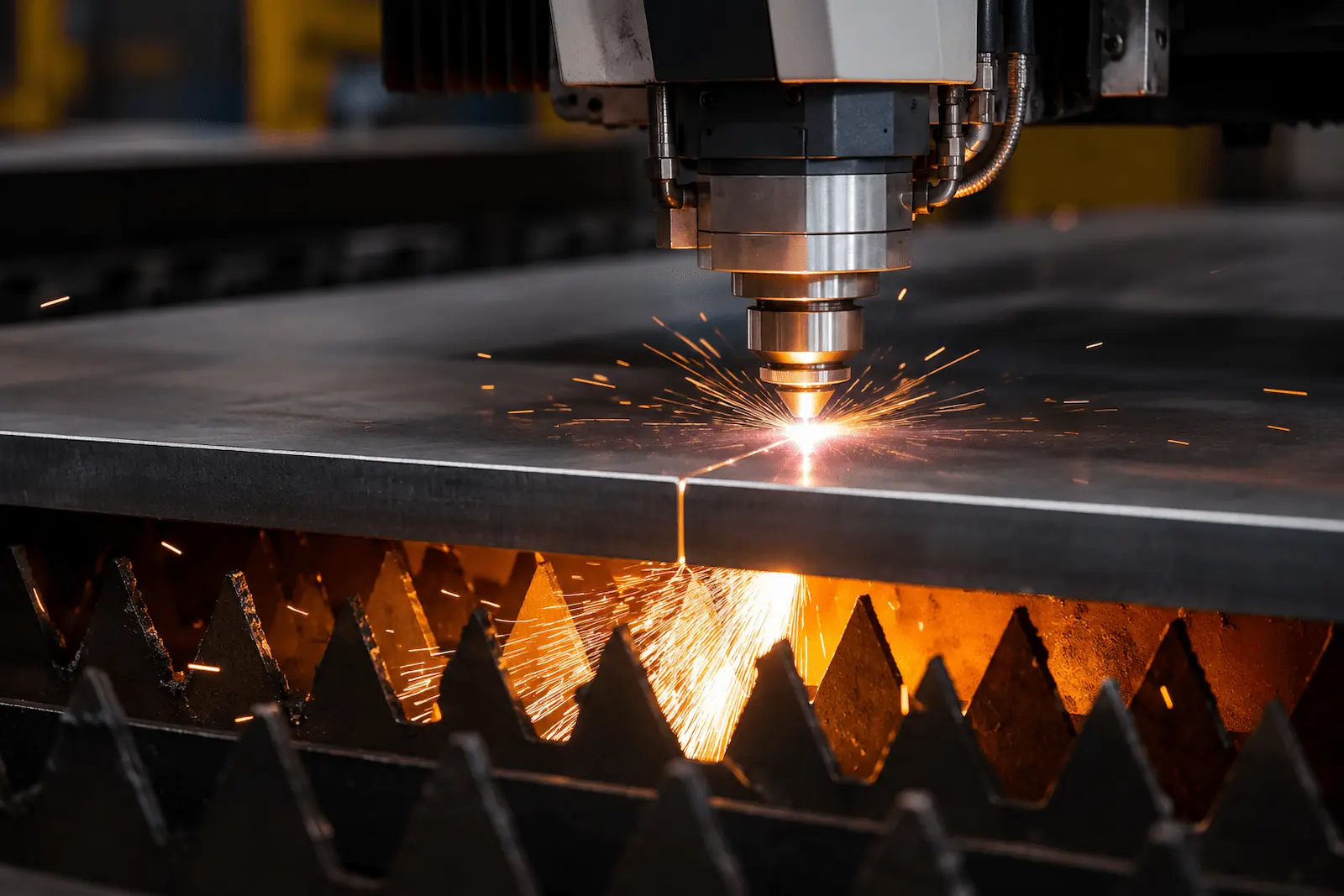
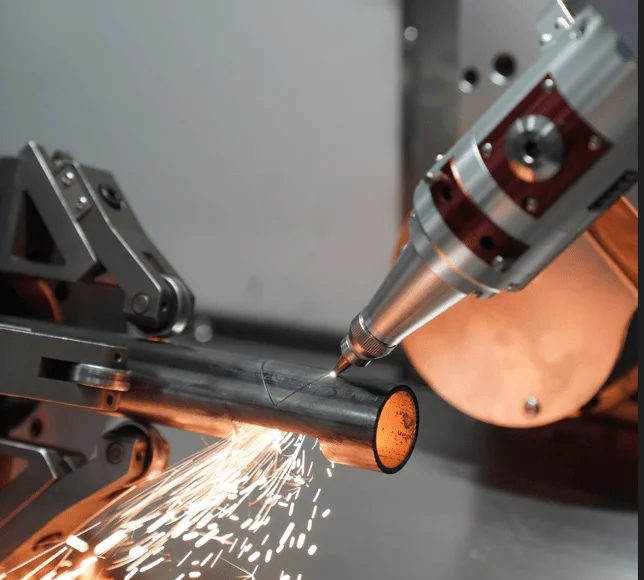
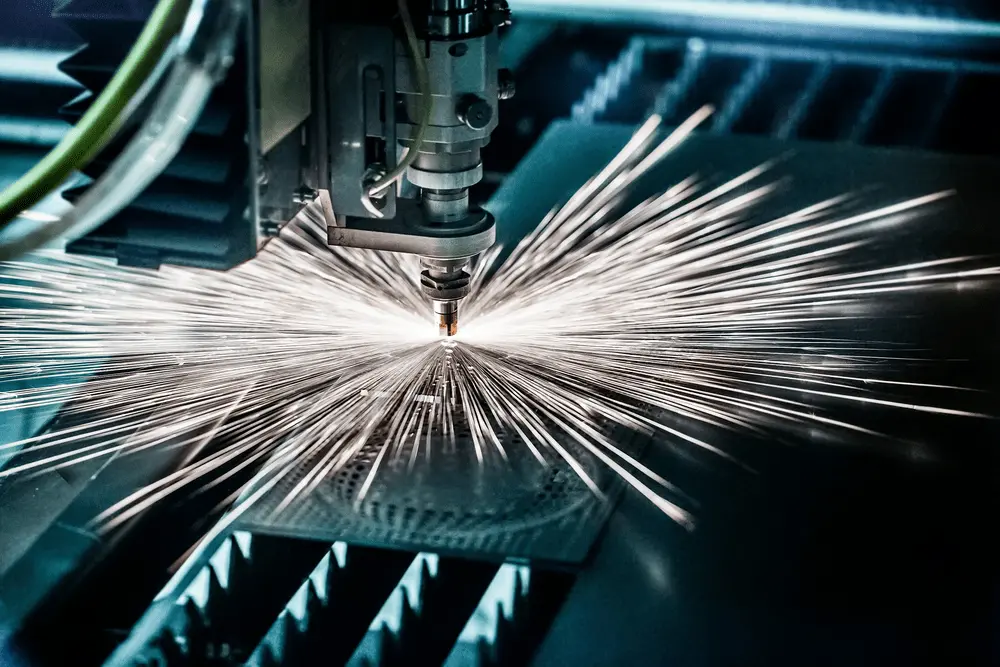
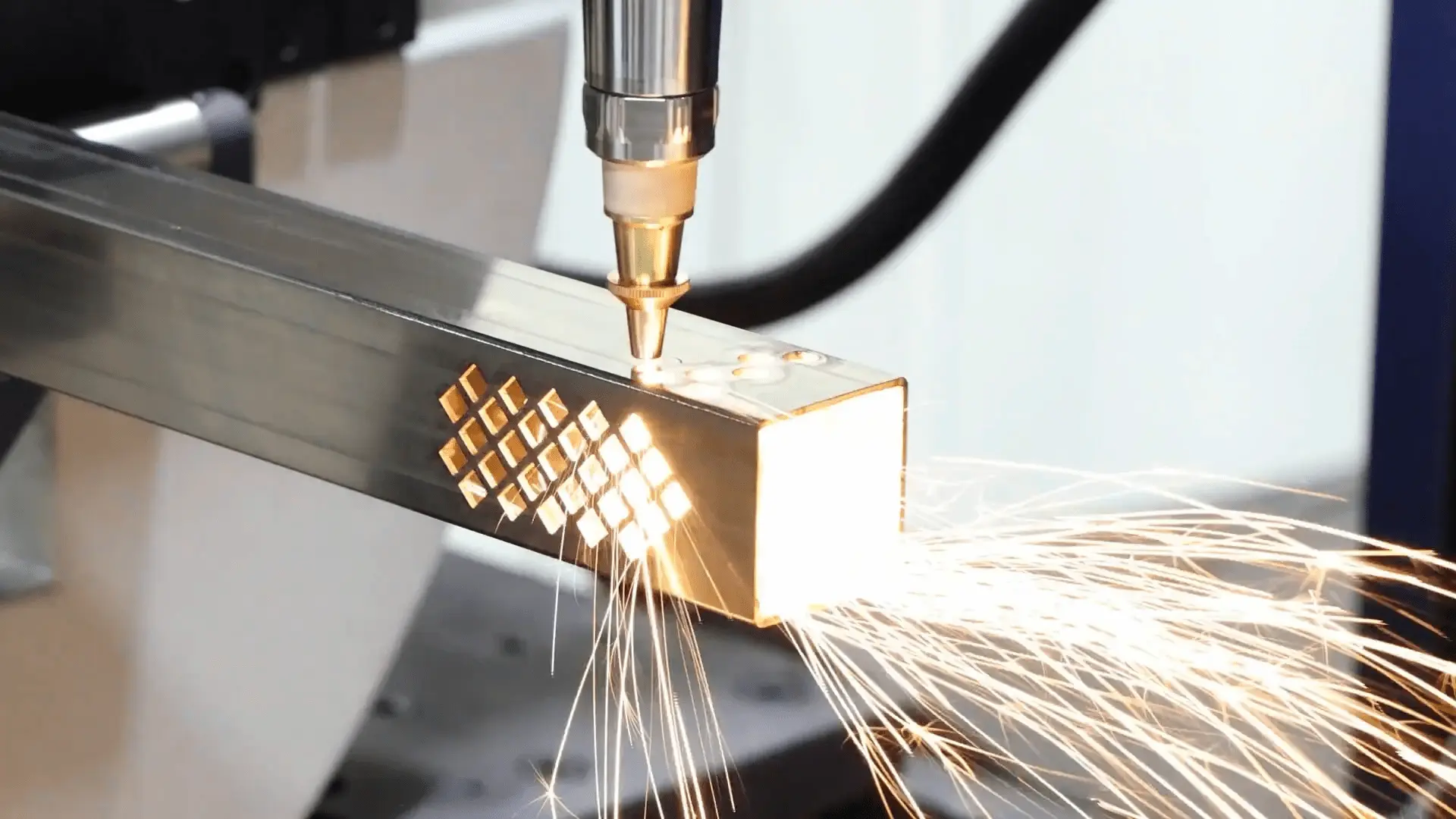
في سياق القطع بالليزر, القطع الطائر (يُسمى أيضًا القطع الطائر أو القطع المسحي) هو استراتيجية متخصصة لثقب وقطع ثقوب متعددة دائرية أو منتظمة دون رفع رأس الليزر بين كل قطع. من خلال الحفاظ على حركة مستمرة والتبديل الذكي للشعاع، تحقق هذه الطريقة مكاسب كفاءة هائلة على الأجزاء ذات أنماط الثقوب المتكررة.
إذا كنت ترغب في معرفة المزيد عن تقنية القطع الطائر في القطع بالليزر، يرجى الرجوع إلى هذه المقالة: “ما هي تقنية القطع الطائر في ماكينات القطع بالليزر؟”
ملخص: معنيان، مصطلح واحد
-
القاطع الطائر في الطحن
A أداة تشطيب الوجوه مع إدخال قطع واحد (أو اثنين) بنقطة واحدة مثبتة على عمود. تنتج أسطحًا فائقة الاستواء من خلال تمريرات بطيئة وضحلة وتتفوق في تطبيقات مثل تشطيب قوالب الألواح، وتسوية كتل المحركات، وتسوية ألواح الدعم. بساطتها وتكلفة أدواتها المنخفضة وهندستها القابلة للتخصيص تجعلها خيارًا خالدًا للتشطيب الدقيق—حتى وإن لم تكن مناسبة لإزالة المواد الثقيلة أو الأشكال المعقدة. -
القطع الطائر في أنظمة الليزر
يُعرف أيضًا باسم المسح أو القطع الطائر, تحافظ هذه الطريقة على حركة مستمرة لرأس الليزر, مع تشغيل/إيقاف الشعاع لثقب ثقوب أو أشكال متعددة مرتبة في أنماط منتظمة. من خلال الاستفادة من تحسين المسار, الانتقالات المماسيةو التحكم الدقيق في الشعاع, فإنها تقلل بشكل كبير من زمن الدورة, وتقلل التآكلو وتحسن كفاءة الطاقة—مثالية للثقوب عالية الحجم في صناعات السيارات والإلكترونيات وتشكيل المعادن.
فهم كلا التعريفين يسمح للمصنعين والمهندسين باختيار نهج “القطع الطائر” المناسب لاحتياجاتهم الخاصة—سواء كانوا بحاجة إلى حل طحن بنقطة واحدة لأسطح مرآة أو استراتيجية ليزر عالية السرعة لأنماط الثقوب المتكررة.