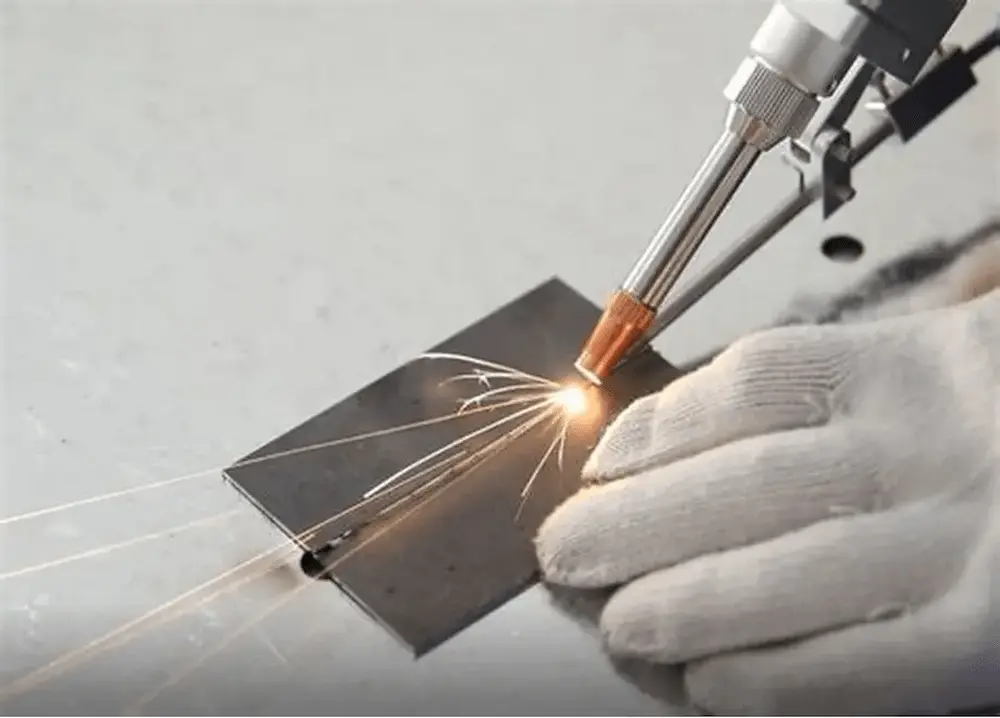
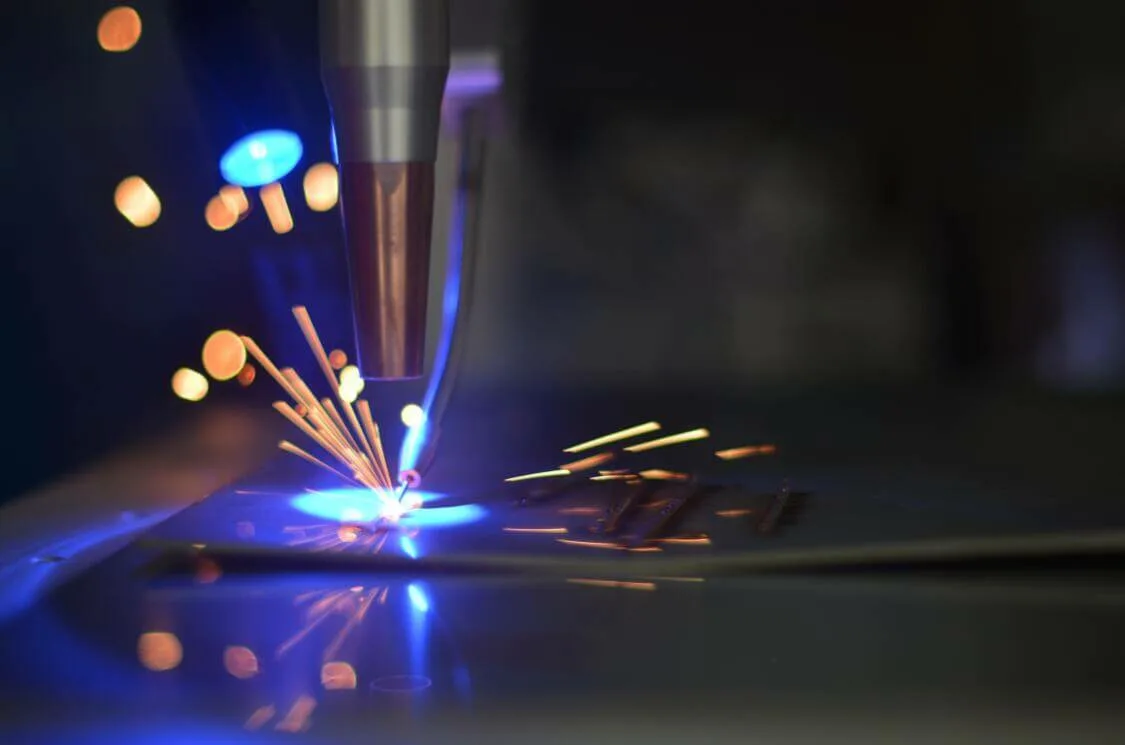
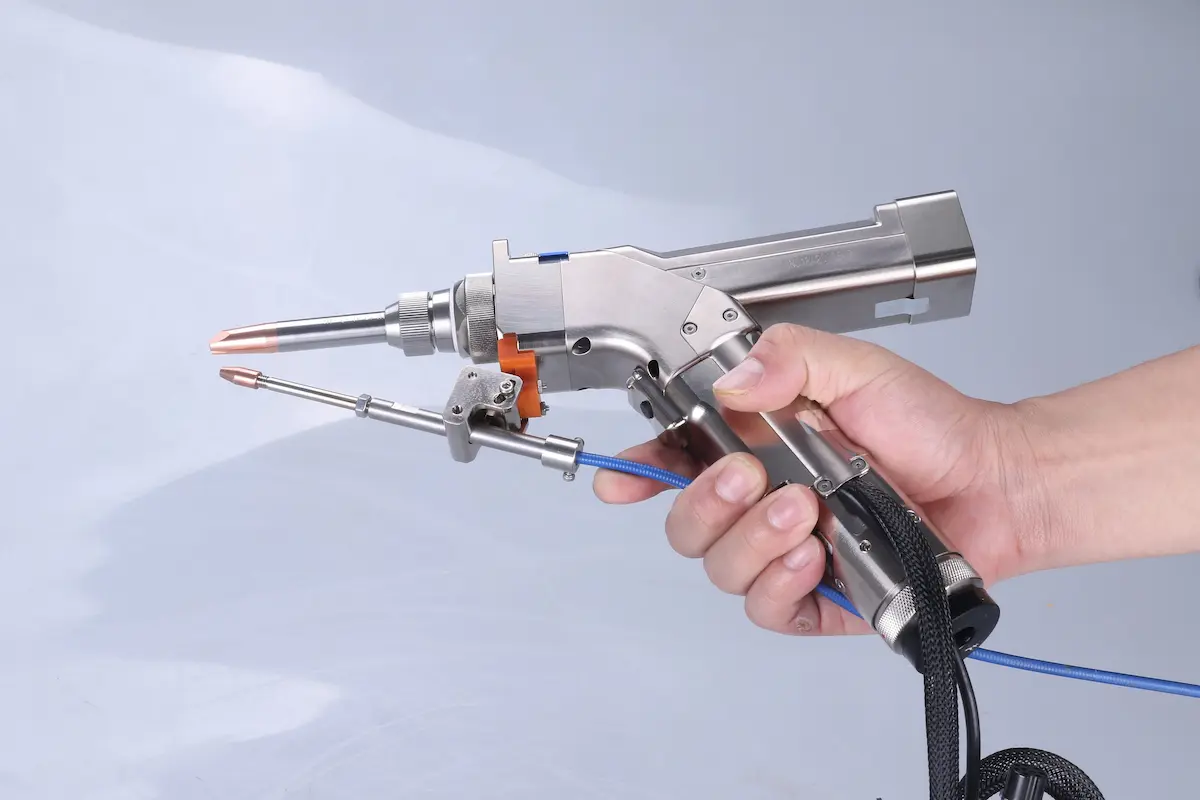
Robotic laser welding has become a cornerstone of advanced manufacturing, especially in industries that demand extreme accuracy, high production efficiency, and consistent quality. By combining the precision of laser technology with the flexibility of industrial robotics, manufacturers are able to achieve levels of control and repeatability that traditional welding methods cannot match.
Advantages of Robotic Laser Welding
The key advantage of robotic laser welding is the ability to maintain high precision and repeatability in complex welding tasks. Robots can follow programmed paths with micron-level accuracy, ensuring minimal variation between welds. This leads to stronger joints, reduced material distortion, and a lower rate of defects compared to manual or conventional welding.
Another benefit is the system’s ability to operate continuously with minimal downtime. Robots do not fatigue, making them ideal for high-volume production environments such as the automotive, aerospace, and electronics industries.
Precision Through Advanced Control
Laser welding robots are equipped with sophisticated motion control systems, sensors, and real-time monitoring tools. These allow for:
- Accurate positioning of the laser beam on small or intricate components
- Consistent control of penetration depth and heat input
- Adaptation to different materials and thicknesses
- When combined with adaptive control technologies, robotic laser welding can adjust parameters automatically to maintain quality even when workpiece conditions vary.
Repeatability in Industrial Applications
Repeatability is essential in large-scale manufacturing where thousands of identical welds are required. Robotic laser welding ensures that each weld is consistent in dimension, strength, and appearance. This reduces rework costs and increases overall production efficiency.
In industries such as automotive manufacturing, robotic systems can weld car body panels, battery components, and structural parts with minimal error rates. Aerospace companies also rely on robotic laser welding for producing lightweight yet durable structures with tight tolerances.
Future Outlook
As artificial intelligence and machine learning become more integrated into robotics, the capabilities of robotic laser welding will continue to expand. Future systems will likely feature greater autonomy, real-time defect detection, and predictive maintenance, further improving both precision and repeatability.
Conclusion
Robotic laser welding represents the future of high-precision, high-reliability joining processes in industrial manufacturing. By leveraging the synergy between robotics and laser technology, companies can achieve superior weld quality, minimize waste, and maintain consistent production standards at scale.