引言
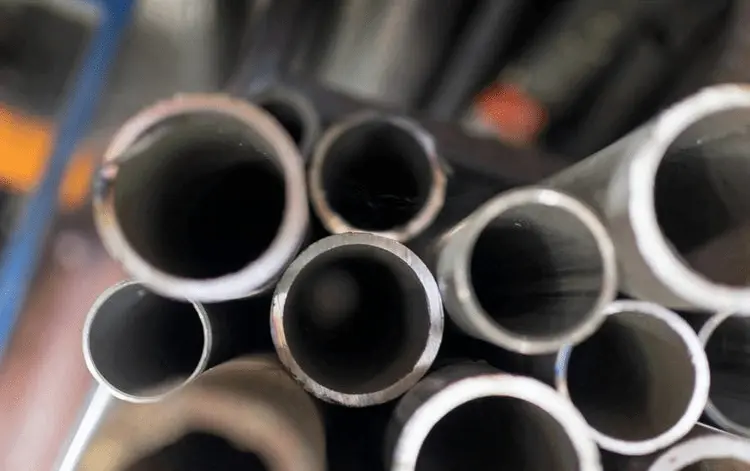
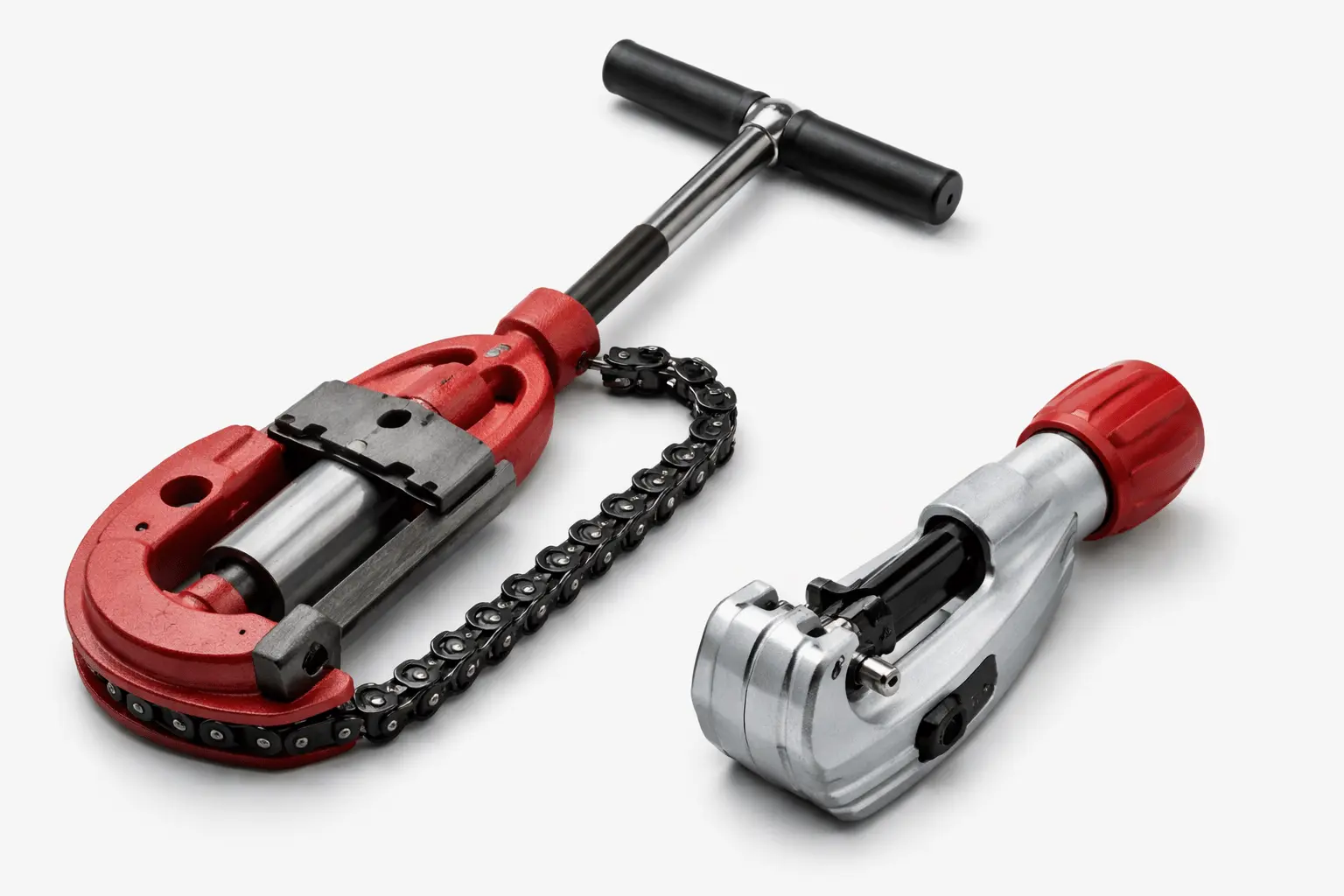
雷射切割已成為現代製造業的基石,為各種材料提供精確、快速且多樣化的加工方式。其中最常見的方法包括 管材雷射切割 以及 平板雷射切割, ,兩者在工業應用中各有不同的用途。管材雷射切割專精於以高精度加工管件、管材與型材,而平板雷射切割則擅長塑造金屬板材零件。.
本文探討這兩種技術之間的主要差異,協助您判斷哪一種最符合您的生產需求。無論您處理的是結構管材還是金屬平板,了解其優勢將引導您找到正確的解決方案。.
什麼是管材雷射切割?
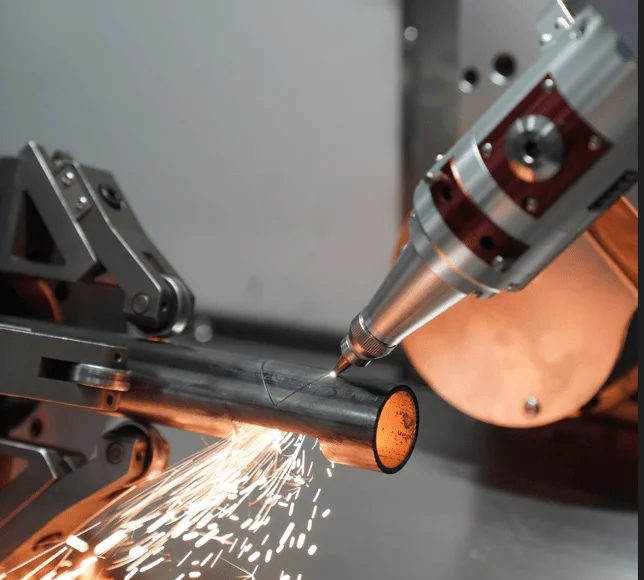
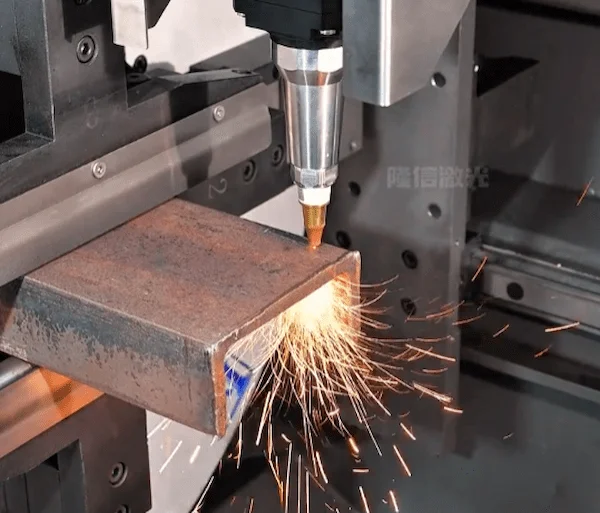
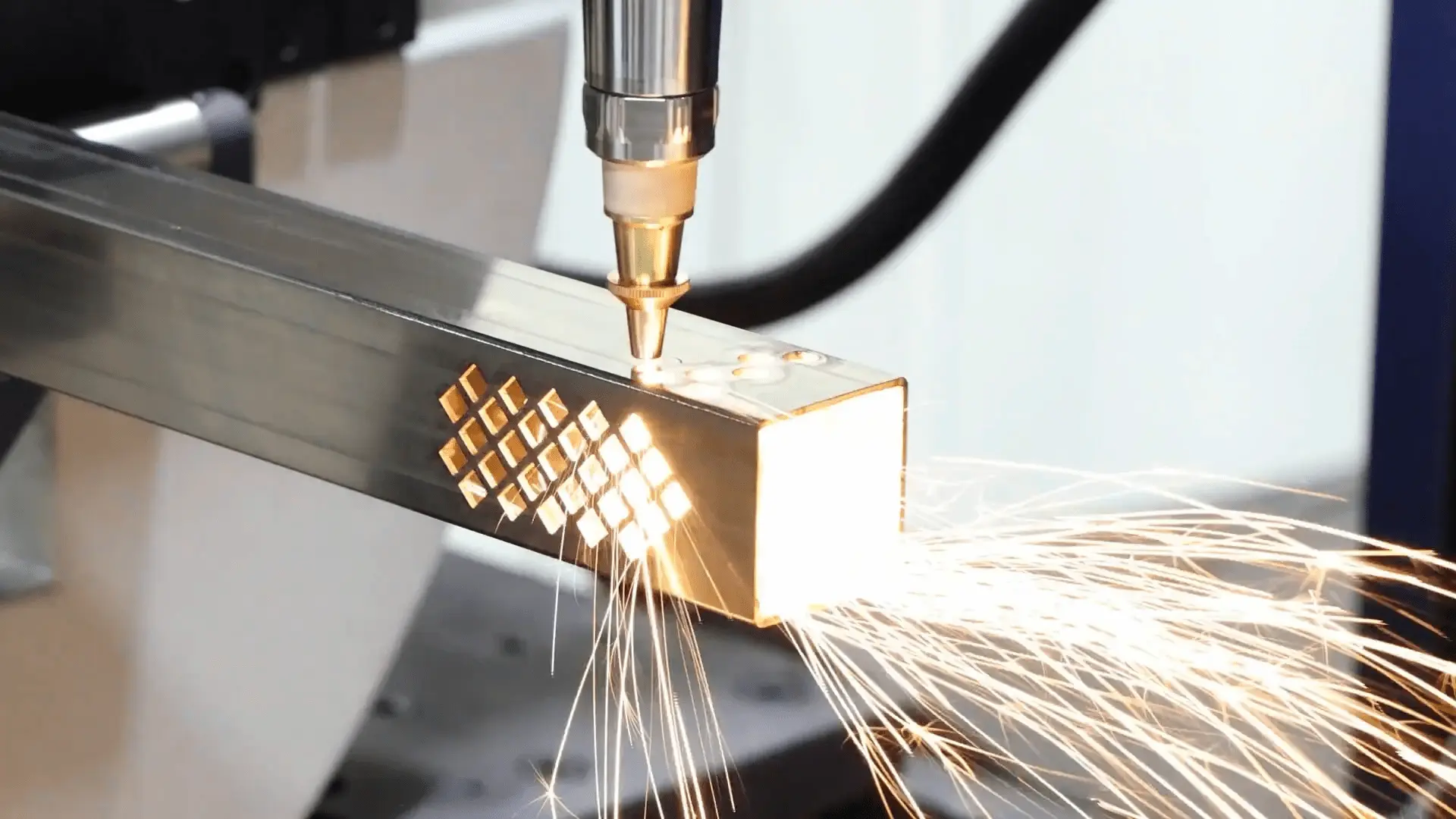
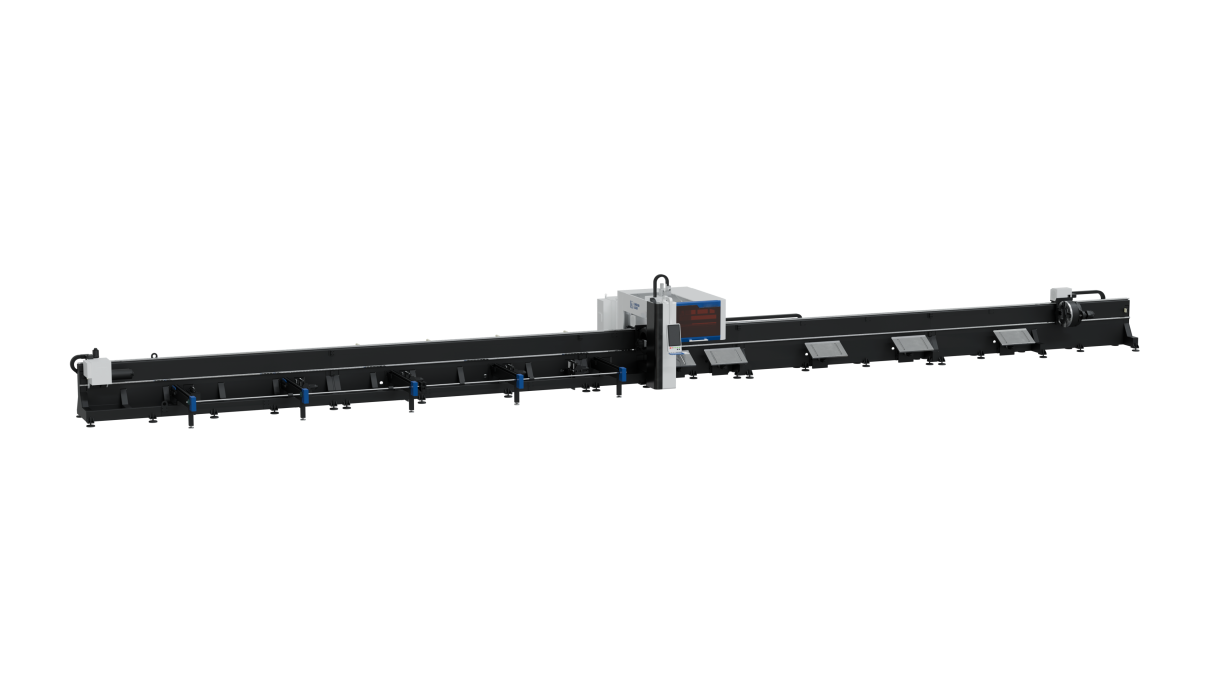
管材雷射切割是一種高精度技術,利用高功率密度雷射光束加工金屬或非金屬管材。最初應用於汽車與航太產業,現已擴展至建築、家具及其他領域。.
透過CNC系統控制雷射頭沿管材軸向(X軸)、旋轉方向(A/B軸)及垂直方向(Z軸)的運動,管材雷射切割可加工複雜形狀,如開孔、斜切邊緣,並支援自動上下料,大幅提升生產效率。.
(1)可處理的材料類型
- 圓管、方管與矩形管(碳鋼、不鏽鋼、鋁合金)
- 特殊型材(例如:客製化斷面、腰形管)
- 非金屬管材(例如:PVC、塑膠管)
(2)常見使用管材雷射切割的產業
- 汽車產業:結構零件、排氣管、底盤部件
- 建築與居家:鋼結構、門窗、家具框架
- 工程機械:液壓管、健身器材
- 新能源與醫療:精密管材零件
(3)優勢
- High Precision:切割精度高達±0.05mm,適用於複雜幾何形狀
- 自動化:整合CNC與機器人上下料系統,減少人工操作
- 高效率:比傳統方法快8至20倍,並可節省15%至30%的材料
- 靈活性:可程式化快速切換設計,適合小批量客製化生產
什麼是平板雷射切割?
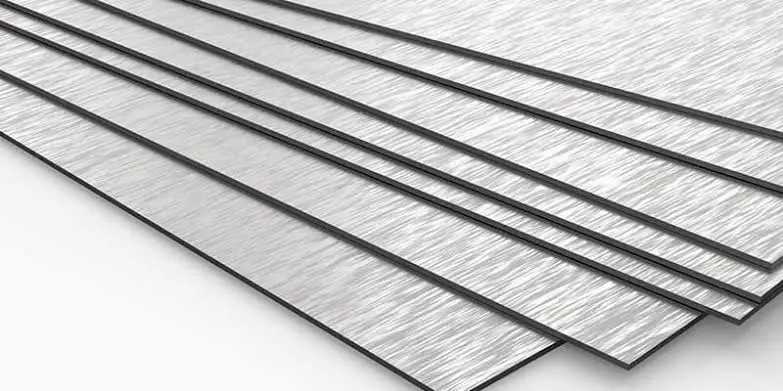
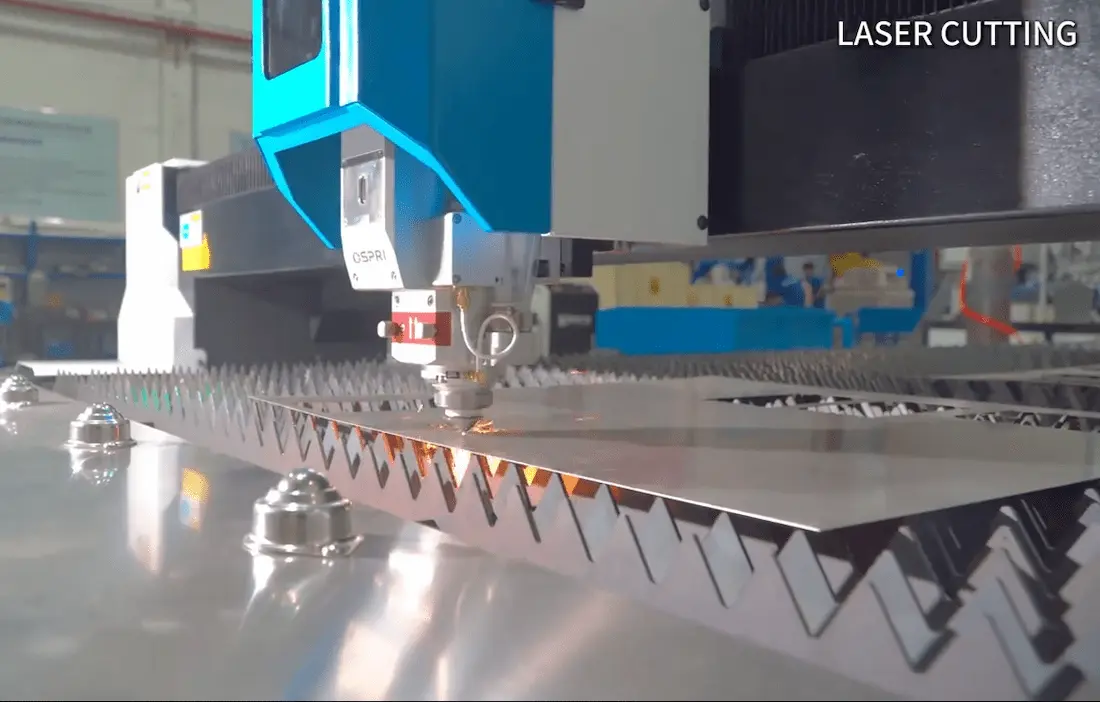
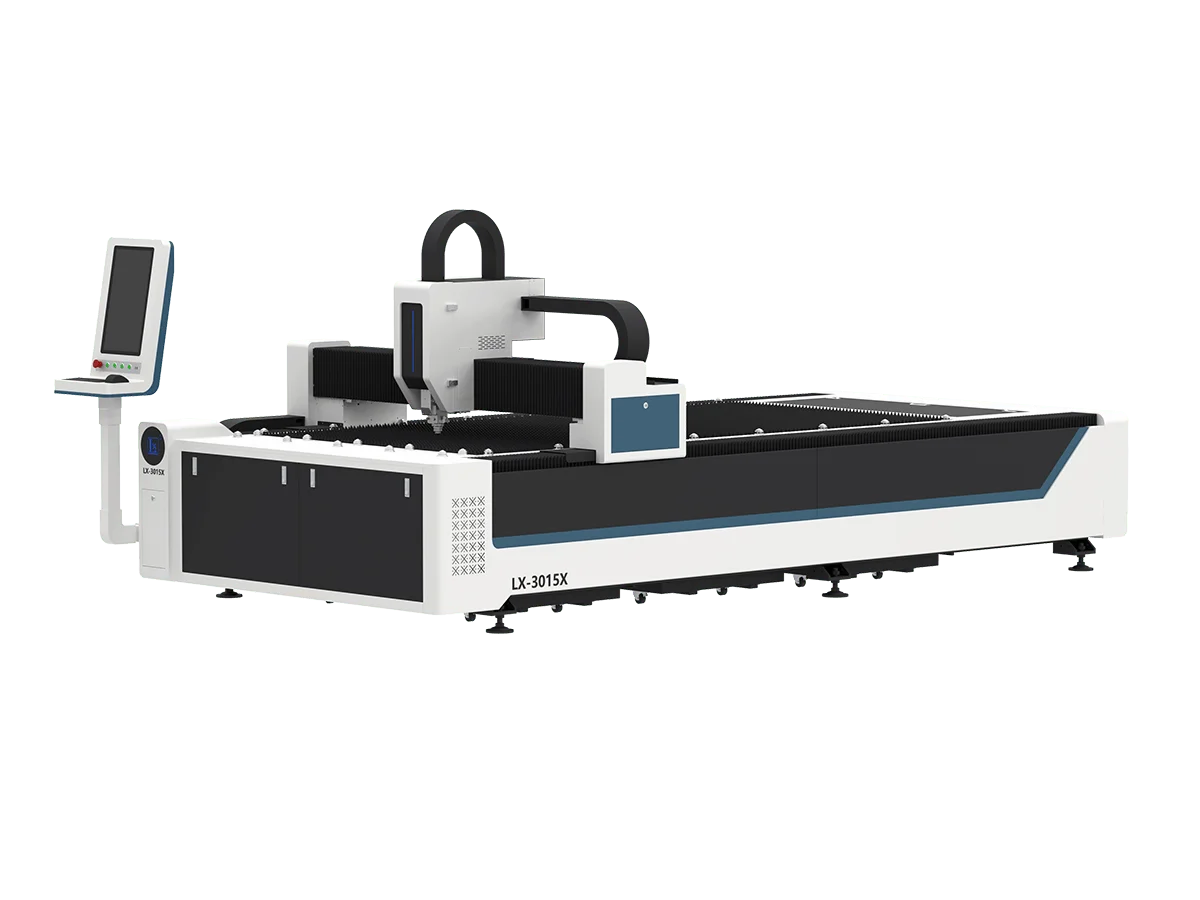
平板雷射切割是一種先進的加工技術,利用高功率雷射光束精確切割金屬板材等平面材料。透過電腦控制的雷射路徑移動,可實現高速且高精度的加工結果。.
(1)適用材料
- 金屬:不鏽鋼、碳鋼、鋁(光纖雷射可達50mm)
- 非金屬:壓克力、木材、塑膠、玻璃、複合材料(主要以CO₂雷射加工)
- 薄板:因切縫極小(切割寬度約0.15mm),非常適合電子與裝飾用途
(2)廣泛應用的產業
- 汽車產業:車身鈑金、底盤與排氣零件的精密切割
- 家具與裝飾:櫥櫃客製化面板、招牌與藝術圖案
- 電子產業:電路板、外殼、散熱片,具微米級精度
(3)優勢
- 快速加工:切割速度最高可達120 m/h,薄板加工明顯快於電漿或水刀
- 高精度:±0.05mm公差,適合複雜形狀
- 易於排版:最大化材料利用率,減少15–30%的廢料
- 可搭配自動化:與CNC整合,實現無人化生產
比較表:管材雷射切割 vs. 平板雷射切割
| 特色 | 管材雷射切割 | 平板雷射切割 |
|---|---|---|
| 適用工件 | 圓形/方形/矩形/異形管材、型材 | 金屬板材、平板、非金屬如壓克力、木材 |
| 加工能力 | 3D切割(斜切、開孔、開槽)、多角度操作 | 2D切割、套料優化 |
| 材料靈活性 | 直徑Ø20–300mm,厚度≤25mm(碳鋼) | 厚度≤50mm(光纖),非金屬需CO₂ |
| 精度 | ±0.05–0.1mm,無毛刺,熱變形極小 | ±0.05mm,窄切縫(0.1–0.2mm),適合精細輪廓 |
| 自動化 | 需自動送料及旋轉軸(A/B) | CNC工作台,支援無人化批量生產 |
| 設備成本 | 較高(多軸運動、客製夾頭),約$32,000以上 | 入門成本較低;高功率光纖機型>$100,000 |
| 常見行業 | 汽車排氣管、建築鋼構、健身器材 | 家電、招牌、電子產品 |
何時選擇管材雷射切割而非平板雷射切割
管材與平板雷射切割的關鍵區別在於 工件幾何形狀 以及 3D加工能力. 。當以下情況時,選擇管材雷射切割:
(1)專案需求:複雜幾何形狀與自動化
- 3D複雜切割:管材雷射適合在管材和型材上切割斜端面、相交孔和槽—適用於排氣管或健身器材彎曲支架等零件。.
- 整合自動化:配備多軸系統(A/B軸+氣動夾頭),管材雷射機支援從送料到卸料的全自動化。.
- 應用案例:建築節點連接、石油天然氣中的斜管維修—傳統需多道工序,現在一次完成。.
(2)投資回報率:工序更少=成本更低
- 製程整合:以單一機器取代鋸切、鑽孔和沖孔—減少75%人工及佔地面積。.
- 材料節省:智慧套料減少15–30%浪費,例如腳手架管生產。.
- 長期投資回報:入門級機器(約$32,000)因8–20倍生產力提升,可在6–12個月內回本。.
(3)產品範例
- 自行車車架:精密接頭切割和輕量化設計依賴管材雷射的表面切割能力
- 健身設備:啞鈴桿、橢圓機框架需要角度切割和開槽
- 腳手架:方管開孔以實現多角度連接
- 其他:排氣歧管、擔架框架、液壓管
一台機器能兩用嗎?混合式雷射切割解決方案
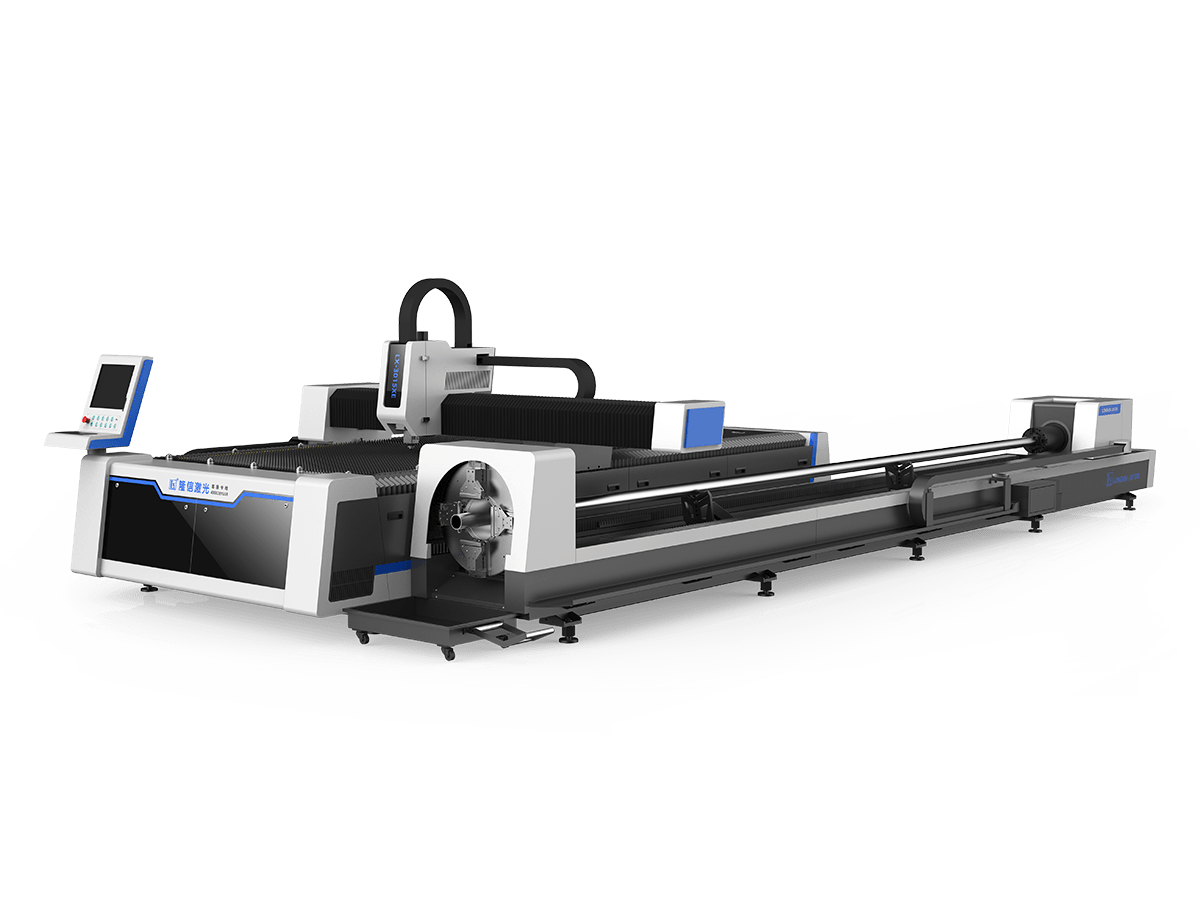
混合式雷射切割機(又稱“板管一體雷射切割機“) combine flat and tube cutting functionality using high-power fiber lasers and multi-axis CNC systems (X/Y/Z + A/B rotation). These machines can clamp pipes or fix plates for versatile processing.
I. Advantages vs. Limitations
| 維度 | 優勢 | Limitations |
|---|---|---|
| Functionality | Cuts sheets (carbon/stainless) and tubes (round/square/special) | Tube dia. limited (typically φ20–220mm); weak on thick sheets (>16mm steel) |
| Productivity | Dual-table auto-switching, seamless task shift | Requires manual fixture/parameter switch; slower than dedicated machines |
| Space & Cost | Saves 50% floor space; avoids dual equipment costs | High unit cost ($50K entry, >$100K high-end) |
| 精密度 | ±0.05mm (sheets), ±0.1mm (tubes); smooth, burr-free cuts | Long tubes (>6m) sag, needing extra support |
Typical Use Cases:
- Best fit: Gym equipment (tubes + plates), custom furniture, auto parts
- Not ideal: Ultra-thick sheets (>20mm), large tubes (>300mm dia), micron-level electronics
II. Suitability for SMEs: Balancing Cost & Flexibility
Cost Efficiency:
- One hybrid = one tube cutter + one mid-power flatbed, but only ~60–70% of their combined cost
- Example: A sheet metal shop making casings + tubular frames can avoid outsourcing loss
Lower OPEX:
- Power usage is 20–30% of CO₂ machines
- Modular design simplifies maintenance; ~30% less cost than dedicated tools
Custom Orders:
- Switch jobs via software, no molds needed
- Intelligent nesting for both tubes and sheets = up to 85% material utilization
Caution: If >70% of your orders are tube- or sheet-only, dedicated machines offer better efficiency.
III. Cost Comparison: Hybrid vs. Dedicated Machines
| Cost Item | Hybrid Laser Machine | Tube + Flatbed (Separate) | Savings |
|---|---|---|---|
| Equipment | $50,000–$120,000 | $80,000 (tube) + $70,000 (flat) | 20–40% |
| Space | 15–20 m² | 25–35 m² | 40–50% |
| Operators | 1 person | 1 person each | 50% |
| Monthly Power | 800–1200 kWh | 1500–2000 kWh | 35–45% |
| Annual Maintenance | ~$5,000 | ~$8,000 | ~37.5% |
IV. When to Choose a Hybrid Machine
Scenario A: Both Sheets & Tubes in Custom Orders
- For furniture or medical equipment using mixed materials, hybrids save outsourcing cost and boost yield.
Scenario B: Large Volume or Specialized Production
- If you’re cutting >200 parts/day or >70% are sheet/tube only, dedicated machines work better.
Scenario C: Budget & Space Constraints
- Budget ≥ $50K, factory space ≥ 15㎡; hybrids save 40–50% space compared to two machines.
Scenario D: Return on Investment
- If you produce ≤5000 parts/year and orders are 30–70% tubes vs. sheets, ROI in 1–1.5 years via 50% labor savings.
Conclusion: How to Choose the Right Laser Cutting Method
The core difference lies in material type 以及 geometric complexity. Use this quick-reference guide:
| Requirement | Recommended Method | Common Industry Examples |
|---|---|---|
| Tubes/profiles (round/square/etc) | 管材雷射切割 | Auto exhausts, bicycle frames, steel joints |
| Complex 3D cutting (bevels, copes) | 管材雷射切割 | Fitness brackets, hydraulic piping |
| Mass sheet cutting (flat parts) | 平板雷射切割 | Appliance enclosures, signage |
| High-precision 2D cutting | 平板雷射切割 | Electronics, metal decor |
| Mixed orders (tubes + plates) | Hybrid Laser Machine | Furniture, medical instruments |
Choose Tube Laser Cutting If:
- You process hollow tubes (metal/non-metal), esp. <300mm diameter
- You need complex bevels, intersecting holes, 3D geometries
- You need automation for >100 parts/day
Choose Flat Laser Cutting If:
- You primarily handle flat sheet metal, ≤20mm thick
- You prioritize speed and budget for thin materials
- You do not need tube-processing features
Choose Hybrid Machines If:
- You accept mixed-material orders (small to medium batches)
- You want to reduce space and maximize machine use
- You accept lower extreme-performance but want high flexibility
FAQs: Tube Laser Cutting
1. What materials can a tube laser cut?
- 金屬: Carbon steel, stainless steel (≤25mm wall), aluminum alloys, copper (requires fiber laser)
- 非金屬: PVC, plastic (requires CO₂ laser)
- Profiles: I-beams, angles, elliptical tubes
- ⚠️ High-reflectivity materials (e.g., pure copper) need specific laser wavelengths
2. What precision is achievable with tube laser cutting?
- Standard: ±0.05–0.1mm, burr-free
- High-end: ±0.02mm for medical applications (with ultrashort pulse lasers)
- 💡 Tip: Larger diameters and uneven wall thickness reduce accuracy
3. Is tube laser cutting better than sawing?
| Factor | 管材雷射切割 | Traditional Sawing |
|---|---|---|
| Efficiency | 6m pipe in 2 min; 8–20× faster | Slow, manually fed |
| 精密度 | ±0.1mm, no secondary finishing | ±1mm, requires grinding |
| Material Yield | Smart nesting saves 15–30% | Fixed spacing = higher waste |
| 靈活性 | Cuts, slots, bevels in one machine | Cutting only; drilling needs extras |
結論: Laser cutting wins in nearly all but ultra-thick or low-cost scenarios.
4. Are maintenance costs high?
- Fiber models: ~$5,000/year
- Energy use: 25% of CO₂ laser
- Main consumables: lenses (6–12 mo), nozzles (1–3 mo)
5. Can it cut non-round tubes?
- Yes: square, rectangular, elliptical, and irregular profiles
- Requires adaptive chucks and multi-axis rotation systems