Pendahuluan
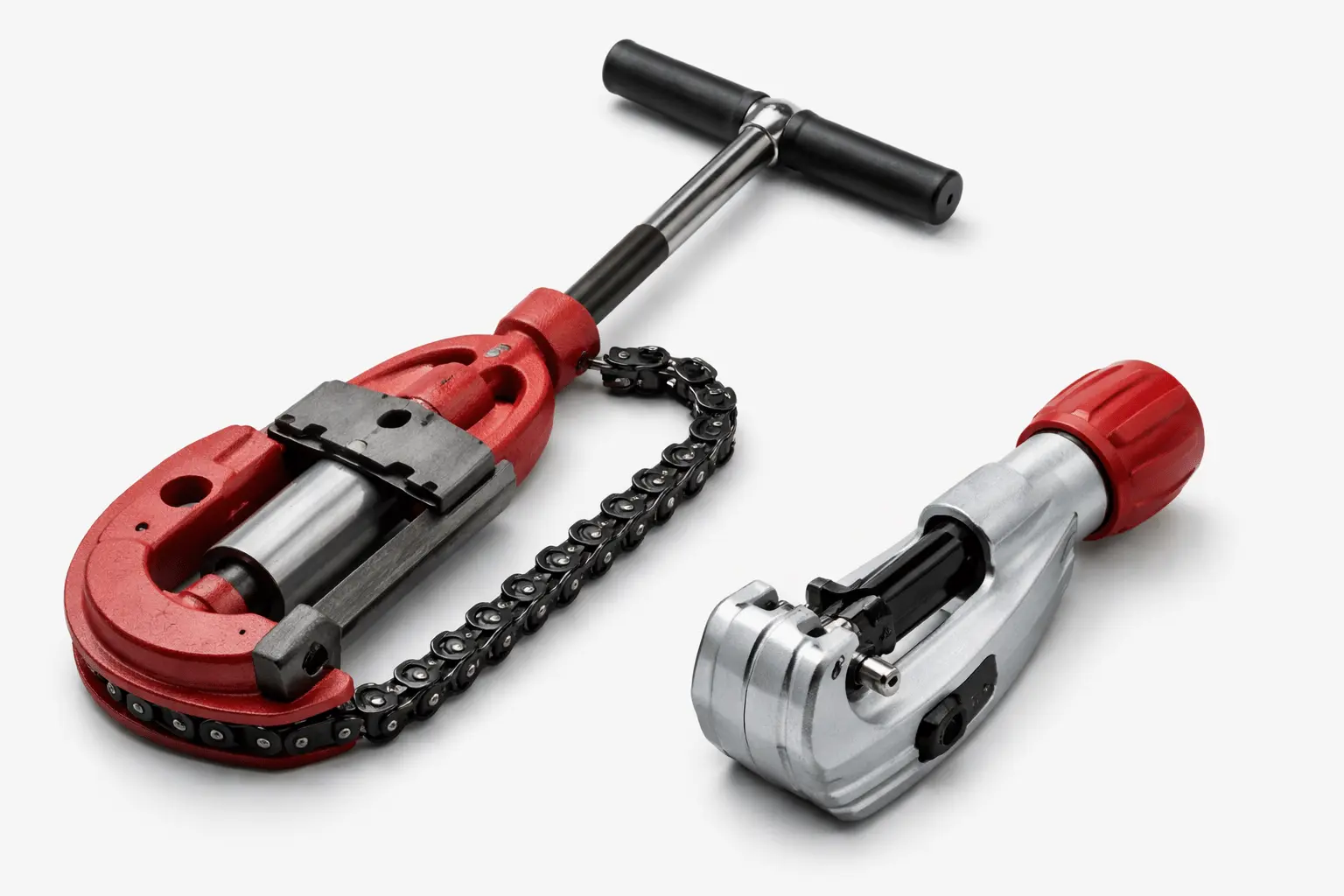
Pemotongan laser telah menjadi landasan manufaktur modern, menawarkan presisi, kecepatan, dan fleksibilitas untuk berbagai macam material. Di antara metode yang paling umum adalah pemotongan laser tabung dan pemotongan laser datar, masing-masing memiliki tujuan yang berbeda dalam aplikasi industri. Pemotongan laser tabung mengkhususkan diri dalam memproses pipa, tabung, dan profil dengan akurasi tinggi, sementara pemotongan laser datar unggul dalam membentuk komponen lembaran logam.
Artikel ini mengeksplorasi perbedaan utama antara kedua teknik ini, membantu Anda menentukan mana yang paling sesuai dengan kebutuhan produksi Anda. Baik Anda bekerja dengan tabung struktural atau lembaran logam datar, memahami kekuatan mereka akan memandu Anda menuju solusi yang tepat.
Apa Itu Pemotongan Laser Tabung?
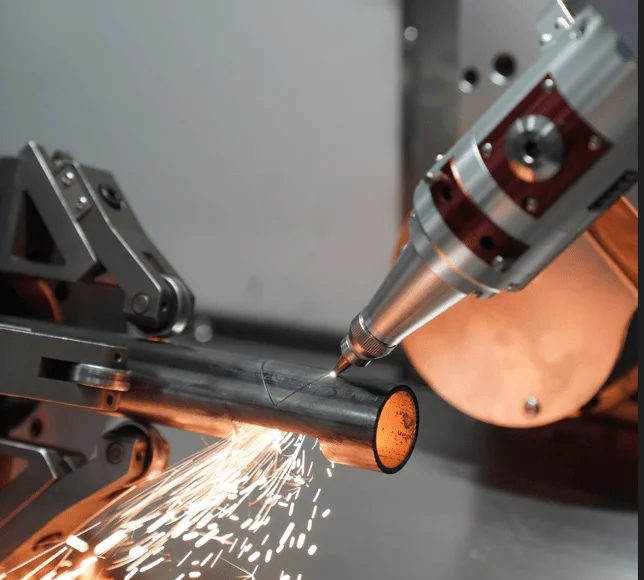
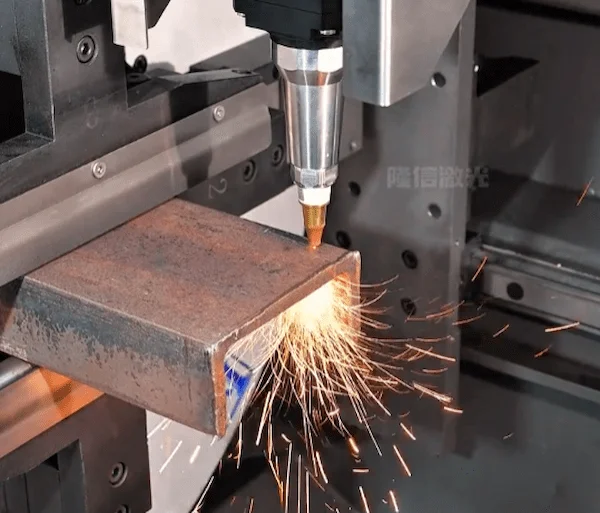
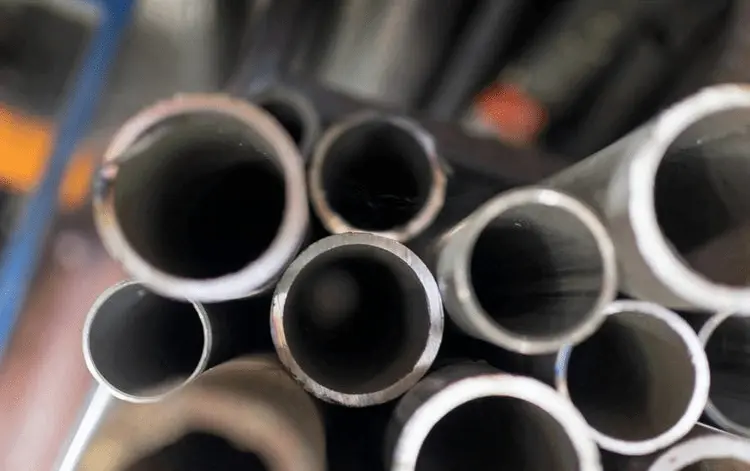
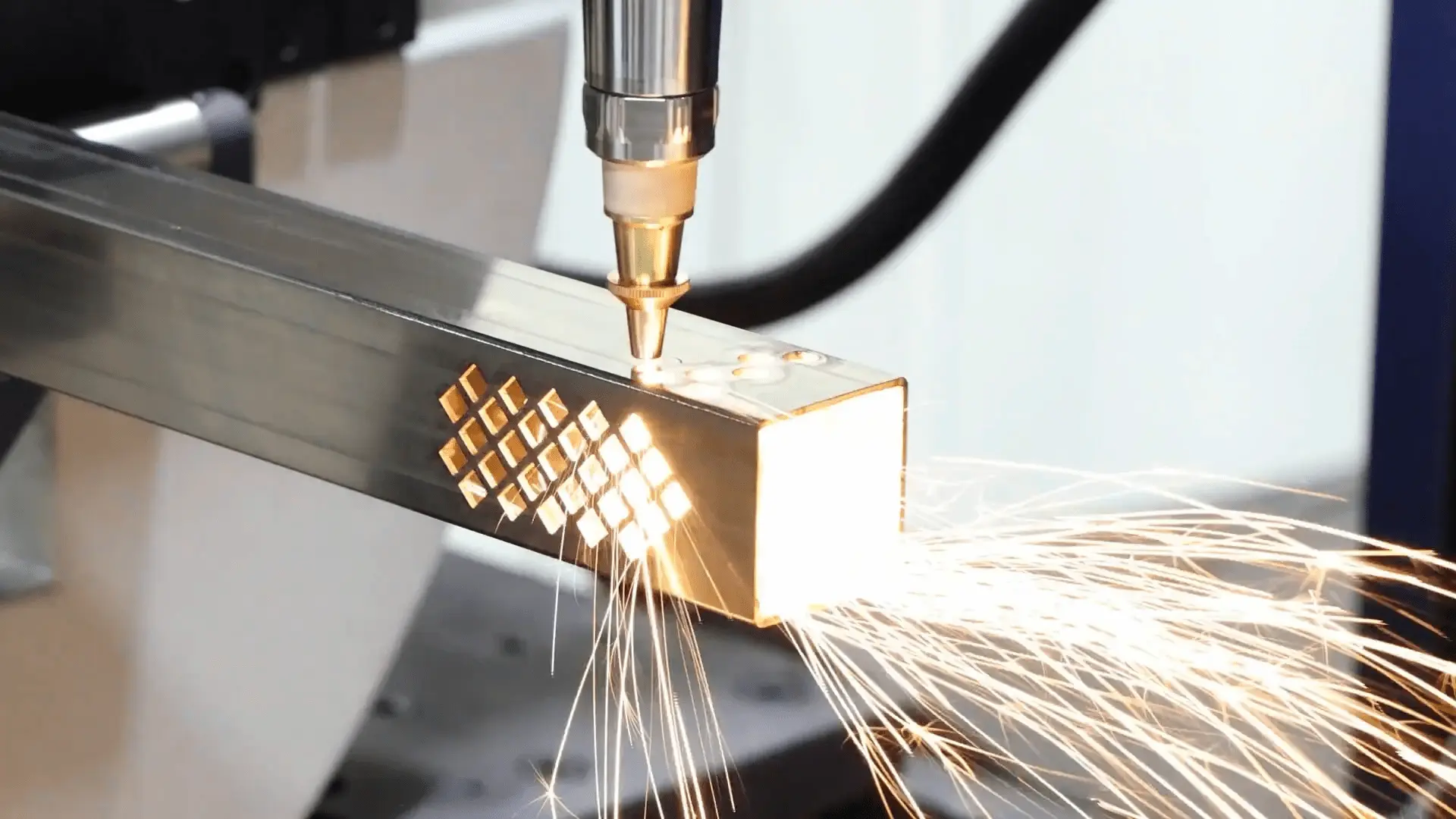
Pemotongan laser tabung adalah teknik presisi tinggi yang menggunakan sinar laser dengan kepadatan daya tinggi untuk memproses tabung logam atau non-logam. Awalnya diterapkan di industri otomotif dan kedirgantaraan, kini telah berkembang ke arsitektur, furnitur, dan sektor lainnya.
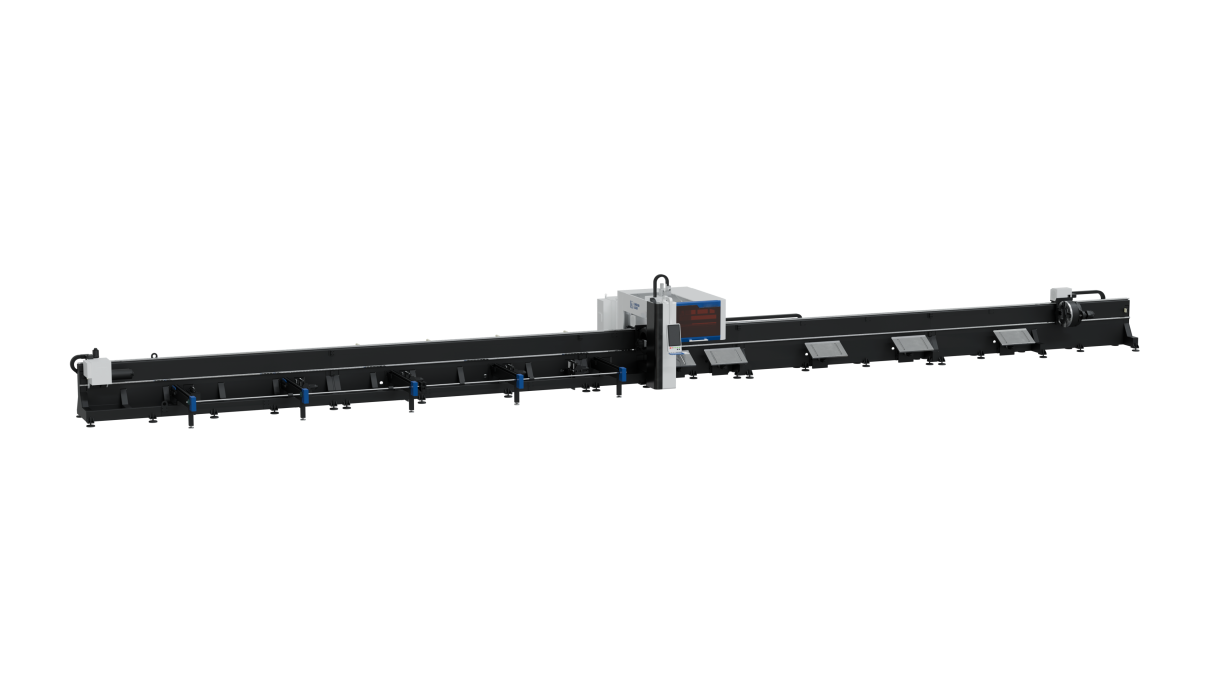
Dengan sistem CNC yang mengontrol pergerakan kepala laser di sepanjang sumbu tabung (sumbu X), rotasi (sumbu A/B), dan arah vertikal (sumbu Z), pemotongan laser tabung memungkinkan bentuk kompleks seperti lubang kopel, tepi miring, dan mendukung pemuatan serta pembongkaran otomatis, secara signifikan meningkatkan efisiensi produksi.
(1) Jenis Material yang Ditangani
- Tabung bulat, persegi, dan persegi panjang (baja karbon, baja tahan karat, paduan aluminium)
- Profil khusus (misalnya, bagian berbentuk khusus, tabung berbentuk pinggang)
- Tabung non-logam (misalnya, PVC, pipa plastik)
(2) Industri yang Umum Menggunakan Pemotongan Laser Tabung
- Otomotif: Komponen struktural, pipa knalpot, bagian sasis
- Arsitektur & Rumah: Struktur baja, pintu dan jendela, rangka furnitur
- Mesin Teknik: Pipa hidrolik, peralatan kebugaran
- Energi Baru & Medis: Komponen tabung presisi
(3) Manfaat
- Presisi Tinggi: Akurasi pemotongan hingga ±0,05mm, cocok untuk geometri kompleks
- Otomatisasi: Sistem CNC terintegrasi dan pemuatan robotik mengurangi operasi manual
- Efisiensi Tinggi: 8 hingga 20 kali lebih cepat daripada metode tradisional, dengan penghematan material 15% hingga 30%
- Fleksibilitas: Dapat diprogram untuk beralih antar desain dengan cepat, ideal untuk produksi kustom batch kecil
Apa Itu Pemotongan Laser Datar?
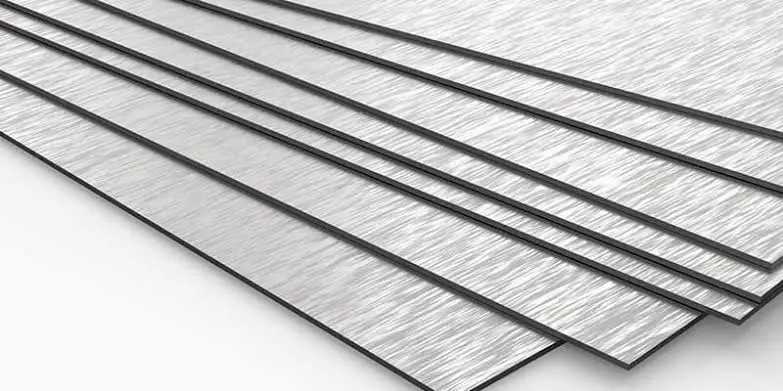
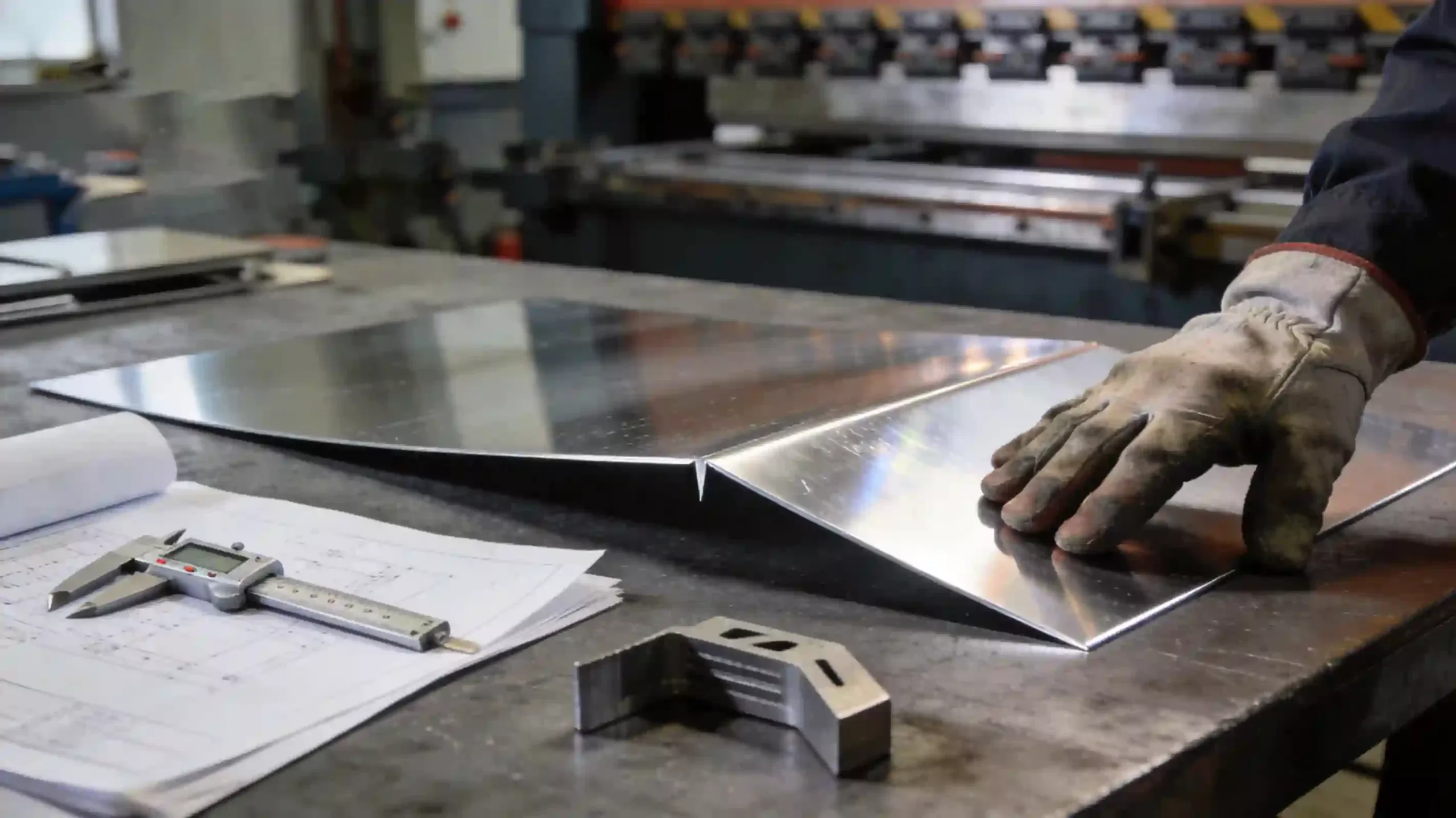
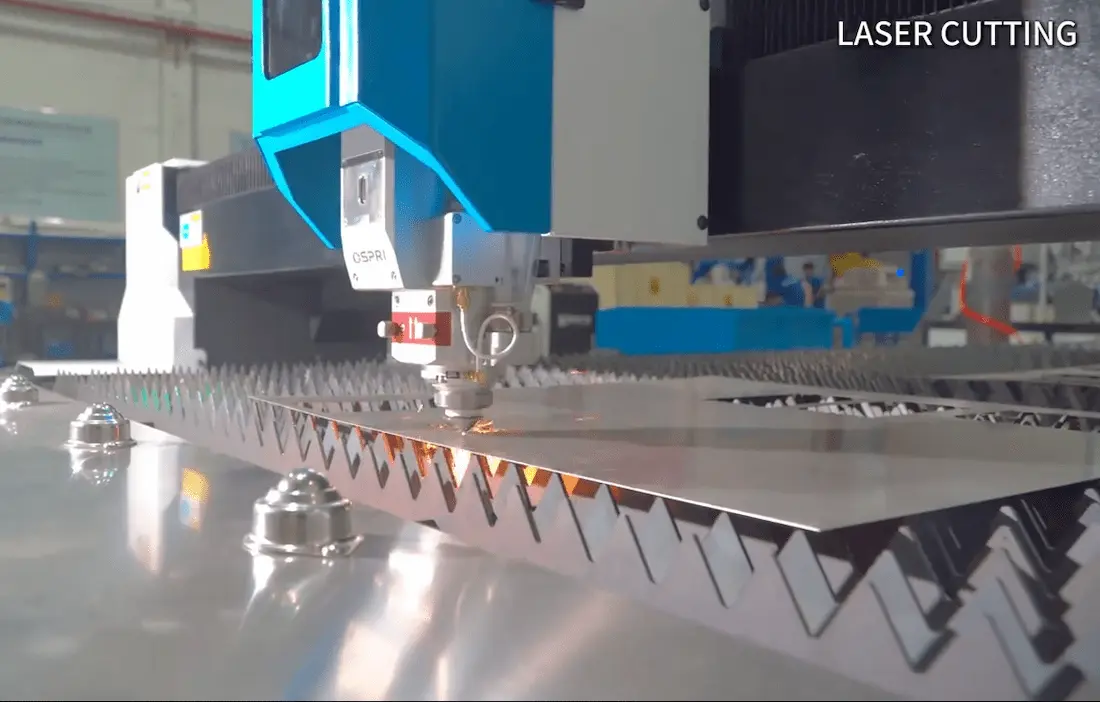
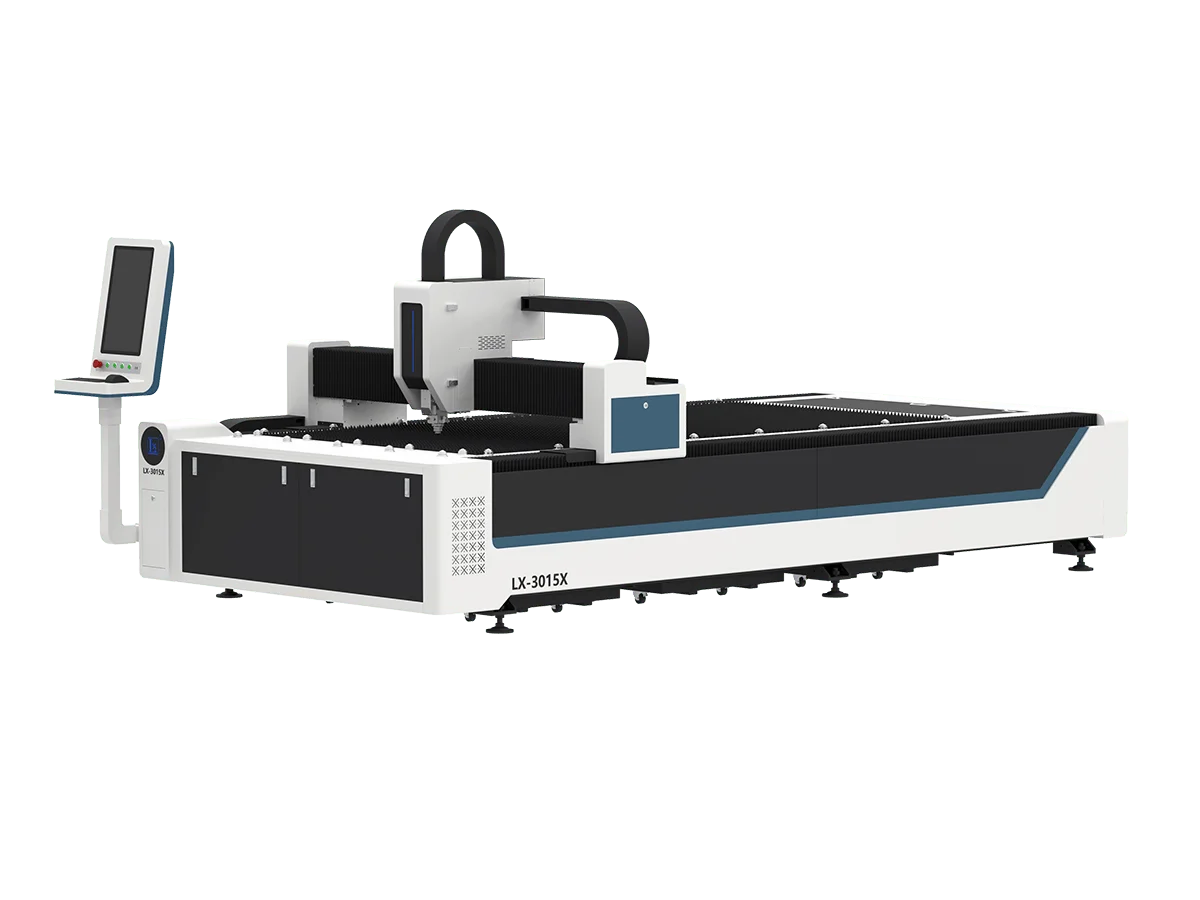
Pemotongan laser datar adalah teknologi pemrosesan canggih yang menggunakan sinar laser berdaya tinggi untuk memotong material datar seperti lembaran logam secara presisi. Dengan pergerakan jalur laser yang dikendalikan komputer, ia mencapai hasil berkecepatan tinggi dan berakurasi tinggi.
(1) Material yang Cocok
- Logam: Baja tahan karat, baja karbon, aluminium (hingga 50mm dengan laser serat)
- Non-logam: Akrilik, kayu, plastik, kaca, komposit (terutama dengan laser CO₂)
- Lembaran Tipis: Ideal untuk penggunaan elektronik dan dekoratif karena kerf minimal (lebar potong ~0,15mm)
(2) Industri yang Banyak Digunakan
- Otomotif: Pemotongan presisi panel bodi, sasis, dan komponen knalpot
- Furnitur & Dekorasi: Panel khusus untuk lemari, papan tanda, dan pola artistik
- Elektronik: Papan sirkuit, penutup, heat sink dengan presisi tingkat mikron
(3) Manfaat
- Pemrosesan Cepat: Kecepatan pemotongan hingga 120 m/jam, jauh lebih cepat daripada plasma atau waterjet untuk lembaran tipis
- Akurasi Tinggi: Toleransi ±0,05mm, ideal untuk bentuk kompleks
- Nesting Mudah: Memaksimalkan penggunaan material, mengurangi limbah sebesar 15–30%
- Kompatibel dengan Otomatisasi: Integrates with CNC for lights-out production
Comparison Table: Tube Laser vs. Flat Laser Cutting
| Fitur | Pemotongan Laser Tabung | Flat Laser Cutting |
|---|---|---|
| Suitable Workpiece | Round/square/rectangular/special-shaped tubes, profiles | Metal sheets, flat plates, non-metals like acrylic, wood |
| Processing Capability | 3D cuts (bevels, coped holes, slots), multi-angle operations | 2D cuts, nesting optimization |
| Material Flexibility | Diameter Ø20–300mm, thickness ≤25mm (carbon steel) | Thickness ≤50mm (fiber), CO₂ required for non-metals |
| Ketepatan | ±0.05–0.1mm, burr-free, minimal thermal deformation | ±0.05mm, narrow kerf (0.1–0.2mm), ideal for fine outlines |
| Otomatisasi | Requires auto-feeding and rotating axes (A/B) | CNC tables, supports lights-out batch production |
| Biaya Peralatan | Higher (multi-axis movement, custom chucks), ~$32,000+ | Lower entry cost; high-power fiber models >$100,000 |
| Common Industries | Auto exhausts, construction steel, gym equipment | Appliances, signage, electronics |
When to Choose Tube Laser Cutting Over Flat Laser Cutting
The key distinction between tube and flat laser cutting lies in geometri benda kerja dan 3D processing capabilities. Choose tube laser cutting when:
(1) Project Requirements: Complex Geometry & Automation
- 3D Complex Cutting: Tube laser is ideal for cutting beveled ends, intersecting holes, and slots on tubes and profiles—useful for items like exhaust pipes or curved brackets on fitness equipment.
- Integrated Automation: Equipped with multi-axis systems (A/B axis + pneumatic chucks), tube laser machines support full automation from feeding to unloading.
- Use Cases: Construction node connections, bevel pipe repairs in oil & gas—traditionally requiring multiple steps now completed in one.
(2) ROI: Fewer Steps = Lower Costs
- Process Integration: Replaces sawing, drilling, and punching with a single machine—cutting labor and floor space by 75%.
- Material Savings: Smart nesting reduces waste by 15–30%, such as in scaffold tube production.
- Long-term ROI: Entry-level machines (~$32,000) can break even in 6–12 months due to 8–20× productivity gains.
(3) Product Examples
- Bicycle Frames: Precision cut joints and lightweight designs depend on tube laser’s surface cutting capabilities
- Peralatan Kebugaran: Dumbbell rods, elliptical frames need angled cuts and slotting
- Scaffolding: Coping of square tubes for multi-angle connections
- Lainnya: Exhaust manifolds, stretcher frames, hydraulic pipes
Can One Machine Do Both? Hybrid Laser Cutting Solutions
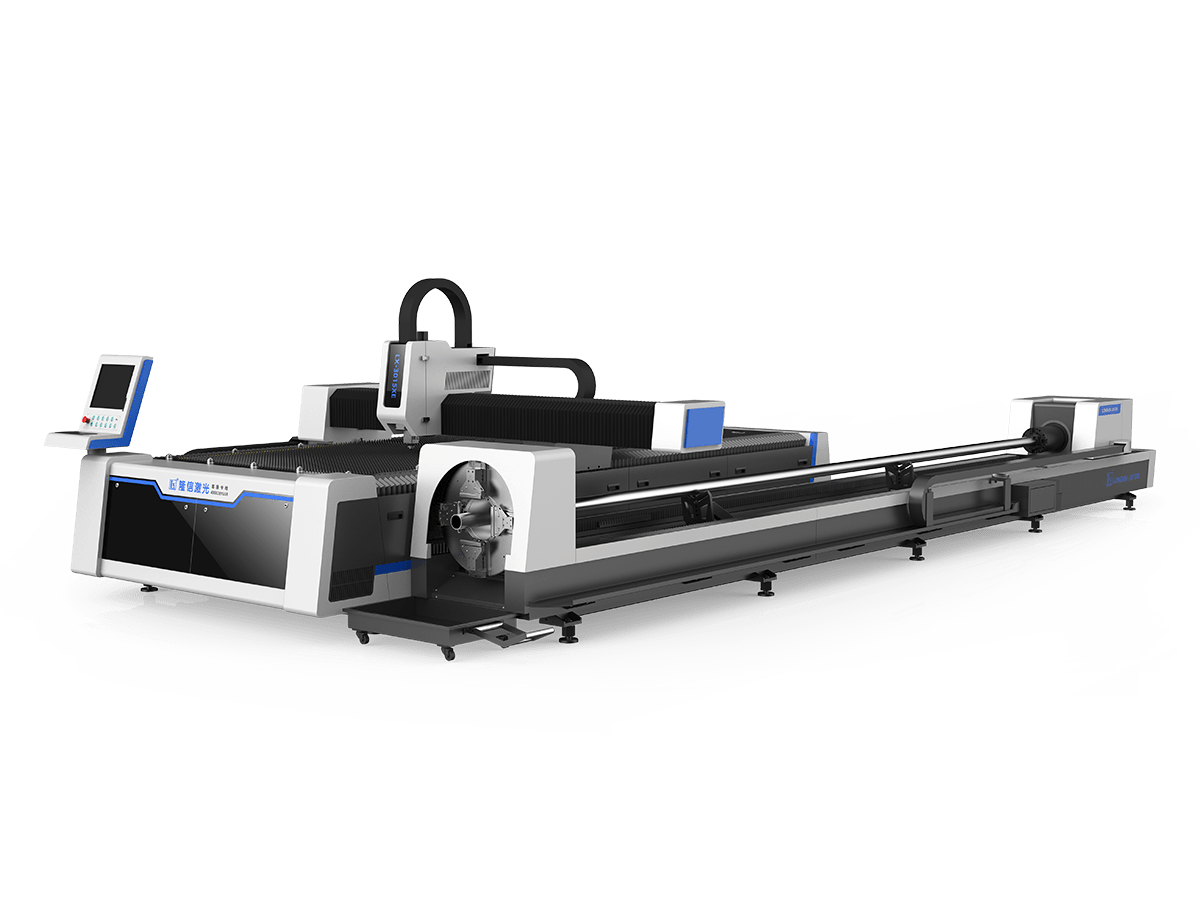
Hybrid laser cutters (aka “mesin pemotong laser lembaran dan tabung“) combine flat and tube cutting functionality using high-power fiber lasers and multi-axis CNC systems (X/Y/Z + A/B rotation). These machines can clamp pipes or fix plates for versatile processing.
I. Advantages vs. Limitations
| Dimensi | Keuntungan | Keterbatasan |
|---|---|---|
| Functionality | Cuts sheets (carbon/stainless) and tubes (round/square/special) | Tube dia. limited (typically φ20–220mm); weak on thick sheets (>16mm steel) |
| Productivity | Dual-table auto-switching, seamless task shift | Requires manual fixture/parameter switch; slower than dedicated machines |
| Space & Cost | Saves 50% floor space; avoids dual equipment costs | High unit cost ($50K entry, >$100K high-end) |
| Presisi | ±0.05mm (sheets), ±0.1mm (tubes); smooth, burr-free cuts | Long tubes (>6m) sag, needing extra support |
Typical Use Cases:
- Best fit: Gym equipment (tubes + plates), custom furniture, auto parts
- Not ideal: Ultra-thick sheets (>20mm), large tubes (>300mm dia), micron-level electronics
II. Suitability for SMEs: Balancing Cost & Flexibility
Cost Efficiency:
- One hybrid = one tube cutter + one mid-power flatbed, but only ~60–70% of their combined cost
- Example: A sheet metal shop making casings + tubular frames can avoid outsourcing loss
Lower OPEX:
- Power usage is 20–30% of CO₂ machines
- Modular design simplifies maintenance; ~30% less cost than dedicated tools
Custom Orders:
- Switch jobs via software, no molds needed
- Intelligent nesting for both tubes and sheets = up to 85% material utilization
Caution: If >70% of your orders are tube- or sheet-only, dedicated machines offer better efficiency.
III. Cost Comparison: Hybrid vs. Dedicated Machines
| Cost Item | Hybrid Laser Machine | Tube + Flatbed (Separate) | Savings |
|---|---|---|---|
| Equipment | $50,000–$120,000 | $80,000 (tube) + $70,000 (flat) | 20–40% |
| Space | 15–20 m² | 25–35 m² | 40–50% |
| Operators | 1 person | 1 person each | 50% |
| Monthly Power | 800–1200 kWh | 1500–2000 kWh | 35–45% |
| Annual Maintenance | ~$5,000 | ~$8,000 | ~37.5% |
IV. When to Choose a Hybrid Machine
Scenario A: Both Sheets & Tubes in Custom Orders
- For furniture or medical equipment using mixed materials, hybrids save outsourcing cost and boost yield.
Scenario B: Large Volume or Specialized Production
- If you’re cutting >200 parts/day or >70% are sheet/tube only, dedicated machines work better.
Scenario C: Budget & Space Constraints
- Budget ≥ $50K, factory space ≥ 15㎡; hybrids save 40–50% space compared to two machines.
Scenario D: Return on Investment
- If you produce ≤5000 parts/year and orders are 30–70% tubes vs. sheets, ROI in 1–1.5 years via 50% labor savings.
Conclusion: How to Choose the Right Laser Cutting Method
The core difference lies in material type dan geometric complexity. Use this quick-reference guide:
| Kebutuhan | Recommended Method | Common Industry Examples |
|---|---|---|
| Tubes/profiles (round/square/etc) | Pemotongan Laser Tabung | Auto exhausts, bicycle frames, steel joints |
| Complex 3D cutting (bevels, copes) | Pemotongan Laser Tabung | Fitness brackets, hydraulic piping |
| Mass sheet cutting (flat parts) | Flat Laser Cutting | Appliance enclosures, signage |
| High-precision 2D cutting | Flat Laser Cutting | Electronics, metal decor |
| Mixed orders (tubes + plates) | Hybrid Laser Machine | Furniture, medical instruments |
Choose Tube Laser Cutting If:
- You process hollow tubes (metal/non-metal), esp. <300mm diameter
- You need complex bevels, intersecting holes, 3D geometries
- You need automation for >100 parts/day
Choose Flat Laser Cutting If:
- You primarily handle flat sheet metal, ≤20mm thick
- You prioritize speed and budget for thin materials
- You do not need tube-processing features
Choose Hybrid Machines If:
- You accept mixed-material orders (small to medium batches)
- You want to reduce space and maximize machine use
- You accept lower extreme-performance but want high flexibility
FAQs: Tube Laser Cutting
1. What materials can a tube laser cut?
- Logam: Carbon steel, stainless steel (≤25mm wall), aluminum alloys, copper (requires fiber laser)
- Non-logam: PVC, plastic (requires CO₂ laser)
- Profiles: I-beams, angles, elliptical tubes
- ⚠️ High-reflectivity materials (e.g., pure copper) need specific laser wavelengths
2. What precision is achievable with tube laser cutting?
- Standard: ±0.05–0.1mm, burr-free
- High-end: ±0.02mm for medical applications (with ultrashort pulse lasers)
- 💡 Tip: Larger diameters and uneven wall thickness reduce accuracy
3. Is tube laser cutting better than sawing?
| Faktor | Pemotongan Laser Tabung | Traditional Sawing |
|---|---|---|
| Efisiensi | 6m pipe in 2 min; 8–20× faster | Slow, manually fed |
| Presisi | ±0.1mm, no secondary finishing | ±1mm, requires grinding |
| Material Yield | Smart nesting saves 15–30% | Fixed spacing = higher waste |
| Fleksibilitas | Cuts, slots, bevels in one machine | Cutting only; drilling needs extras |
Kesimpulan: Laser cutting wins in nearly all but ultra-thick or low-cost scenarios.
4. Are maintenance costs high?
- Fiber models: ~$5,000/year
- Energy use: 25% of CO₂ laser
- Main consumables: lenses (6–12 mo), nozzles (1–3 mo)
5. Can it cut non-round tubes?
- Yes: square, rectangular, elliptical, and irregular profiles
- Requires adaptive chucks and multi-axis rotation systems