Giới thiệu
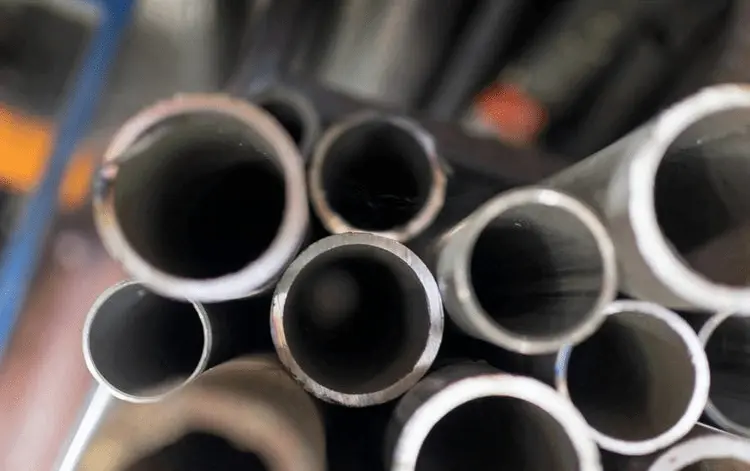
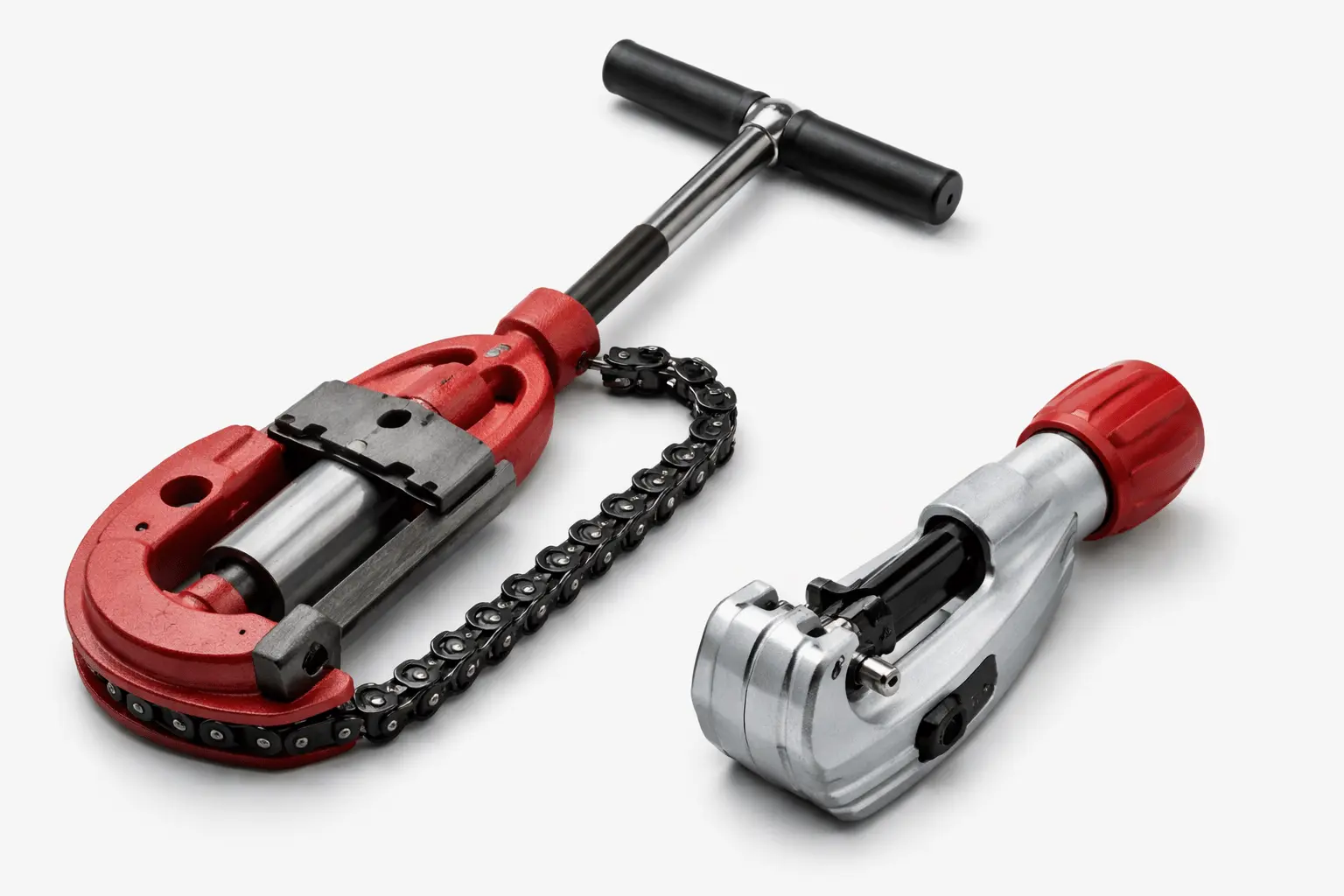
Cắt laser đã trở thành nền tảng của sản xuất hiện đại, mang lại độ chính xác, tốc độ và tính linh hoạt cho nhiều loại vật liệu. Trong số các phương pháp phổ biến nhất là ống laser và cắt laser phẳng, mỗi phương pháp phục vụ các mục đích riêng biệt trong các ứng dụng công nghiệp. Cắt laser ống chuyên xử lý ống, ống dẫn và thanh định hình với độ chính xác cao, trong khi cắt laser phẳng vượt trội trong việc tạo hình các chi tiết tấm kim loại.
Bài viết này khám phá những khác biệt chính giữa hai kỹ thuật này, giúp bạn xác định phương pháp nào phù hợp nhất với nhu cầu sản xuất của mình. Dù bạn làm việc với ống kết cấu hay tấm kim loại phẳng, hiểu rõ điểm mạnh của chúng sẽ hướng bạn đến giải pháp đúng đắn.
Cắt Laser Ống Là Gì?
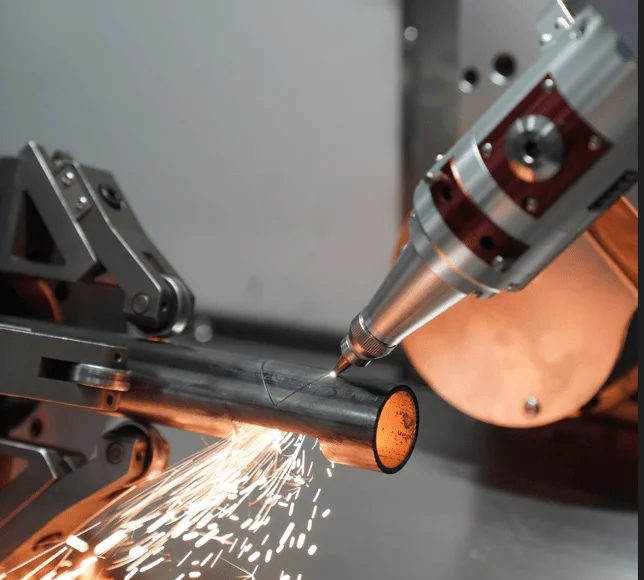
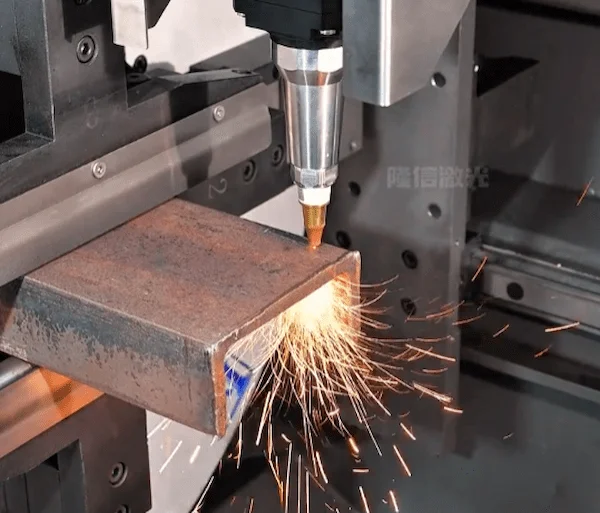
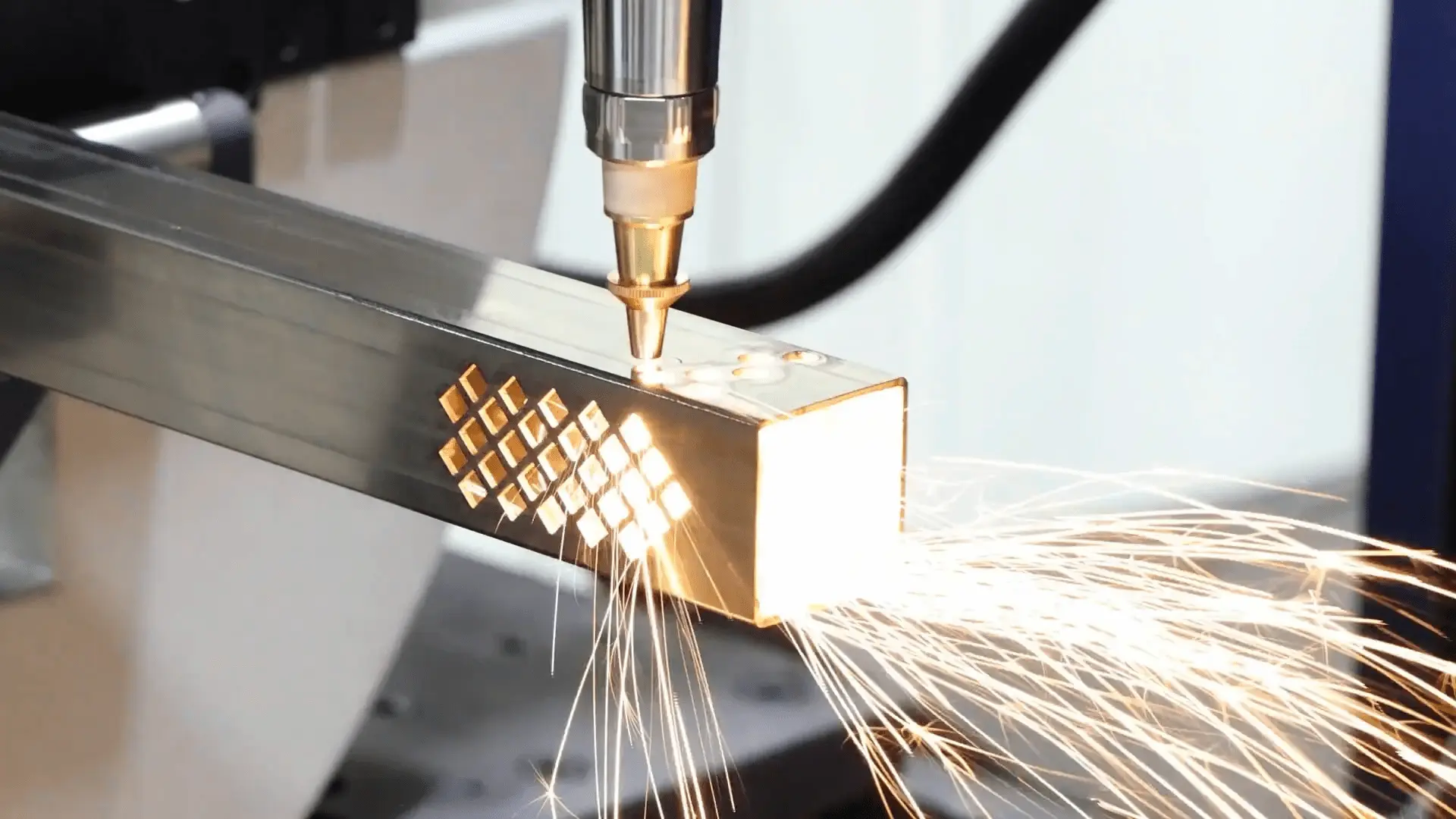
Cắt laser ống là kỹ thuật có độ chính xác cao sử dụng chùm tia laser mật độ công suất cao để xử lý các ống kim loại hoặc phi kim. Ban đầu được ứng dụng trong ngành ô tô và hàng không vũ trụ, hiện nay nó đã mở rộng sang kiến trúc, nội thất và các lĩnh vực khác.
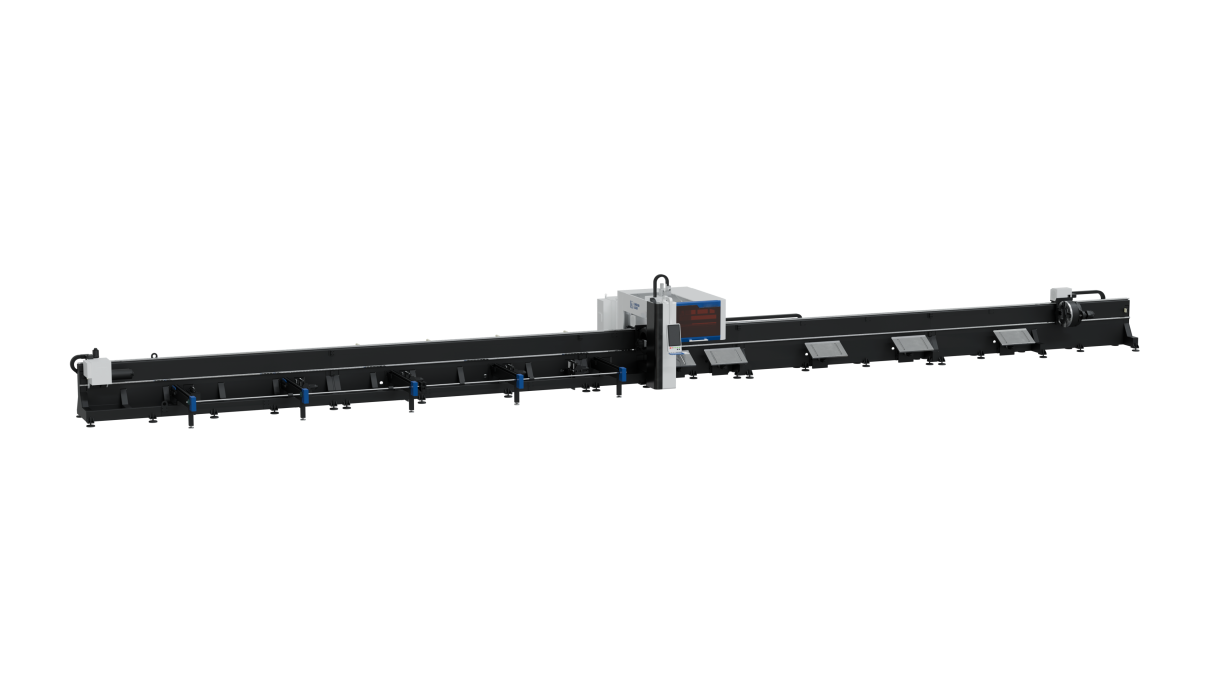
Với hệ thống CNC điều khiển chuyển động của đầu laser dọc theo trục ống (trục X), xoay (trục A/B) và hướng thẳng đứng (trục Z), cắt laser ống cho phép tạo ra các hình dạng phức tạp như lỗ khoét, cạnh vát, và hỗ trợ nạp và dỡ tự động, cải thiện đáng kể hiệu quả sản xuất.
(1) Các Loại Vật Liệu Xử Lý
- Ống tròn, vuông và chữ nhật (thép carbon, thép không gỉ, hợp kim nhôm)
- Thanh định hình đặc biệt (ví dụ: mặt cắt tùy chỉnh, ống hình eo)
- Ống phi kim (ví dụ: PVC, ống nhựa)
(2) Các Ngành Thường Sử Dụng Cắt Laser Ống
- Ô tô: Linh kiện kết cấu, ống xả, chi tiết khung gầm
- Kiến Trúc & Nội Thất: Kết cấu thép, cửa ra vào và cửa sổ, khung đồ nội thất
- Máy Móc Kỹ Thuật: Ống thủy lực, thiết bị thể dục
- Năng Lượng Mới & Y Tế: Linh kiện ống chính xác
(3) Lợi Ích
- Chính Xác Cao: Độ chính xác cắt lên đến ±0,05mm, phù hợp với hình dạng phức tạp
- Tự động hóa: Hệ thống CNC và robot nạp liệu tích hợp giảm thao tác thủ công
- Hiệu Suất Cao: Nhanh hơn 8 đến 20 lần so với phương pháp truyền thống, tiết kiệm vật liệu 15% đến 30%
- Linh hoạt: Lập trình để chuyển đổi nhanh giữa các thiết kế, lý tưởng cho sản xuất tùy chỉnh số lượng nhỏ
Cắt Laser Phẳng Là Gì?
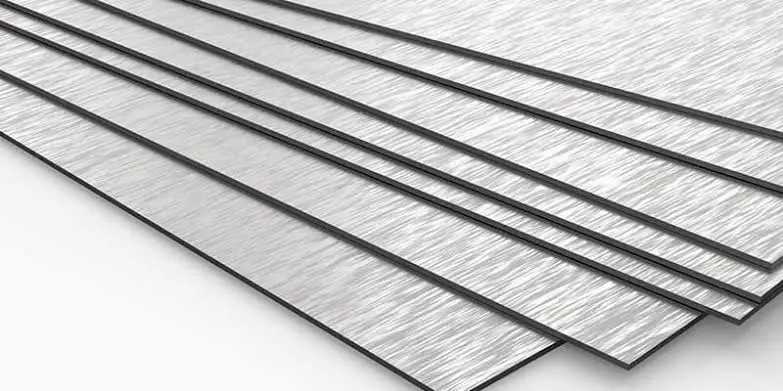
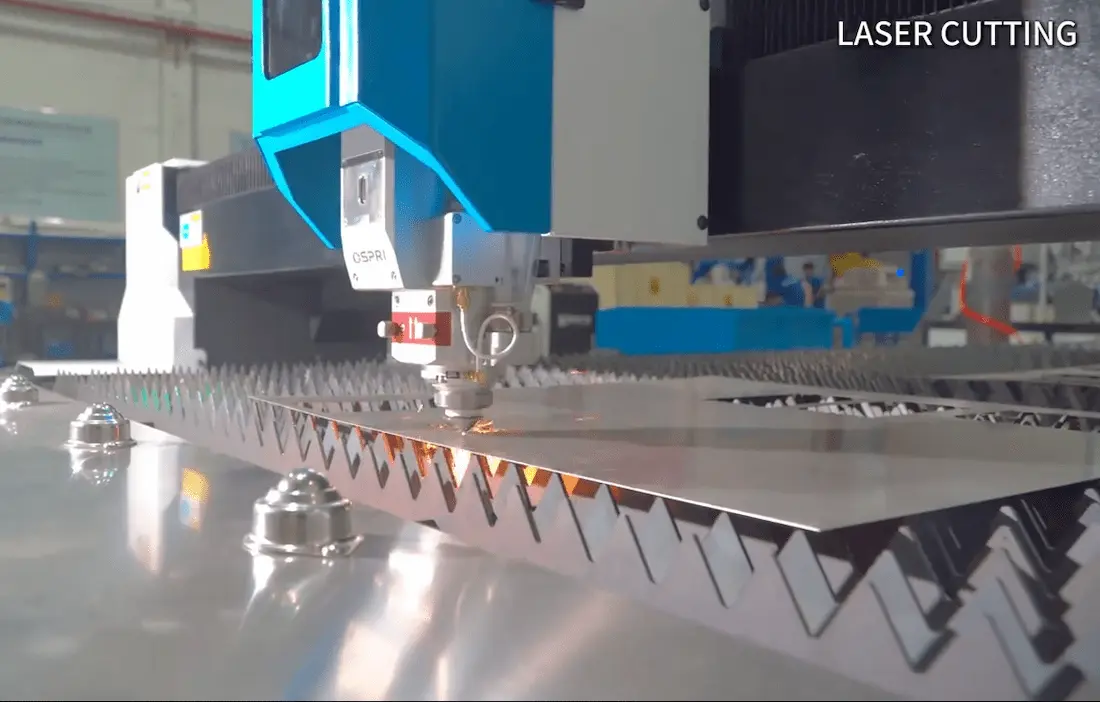
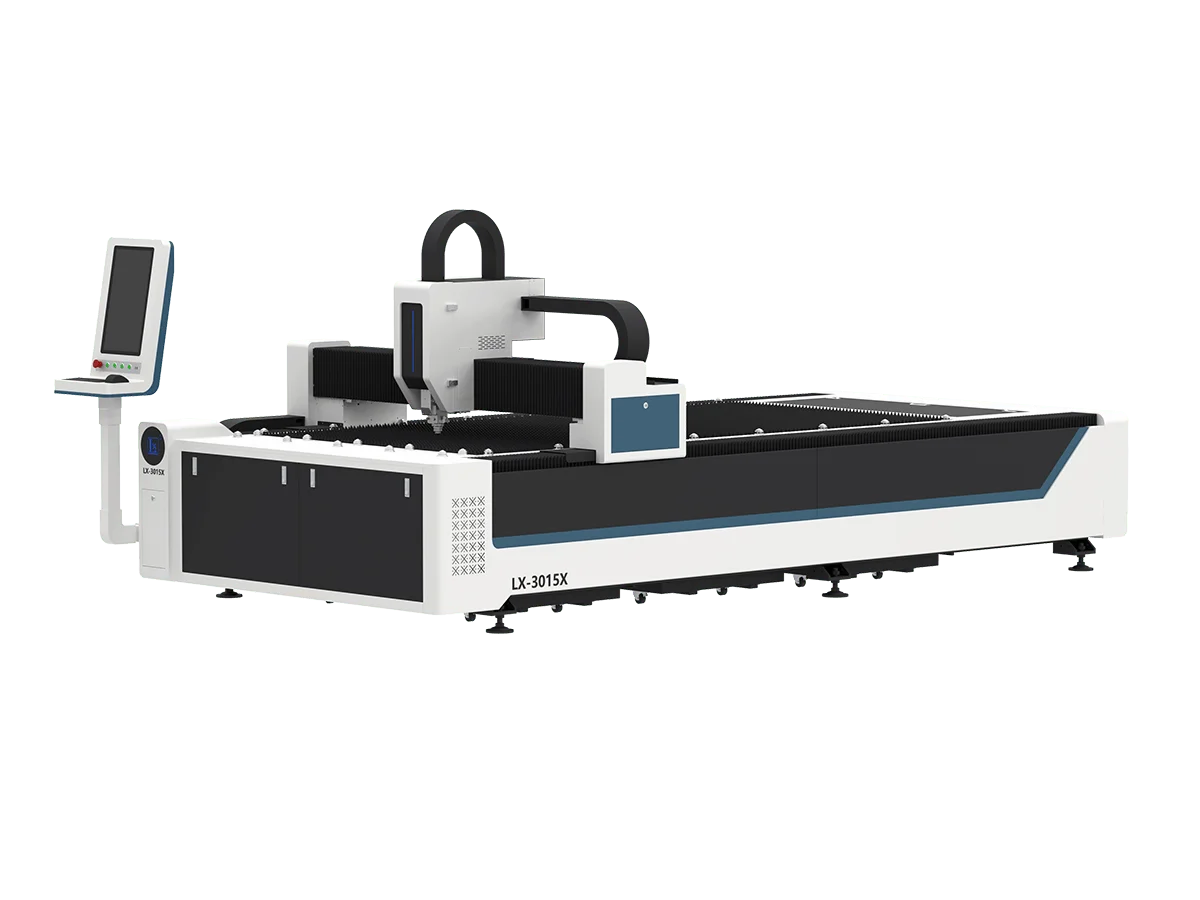
Cắt laser phẳng là công nghệ xử lý tiên tiến sử dụng chùm tia laser công suất cao để cắt chính xác các vật liệu phẳng như tấm kim loại. Với chuyển động đường laser được điều khiển bằng máy tính, nó đạt được kết quả tốc độ cao và độ chính xác cao.
(1) Vật Liệu Phù Hợp
- Kim Loại: Thép không gỉ, thép carbon, nhôm (lên đến 50mm với laser sợi quang)
- Phi Kim: Acrylic, gỗ, nhựa, thủy tinh, vật liệu composite (chủ yếu với laser CO₂)
- Tấm Mỏng: Lý tưởng cho điện tử và trang trí do rãnh cắt tối thiểu (chiều rộng cắt ~0,15mm)
(2) Các Ngành Sử Dụng Rộng Rãi
- Ô tô: Cắt chính xác tấm thân xe, khung gầm và linh kiện ống xả
- Nội Thất & Trang Trí: Tấm tùy chỉnh cho tủ, biển hiệu và hoa văn nghệ thuật
- Điện Tử: Bảng mạch, vỏ máy, tản nhiệt với độ chính xác cấp micron
(3) Lợi Ích
- Xử Lý Nhanh: Tốc độ cắt lên đến 120 m/h, nhanh hơn đáng kể so với plasma hoặc tia nước cho tấm mỏng
- Độ Chính Xác Cao: Dung sai ±0,05mm, lý tưởng cho hình dạng phức tạp
- Dễ Dàng Xếp Khuôn: Tối đa hóa việc sử dụng vật liệu, giảm lãng phí 15–30%
- Tương Thích Tự Động Hóa: Tích hợp với CNC cho sản xuất không cần giám sát
Comparison Table: Tube Laser vs. Flat Laser Cutting
| Tính năng | Cắt Laser Ống | Flat Laser Cutting |
|---|---|---|
| Suitable Workpiece | Round/square/rectangular/special-shaped tubes, profiles | Metal sheets, flat plates, non-metals like acrylic, wood |
| Processing Capability | 3D cuts (bevels, coped holes, slots), multi-angle operations | 2D cuts, nesting optimization |
| Material Flexibility | Diameter Ø20–300mm, thickness ≤25mm (carbon steel) | Thickness ≤50mm (fiber), CO₂ required for non-metals |
| Độ chính xác | ±0.05–0.1mm, burr-free, minimal thermal deformation | ±0.05mm, narrow kerf (0.1–0.2mm), ideal for fine outlines |
| Tự động hóa | Requires auto-feeding and rotating axes (A/B) | CNC tables, supports lights-out batch production |
| Equipment Cost | Higher (multi-axis movement, custom chucks), ~$32,000+ | Lower entry cost; high-power fiber models >$100,000 |
| Common Industries | Auto exhausts, construction steel, gym equipment | Appliances, signage, electronics |
When to Choose Tube Laser Cutting Over Flat Laser Cutting
The key distinction between tube and flat laser cutting lies in hình dạng chi tiết và 3D processing capabilities. Choose tube laser cutting when:
(1) Project Requirements: Complex Geometry & Automation
- 3D Complex Cutting: Tube laser is ideal for cutting beveled ends, intersecting holes, and slots on tubes and profiles—useful for items like exhaust pipes or curved brackets on fitness equipment.
- Integrated Automation: Equipped with multi-axis systems (A/B axis + pneumatic chucks), tube laser machines support full automation from feeding to unloading.
- Use Cases: Construction node connections, bevel pipe repairs in oil & gas—traditionally requiring multiple steps now completed in one.
(2) ROI: Fewer Steps = Lower Costs
- Process Integration: Replaces sawing, drilling, and punching with a single machine—cutting labor and floor space by 75%.
- Material Savings: Smart nesting reduces waste by 15–30%, such as in scaffold tube production.
- Long-term ROI: Entry-level machines (~$32,000) can break even in 6–12 months due to 8–20× productivity gains.
(3) Product Examples
- Bicycle Frames: Precision cut joints and lightweight designs depend on tube laser’s surface cutting capabilities
- Thiết bị tập thể dục: Dumbbell rods, elliptical frames need angled cuts and slotting
- Scaffolding: Coping of square tubes for multi-angle connections
- Những người khác: Exhaust manifolds, stretcher frames, hydraulic pipes
Can One Machine Do Both? Hybrid Laser Cutting Solutions
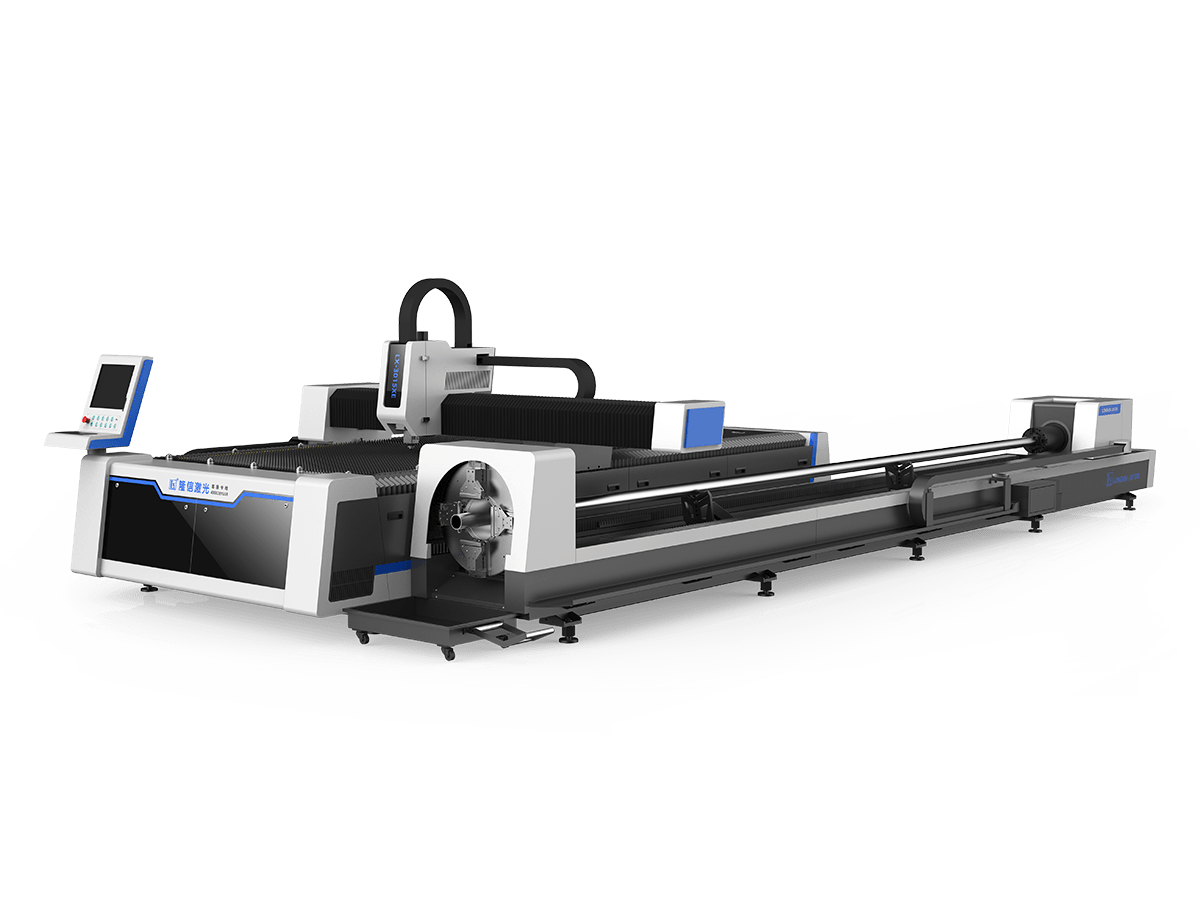
Hybrid laser cutters (aka “máy cắt laser tấm và ống“) combine flat and tube cutting functionality using high-power fiber lasers and multi-axis CNC systems (X/Y/Z + A/B rotation). These machines can clamp pipes or fix plates for versatile processing.
I. Advantages vs. Limitations
| Kích thước | Ưu điểm | Hạn chế |
|---|---|---|
| Functionality | Cuts sheets (carbon/stainless) and tubes (round/square/special) | Tube dia. limited (typically φ20–220mm); weak on thick sheets (>16mm steel) |
| Productivity | Dual-table auto-switching, seamless task shift | Requires manual fixture/parameter switch; slower than dedicated machines |
| Space & Cost | Saves 50% floor space; avoids dual equipment costs | High unit cost ($50K entry, >$100K high-end) |
| Chính xác | ±0.05mm (sheets), ±0.1mm (tubes); smooth, burr-free cuts | Long tubes (>6m) sag, needing extra support |
Typical Use Cases:
- Best fit: Gym equipment (tubes + plates), custom furniture, auto parts
- Not ideal: Ultra-thick sheets (>20mm), large tubes (>300mm dia), micron-level electronics
II. Suitability for SMEs: Balancing Cost & Flexibility
Cost Efficiency:
- One hybrid = one tube cutter + one mid-power flatbed, but only ~60–70% of their combined cost
- Example: A sheet metal shop making casings + tubular frames can avoid outsourcing loss
Lower OPEX:
- Power usage is 20–30% of CO₂ machines
- Modular design simplifies maintenance; ~30% less cost than dedicated tools
Custom Orders:
- Switch jobs via software, no molds needed
- Intelligent nesting for both tubes and sheets = up to 85% material utilization
Caution: If >70% of your orders are tube- or sheet-only, dedicated machines offer better efficiency.
III. Cost Comparison: Hybrid vs. Dedicated Machines
| Cost Item | Hybrid Laser Machine | Tube + Flatbed (Separate) | Savings |
|---|---|---|---|
| Equipment | $50,000–$120,000 | $80,000 (tube) + $70,000 (flat) | 20–40% |
| Space | 15–20 m² | 25–35 m² | 40–50% |
| Operators | 1 person | 1 person each | 50% |
| Monthly Power | 800–1200 kWh | 1500–2000 kWh | 35–45% |
| Annual Maintenance | ~$5,000 | ~$8,000 | ~37.5% |
IV. When to Choose a Hybrid Machine
Scenario A: Both Sheets & Tubes in Custom Orders
- For furniture or medical equipment using mixed materials, hybrids save outsourcing cost and boost yield.
Scenario B: Large Volume or Specialized Production
- If you’re cutting >200 parts/day or >70% are sheet/tube only, dedicated machines work better.
Scenario C: Budget & Space Constraints
- Budget ≥ $50K, factory space ≥ 15㎡; hybrids save 40–50% space compared to two machines.
Scenario D: Return on Investment
- If you produce ≤5000 parts/year and orders are 30–70% tubes vs. sheets, ROI in 1–1.5 years via 50% labor savings.
Conclusion: How to Choose the Right Laser Cutting Method
The core difference lies in material type và geometric complexity. Use this quick-reference guide:
| Requirement | Recommended Method | Common Industry Examples |
|---|---|---|
| Tubes/profiles (round/square/etc) | Cắt Laser Ống | Auto exhausts, bicycle frames, steel joints |
| Complex 3D cutting (bevels, copes) | Cắt Laser Ống | Fitness brackets, hydraulic piping |
| Mass sheet cutting (flat parts) | Flat Laser Cutting | Appliance enclosures, signage |
| High-precision 2D cutting | Flat Laser Cutting | Electronics, metal decor |
| Mixed orders (tubes + plates) | Hybrid Laser Machine | Furniture, medical instruments |
Choose Tube Laser Cutting If:
- You process hollow tubes (metal/non-metal), esp. <300mm diameter
- You need complex bevels, intersecting holes, 3D geometries
- You need automation for >100 parts/day
Choose Flat Laser Cutting If:
- You primarily handle flat sheet metal, ≤20mm thick
- You prioritize speed and budget for thin materials
- You do not need tube-processing features
Choose Hybrid Machines If:
- You accept mixed-material orders (small to medium batches)
- You want to reduce space and maximize machine use
- You accept lower extreme-performance but want high flexibility
FAQs: Tube Laser Cutting
1. What materials can a tube laser cut?
- Kim Loại: Carbon steel, stainless steel (≤25mm wall), aluminum alloys, copper (requires fiber laser)
- Phi Kim: PVC, plastic (requires CO₂ laser)
- Profiles: I-beams, angles, elliptical tubes
- ⚠️ High-reflectivity materials (e.g., pure copper) need specific laser wavelengths
2. What precision is achievable with tube laser cutting?
- Standard: ±0.05–0.1mm, burr-free
- High-end: ±0.02mm for medical applications (with ultrashort pulse lasers)
- 💡 Tip: Larger diameters and uneven wall thickness reduce accuracy
3. Is tube laser cutting better than sawing?
| Factor | Cắt Laser Ống | Traditional Sawing |
|---|---|---|
| Hiệu quả | 6m pipe in 2 min; 8–20× faster | Slow, manually fed |
| Chính xác | ±0.1mm, no secondary finishing | ±1mm, requires grinding |
| Material Yield | Smart nesting saves 15–30% | Fixed spacing = higher waste |
| Linh hoạt | Cuts, slots, bevels in one machine | Cutting only; drilling needs extras |
Kết luận: Laser cutting wins in nearly all but ultra-thick or low-cost scenarios.
4. Are maintenance costs high?
- Fiber models: ~$5,000/year
- Energy use: 25% of CO₂ laser
- Main consumables: lenses (6–12 mo), nozzles (1–3 mo)
5. Can it cut non-round tubes?
- Yes: square, rectangular, elliptical, and irregular profiles
- Requires adaptive chucks and multi-axis rotation systems