Einführung
Laserschneiden ist zu einem Eckpfeiler der modernen Fertigung geworden und bietet Präzision, Geschwindigkeit und Vielseitigkeit für eine breite Palette von Materialien. Zu den gängigsten Methoden gehören Rohrlaserschneiden und Flachlaserschneiden, die jeweils unterschiedliche Zwecke in industriellen Anwendungen erfüllen. Rohrlaserschneiden ist auf die Verarbeitung von Rohren, Leitungen und Profilen mit hoher Genauigkeit spezialisiert, während Flachlaserschneiden sich bei der Formgebung von Blechkomponenten auszeichnet.
Dieser Artikel untersucht die wichtigsten Unterschiede zwischen diesen beiden Techniken und hilft Ihnen zu bestimmen, welche am besten zu Ihren Produktionsanforderungen passt. Ob Sie mit Strukturrohren oder flachen Blechen arbeiten, das Verständnis ihrer Stärken führt Sie zur richtigen Lösung.
Was ist Rohrlaserschneiden?
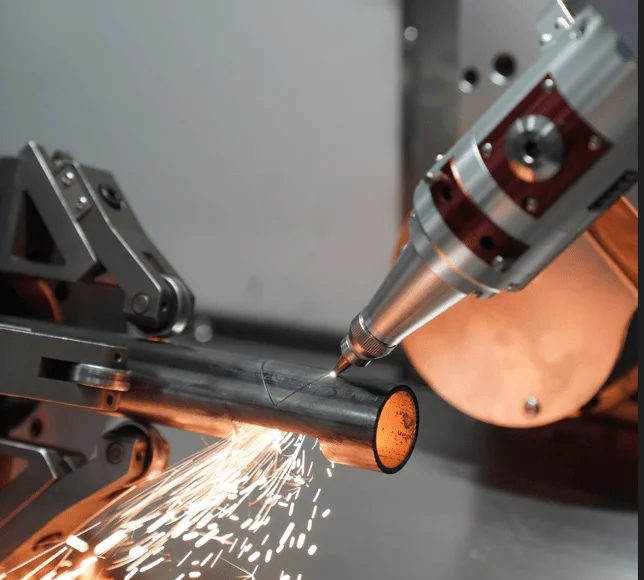
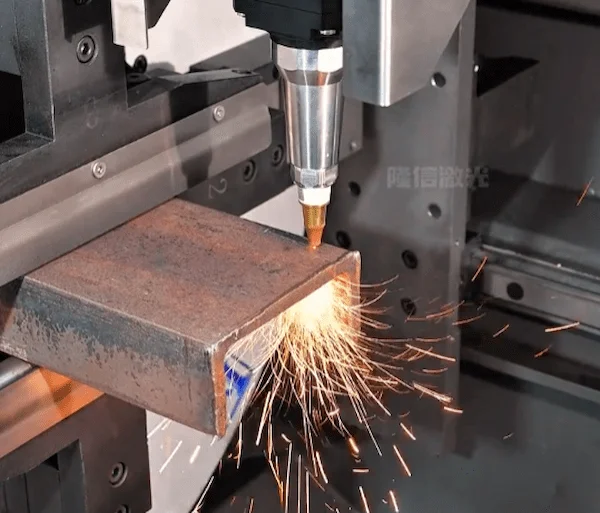
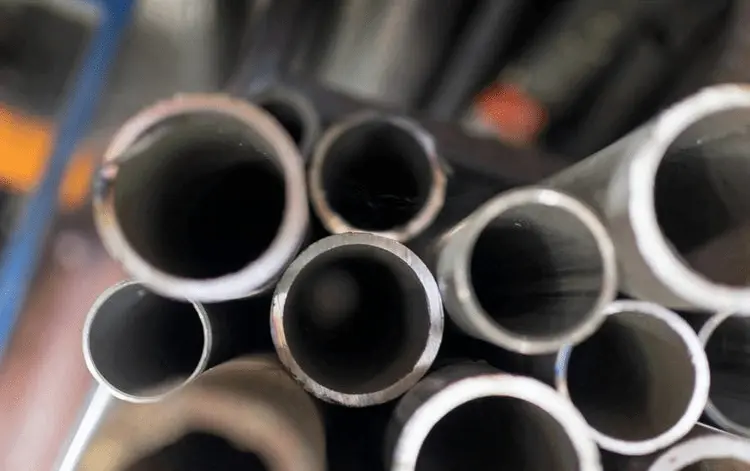
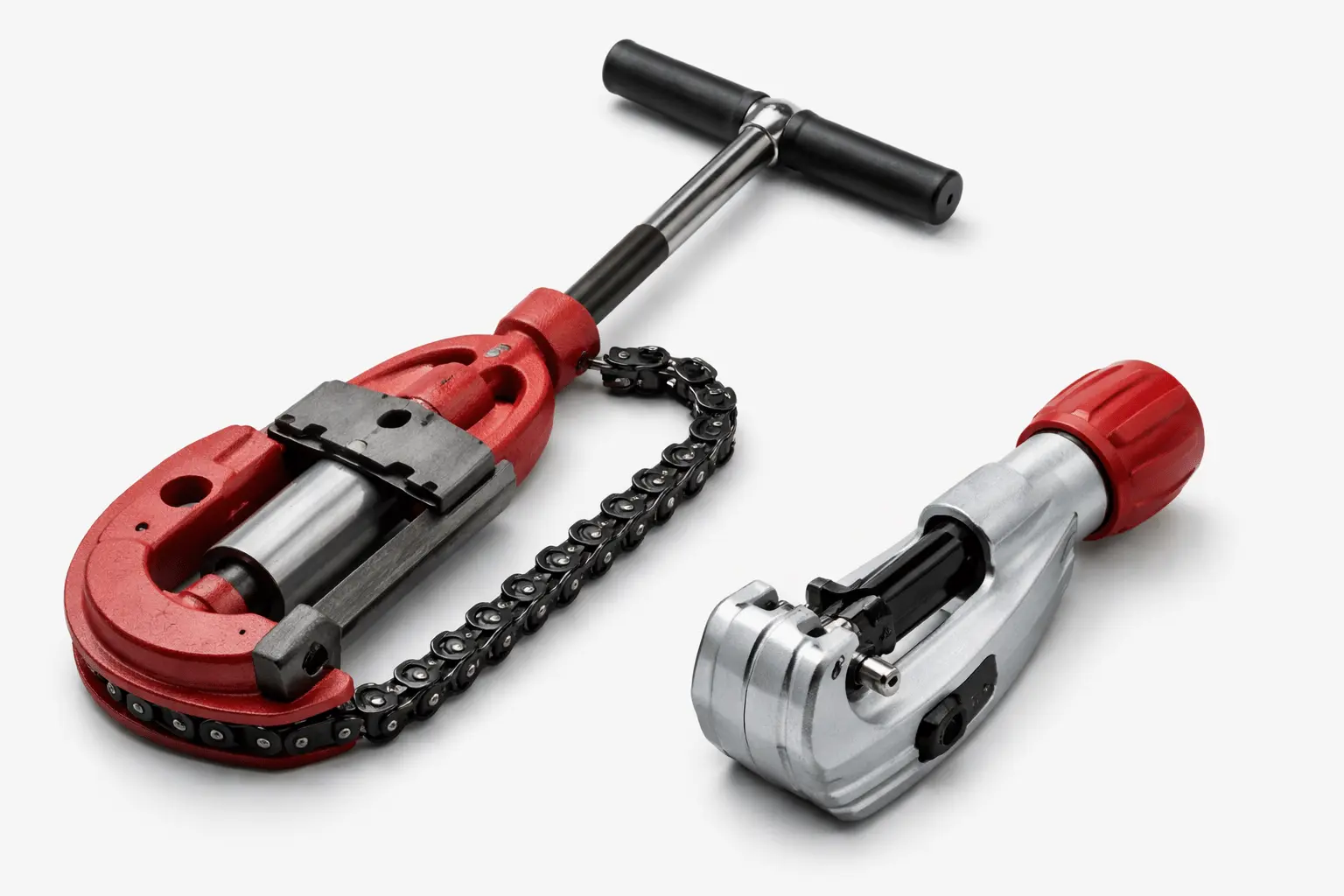
Rohrlaserschneiden ist eine hochpräzise Technik, die einen Laserstrahl mit hoher Leistungsdichte verwendet, um Metall- oder Nichtmetallrohre zu verarbeiten. Ursprünglich in der Automobil- und Luftfahrtindustrie eingesetzt, hat es sich inzwischen auf Architektur, Möbel und andere Sektoren ausgeweitet.
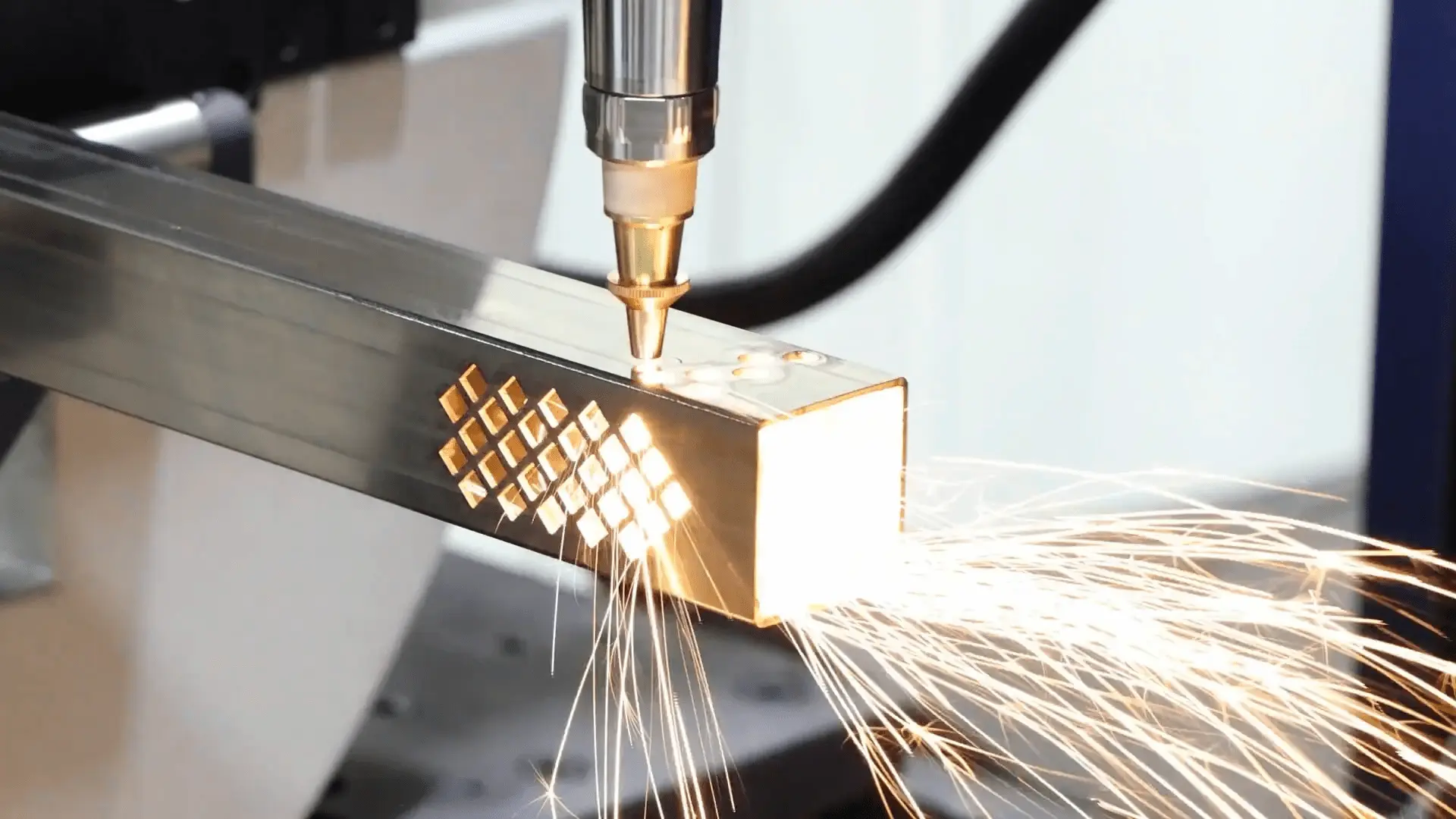
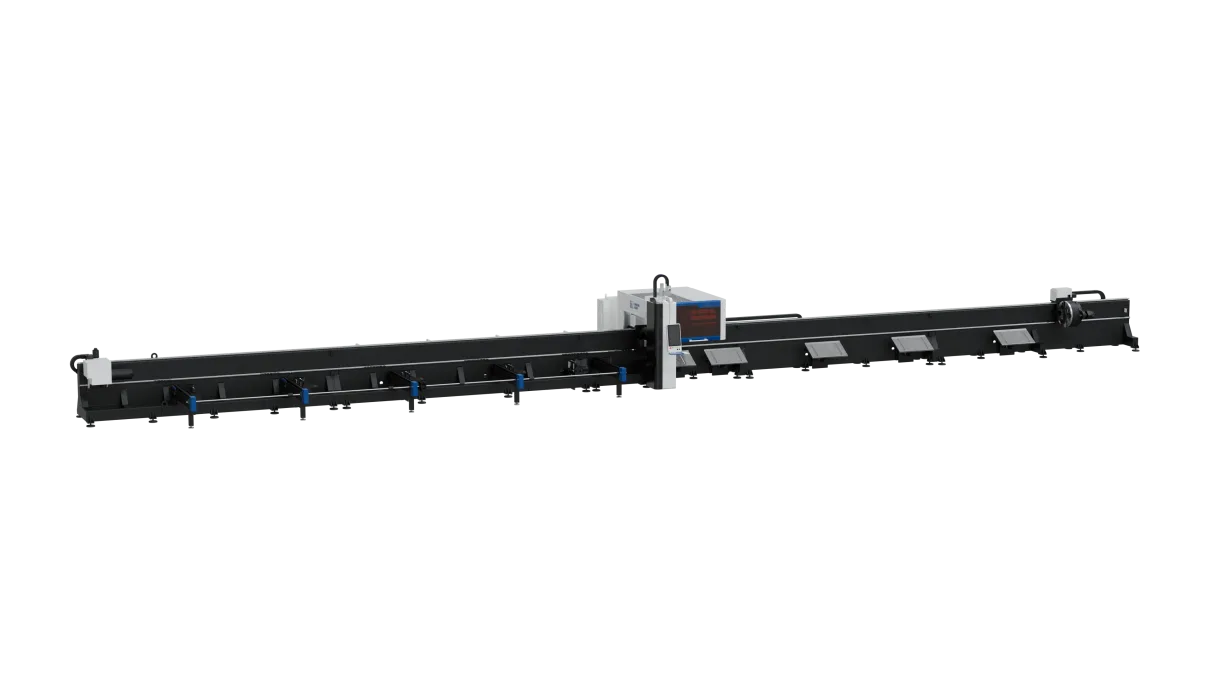
Mit CNC-Systemen, die die Bewegung des Laser Kopfes entlang der Rohrachse (X-Achse), Rotation (A/B-Achse) und vertikale Richtung (Z-Achse) steuern, ermöglicht das Rohrlaserschneiden komplexe Formen wie ausgeschnittene Löcher, abgeschrägte Kanten und unterstützt automatisiertes Be- und Entladen, was die Produktionseffizienz erheblich verbessert.
(1) Arten von Materialien, die es verarbeitet
- Runde, quadratische und rechteckige Rohre (Kohlenstoffstahl, Edelstahl, Aluminiumlegierung)
- Spezialprofile (z. B. kundenspezifische Querschnitte, taillierte Rohre)
- Nichtmetallrohre (z. B. PVC, Kunststoffrohre)
(2) Branchen, die Rohrlaserschneiden häufig verwenden
- Automotive: Strukturkomponenten, Abgasrohre, Fahrgestellteile
- Architektur & Zuhause: Stahlkonstruktionen, Türen und Fenster, Möbelrahmen
- Maschinenbau: Hydraulikrohre, Fitnessgeräte
- Neue Energie & Medizin: Präzisionsrohrkomponenten
(3) Vorteile
- Hohe Präzision: Schnittgenauigkeit von bis zu ±0,05 mm, geeignet für komplexe Geometrien
- Automatisierung: Integrierte CNC- und Roboterladesysteme reduzieren manuelle Arbeiten
- Hohe Effizienz: 8 bis 20 Mal schneller als herkömmliche Methoden, mit 15% bis 30% Materialeinsparung
- Flexibilität: Programmierbar für schnellen Designwechsel, ideal für kleine Serien und kundenspezifische Produktion
Was ist Flachlaserschneiden?
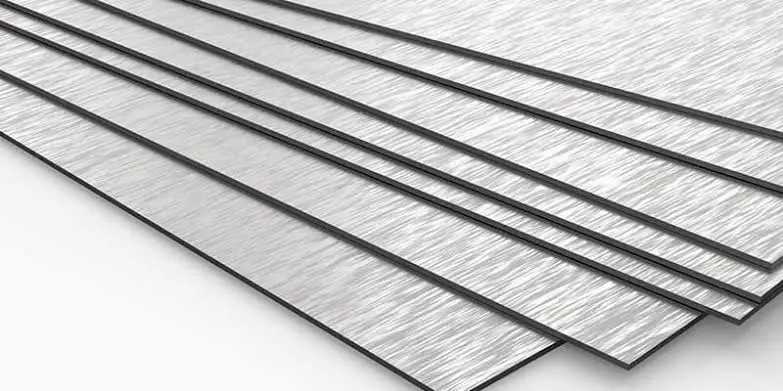
Flachlaserschneiden ist eine fortschrittliche Verarbeitungstechnologie, die einen Hochleistungslaserstrahl verwendet, um flache Materialien wie Bleche präzise zu schneiden. Mit computergesteuerter Laserbahnbewegung erzielt es Ergebnisse mit hoher Geschwindigkeit und Genauigkeit.
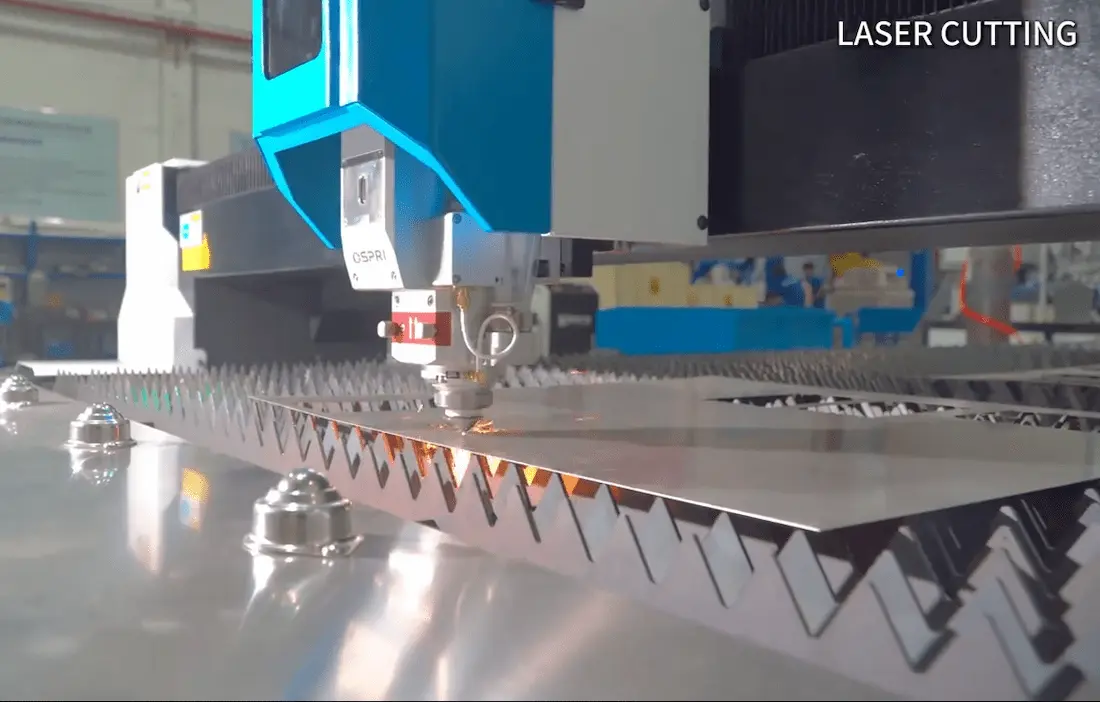
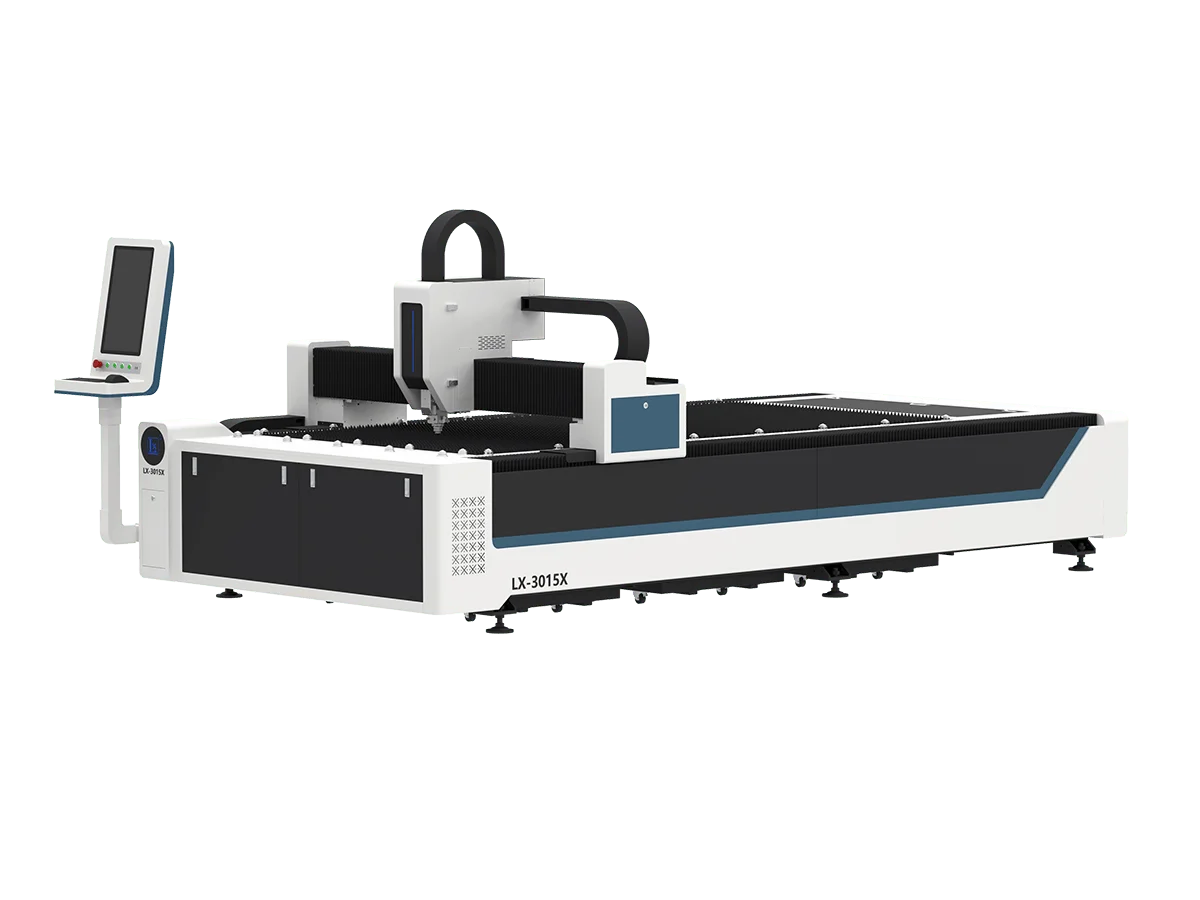
(1) Geeignete Materialien
- Metalle: Edelstahl, Kohlenstoffstahl, Aluminium (bis zu 50 mm mit Faserlasern)
- Nichtmetalle: Acryl, Holz, Kunststoffe, Glas, Verbundwerkstoffe (hauptsächlich mit CO₂-Lasern)
- Dünne Bleche: Ideal für Elektronik und dekorative Zwecke aufgrund minimaler Schnittfuge (Schnittbreite ~0,15 mm)
(2) Weit verbreitete Branchen
- Automotive: Präzisionsschneiden von Karosserieteilen, Fahrgestellen und Abgaskomponenten
- Möbel & Dekoration: Kundenspezifische Paneele für Schränke, Beschilderung und künstlerische Muster
- Elektronik: Leiterplatten, Gehäuse, Kühlkörper mit Mikrometergenauigkeit
(3) Vorteile
- Schnelle Verarbeitung: Schnittgeschwindigkeiten bis zu 120 m/h, deutlich schneller als Plasma- oder Wasserstrahlschneiden für dünne Bleche
- Hohe Genauigkeit: ±0,05 mm Toleranz, ideal für komplexe Formen
- Einfache Verschachtelung: Maximiert die Materialnutzung, reduziert Abfall um 15–30%
- Automatisierungskompatibel: Integriert sich in CNC für unbeaufsichtigte Produktion
Vergleichstabelle: Rohrlaser vs. Flachlaserschneiden
| Funktion | Rohrlaserschneiden | Flachlaserschneiden |
|---|---|---|
| Geeignetes Werkstück | Runde/quadratische/rechteckige/Sonderprofile, Profile | Metallbleche, flache Platten, Nichtmetalle wie Acryl, Holz |
| Verarbeitungsfähigkeit | 3D-Schnitte (Schrägen, ausgeschnittene Löcher, Schlitze), Mehrwinkeloperationen | 2D-Schnitte, Verschachtelungsoptimierung |
| Materialflexibilität | Durchmesser Ø20–300mm, Dicke ≤25mm (Kohlenstoffstahl) | Dicke ≤50mm (Faser), CO₂ erforderlich für Nichtmetalle |
| Genauigkeit | ±0,05–0,1mm, gratfrei, minimale thermische Verformung | ±0,05mm, schmale Schnittfuge (0,1–0,2mm), ideal für feine Konturen |
| Automatisierung | Erfordert automatische Zuführung und rotierende Achsen (A/B) | CNC-Tische, unterstützt unbeaufsichtigte Serienproduktion |
| Anschaffungskosten | Höher (Mehrachsenbewegung, kundenspezifische Spannfutter), ~$32.000+ | Niedrigere Einstiegskosten; Hochleistungs-Fasermodelle >$100.000 |
| Häufige Branchen | Autoabgasanlagen, Baustahl, Fitnessgeräte | Haushaltsgeräte, Beschilderung, Elektronik |
Wann Rohrlaserschneiden gegenüber Flachlaserschneiden wählen
Der Hauptunterschied zwischen Rohr- und Flachlaserschneiden liegt in den Werkstückgeometrie und 3D-Verarbeitungsfähigkeiten. Wählen Sie Rohrlaserschneiden, wenn:
(1) Projektanforderungen: Komplexe Geometrie & Automatisierung
- 3D-Komplexschneiden: Rohrlaser ist ideal zum Schneiden von Schrägflächen, sich kreuzenden Löchern und Schlitzen an Rohren und Profilen—nützlich für Teile wie Abgasrohre oder gebogene Halterungen an Fitnessgeräten.
- Integrierte Automatisierung: Ausgestattet mit Mehrachsensystemen (A/B-Achse + pneumatische Spannfutter) unterstützen Rohrlasermaschinen die vollständige Automatisierung vom Zuführen bis zum Entladen.
- Anwendungsfälle: Bauknotenverbindungen, Schrägrohrreparaturen in Öl & Gas—traditionell mehrere Schritte erfordernd, jetzt in einem erledigt.
(2) ROI: Weniger Schritte = Niedrigere Kosten
- Prozessintegration: Ersetzt Sägen, Bohren und Stanzen durch eine einzige Maschine—reduziert Arbeitskräfte und Stellfläche um 75%.
- Materialeinsparungen: Intelligente Verschachtelung reduziert Abfall um 15–30%, z. B. bei der Gerüstrohrproduktion.
- Langfristiger ROI: Einstiegsmaschinen (~$32.000) können sich in 6–12 Monaten amortisieren dank 8–20× Produktivitätssteigerungen.
(3) Produktbeispiele
- Fahrradrahmen: Präzisionsgeschnittene Verbindungen und leichte Designs hängen von den Oberflächenschneidefähigkeiten des Rohrlasers ab
- Fitnessgeräte: Hantelstangen, Ellipsentrainerrahmen benötigen Winkelschnitte und Schlitzen
- Gerüste: Ausklinken von Vierkantrohren für Mehrwinkelverbindungen
- Andere: Abgaskrümmer, Tragerahmen, Hydraulikrohre
Kann eine Maschine beides? Hybride Laserschneidlösungen
Hybride Laserschneider (auch “Laserschneidmaschinen für Bleche und Rohre“) kombinieren Flach- und Rohrschneidfunktionen mit Hochleistungs-Faserlasern und Mehrachsen-CNC-Systemen (X/Y/Z + A/B-Rotation). Diese Maschinen können Rohre klemmen oder Platten fixieren für vielseitige Verarbeitung.
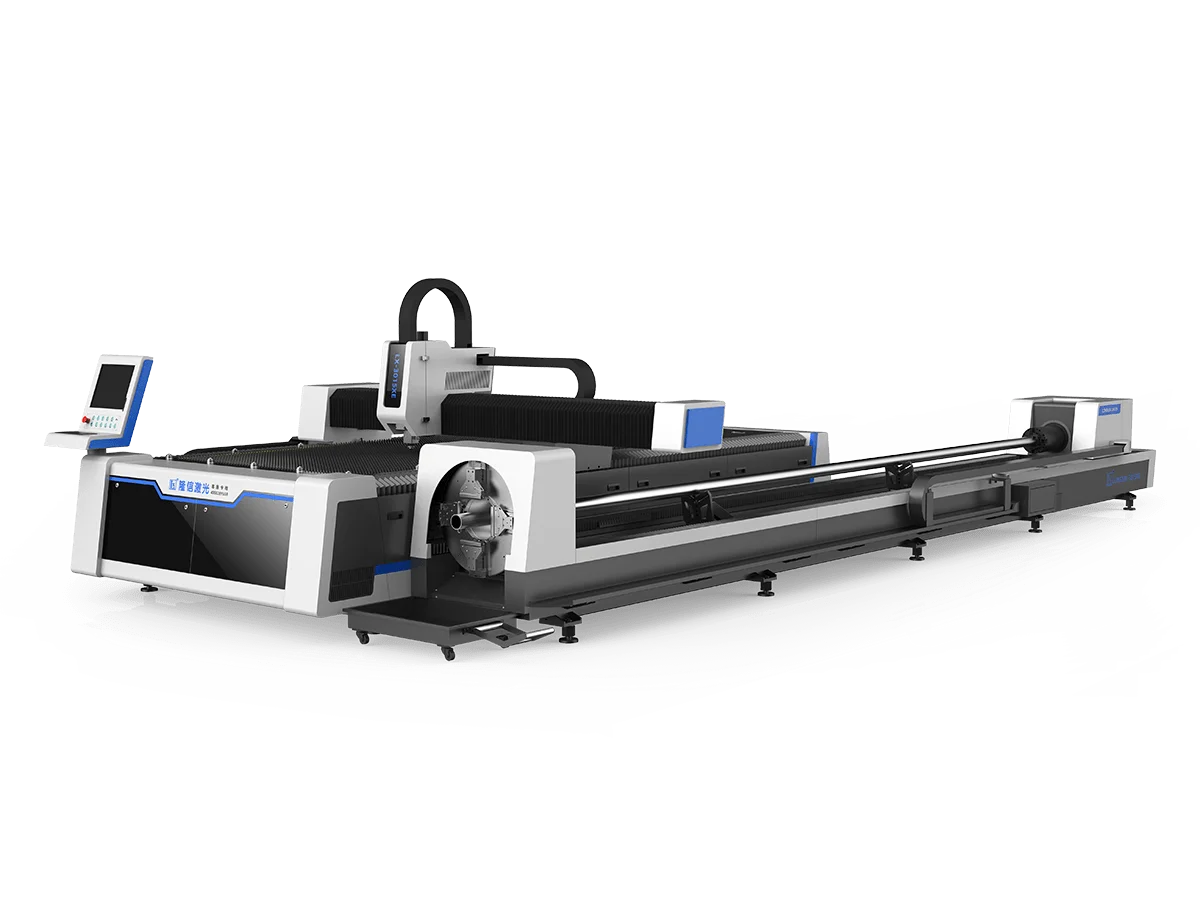
I. Vorteile vs. Einschränkungen
| Dimension | Vorteile | Beschränkungen |
|---|---|---|
| Funktionalität | Schneidet Bleche (Kohlenstoff/Edelstahl) und Rohre (rund/quadratisch/Sonderprofile) | Rohrdurchmesser begrenzt (typisch φ20–220mm); schwach bei dicken Blechen (>16mm Stahl) |
| Produktivität | Doppeltisch-Automatikwechsel, nahtloser Aufgabenübergang | Erfordert manuellen Fixture-/Parameterwechsel; langsamer als spezialisierte Maschinen |
| Platz & Kosten | Spart 50–70% Stellfläche; vermeidet doppelte Ausrüstungskosten | Hohe Stückkosten (ab 50.000 € Einstieg, >100.000 € High-End) |
| Präzision | ±0,05mm (Bleche), ±0,1mm (Rohre); glatte, gratfreie Schnitte | Lange Rohre (>6m) sacken durch, benötigen zusätzliche Unterstützung |
Typische Anwendungsfälle:
- Am besten geeignet: Fitnessgeräte (Rohre + Platten), individuelle Möbel, Autoteile
- Nicht ideal: Ultra-dicke Bleche (>20mm), große Rohre (>300mm Durchmesser), Mikrometer-genaue Elektronik
II. Eignung für KMU: Kosten & Flexibilität im Gleichgewicht
Kosteneffizienz:
- Eine Hybridmaschine = ein Rohrschneider + eine mittelstarke Flachbettmaschine, aber nur ~60–70% der kombinierten Kosten
- Beispiel: Eine Blechwerkstatt, die Gehäuse + Rohrrahmen herstellt, kann Outsourcing-Verluste vermeiden
Niedrigere Betriebskosten:
- Stromverbrauch beträgt 20–30% von CO₂-Maschinen
- Modulares Design vereinfacht Wartung; ~30% geringere Kosten als spezialisierte Werkzeuge
Sonderanfertigungen:
- Jobwechsel per Software, keine Formen erforderlich
- Intelligente Verschachtelung für Rohre und Bleche = bis zu 85% Materialausnutzung
Vorsicht: Wenn >70% Ihrer Aufträge nur Rohre oder nur Bleche betreffen, bieten spezialisierte Maschinen bessere Effizienz.
III. Kostenvergleich: Hybrid vs. Spezialmaschinen
| Kostenpunkt | Hybrid-Lasermaschine | Rohr + Flachbett (getrennt) | Ersparnis |
|---|---|---|---|
| Ausrüstung | 000–120.000 € | 000 € (Rohr) + 70.000 € (Flachbett) | 20–40% |
| Platz | 15–20 m² | 25–35 m² | 40–50% |
| Bediener | 1 Person | 1 Person jeweils | 50% |
| Monatlicher Strom | 800–1200 kWh | 1500–2000 kWh | 35–45% |
| Jährliche Wartung | ~$5,000 | ~$8,000 | ~37.5% |
IV. Wann eine Hybridmaschine die richtige Wahl ist
Szenario A: Sowohl Bleche als auch Rohre in Sonderanfertigungen
- Für Möbel oder medizinische Geräte mit gemischten Materialien sparen Hybride Outsourcing-Kosten und steigern den Ertrag.
Szenario B: Großserien oder spezialisierte Produktion
- Wenn Sie >200 Teile/Tag schneiden oder >70 % nur Blech/Rohr sind, sind dedizierte Maschinen besser geeignet.
Szenario C: Budget- und Platzbeschränkungen
- Budget ≥ 150.000 $, Werksfläche ≥ 15 m²; Hybride sparen 40–50 % Platz im Vergleich zu zwei Maschinen.
Szenario D: Return on Investment
- Wenn Sie ≤5.000 Teile/Jahr produzieren und Aufträge zu 30–70 % aus Rohren vs. Blechen bestehen, ROI in 1–1,5 Jahren durch 50 % Personalkosteneinsparungen.
Fazit: So wählen Sie die richtige Laserschneidmethode
Der Kernunterschied liegt in Materialart und geometrischer Komplexität. Nutzen Sie diese Kurzübersicht:
| Anforderung | Empfohlene Methode | Häufige Branchenbeispiele |
|---|---|---|
| Rohre/Profile (rund/quadratisch/etc.) | Rohrlaserschneiden | Autoabgasanlagen, Fahrradrahmen, Stahlverbindungen |
| Komplexes 3D-Schneiden (Schrägen, Ausschnitte) | Rohrlaserschneiden | Fitnesshalterungen, Hydraulikleitungen |
| Massenblechschneiden (flache Teile) | Flachlaserschneiden | Gerätegehäuse, Beschilderung |
| Hochpräzises 2D-Schneiden | Flachlaserschneiden | Elektronik, Metalldekor |
| Gemischte Aufträge (Rohre + Bleche) | Hybrid-Lasermaschine | Möbel, medizinische Instrumente |
Wählen Sie Rohrlaserschneiden, wenn:
- Sie Hohlrohre (Metall/Nichtmetall) verarbeiten, insbesondere <300 mm Durchmesser
- Sie komplexe Schrägen, sich kreuzende Bohrungen, 3D-Geometrien benötigen
- Sie Automatisierung für >100 Teile/Tag benötigen
Wählen Sie Flachbett-Laserschneiden, wenn:
- Sie hauptsächlich mit flachen Blechen ≤20 mm Dicke arbeiten
- Geschwindigkeit und Budget für dünne Materialien Priorität haben
- Sie keine Rohrverarbeitungsfunktionen benötigen
Wählen Sie Hybridmaschinen, wenn:
- Sie gemischte Materialaufträge (kleine bis mittlere Serien) akzeptieren
- Sie Platz sparen und die Maschinenauslastung maximieren möchten
- Sie geringere Höchstleistung akzeptieren, aber hohe Flexibilität wünschen
FAQs: Rohrlaserschneiden
1. Welche Materialien kann ein Rohrlaser schneiden?
- Metalle: Kohlenstoffstahl, Edelstahl (≤25 mm Wandstärke), Aluminiumlegierungen, Kupfer (erfordert Faserlaser)
- Nichtmetalle: PVC, Kunststoff (erfordert CO₂-Laser)
- Profile: I-Träger, Winkel, elliptische Rohre
- ⚠️ Hochreflektierende Materialien (z. B. reines Kupfer) benötigen spezifische Laserwellenlängen
2. Welche Präzision ist mit Rohrlaserschneiden erreichbar?
- Standard: ±0,05–0,1 mm, gratfrei
- Hochwertig: ±0,02 mm für medizinische Anwendungen (mit Ultrakurzpulslasern)
- 💡 Tipp: Größere Durchmesser und ungleichmäßige Wandstärken verringern die Genauigkeit
3. Ist Rohrlaserschneiden besser als Sägen?
| Faktor | Rohrlaserschneiden | Traditionelles Sägen |
|---|---|---|
| Effizienz | 6-m-Rohr in 2 Min.; 8–20× schneller | Langsam, manuell zugeführt |
| Präzision | ±0,1 mm, keine Nachbearbeitung | ±1 mm, Schleifen erforderlich |
| Materialausbeute | Intelligentes Nesting spart 15–30 % | Fester Abstand = höherer Abfall |
| Flexibilität | Schnitte, Schlitze, Fasen in einer Maschine | Nur Schneiden; Bohren erfordert Zusatzgeräte |
Fazit: Laserschneiden ist in fast allen Fällen besser, außer bei extrem dicken oder kostengünstigen Szenarien.
4. Sind die Wartungskosten hoch?
- Faserlaser: ~15.000 €/Jahr
- Energieverbrauch: 25 % eines CO₂-Lasers
- Hauptverbrauchsmaterialien: Linsen (6–12 Monate), Düsen (1–3 Monate)
5. Kann es nicht-runde Rohre schneiden?
- Ja: quadratische, rechteckige, elliptische und unregelmäßige Profile
- Erfordert adaptive Spannsysteme und Mehrachsen-Rotationssysteme