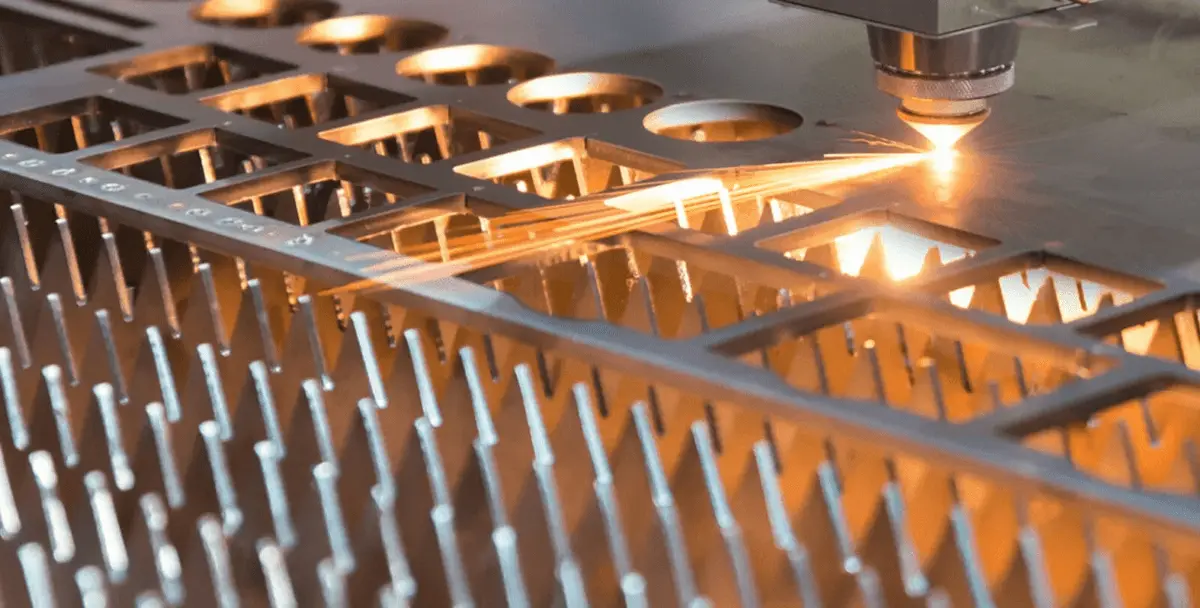
Резка стали толщиной 20–60 мм лазером больше не является экзотикой — это часть повседневного тяжелого производства. Тем не менее, лазерная резка толстых листов по-прежнему имеет узкие технологические окна: энергия должна проникать глубоко, расплавленный материал должен эффективно удаляться, а фронт реза должен оставаться стабильным на больших расстояниях. Ниже приведены основные проблемы, с которыми сталкиваются на производственных площадках, — и проверенные решения.
Почему толстые листы сложны
С увеличением толщины доминируют три физических эффекта: фронт реза становится длинным и крутым, что затрудняет удаление расплава; поток вспомогательного газа образует ударные ячейки, отклоняющие расплавленный материал; а накопление тепла расширяет пропил и делает кромки шероховатыми. Без точного контроля эти факторы приводят к грату, конусности или даже неполным резам.
Мощность и качество пучка
Волоконные и дисковые лазеры высокой яркости класса 10–24 кВт обеспечивают реальную резку толстых сечений в сочетании с правильной головкой и параметрами. Например, современные промышленные системы могут обрабатывать нержавеющую сталь толщиной до 40–50 мм и углеродистую сталь толщиной до 60 мм с помощью пакетов для резки толстых листов.
Формирование пучка стало важным рычагом. Динамическое формирование пучка или “резка с колебанием” перераспределяет энергию вдоль фронта реза, улучшая качество и скорость при резке нержавеющей стали толщиной 15 мм и более. Этот подход расширяет технологическое окно и сокращает количество остановок.
Вспомогательный газ: кислород против азота
- Углеродистая сталь (кислородная резка): Кислород вступает в реакцию с материалом, выделяя дополнительное тепло и способствуя проникновению. Это позволяет использовать меньшую мощность лазера для толстых резов, но создает окисленную темную кромку, которая может потребовать последующей очистки.
- Нержавеющая сталь (азотная резка): Азот предотвращает окисление и обеспечивает яркую чистую кромку, но требует очень высокого давления (12–30 бар) и расхода для физического удаления расплавленного материала из пропила. Конструкция сопла и размеры газовых линий становятся критически важными для предотвращения падения давления и нестабильных резов.
Понимание ограничений вашей инфраструктуры необходимо; избыточное давление не поможет, если газовая струя уже находится в состоянии запирания.
Прокол: скрытые потери времени
На толстых листах прокол часто занимает больше времени цикла, чем сама резка. Традиционный стационарный прокол может вызывать длительные задержки и дефекты в виде брызг. Передовые стратегии, такие как круговой (трепанационный) прокол или прокол с модуляцией мощности, могут сократить время прокола почти вдвое, обеспечивая при этом более чистые отверстия. Оптимизация частоты импульсов гарантирует правильное удаление расплавленного материала, избегая повторного затвердевания.
Практические рекомендации по параметрам
- Положение фокуса: Чуть ниже поверхности для кислородной резки; глубже для азотной, чтобы поддерживать энергию на фронте реза.
- Сопло и зазор: Более крупные или оптимизированные сопла с зазором ~1 мм сохраняют когерентность газа через пропил.
- Активное охлаждение: Локальное охлаждение стабилизирует сварочную ванну в толстой углеродистой стали и позволяет более плотно размещать детали.
- Модуляция пучка: Высокочастотное колебание пучка расширяет технологическое окно и улучшает гладкость кромок нержавеющей стали.
Распространенные проблемы и решения
| Симптом | Вероятная причина | Решение |
| Сильный грат (нержавеющая сталь) | Недостаточный импульс азота | Увеличьте размер линии, пропускную способность по давлению или используйте оптимизированное сопло |
| Окисленная кромка (углеродистая сталь) | Реакция кислородной резки | Допустимо для окрашенных или сварных деталей; переключитесь на азот, если требуется косметическая отделка |
| Конусность пропила / неполный рез | Фокус слишком высокий | Опустите фокус или примените формирование пучка |
| Долгое время прокола | Стационарный прокол | Используйте круговые или модулированные циклы прокола |
| Случайные остановки | Нестабильность подачи газа | Проверьте чистоту, журналы давления и состояние сопла |
Ориентировочное руководство по возможностям
| Мощность лазера | Углеродистая сталь (O₂) | Нержавеющая сталь (N₂) |
| 6 кВт | 25–32 мм | ~25 мм |
| 10–12 кВт | 25–35 мм (до 40 мм с пакетом) | 30–40 мм (до 50 мм с пакетом) |
| 24 кВт | до 60 мм | ~40 мм |
Эти значения основаны на спецификациях ведущих производителей оборудования и должны быть проверены на практике с использованием пробных образцов.
Контрольный список для закупки
При оценке систем для лазерной резки толстых листов спросите поставщиков:
- Может ли ваша газовая инфраструктура обеспечить подачу азота 20–30 бар при полном расходе без падения давления?
- Поддерживает ли ЧПУ круговые и модулированные по мощности циклы прокола?
- Доступно ли динамическое формирование пучка или режим колебания для толстой нержавеющей стали?
- Are cooling features offered for thick mild steel cutting stability?
На сайте Longxin Laser, we integrate these techniques into high-power laser cutting machines, enhancing controllability for thick-plate projects—delivering bright edges in stainless steel cutting, swift oxygen cutting for carbon steel, and stable, reliable piercing performance. For purchasers and engineers, the combination of high-power output, optimised gas handling, advanced piercing strategies, and modern beam control represents the optimal development path in heavy-duty laser cutting.