Tóm tắt điều hành: Tham khảo nhanh chiến lược
Khi ngành sản xuất toàn cầu chuyển từ câu hỏi “tại sao” của in 3D sang câu hỏi “làm thế nào” của tích hợp công nghiệp, việc lựa chọn động cơ laser phù hợp sẽ quyết định tính khả thi của toàn bộ dây chuyền sản xuất. Hướng dẫn này phân tích năm công nghệ laser chủ đạo qua lăng kính hiệu suất, chi phí và ROI chiến lược.
| Loại laser | Ứng dụng chính | Lợi thế chính | Hạn chế chiến lược |
|---|---|---|---|
| Sợi | SLM kim loại | Mật độ tương đối cao nhất; hệ sinh thái trưởng thành. | Ứng suất nhiệt cao; hậu xử lý phức tạp. |
| CO₂ | SLS polyme | Hình học không cần hỗ trợ; tính linh hoạt vật liệu. | Độ chính xác/hoàn thiện bề mặt thấp hơn UV. |
| Tia cực tím | SLA nhựa | Độ phân giải và hoàn thiện bề mặt vượt trội. | Độ bền vật liệu và khả năng chịu nhiệt hạn chế. |
| Nd:YAG | Ốp/AM kim loại | Hấp thụ kim loại đặc hiệu; ổn định trạng thái rắn. | Hiệu suất thấp hơn hệ thống Fiber hiện đại. |
| Diode/IR xung | In diện tích | Quy mô lớn; chi phí/năng suất tách rời. | Độ dày lớp cố định 25 µm; công nghệ mới nổi. |
Giới thiệu: Vai trò chiến lược của Laser trong ngành công nghiệp hiện đại
Trong bối cảnh “Công nghiệp 4.0” hiện nay, công nghệ laser đã trưởng thành từ một công cụ phòng thí nghiệm chuyên dụng thành nền tảng thiết yếu của sản xuất chính xác cao. Laser không còn chỉ là công cụ cắt; chúng là những kiến trúc sư năng lượng cao có khả năng tạo ra các hình học phức tạp mà đúc hoặc rèn truyền thống không thể tái tạo.
Hướng dẫn này tận dụng chuyên môn sâu về khoa học vật liệu và quang tử học để làm sáng tỏ năm loại laser cốt lõi: Fiber, CO₂, UV, Nd:YAG và Diode/IR xung. Trong khi các nguồn năng lượng khác như Nấu chảy chùm tia điện tử (EBM) đại diện cho một quy trình chính thống cho vật liệu giòn, nhiệt cao trong môi trường chân không, các hệ thống dựa trên laser vẫn là lực lượng thống trị trong thị trường AM toàn cầu nhờ tính linh hoạt và khả năng thích ứng khí quyển.
Laser Fiber: Chuyên gia kim loại chính xác cao
Laser Fiber hiện đang nắm giữ vị thế thống trị chiến lược trong lĩnh vực sản xuất bồi đắp (AM) kim loại, chủ yếu là động cơ cho Nấu chảy laser chọn lọc (SLM). Vị thế thị trường của chúng được củng cố bởi sự trưởng thành đáng kể về phần mềm và cơ khí, khiến chúng trở thành “tiêu chuẩn vàng” cho phần cứng hàng không vũ trụ và y tế quan trọng.
Nguyên lý tạo ra
ĐÍNH CHÍNH: Laser Fiber hoạt động ở bước sóng khoảng 1,06-1,07 µm (thường là 1040 nm hoặc 1064 nm), không phải 1,09 µm như đôi khi được trích dẫn. Laser Fiber hiện đại dùng trong AM thường là laser pha tạp ytterbium (Yb) được bơm bởi laser diode ở 950-980 nm. Các hệ thống này được đánh giá cao về hiệu suất chuyển đổi quang điện cao (khoảng 25%) và chế độ chùm tia gần khớp với chế độ cơ bản (TEM00). Trong cấu hình SLM, laser được dẫn hướng qua một chuỗi quang học tinh vi—bao gồm bộ mở rộng chùm tia và thấu kính hội tụ F-θ—để nấu chảy chính xác các lớp bột kim loại.
Lớp “Vậy thì sao?”: Giá trị chiến lược
Bước sóng 1,06-1,07 µm được tối ưu hóa đặc biệt cho khả năng hấp thụ cao ở các kim loại công nghiệp như titan, thép không gỉ và hợp kim niken. Bằng cách tập trung năng lượng này vào một điểm cực kỳ mịn, laser Fiber đạt được mật độ tương đối tiến gần đến 100%. Tính toàn vẹn luyện kim này cho phép các bộ phận in đạt đến mức hiệu suất cơ học tương đương với các thành phần rèn, vượt xa đúc truyền thống.
Sử dụng công nghiệp & Kịch bản ứng dụng
- Hàng không vũ trụ: Các bộ phận kết cấu chịu tải cao và thành phần tuabin.
- Y tế: Cấy ghép chỉnh hình dành riêng cho bệnh nhân với cấu trúc xốp phức tạp.
- Điện tử: Tản nhiệt chuyên dụng và vỏ dẫn điện.
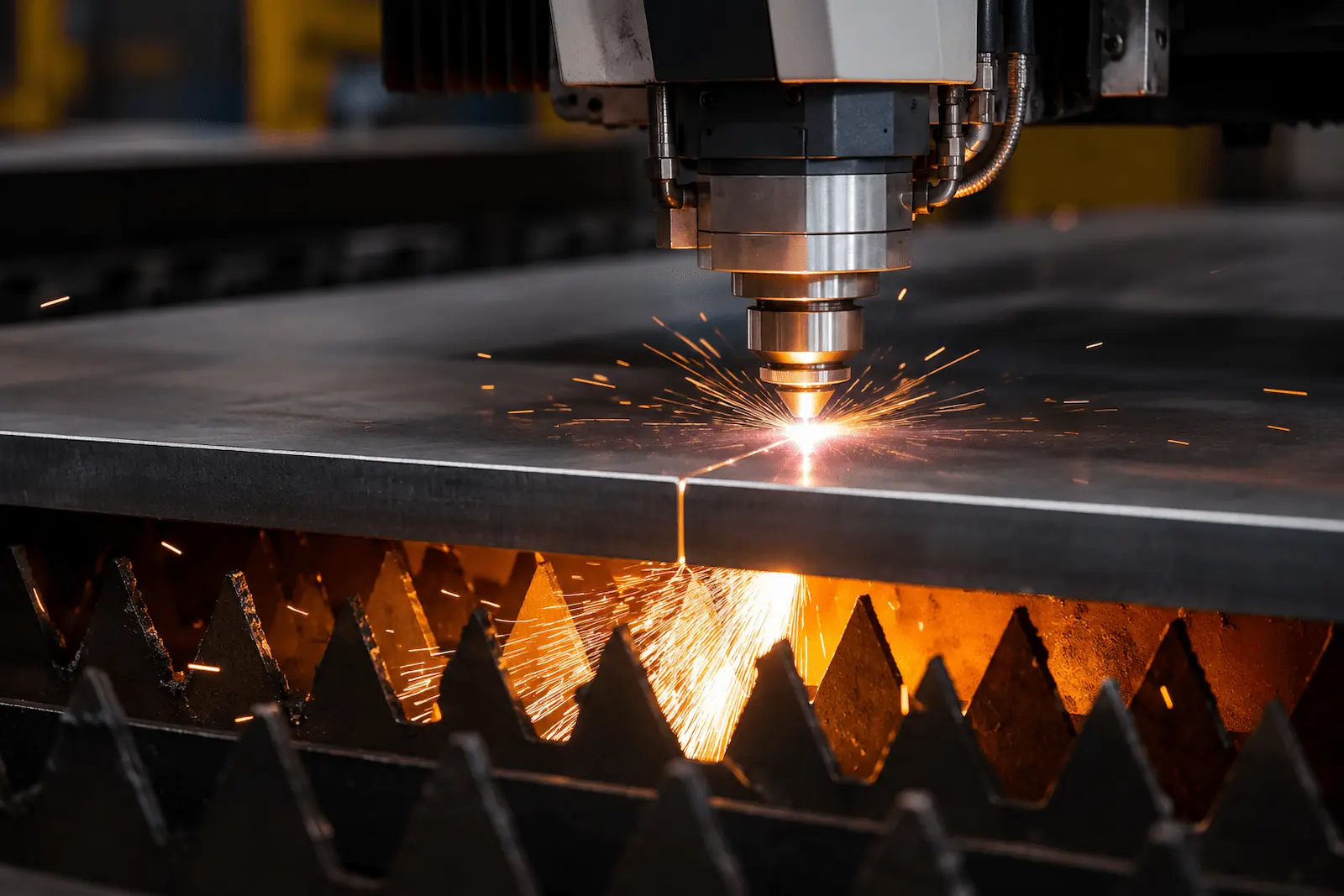
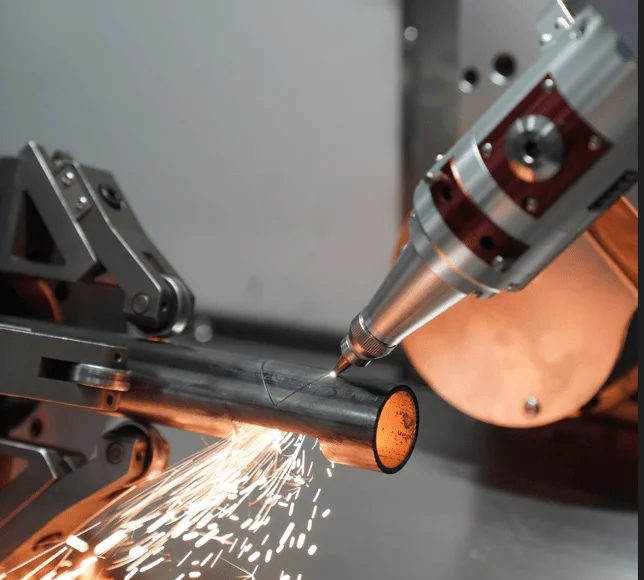
- Sản xuất: Ngoài sản xuất bồi đắp, laser fiber cung cấp năng lượng cho máy cắt laser fiber chính xác cao để chế tạo kim loại tấm và sản xuất linh kiện công nghiệp. máy cắt laser sợi quang dùng cho gia công kim loại tấm và sản xuất linh kiện công nghiệp.
Nấu chảy laser chọn lọc (SLM) hiện là quy trình sản xuất bồi đắp kim loại hoàn thiện nhất. Ưu điểm của nó nằm ở khả năng “giao hàng trực tiếp” các chi tiết chức năng. Tuy nhiên, các nhà tư vấn phải tính đến khâu hậu xử lý: các chi tiết thường được hàn vào bàn tạo hình và cần cắt dây EDM hoặc phay CNC để gỡ bỏ, làm tăng tổng chi phí sở hữu.
Laser CO₂: Kiến trúc sư đa năng cho phi kim
Trong khi laser sợi quang thống trị lĩnh vực kim loại, laser CO₂ vẫn là nền tảng cho gia công công nghiệp phi kim, đặc biệt trong Thiêu kết laser chọn lọc (SLS).
Nguyên lý tạo ra
Laser CO₂ là hệ thống dựa trên khí hoạt động ở bước sóng 10,6 µm (với các bước sóng thay thế 9,3 µm và 9,6 µm dành cho các vật liệu cụ thể). Tia laser quét qua lớp bột đã được gia nhiệt trước. Thay vì nấu chảy hoàn toàn, tia laser cung cấp năng lượng nhiệt cần thiết để “thiêu kết” hoặc liên kết phân tử các polyme và gốm sứ dưới sự điều khiển chính xác của máy tính.
Các yếu tố khác biệt chính: Bối cảnh cạnh tranh
Laser CO₂ tạo điều kiện cho phạm vi vật liệu chức năng rộng hơn, bao gồm nylon (PA12) và các polyme chuyên dụng. Không giống như các hệ thống dựa trên kim loại, SLS sử dụng lớp bột chưa thiêu kết làm giá đỡ tự nhiên. Điều này cung cấp độ nổi và sự ổn định tự nhiên cho chi tiết trong quá trình tạo hình, cho phép các hình học “không cần giá đỡ”.
Sử dụng công nghiệp & Kịch bản ứng dụng
- Ô tô: Ống dẫn, ống góp và các chi tiết nội thất chức năng có độ bền cao.
- Tạo mẫu: Lặp nhanh các mô hình hình học phức tạp mà không cần loại bỏ giá đỡ.
- Hàng tiêu dùng: Các chi tiết sử dụng cuối cùng có độ bền cao, chống chịu môi trường.
Việc không yêu cầu cấu trúc hỗ trợ trong quy trình SLS CO₂ giúp giảm đáng kể chi phí nhân công ở khâu hậu xử lý và cho phép mật độ “sắp xếp” cao hơn trong buồng tạo hình, tối đa hóa sản lượng mỗi chu kỳ.
Laser Cực tím (UV): Bậc thầy trùng hợp độ phân giải cao
Laser UV là lựa chọn chiến lược cho các ứng dụng mà thẩm mỹ bề mặt và độ chính xác kích thước là các KPI chính, đóng vai trò là nguồn năng lượng cho Quang trùng hợp lập thể (SLA).
Nguyên lý tạo ra
UV lasers utilize high-frequency ultraviolet light (typically 355 nm or 405 nm wavelengths) to trigger photopolymerization. As the laser scans the surface of a liquid photosensitive resin, it causes a localized chemical reaction that solidifies the liquid into a solid polymer layer-by-layer.
The “So What?” Layer: Precision vs. Strength
The short wavelength of UV light allows for a smaller focal point, making it the industry benchmark for resolution. While UV-cured resins typically lack the mechanical strength or heat resistance of metals or SLS polymers, they offer a surface finish that is often assembly-ready without aggressive sanding.
Strategic Comparison: SLA (UV) vs. SLM (Fiber)
| Tính năng | SLA (UV Laser) | SLM (Fiber Laser) |
|---|---|---|
| Surface Quality | Superior / Smooth | Medium (Grainy) |
| Tính đa dụng của vật liệu | Limited (Photosensitive resins) | High (Various Metals/Alloys) |
| Part Size Capability | Small to Medium | Small to Large |
| Xử lý sau | Washing and UV Curing | Stress relief, EDM removal, Grinding |
| Mechanical Integrity | Brittle; low heat resistance | High; comparable to forged parts |
For dental models and high-precision injection molds, the UV laser’s ability to eliminate visible “layer lines” reduces secondary finishing costs, justifying the higher cost of resin consumables.
5. Nd:YAG Lasers: The Solid-State Foundation
The Nd:YAG (Neodymium-doped Yttrium Aluminum Garnet) laser is a traditional solid-state pillar that continues to play a role in specialized direct metal forming.
Nguyên lý tạo ra
Nd:YAG lasers operate at a 1.064 µm wavelength (1064 nm). Although they share similar wavelengths with some Fiber lasers, the generation of the beam through a solid-state crystal provides a different stability profile and power delivery characteristic. The laser uses a neodymium-doped YAG crystal as the gain medium, pumped by flashlamps or diode lasers.
Evaluate the Impact
Historically, Nd:YAG was the primary heat source for early SLM systems. Today, while Fiber lasers have captured the majority of the AM market due to higher efficiency (fiber lasers achieve ~25% wall-plug efficiency vs. ~2% for lamp-pumped Nd:YAG), Nd:YAG remains relevant in Laser Cladding and heavy industrial repair applications where its specific absorption profile is preferred for building up material on existing large-scale components.
6. Diode & Pulsed IR Lasers: The Disruptor of Scaled Production
The emergence of “Area 3D Printing,” pioneered by companies like Seurat Technologies, represents a strategic pivot from single-point scanning to mass-scale production.
Generation Principle: The OALV Mechanism
This technology utilizes a modular pulsed infrared (IR) laser source combined with an Optically Addressable Light Valve (OALV). The system contains over 2.3 million individually addressable pixels. The process follows a specific four-step polarization sequence:
- Beam Shaping: The pulsed IR laser is shaped into a uniform square field (approximately 15×15 mm).
- Pattern Projection: A blue light projector overlays the part’s geometry (over 2.3 million pixels) onto the IR field.
- Polarization Control: The OALV changes the polarization of the IR beam: IR light overlapping with blue light pixels becomes horizontally polarized, while non-overlapping light becomes vertically polarized.
- Selective Melting: A polarizing mirror splits the beams, directing only the patterned (horizontally polarized) IR light to the powder bed to melt the entire area in one pulse.
The “So What?” Layer: Breaking the Cost Barrier
This “masking” approach allows for power levels 10-150x higher than a single laser system. Crucially, it decouples build rate from hardware cost. In traditional systems, doubling speed requires doubling the expensive laser heads; in Area Printing, speed is scaled by increasing the pulse frequency and energy density.
Scaling Roadmap & Milestones
NOTE: The following projections are company claims and should be viewed as targets rather than verified achievements:
- Current (Gen 1): Claimed manufacturing costs at lower rates than traditional AM.
- Future Generations: Company projections suggest significant cost reductions and speed improvements in coming years.
Unlike SLM, Area Printing introduces new constraints: pulse energy control, pattern size limitations, and a fixed layer thickness of 25 µm.
7. Conclusion: Choosing the Right Laser for the Future
The five types of lasers—Fiber, CO₂, UV, Nd:YAG, and Diode/Pulsed IR—constitute a complete toolkit for modern manufacturing. Strategic selection should be guided by key Selection Principles:
- Usage Requirements: Determine if the end-goal is a non-functional prototype (SLA/UV) or a high-load final component (SLM/Fiber).
- Material Quality: Assess the required relative density. Metals require Fiber or Nd:YAG; polymers utilize CO₂.
- Procurement & External Environment: Consider the total cost of ownership, including the specialized labor required for SLM vs. the simplified workflow of SLS.
- Post-Processing Costs: Factor in the “hidden” costs of support removal, thermal stress relief, and surface grinding, which can often exceed the cost of the print itself.
As the industry moves toward 2030, the shift to Area Printing and other emerging technologies suggests a future where additive manufacturing is no longer a niche prototyping tool, but potentially a primary mass-production technology.
For further technical standards on additive manufacturing processes, refer to the ISO/ASTM 52900 Standards.
Câu hỏi thường gặp
1. What is the most widely used laser type in metal additive manufacturing?
Sợi laser are currently the most widely used and mature laser technology for metal additive manufacturing, particularly in Laser Powder Bed Fusion for Metals (PBF-LB/M) systems.
They offer high energy efficiency, excellent beam quality, and stable melting behavior, enabling metal parts to achieve relative densities above 99.5% under optimized conditions.
2. Why are fiber lasers preferred over CO₂ lasers for metal 3D printing?
Fiber lasers operate at a wavelength (~1.07–1.09 μm) that is well absorbed by most industrial metals, such as steel, titanium, aluminum, and nickel alloys.
In contrast, CO₂ lasers (10.6 μm) are poorly absorbed by metals but highly effective for polymers, making them unsuitable for metal powder bed fusion.
3. Are CO₂ lasers still relevant in industrial additive manufacturing?
Yes. CO₂ lasers remain the industry standard for polymer powder bed fusion (PBF-LB/P).
They are widely used to process materials such as PA12 and PA11, offering support-free printing, high batch productivity, and stable performance for functional polymer parts.
4. What is the main advantage of CO₂-based SLS compared to metal PBF systems?
The key advantage is that no support structures are required.
Un-sintered powder naturally supports the part during printing, which reduces post-processing labor, lowers production costs, and allows higher nesting density within the build chamber.
5. Why do SLA systems use UV lasers instead of fiber or CO₂ lasers?
SLA and other vat photopolymerization processes rely on photopolymerization, which requires ultraviolet (UV) light to cure liquid resin.
UV lasers offer short wavelengths and small focal spots, enabling exceptional surface finish and dimensional accuracy that cannot be achieved with infrared lasers.
7. What is the difference between fiber lasers and Nd:YAG lasers in metal AM?
Both fiber and Nd:YAG lasers operate near a 1 μm wavelength and can process metals effectively.
However, fiber lasers offer higher efficiency, better beam quality, and lower maintenance, which is why they have largely replaced Nd:YAG lasers in modern metal powder bed fusion systems.
Nd:YAG lasers are now mainly used in directed energy deposition (DED) and repair applications.