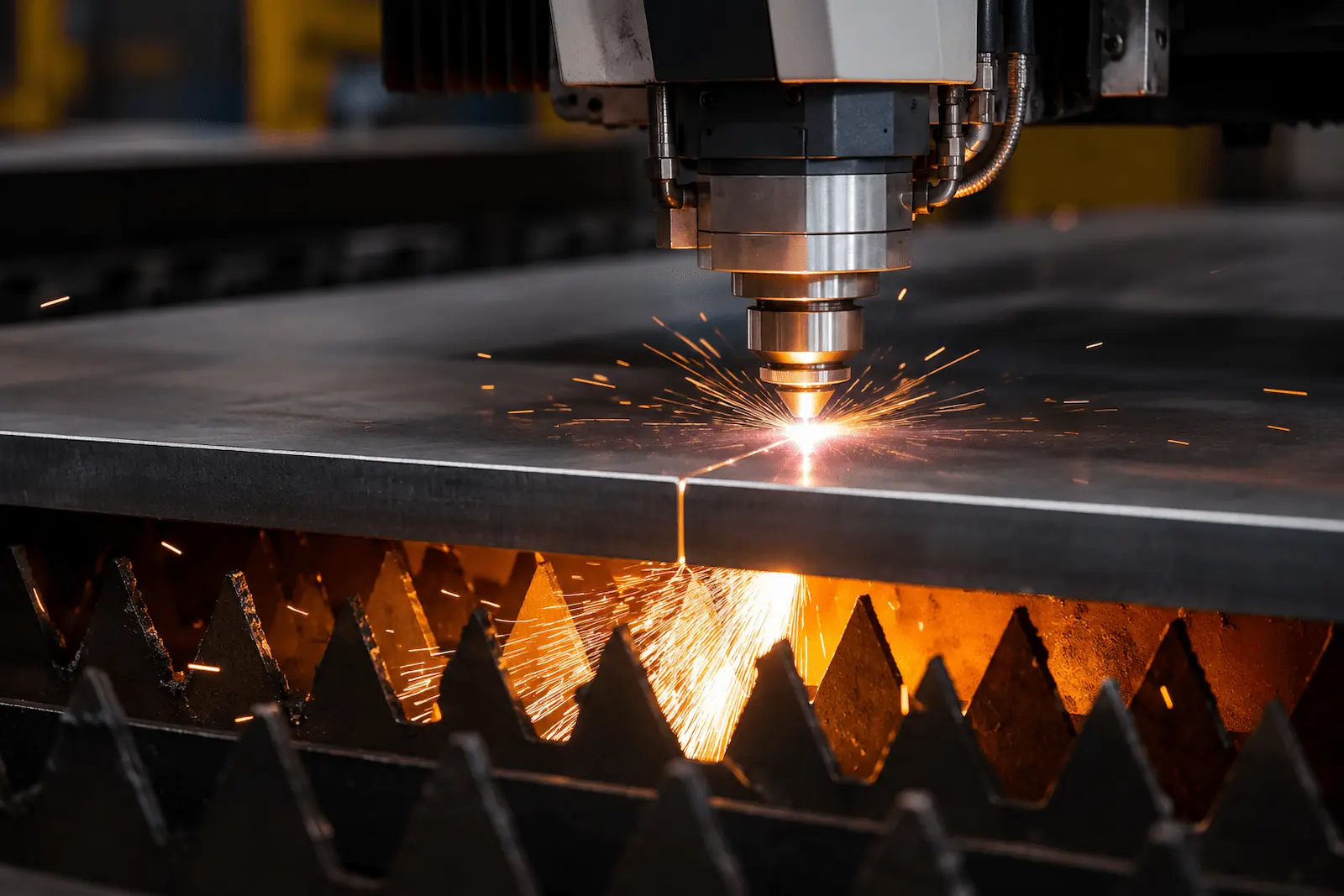
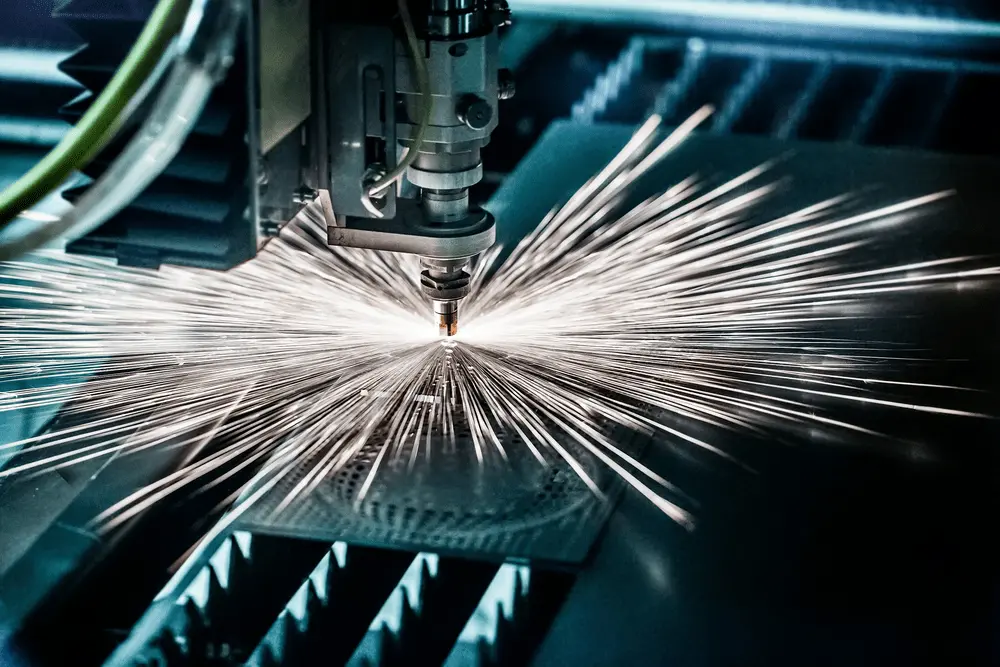
When manufacturers need to cut flat metal sheets quickly and accurately, a 2D laser cutting machine is one of the most widely used solutions. It uses a focused laser beam and CNC-controlled motion to cut two-dimensional contours from flat sheets and plates.
Although a 2D laser cutting machine may have X, Y, and Z axes, the cutting geometry remains primarily planar: X and Y control the cutting path, while the Z axis typically adjusts the cutting head height and focus position.
A 3D laser cutting machine, by comparison, is designed for formed, curved, or three-dimensional workpieces where the cutting direction or laser head orientation must change during processing.
The difference is therefore not simply the number of axes on the machine. It is mainly about the geometry of the workpiece and how the laser interacts with it.
A 2D laser cutting machine is a CNC laser system designed primarily to cut flat metal sheets and plates along two-dimensional contours. It is ideal for high-throughput sheet metal production, while 3D laser cutting is better suited to formed parts, curved surfaces, and other complex three-dimensional geometries.
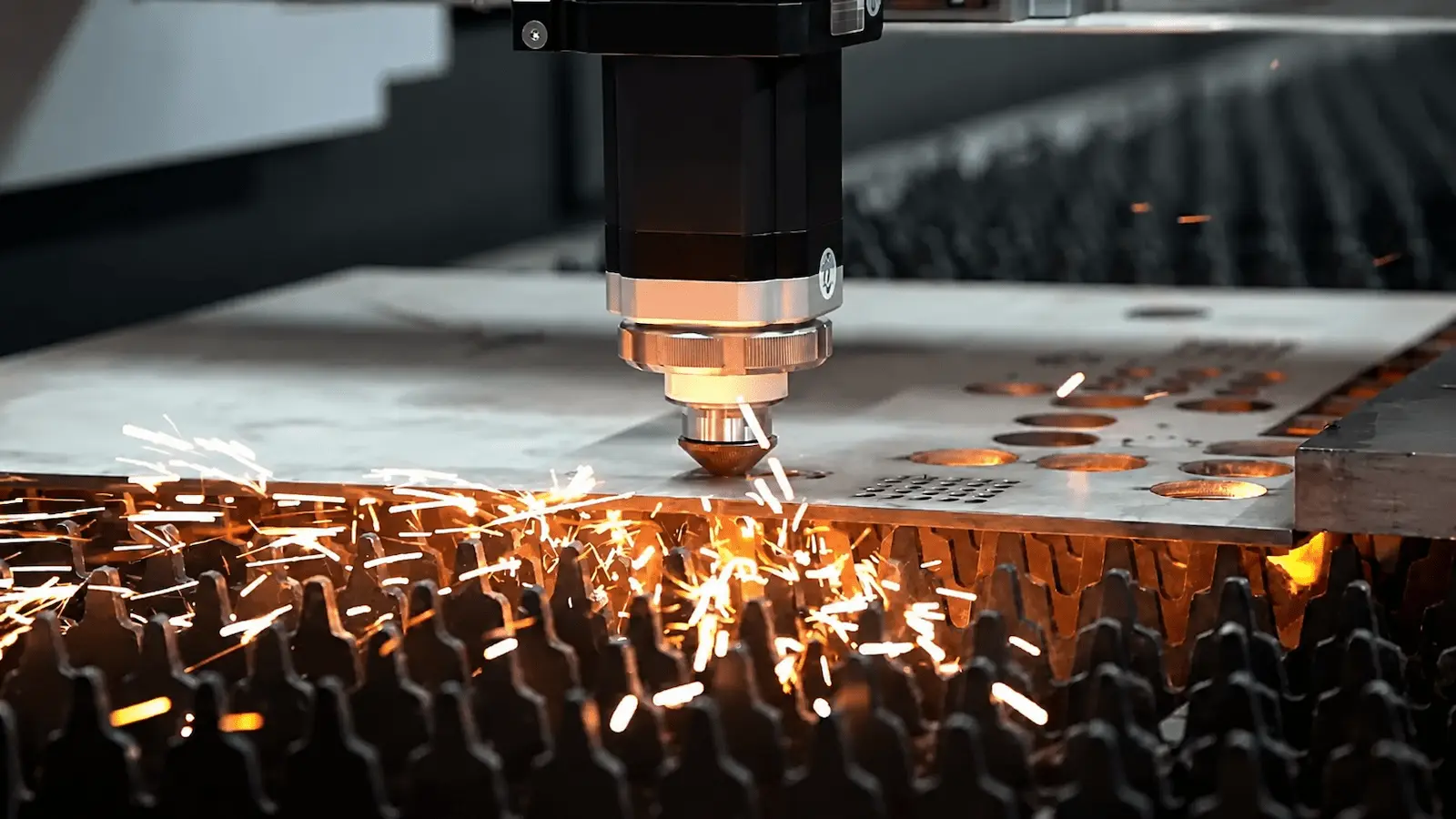
What Is a 2D Laser Cutting Machine?
A 2D laser cutting machine is a CNC-controlled laser cutting system used to cut flat materials such as carbon steel, stainless steel, aluminum, copper, and other metal sheets or plates.
During cutting, the laser head follows a programmed contour across the surface of the workpiece. The laser beam melts, burns, or vaporizes the material, while assist gas helps remove molten material from the cut.
The term “2D” refers to the geometry of the cutting path rather than the physical number of machine axes. A modern sheet metal laser cutting machine may use X, Y, and Z axes, but the cutting contour itself is generally defined on a flat X-Y plane.
This makes 2D laser cutting particularly effective for producing large numbers of flat components from sheet metal.

How Does a 2D Laser Cutter Work?
The basic cutting process consists of several coordinated steps:
- The metal sheet is positioned on the machine’s cutting table.
- The CNC system reads the programmed cutting geometry.
- The laser source generates a high-energy laser beam.
- The cutting head focuses the beam onto the material surface.
- The machine moves the cutting head along the programmed X-Y path.
- Assist gas helps eject molten material from the kerf.
- The completed parts are separated from the sheet.
Modern fiber laser cutting machines can combine this process with automatic loading and unloading, nesting software, shuttle tables, and other automation technologies to increase production efficiency.
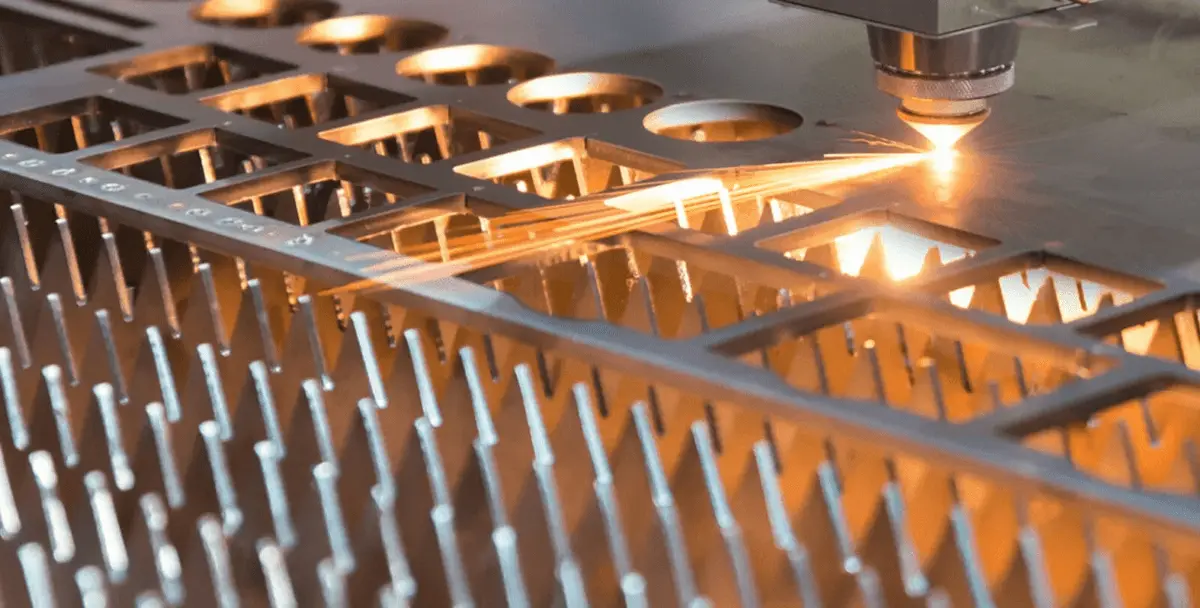
Does a 2D Laser Cutting Machine Have a Z Axis?
Yes.
This is an important point because 2D laser cutting does not necessarily mean that the machine only has two mechanical axes.
A conventional flatbed fiber laser cutting machine commonly uses:
- X axis: Horizontal movement in one direction
- Y axis: Horizontal movement in the second direction
- Z axis: Vertical movement used primarily for cutting-head height and focus control
The presence of a Z axis does not make the machine a 3D laser cutter.
The more useful distinction is the geometry being processed. A conventional 2D machine is optimized for cutting planar contours on flat material, while a 3D laser cutting system is designed to follow and cut complex three-dimensional surfaces or change the beam orientation relative to the workpiece.
This distinction is also reflected in the industrial market: manufacturers commonly classify flat sheet machines separately from dedicated 3D and tube/profile laser systems.
What Materials Can a 2D Laser Cutting Machine Cut?
2D fiber laser cutting machines are widely used for metal sheet and plate processing.
Typical materials include:
- Carbon steel
- Stainless steel
- Aluminum
- Galvanized steel
- Copper
- Brass
- Other conductive and non-ferrous metals, depending on machine configuration
The actual material thickness a machine can cut depends on multiple factors, including:
- Laser power
- Material grade
- Material thickness
- Assist gas
- Cutting speed
- Required edge quality
- Machine and cutting-head configuration
For this reason, there is no single universal thickness limit for all 2D laser cutting machines.
Instead of judging a machine only by its maximum advertised thickness, manufacturers should evaluate the actual material, thickness, edge quality, and production speed required for their application.
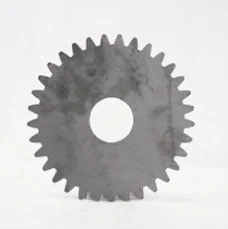
What Can a 2D Laser Cutting Machine Cut?
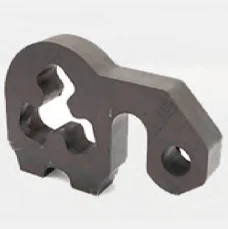
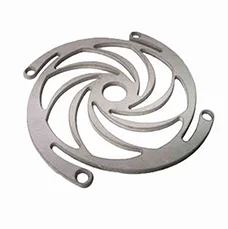
A 2D laser cutting machine can produce a wide range of flat metal components, including:
- Brackets
- Plates
- Flanges
- Covers
- Panels
- Machine components
- Electrical enclosures
- Mounting plates
- Structural components
- Custom sheet metal parts
The major advantage is that many different components can be nested onto a single sheet, allowing manufacturers to improve material utilization while maintaining a high production rate.
For high-volume fabrication, this combination of CNC automation, nesting, speed, and repeatability is one of the main reasons 2D fiber laser cutting has become a standard technology in modern sheet metal production.
Advantages of 2D Laser Cutting
1. High Production Efficiency
Fiber laser systems can move rapidly across a sheet and process multiple parts in a single setup.
For manufacturers producing large quantities of flat components, the ability to continuously nest and cut many parts from one sheet can significantly improve productivity.
2. High Cutting Accuracy and Repeatability
CNC-controlled laser systems can repeatedly follow programmed geometries with high precision.
The actual achievable tolerance depends on the machine, material, thickness, cutting conditions, and production requirements, so specifications should always be evaluated on the basis of the complete machine configuration rather than a single accuracy number.
3. Excellent Material Utilization
Nesting software can arrange multiple parts efficiently on a sheet before cutting.
This helps manufacturers reduce unnecessary scrap and make better use of expensive materials.
4. Lower Processing Requirements After Cutting
Laser cutting can produce clean, precise edges with relatively little mechanical force and limited thermal distortion when the process is correctly configured.
For many applications, this reduces the amount of secondary machining or manual finishing required.
5. Easy CNC Automation
Modern 2D laser cutting systems can be integrated with:
- Automatic loading and unloading
- Shuttle tables
- Material storage systems
- CNC nesting software
- Production management systems
- Automated part sorting
This makes 2D laser cutting suitable for both job shops and high-volume production environments.
What Is 3D Laser Cutting?
3D laser cutting is used to process workpieces that are no longer simply flat sheets. Manufacturers working with formed or complex three-dimensional components may require a 3D laser cutting machine rather than a conventional flatbed system.
Instead of keeping the laser cutting operation on a single planar surface, the laser head, workpiece, or both can change orientation during cutting.
This enables the machine to process:
- Formed metal parts
- Stamped components
- Hydroformed components
- Curved surfaces
- Complex three-dimensional structures
- Certain tubes and profiles
- Components requiring angled or spatial cuts
The key advantage is flexibility when the workpiece geometry makes conventional flatbed cutting impractical.
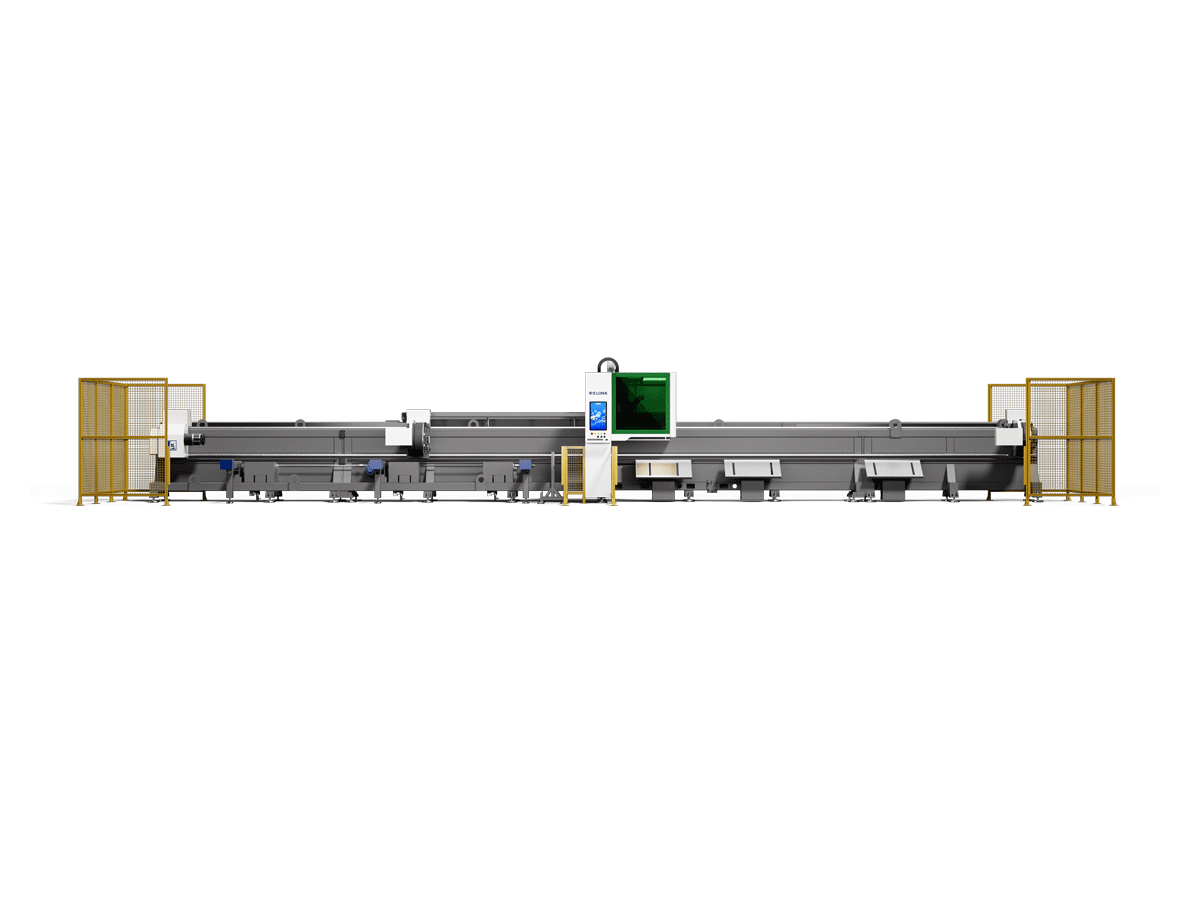
How Does 3D Laser Cutting Work?
A 3D laser cutting system typically combines coordinated motion with a cutting head or workpiece-positioning system capable of handling changing surface geometry.
During the cutting process, the system must maintain an appropriate relationship between:
- The laser beam
- The cutting surface
- The focal position
- The cutting direction
This allows the laser to follow complex contours while maintaining suitable cutting conditions.
Some industrial systems use multi-axis cutting heads, while others use robotic or dedicated multi-axis configurations depending on the application.
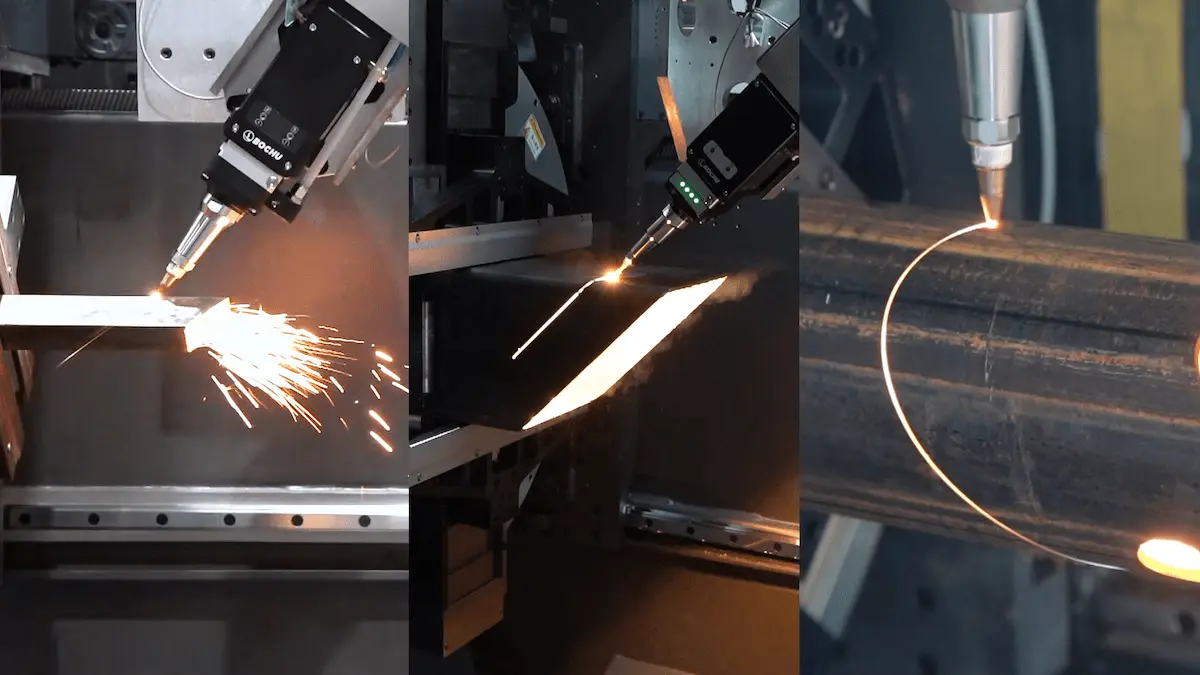
What Parts Are Suitable for 3D Laser Cutting?
3D laser cutting becomes useful when a part has already been formed or when a flat sheet cutting process cannot easily produce the required geometry.
Typical applications include:
Automotive Components
3D laser cutting can be used for trimming and processing formed automotive components, including stamped and hot-formed parts.
It is particularly useful when the component has a complex surface and the cutting contour must follow the three-dimensional geometry.
Aerospace Components
Aerospace manufacturing often involves complex structures with demanding dimensional and geometric requirements.
3D laser processing can be used for trimming and cutting formed components and other complex metal parts.
Formed Metal Components
Deep-drawn, stamped, hydroformed, or otherwise formed components may require 3D laser cutting for accurate trimming, holes, slots, or other features.
2D vs. 3D Laser Cutting: What’s the Difference?
The easiest way to understand the difference is to focus on workpiece geometry.
| Feature | 2D Laser Cutting | 3D Laser Cutting |
|---|---|---|
| Main workpiece | Flat sheets and plates | Formed, curved, or three-dimensional parts |
| Cutting geometry | Planar contours | Three-dimensional contours |
| Typical motion | X-Y cutting path with Z height/focus control | Coordinated multi-axis movement and/or workpiece positioning |
| Main applications | Sheet metal fabrication | Automotive, aerospace, formed components and complex geometries |
| Production focus | High-volume flat-part production | Complex-part processing |
| Material utilization | Excellent for nested sheet production | Depends on workpiece geometry |
| Equipment complexity | Generally simpler | Generally more complex |
| Typical investment | Generally lower | Generally higher |
| Best for | Flat components and sheet metal | Formed or spatial components |
The Most Important Difference
The biggest difference is not simply whether one machine has “more axes.”
A 2D laser cutting machine is optimized around flat material and planar contours.
A 3D laser cutting system is designed to handle non-planar geometry, where the laser beam or the workpiece must change orientation to maintain the required cutting relationship.
This is why a machine can have three or more mechanical axes and still be considered a 2D laser cutting machine.
Is 2D Laser Cutting Better Than 3D Laser Cutting?
Neither technology is universally better.
The right choice depends on the parts you manufacture.
A 2D laser cutting machine is usually the better choice when:
- Most of your work consists of flat sheet or plate
- You need high production throughput
- You process many different parts from standard sheet sizes
- Material utilization is a major priority
- You want a relatively simple and economical production system
A 3D laser cutting machine is more appropriate when:
- Your parts have complex three-dimensional surfaces
- You process formed or stamped components
- You require cutting at different angles
- The workpiece cannot be processed efficiently on a conventional flatbed
- Secondary trimming or machining would otherwise be necessary
The goal is not to choose the more advanced technology. It is to choose the technology that matches the geometry and production requirements of the parts you actually manufacture.
Can a 2D Laser Cutting Machine Cut Tubes?
Yes, depending on the machine configuration.
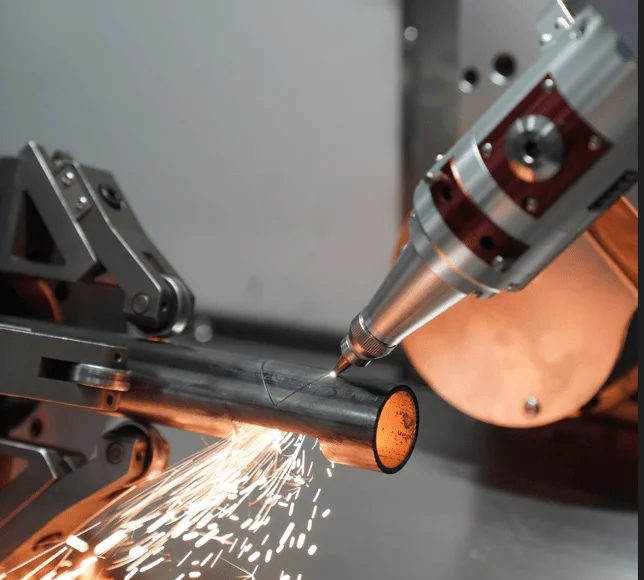
A standard flatbed 2D laser cutter is designed primarily for sheets and plates. However, some machines can be equipped with a rotary or integrated tube-cutting system to process round and shaped tubes. Such machines are generally referred to as sheet and tube laser cutting machines.
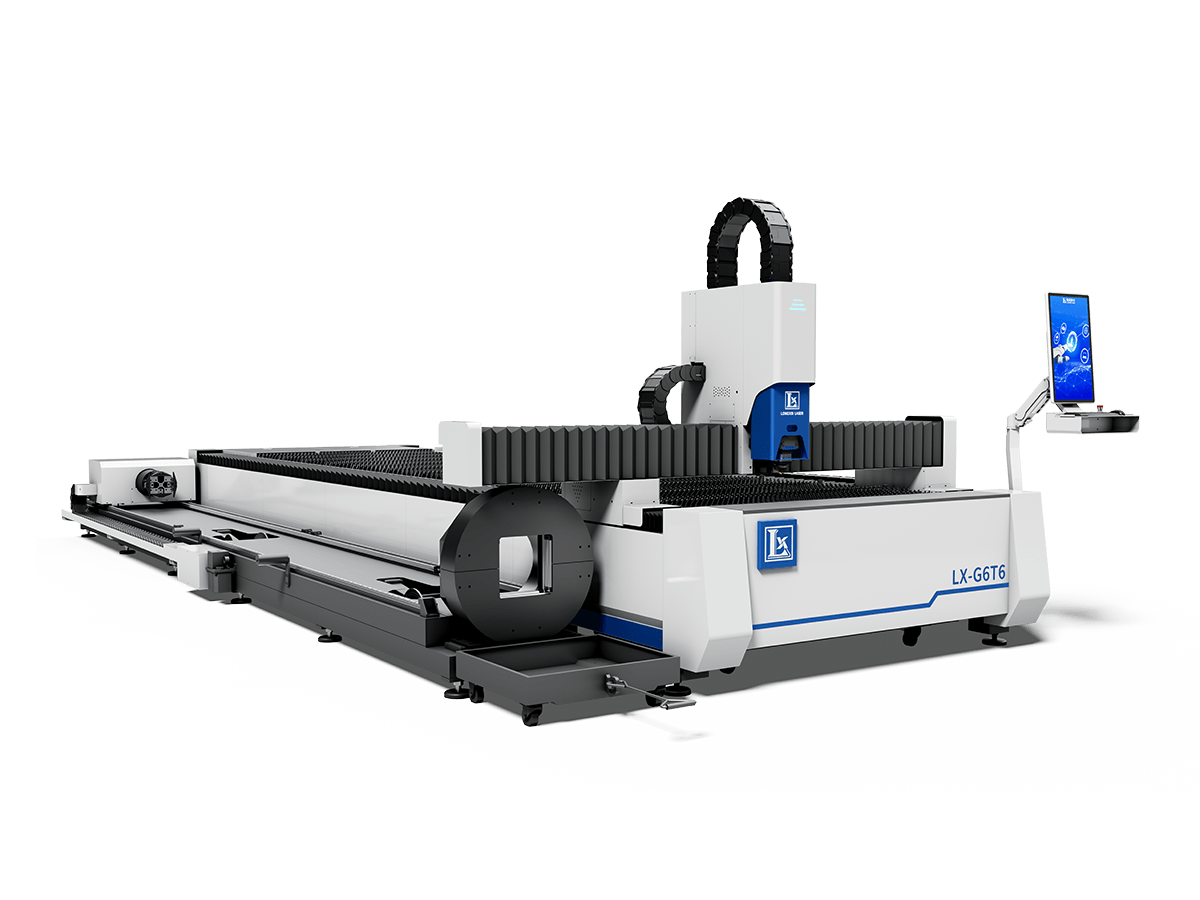
Industrial machine manufacturers offer sheet-and-tube systems that can switch between flat sheet processing and tube processing. TRUMPF, for example, documents tube-cutting attachments that allow tubes and profiles to be processed on a 2D laser platform.
Some integrated sheet-and-tube systems are designed to process both sheet metal and tubes on a single machine, providing manufacturers with additional flexibility.
However, this does not mean that every 2D flatbed laser can cut tubes.
The machine must have the appropriate:
- Tube clamping system
- Rotary or tube-processing mechanism
- Software
- Workpiece support
- Cutting parameters
Is Tube Laser Cutting 2D or 3D?
Tube laser cutting can involve both 2D and 3D processing.
A conventional tube laser cutting machine can perform many cutting operations on round, square, rectangular, and other profiles by rotating the tube and moving the cutting head along the programmed path.
However, more advanced 3D tube laser systems can add capabilities such as:
- Multi-angle cutting
- Bevel cutting
- Complex contours
- Spatial holes and slots
- More advanced three-dimensional processing
The distinction therefore depends on the cutting geometry and machine configuration, rather than simply whether the workpiece is a tube.
This is why tube laser manufacturers commonly distinguish between standard 2D tube cutting systems and dedicated 3D or 5-axis tube laser systems.
2D vs. 3D Laser Cutting: Which Machine Should You Choose?
When selecting a laser cutting machine, start with the workpiece, not the machine specification.
1. Consider the Shape of Your Parts
If most of your products start as flat sheets and require holes, slots, contours, and cutouts, a 2D laser cutting machine is usually the logical choice.
If your parts are already formed or contain complex three-dimensional surfaces, 3D laser cutting may be more appropriate.
2. Consider Production Volume
For large quantities of flat parts, 2D laser cutting is particularly attractive because multiple components can be nested onto a single sheet and processed continuously.
If production involves fewer parts but significantly more complex geometries, the flexibility of a 3D system may provide greater value.
3. Consider Secondary Operations
Ask whether your current manufacturing process requires:
- Manual trimming
- Milling
- Drilling
- Additional hole making
- Additional bevel preparation
- Repositioning of formed parts
If these operations exist because the original cutting technology cannot efficiently access the required geometry, a more advanced laser cutting solution may reduce process steps.
4. Consider Automation Requirements
For high-volume sheet production, features such as automatic loading, unloading, material storage, nesting software, and part handling can have a major effect on productivity.
The best machine is therefore not necessarily the one with the highest laser power. It is the system that provides the required throughput, automation, cutting quality, and total operating efficiency.
2D Laser Cutting Applications in Metal Manufacturing
2D laser cutting is widely used across industries that manufacture flat metal components.
Typical applications include:
General Sheet Metal Fabrication
- Machine frames
- Covers
- Cabinets
- Brackets
- Panels
- Enclosures
- Mounting plates
Electrical and Energy Equipment
- Electrical enclosures
- Switchgear components
- Battery system cabinets
- Solar mounting components
- Equipment housings
Machinery Manufacturing
- Structural parts
- Machinery components
- Flanges
- Support plates
- Custom fabricated parts
Agricultural and Construction Equipment
- Brackets
- Reinforcement plates
- Structural components
- Machine panels
- Equipment frames
What is a 2D fiber laser cutting machine?
A 2D fiber laser cutting machine uses a fiber laser source to cut flat metal sheets or plates. Fiber laser technology is widely used for industrial metal cutting because of its efficiency, precision, and suitability for automated CNC production.
How to Choose the Right 2D Laser Cutting Machine
Choosing a 2D laser cutting machine should begin with your actual production requirements.
Before purchasing a machine, evaluate:
- The materials you process
- The typical material thickness
- Maximum sheet size
- Required production volume
- Required cutting quality
- Laser power
- Automation requirements
- Loading and unloading requirements
- Nesting software
- Available factory space
- Expected return on investment
It is also important to evaluate actual cutting samples rather than relying only on brochure specifications.
A machine that works well for one material and thickness may not deliver the same results under different production conditions.
Why Choose Lonx Laser for 2D and 3D Metal Laser Cutting?
Lonx Laser has been involved in industrial laser cutting solutions since 2008, providing equipment for manufacturers in multiple markets.
Our laser cutting solutions cover applications involving:
- Sheet metal
- Tubes and pipes
- Structural profiles
- Complex cutting requirements
- Automated production
Rather than selecting equipment based only on laser power, our engineers can evaluate your material, thickness, part geometry, production volume, and automation requirements to recommend a suitable configuration.
See how manufacturers in different industries use our laser cutting solutions in our customer stories.
Final Takeaway
A 2D laser cutting machine is primarily designed for efficient, accurate cutting of flat metal sheets and plates. Its strength lies in high-throughput production, CNC automation, nesting efficiency, and consistent planar cutting.
A 3D laser cutting machine is better suited to formed, curved, and other three-dimensional workpieces that require more complex cutting movements.
The most important distinction is therefore not simply the number of axes. It is the geometry of the workpiece and the cutting process required to manufacture the final part.
For manufacturers working mainly with flat sheet metal, a 2D fiber laser cutting machine is often the most practical solution. For complex formed components or advanced three-dimensional cutting requirements, a 3D laser system may provide the flexibility needed to reduce secondary processing.
The best machine is ultimately the one that matches your material, part geometry, production volume, cutting requirements, and long-term manufacturing goals.
Looking for the right laser cutting machine for your application? Contact us to discuss your material, part drawings, and production requirements.