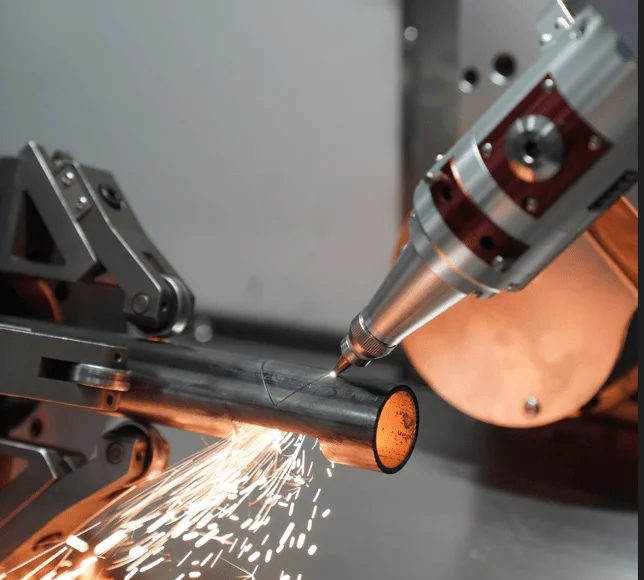
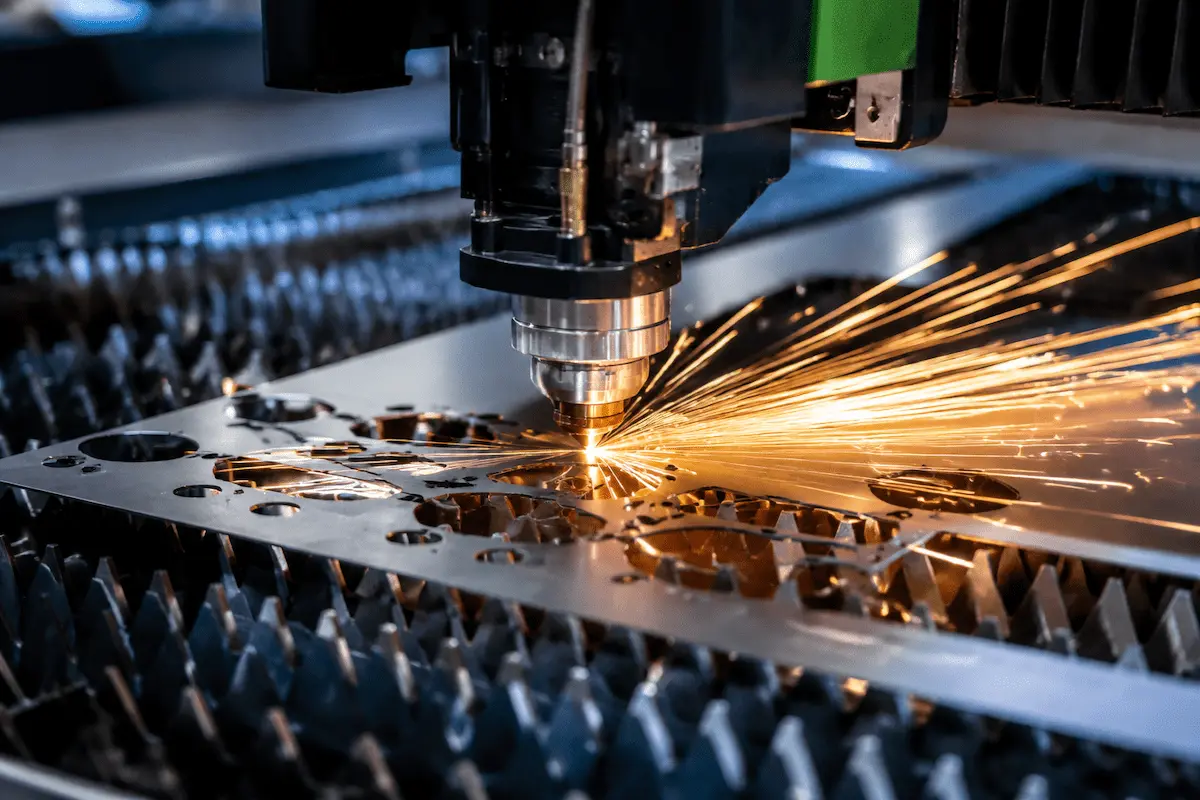
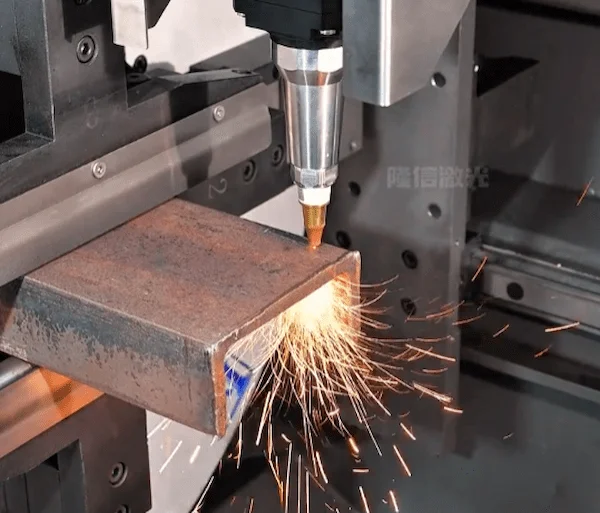
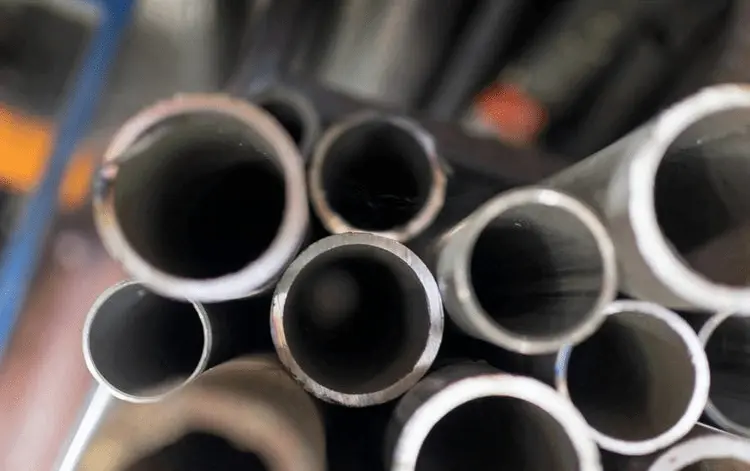
튜브 레이저 절단기는 높은 정밀도, 속도, 다용도성, 폐기물 절감 및 자동화 덕분에 튜브가 전통적으로 가공되던 방식을 근본적으로 변화시키고 있습니다. 올바른 선택은 관 레이저 절단 기계 생산성 최적화, 비용 절감 및 제품 품질 향상에 매우 중요합니다. 이 글은 레이저 튜브 절단기를 올바르게 선택하는 데 도움이 되는 참고 자료를 제공할 것입니다.
튜브 직경 및 길이 확인
최대 튜브 직경:
기계의 척/프레임이 가장 큰 튜브 크기를 잡을 수 있는지 확인하십시오. 척 직경 자체는 고정할 수 있는 최대 튜브 크기를 의미하므로, 튜브의 최대 직경 바로 위의 척을 선택하는 것이 이상적입니다.
예를 들어, Φ220mm 척은 최대 220mm 튜브를, Φ350mm 척은 최대 350mm 튜브를 고정할 수 있습니다. 튜브 벽 두께가 최대 12mm, 파이프 최대 직경 φ220mm, 최대 파이프 길이 5.5m인 경우 절단만 필요하고 천공, 조각 등의 공정이 필요하지 않습니다. 그런 다음 이 요구 사항에 따라 척 직경 φ220mm, 길이 6m 장비를 매칭할 수 있습니다. 이러한 데이터는 고객의 요구를 충족하기에 충분합니다.
최대 튜브 길이:
튜브 레이저 절단기 로더의 이동 거리를 확인하십시오. 일반적인 모델은 최대 6~12m 길이의 자재를 처리합니다. 더 긴 자재에서 많은 짧은 세그먼트를 절단하는 경우 전체 공급이 가능한 더 긴 베드 기계가 이상적입니다.
튜브의 길이는 레이저 튜브 절단기의 공급 시스템에도 영향을 미칩니다.
공급 시스템 적응
- 짧은 튜브(<1미터): 수동 공급 또는 간단한 자동 공급 시스템에 적합합니다.
- 중간 길이 튜브(1-6미터): 생산성을 높이기 위해 표준 자동 공급 및 하역 시스템을 갖추어야 합니다.
- 긴 튜브(>6미터): 가공 중 튜브가 구부러지거나 처지는 것을 방지하기 위해 강화된 자동 공급 시스템과 지지대가 필요합니다.
튜브 형상 확인
튜브의 단면 형상은 고정 및 절단 안정성에 영향을 미칩니다. 표준 형상(원형, 사각형, 직사각형)은 거의 모든 레이저 튜브 절단기에서 쉽게 처리됩니다.
고급 기계는 이러한 형상을 잘 지원합니다. 예를 들어, 한 모델은 최대 250×150mm의 직사각형 파이프를 절단합니다. 부품에 특수 프로파일(예: 타원형 튜브, U/C-채널, “T” 또는 “L” 형상, 맞춤 압출재)이 포함된 경우 추가 고정 장치가 필요할 수 있습니다.
일반적으로 프로파일이 불규칙할수록 더 많은 척(또는 독립 조)이 유리합니다. 4-조(4-척) 설정은 고도로 불규칙한 형상에 자주 권장됩니다(맞춤 프로파일용 추가 클램프 제공). 약간 비원형 형상(타원, 다각형, 각진 튜브)의 경우 3-조 시스템으로 충분하지만 정렬에 주의해야 합니다.
원형/직사각형/사각형 튜브:
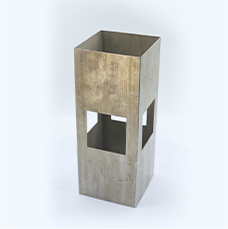
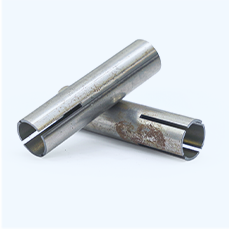
표준 튜브 레이저(2개 또는 3개 척 포함)는 문제없이 처리합니다. 척 조 또는 콜릿이 튜브 형태와 일치하는지 확인하십시오. 사각형과 같은 다면 형상에는 전용 사각 어댑터가 있는 경우가 많습니다.
불규칙 프로파일:
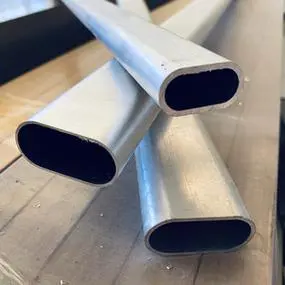
타원형 또는 비대칭 튜브는 중심 맞추기와 절단이 더 어렵습니다. 이러한 프로파일을 많이 절단해야 하는 경우 최소 3개 척(추가 지지용)이 있는 기계를 선택하고 4번째 척 옵션이 있는지 문의하십시오. 추가 척은 튜브를 더 단단히 고정하여 비정형 형상의 정밀도를 향상시킵니다.
복잡한 개방 단면:
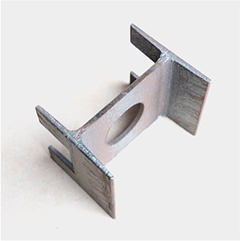
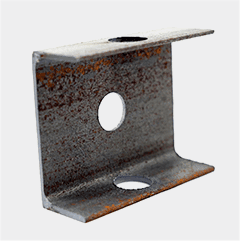
I-빔, 채널 또는 “H” 튜브와 같은 항목은 사례별로 확인해야 합니다. 일부 튜브 레이저에는 개방 단면을 고정하기 위한 특수 클램프 또는 롤러를 장착할 수 있습니다. 필요시 공급업체와 상의하십시오.
튜브 가공 요구 사항 확인
직선 절단 외에도 튜브에 필요한 추가 가공을 결정하십시오. 많은 응용 분야에서 튜브에 구멍, 노치, 베벨 또는 나사산이 필요합니다:
구멍 드릴링/펀칭:
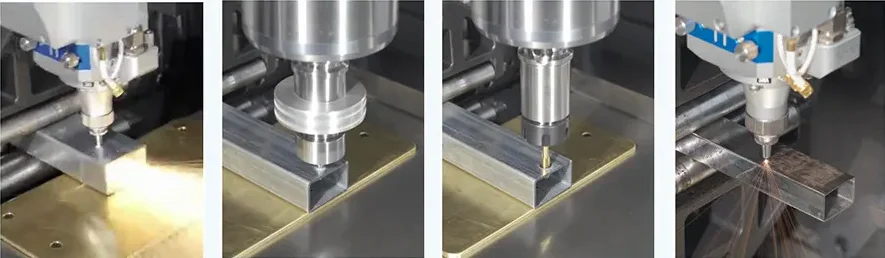
레이저는 한 지점에 머물거나 고출력 펄스를 사용하여 구멍을 만들 수 있지만 속도가 느립니다. 드릴 구멍이나 슬롯이 많이 필요한 경우 기계에 드릴/천공 부착 장치가 있는지 확인하십시오. 일부 튜브 레이저는 구멍과 노치용 소형 CNC 드릴 또는 펀치를 통합하여 대량 또는 장기 실행에서 순수 레이저 드릴링보다 훨씬 빠를 수 있습니다.
베벨 절단:
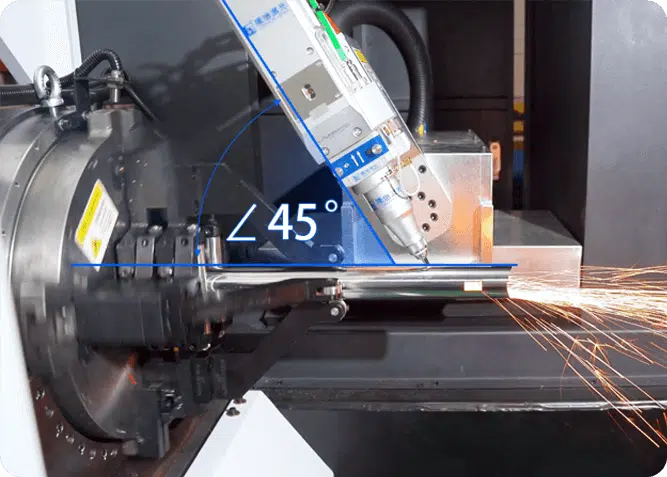
설계에 각진 끝단(용접 준비)이 필요한 경우 베벨 헤드 옵션이 있는 기계를 선택해야 합니다(예:, LX-T16 베벨링 레이저 파이프 절단기). 베벨 헤드는 레이저를 기울여(일반적으로 최대 45°) 각진 절단을 생성합니다. 이는 많은 기계에서 선택 모듈입니다. 베벨 헤드를 건너뛰면 기계는 수직 절단만 수행합니다.
탭핑/나사 가공:
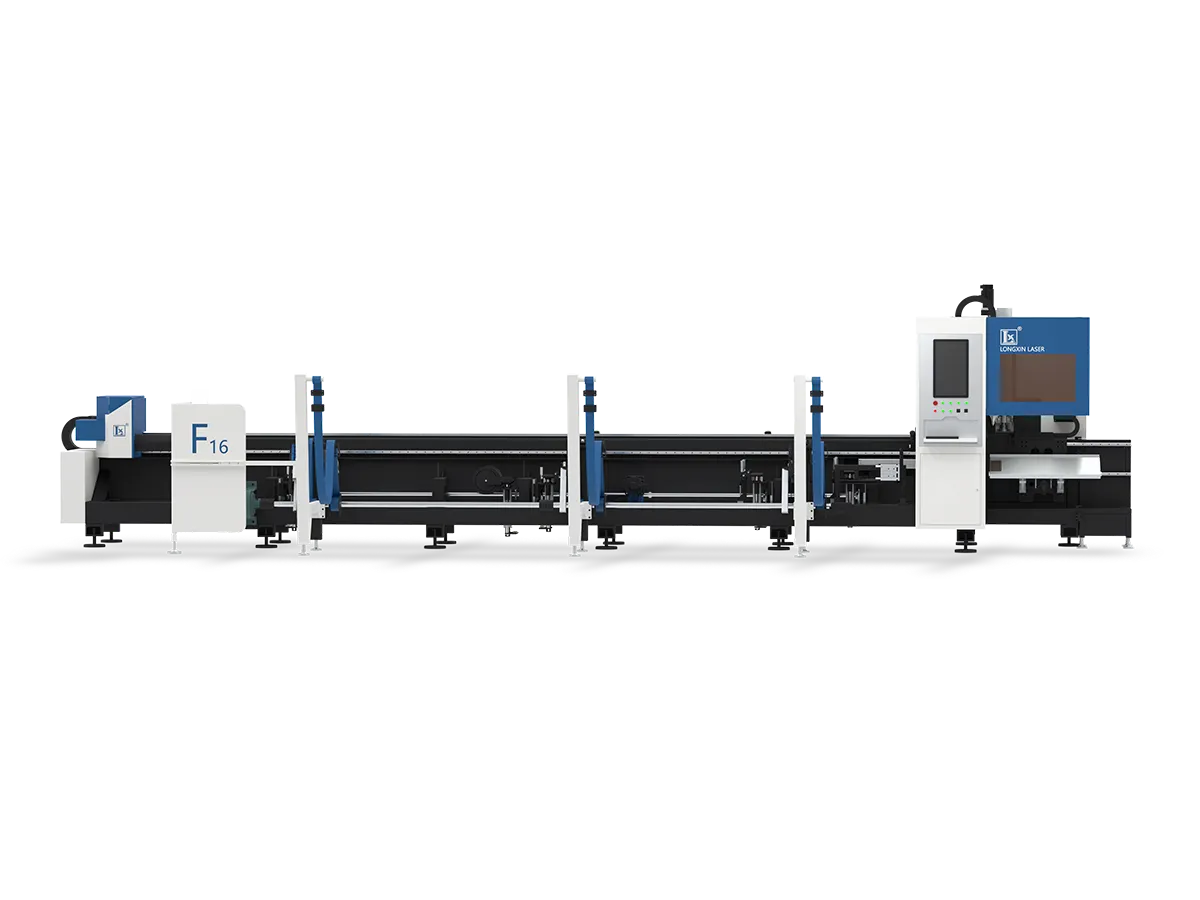
표준 레이저는 나사산을 직접 절단하지 않습니다. 탭핑은 일반적으로 기계식 탭 또는 스레드 밀로 수행됩니다. 일부 고급 튜브 레이저(LX-F16)는 한 번의 설정으로 사용할 수 있는 자동 탭핑 또는 스레드 밀링 도구 옵션을 제공합니다. 부품에 나사산 끝단이나 구멍이 필요한 경우 기계가 탭핑 유닛을 통합할 수 있는지 또는 절단 후 별도로 탭핑해야 하는지 문의하십시오.
튜브 무게 및 안정성 확인
무겁거나 긴 튜브는 추가 주의가 필요합니다. 두꺼운 벽의 파이프나 매우 긴 바는 자체 무게로 처질 수 있으며, 이는 절단 품질에 영향을 미칩니다. 기계를 평가할 때 다음을 확인하십시오:
지지 시스템:
견고한 지지 시스템이 필수적입니다. 많은 튜브 레이저는 캐리지와 함께 이동하는 플로팅 테일 지지대를 사용합니다. 이 “추적” 지지대는 튜브가 공급될 때 높이를 일정하게 유지하여 처짐을 방지합니다. 플로팅 지지대를 사용하면 로딩 및 회전 과정이 안정적으로 유지되고 튜브 처짐이 방지됩니다.
일부 공급업체는 고급 버전을 “지능형 지지대”라고 부르며, 튜브의 윤곽이나 굴곡에 자동으로 조정됩니다. 중량 작업의 경우 절단 헤드에 가깝게 지지대가 배치된 기계를 항상 선택하십시오.
무게 제한:
기계가 처리할 수 있는 최대 튜브 무게를 확인하십시오. 이는 일반적으로 튜브의 “미터당 최대 무게”로 제공됩니다. 이를 초과하면 모터에 과부하가 걸리거나 공급 오류가 발생할 수 있습니다. 매우 두꺼운 강철(고밀도) 튜브로 작업하는 경우 해당 하중에 맞게 설계된 기계를 선택하십시오.
로딩 장비:
매우 무거운 튜브의 경우 내장 로더 또는 크레인 인터페이스가 필요할 수 있습니다. 일부 기계에는 중량 파이프용 통합 클램프 테이블 또는 자동 리프트가 포함됩니다.
척 구성 확인(2-척 이상?)
튜브의 직경과 절단 길이에 따라 척의 크기를 이미 결정했을 것이며, 그런 다음 레이저 절단 공정의 안정성, 정확성 및 꼬리 폐기물에 대해 생각해야 합니다. 일반적으로 척(죠)의 수는 기계의 파이프 고정 안정성과 꼬리 폐기물을 결정합니다.
2-척 시스템:
이 시스템은 헤드에 고정 척 하나와 이동식 테일스톡 척 하나를 갖추고 있습니다. 더 간단하고 일반적으로 더 저렴하며, 일반적인 원형 또는 사각 튜브에 적합합니다. 2-척 기계는 소형 및 중형 작업에 흔히 사용됩니다.
일반적인 2-척 레이저 튜브 절단기는 일반적으로 긴 스크랩 꼬리(마지막 절단과 끝 사이의 튜브 부분)를 남깁니다. 절단이 척의 도달 범위 내에 있으면 남은 스텀프가 스크랩이 되기 때문입니다. 또한 클램핑 지점이 두 개뿐이므로 매우 무겁거나 매우 긴 튜브는 변형될 가능성이 더 높습니다.
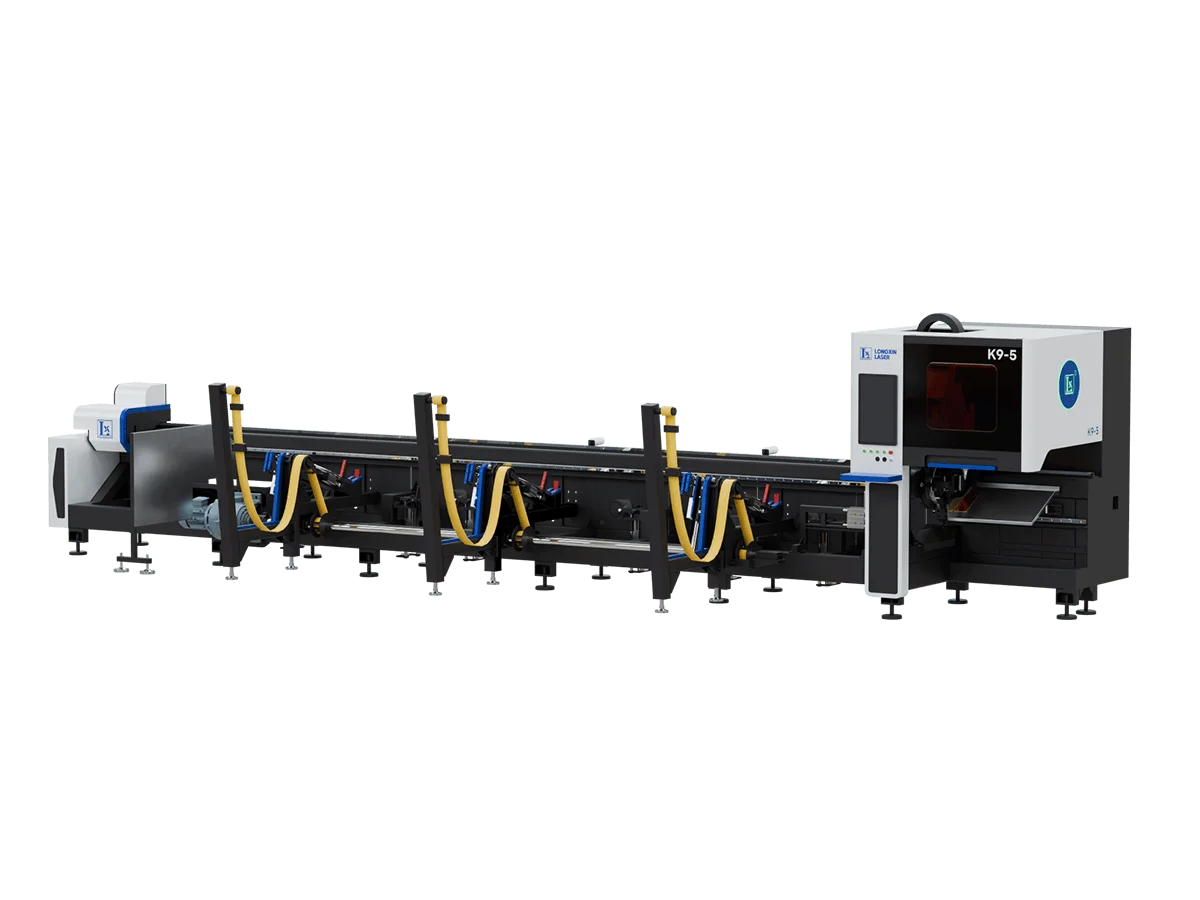
그러나 기술이 계속 발전함에 따라 2025년에는 이미 레이저 튜브 절단기(LX-K9-5)가 있습니다. that use only two chucks to achieve 0 ends, comparable to the results of three chucks. The technical principle is that before cutting the last part of the tube, the laser cutting head lifts up, allowing the front chuck to move forward and clamp the tube out of the rear carat, achieving 0-tail material processing at the end.
3-Chuck Systems:
Here, 2 chuck drive the tube and a third (usually fixed near the headstock) provides an extra clamp mid-length. This configuration locks the tube more firmly, which improves cutting accuracy on longer parts and reduces vibration. Importantly, a 3-chucks system can feed the tube fully, often achieving zero tail waste as the machine pushes the entire tube through.
Manufacturers note that 3-chuck laser tube cutters are versatile and cost-effective (cheaper than adding a whole extra head). The downside is slightly higher complexity and price than a 2-chuck machine, but with higher throughput and efficiency.
Choice Tip:
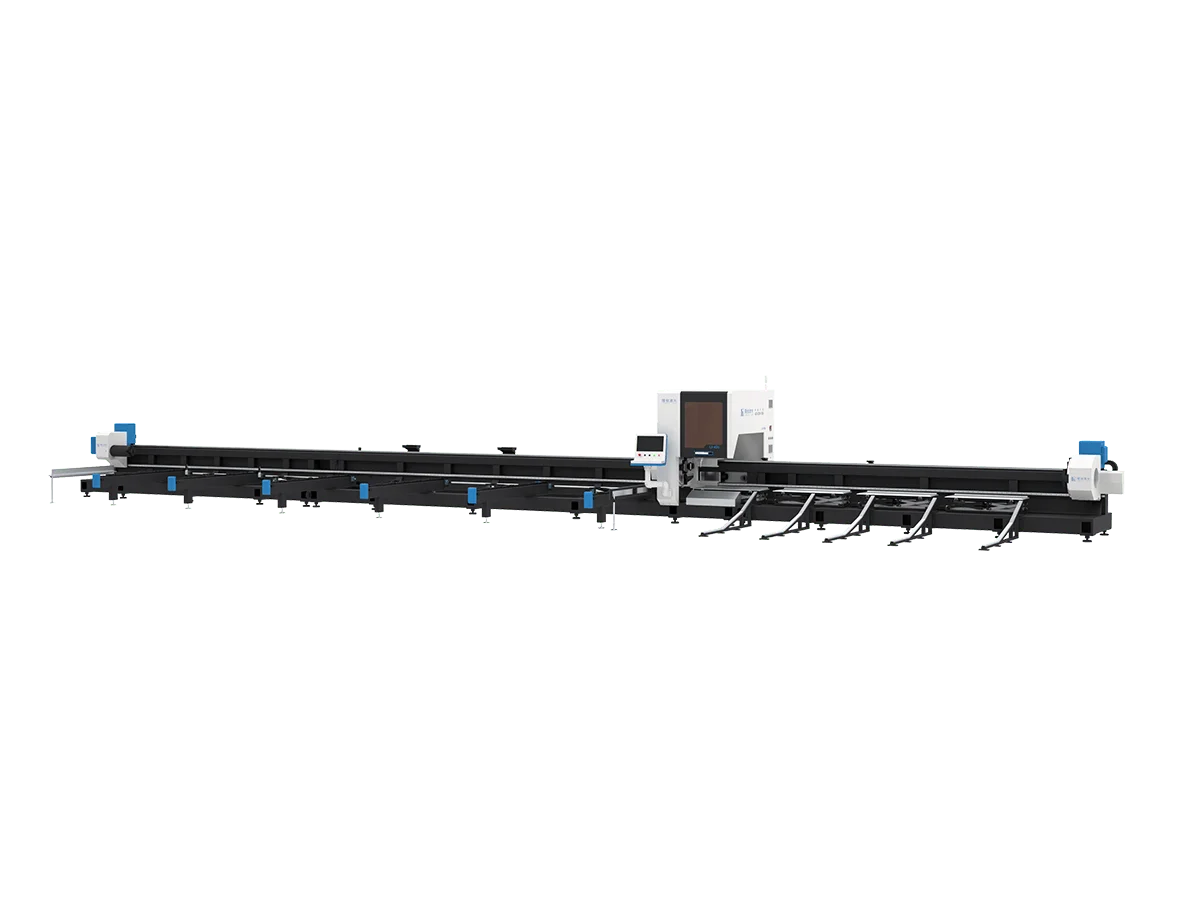
- If your tube work is primarily standard shape cutting and moderate lengths, a regular 2 chuck laser tube cutter will suffice.
- If you want to minimise tailing, a 2 chuck machine with front chuck avoidance, or a regular 3 chuck machine is more worth the investment.
- For complex profiles, high-precision, heavy-duty, and extra-long tubes, a customised laser tube cutting machine, possibly with 4 or more chucks, is required.
- More chucks are not always better. An increase in the number of chucks means a redesign of the mechanical structure, which can significantly increase the cost of the machinery and usually requires customisation, which is time-consuming.
6. Automation (Loading/Unloading) needs
For high-volume or heavy work, consider machines with automatic loading and unloading systems. These use conveyors or robotic arms to feed tubes into the laser and remove cut parts, drastically increasing throughput and reducing manual labor. Auto-loading is optional but valuable if you cut many similar tubes; it also improves safety (no manual lifting).
If budget is tight and volumes are low, you can load tubes by hand, but ensure you have means (like a clamp table) to manually secure them.
Support Systems (Follow/Intelligent)
Beyond the basic tailstock, modern machines offer enhanced tube support:
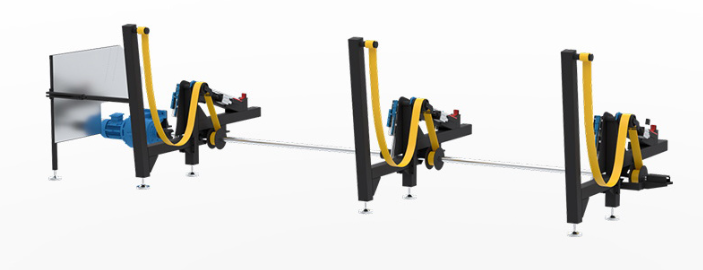
- Floating (Follow) Support: This support rolls on rails under the tube and moves along with the cutting head. It keeps supporting the end of the tube continuously as it feeds, preventing the rear from sagging or vibrating. This is essential for long or very flexible tubes.
- Fixed Tailstock: Older or simpler machines use a fixed tailstock that doesn’t move. This is fine for short lengths, but as soon as you cut away the tube end, the remaining part can droop once it’s only supported at one end.
- Intelligent Support: Some advanced cutters have sensors that detect tube curvature or deflection and automatically adjust the support height. This “smart” system maintains a constant focus-to-tube distance even on warped tubes. If you deal with bent or inconsistent material, ask about this feature.
7. Choose a Laser Tube Cutting Machine Based on Processing Accuracy
(1) High-Precision Applications (Medical Devices, Electronic Components)
Key Requirements: Cutting accuracy ≤±0.05mm, smooth cut surfaces, minimal heat-affected zones.
Equipment Configuration Requirements
| Component | Specifications |
| 레이저 소스 | Fiber laser, 1500-3000W power, beam quality M²<1.1 |
| Beam Spot Diameter | ≤0.02mm (ultra-fine spot for thin materials) |
| Repeat Positioning Accuracy | X/Y-axis: ±0.03mm, Rotary axis: ±0.05° |
| Machine Rigidity | Cast iron bed + FEA-optimized structure, vibration resistance ≥50Hz |
| Cutting Head | Auto-focus cutting head with ceramic nozzle (1.0-1.5mm aperture) |
| Control System | Pulse cutting capability, process database, real-time monitoring |
| Auxiliary Systems | High-purity nitrogen (≥99.999%), water chiller (±0.5°C stability) |
프로세스 최적화
- Parameters: Speed 1-2m/min (1mm stainless steel), pulse frequency >2000Hz
- Gas Selection: Nitrogen for stainless steel (12-15bar), oxygen for carbon steel (8-10bar)
- Typical Applications: Surgical instrument brackets (0.5mm titanium alloy), micro-connectors (1mm copper alloy)
(2) Medium-Thick Material Batch Production (Construction, Heavy Machinery)
Key Requirements: Cutting thickness 8-20mm, high efficiency, continuous operation stability.
Equipment Configuration Requirements
| Component | Specifications |
| 레이저 소스 | Fiber laser, 4000-12000W power, power fluctuation <±2% |
| Beam Spot Diameter | 0.05-0.1mm (balances speed and precision) |
| Repeat Positioning Accuracy | X/Y-axis: ±0.05mm, Rotary axis: ±0.1° |
| Machine Rigidity | Welded steel structure with cross-bracing, load capacity ≥2000kg |
| Cutting Head | Anti-reflection coating, quick-change nozzle design |
| Control System | Batch file processing, automatic nesting |
| Auxiliary Systems | Dual-pump water cooling (±1°C stability), dust removal ≥6000m³/h |
프로세스 최적화
- Parameters: Speed 0.5-1.5m/min (12mm carbon steel), oxygen assist (1.5-2MPa)
- Efficiency: Automatic loader integration, nozzle change time <10s
- Typical Applications: Bridge steel structures (16mm Q355), hydraulic cylinder tubes (10mm 45# steel)
(3) Special Material Processing (Titanium Alloy, Galvanized Steel)
Key Requirements: Handling reflective/oxidizable/high-melting-point materials.
Equipment Configuration Requirements
| Component | Specifications |
| 레이저 소스 | Disk laser or anti-reflection fiber laser, ≥6000W power |
| Beam Spot Diameter | 0.03-0.06mm (high energy density) |
| Repeat Positioning Accuracy | X/Y-axis: ±0.04mm, Rotary axis: ±0.08° |
| Machine Rigidity | Fully enclosed splash-proof structure, corrosion-resistant coating |
| Cutting Head | Gold-coated mirrors + dual gas channels (independent inner/outer gas control) |
| Control System | Material database (pre-loaded parameters for titanium/galvanized steel) |
| Auxiliary Systems | Dual gas supply (nitrogen + compressed air), zinc fume filtration |
프로세스 최적화
- Titanium Cutting: Argon shielding (prevents oxidation), focus position offset -0.2~-0.5mm
- Galvanized Steel: Pre-purge mode removes zinc layer, 20% lower gas pressure
- Typical Applications: Aerospace titanium tubing (5mm TC4), HVAC ducts (3mm SGCC)
(4) General Metal Tube Processing (Furniture, Windows/Doors)
Key Requirements: Cutting thickness 1-6mm, cost-effectiveness, easy maintenance.
Equipment Configuration Requirements
| Component | Specifications |
| 레이저 소스 | Fiber laser, 1000-2000W power, cost-optimized |
| Beam Spot Diameter | 0.05-0.1mm |
| Repeat Positioning Accuracy | X/Y-axis: ±0.1mm, Rotary axis: ±0.2° |
| Machine Rigidity | Lightweight welded structure, load capacity ≥500kg |
| Cutting Head | Manual focus adjustment, copper nozzle (200hr lifespan) |
| Control System | User-friendly interface, CAD direct import |
| Auxiliary Systems | Single-pump water chiller (±2°C), standard air compressor (0.8MPa) |
프로세스 최적화
- Parameters: Speed 2-4m/min (2mm carbon steel), oxygen assist (0.6-0.8MPa)
- Cost Control: Compressed air instead of nitrogen (acceptable for thin stainless steel)
- Typical Applications: Stainless steel railings (3mm 304), aluminum window frames (2mm 6061)
(5) Summary: Scenario-Based Selection Logic
| Scenario | Priority Order | Budget Allocation |
| High-Precision | Precision > Stability > Power | 60%+ on equipment |
| Medium-Thick Batch | Power > Efficiency > Maintenance | 50%+ on laser source |
| Special Materials | Specialization > Power > Safety | 40%+ on gas systems |
| General Processing | Cost > Usability > Basic Accuracy | 80%+ on base machine |
Note: Always request sample cutting tests to verify machine-material compatibility.
8. Optional Process Modules For Laser Tube Cutting Machine
Many tube lasers can add specialized modules. Consider these if your work demands:
(1) Beveling Head:
This tilts the laser head (commonly ±45° or more) to cut angled ends for weld joints. Specify the required maximum bevel angle. Not all machines include this by default.
(2) Drilling/Tapping Unit:
Some systems have an optional drill or tapping tool to make holes or threads. If you need threaded holes in tube walls, either a tap-up kit or a combined laser/tap machine is needed.
(3) Roll-Bending or Forming:
Occasionally, combined machines can also bend or form tubes. If so, these will be advertised as specialized multi-function units.
(4) Material Handling Attachments:
Options like bundle loaders (for multiple tubes at once), cross-cutting attachments, or stackers may be offered for higher automation levels.
결론
List all your tube specs (sizes, shapes, materials, wall thicknesses, required operations) and go down this checklist. Compare suppliers’ machine data to ensure each critical attribute is covered. Choosing the right tube laser cutter involves balancing your tube characteristics against the machine’s features (diameter/length capacity, chuck type, supports, power, and optional modules) to find the best fit for your production needs.